Your First Vegetable Garden: Simply Done
Tired of grocery store prices? Imagine picking fresh veggies right outside your door! This guide makes vegetable gardening easy for beginners.
Let’s get growing today!
Feeling Overwhelmed by Vegetable Gardening for Dummies?
I get it. You see all those fancy gardens in magazines, or maybe friends who seem to have a magic green thumb. But really, vegetable gardening for dummies is totally doable.
I’ve had my own gardening journey, and trust me, it wasn’t always perfect. I remember my first little tomato plant. It was tiny, and I worried about every little thing.
But seeing that first red fruit was pure magic. It taught me that even with a few simple steps, you can grow your own delicious food. It’s not about being an expert; it’s about learning as you go.
Getting Your Veggie Patch Started
This is where the fun begins! You need a spot, some good dirt, and seeds or little plants. Don’t overthink it.
A sunny place is best. Most veggies need at least 6 hours of sun a day. Think about where your house gets the most light.
A south-facing spot is usually ideal.
Picking Your Spot
Your garden doesn’t need to be huge. A small raised bed, a few big pots on your patio, or even a little patch of ground can work. I started with just two big pots on my balcony one year.
It was perfect for basil and cherry tomatoes.
- Sunlight: Aim for the sunniest spot you have.
- Water Access: Make sure it’s easy to get water there. Lugging a heavy watering can far is a pain.
- Level Ground: A somewhat flat spot is easier to work with.
The Dirt Matters
Good soil is super important. It’s like a home for your plants. If you’re using a small spot or pots, buy some good potting mix.
For a garden bed, you’ll want to mix in compost. Compost is like superfood for your soil. It adds nutrients and helps the soil drain well.
I once tried skiping the compost. My plants grew okay, but they weren’t as healthy or as productive as when I use it.
What to Grow First?
This is the exciting part! For beginners, I always suggest easy-to-grow veggies. They give you quick wins and build confidence.
Think about what you actually like to eat. There’s no point growing a ton of kale if you hate kale.
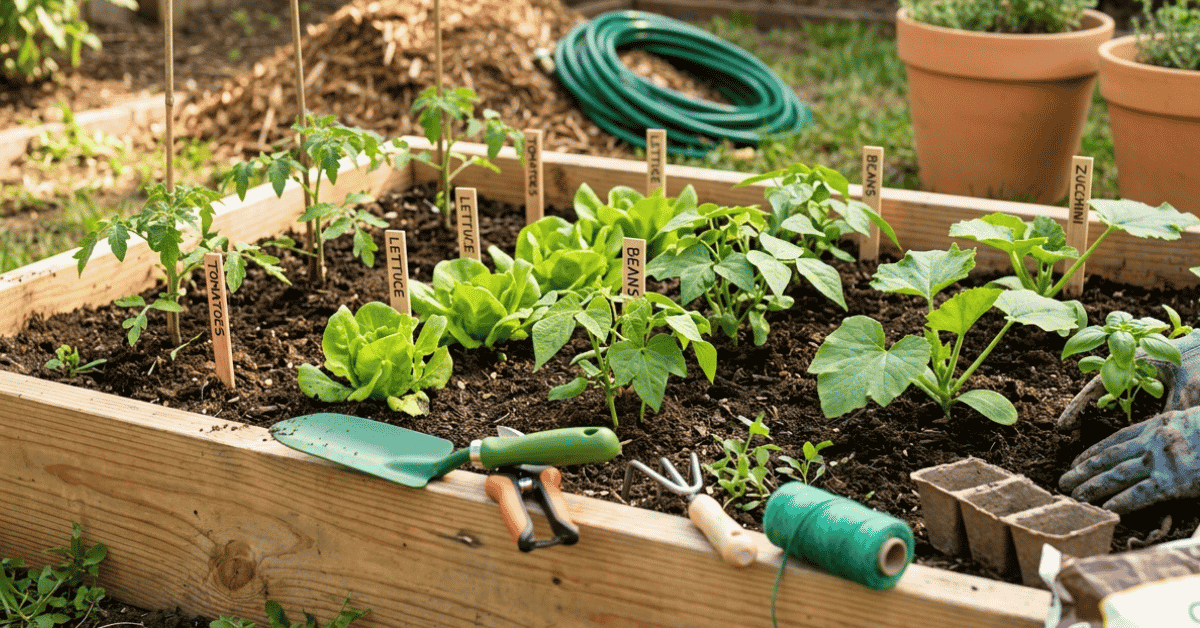
- Leafy Greens: Lettuce, spinach, and Swiss chard are great. They grow fast.
- Root Veggies: Radishes pop up super quick. Carrots and beets are also pretty easy if your soil is loose.
- Fruiting Veggies: Bush beans are hardy. Cherry tomatoes are forgiving. Zucchini plants grow like crazy, so be ready for a lot of zucchini!
Avoid things that can be tricky at first, like cauliflower or asparagus. Save those for later when you’ve got a few garden seasons under your belt.
Planting Your Veggies: Seeds vs. Starts
You have two main ways to get your plants going: seeds or small plants called “starts” or “seedlings.” Both have their pros and cons.
Seeds: The Budget-Friendly Option
Planting seeds is often cheaper. It gives you access to more varieties. Plus, there’s a special satisfaction in watching something grow from a tiny seed.
- Pros: Cheaper, more variety, rewarding.
- Cons: Takes longer, some seeds are finicky.
When planting seeds, follow the packet instructions! It tells you how deep to plant them and how far apart they should be. I made the mistake of planting seeds too close together once.
They just choked each other out.
Starts: The Quick Start
Buying small plants means you get a head start. They’re already a few weeks old when you get them. This is great if you’re short on time or a bit nervous.
- Pros: Faster results, easier for beginners.
- Cons: More expensive, less variety.
When you buy starts, gentle is key. Carefully take the plant out of its pot. Don’t pull on the stem.
Try to loosen any roots that are tightly circled at the bottom. Then, plant it at the same depth it was in its original pot.
Caring for Your Growing Garden
Once your plants are in the ground, they need a little TLC. It’s not a lot, just consistent care.
Watering Wisdom
This is HUGE. Most new gardeners either overwater or underwater. The best way to check is to stick your finger about an inch into the soil.
If it feels dry, it’s time to water. If it feels moist, hold off. Watering deeply and less often is better than shallow daily sprinkles.
Water the base of the plant, not the leaves. Wet leaves can lead to diseases. I learned this the hard way with my cucumbers one year.
Feeding Your Plants
Your plants need food to grow big and strong. If you started with good soil rich in compost, you might not need much extra. For hungry plants like tomatoes or peppers, a little boost helps.
You can use an all-purpose vegetable fertilizer. Follow the package directions. Too much fertilizer can hurt your plants.
Keeping Weeds at Bay
Weeds are plants that are growing where you don’t want them. They steal water and nutrients from your veggies. The best way to deal with them is to pull them out when they’re small.
A layer of mulch (like straw or wood chips) can help a lot. Mulch keeps moisture in and weeds down.
Watching for Bugs and Critters
Pesky insects are part of gardening. Don’t panic. Often, a few aphids won’t ruin your whole garden.
If you see a lot of bugs, try spraying them off with a strong stream of water. If that doesn’t work, consider insecticidal soap. It’s usually safe for most veggies.
Pick large bugs like tomato hornworms off by hand.
Simple Vegetable Garden Plan Comparison
Here’s a quick look at a couple of common ways to set up your garden:
| Feature | Raised Bed Garden | Container Garden | In-Ground Garden |
|---|---|---|---|
| Initial Cost | Medium (materials for bed) | Low-Medium (pots, good soil) | Low (just soil amendments) |
| Effort | Medium (building, filling) | Low-Medium (filling pots) | Medium (digging, amending soil) |
| Drainage | Excellent | Excellent | Good (if soil is amended) |
| Weed Control | Easier (less soil to manage) | Easiest (contained) | More challenging |
| Best For | Good soil control, accessibility, neat look | Small spaces, patios, balconies, renters | Larger areas, established yards |
| Examples | Tomatoes, peppers, root veggies, leafy greens | Herbs, lettuce, bush beans, compact tomatoes | Corn, squash, potatoes, larger quantities of any |
Harvesting Your Bounty
This is the payoff! When your veggies look ripe and ready, pick them. Don’t leave ripe veggies on the plant for too long, as it can stop the plant from producing more.
- Tomatoes: Pick when they are fully colored and feel slightly soft when gently squeezed.
- Lettuce: You can often harvest outer leaves, and the plant will keep growing. Or, cut the whole head.
- Beans: Pick them when the pods are firm and plump, before the beans inside get too big.
Frequently Asked Questions
Is vegetable gardening for dummies really that simple?
Yes, many aspects are quite simple. Focus on sun, water, and good soil for easy wins. Learn more about vegetable gardening for dummies.
What if I have terrible soil for my vegetable garden?
Don’t worry! Raised beds and containers let you control the soil completely. Use quality potting mix or compost.
Learn more about organic gardening tips.
Are certain vegetables much easier for beginners to grow?
Absolutely. Radishes, lettuce, bush beans, and cherry tomatoes are known for being very forgiving. Learn more about gardening for beginners.
How often should I water my new vegetable garden?
Check your soil moisture by poking your finger in an inch deep. Water when it feels dry. Deep watering is usually better than frequent light watering.
Learn more about successful vegetable gardening.
Can I really grow vegetables in small spaces like pots?
Yes! Container gardening is perfect for small spaces. Choose compact varieties and use good potting soil.
Learn more about square foot gardening.