
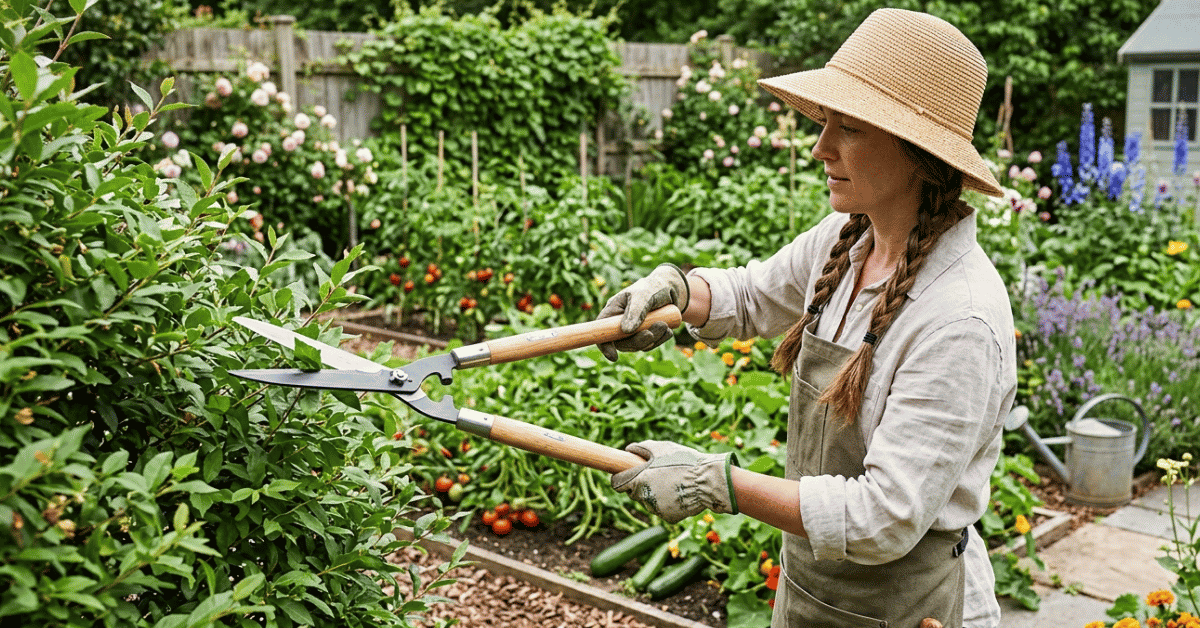
Why Long-Handled Garden Shears Are Your Best Friend
Gardening just got a whole lot easier! Discover how long-handled garden shears can save your back. This guide helps you pick the perfect pair.
What’s the Big Deal with Long-Handled Garden Shears?
Honestly, when I first saw them, I thought, “Who needs that much reach?” I was wrong. So wrong. My first pair came about five years ago.
My back was screaming from bending over my rose bushes, trying to snip dead blooms. My neighbor, a seasoned gardener, just handed them to me. “Try these,” she said.
Game changer. My back felt immediate relief. I could reach those prickly branches without getting scratched all over.
That’s the magic of long-handled garden shears. They let you prune, trim, and shape your plants from a more comfortable standing position. This means less strain on your back and knees.
Plus, you can safely trim branches that are a bit too high or too far away.
Feeling the Benefits: Why You Need Them
There are a bunch of good reasons to grab a pair of these. For me, it started with my back. But it’s grown into so much more.
Comfort is King (and Queen!)
Bending over for long periods is tough. It strains your lower back. It puts pressure on your knees.
Long-handled shears lift you up. You stand straighter. The tool does the reaching for you.
My morning garden sessions used to end with me needing a long nap. Now, I can spend more time out there. My body feels better.
It’s like having an extension of my own arms.
Reaching New Heights (Safely)
Some plants just grow tall. Or wide. Think of that overgrown hydrangea.
Or those shrub roses with branches that stick out everywhere. Regular hand pruners just don’t cut it. Literally.
Long-handled shears let you reach those higher branches. You can snip them with precision. You don’t need a wobbly stool.
You avoid risky moves. Safety first, everyone.
Precision Pruning Power
Don’t think long handles mean less control. Good ones offer great control. They give you a steady hand.
You can make clean cuts. This is vital for plant health. Clean cuts heal faster.
They also reduce the risk of disease. You can get right into dense bushes. You snip away what needs to go.
It’s about shaping and tidying up.
Tackling Tougher Stalks
Some stems are just thick. Think of the woody branches on a mature shrub. Or tough weeds that have gone to seed.
Long-handled shears often have stronger blades. They can cut through thicker materials. This saves your hands from getting tired.
It means you can get the job done faster. No more struggling with dull cutters.
Types of Long-Handled Garden Shears
Not all long-handled shears are the same. They come in different shapes and sizes. Understanding these helps you pick the best one for your needs.
Loppers: The Big Cutters
These are the heavy hitters. Loppers have long handles. They have larger, bypass blades.
Bypass blades are like scissors. They make clean cuts through branches up to, say, 1.5 to 2 inches thick. I use my loppers for pruning young trees.
I also use them for cutting back old, woody perennials. They feel powerful. You get good leverage.
Long-Handled Pruners: The Detailers
These look like regular hand pruners. But they have longer handles. They are great for reaching into dense shrubs.
You can get to branches that are a bit further away. But they aren’t for super thick branches. They are more for pruning roses.
Or shaping hedges where you need to be precise. They feel lightweight.
Extendable Loppers: The Versatile Choice
This is my favorite type. They have handles that you can adjust. You can make them shorter for light work.
Or extend them for reaching high branches. It’s like having two tools in one. I use mine for everything.
From light deadheading to serious branch cutting. They are super handy.
What to Look For in a Pair
Choosing the right pair makes all the difference. I’ve made bad choices. Don’t repeat my mistakes!
Handle Length
This is key. How tall are you? What do you need to reach?
Generally, longer handles mean more reach. But they can also be heavier. Think about your primary use.
For general gardening, handles that extend from 24 to 36 inches are good. If you need to reach high branches, look for extendable models.
Blade Type
Most good long-handled shears use bypass blades. These are best for clean cuts. They heal plants faster.
Avoid anvil types for live wood. Anvil cutters crush stems. They are better for dead wood.
Make sure the blades are sharp. And made of good quality steel.
Weight and Balance
You’ll be holding these for a while. They shouldn’t feel too heavy. The weight should feel balanced.
Good balance makes them easier to control. And less tiring to use. I test the weight by holding them.
Do they feel awkward? Or natural in my hand?
Grip Comfort
The handles should feel good in your hands. Many have padded grips. This adds comfort.
It also helps prevent blisters. Especially if you’re doing a lot of pruning. A secure grip is essential for safety.
Durability
You want tools that last. Look for sturdy construction. The joints should be strong.
The blades should feel solid. Read reviews. Ask other gardeners.
My best tools have lasted years. They just needed occasional sharpening. Investing in quality pays off.
Comparing Your Options: A Quick Look
Let’s break down the main types. This table might help you see the differences.
| Feature | Loppers | Long-Handled Pruners | Extendable Loppers |
|---|---|---|---|
| Best For | Thicker branches (up to 2″) | Detailed pruning, dense shrubs | Varied tasks, high branches |
| Reach | Moderate | Moderate | Excellent, adjustable |
| Blade Size | Larger | Standard | Larger |
| Weight | Heavier | Lighter | Moderate to heavier |
| Versatility | Good for thick cuts | Good for precise cuts | High versatility |
| Power/Leverage | High | Moderate | High |
Real-Life Scenarios: When They Shine
I remember one spring. My azaleas got huge. They were blocking the walkway.
Regularly, I’d dread trimming them. It meant wrestling with branches. And getting pricked constantly.
With my extendable loppers, it was different. I stood back. I adjusted the handles.
I reached in. Snip. Snip. The clean cuts made the bush look like new. It felt easy.
It felt good. Another time, I was trimming my raspberry canes. Some of the old woody stems were really thick.
My regular pruners couldn’t handle them. My long-handled shears made quick work of it. No straining.
No frustration. Just efficient pruning. It really does feel like a breakthrough when you have the right tool.
For more on the benefits of specific gardening tools, check out 9 Surprising Long-Handled Tool Benefits.
Maintaining Your Shears for Longevity
To get the most out of your long-handled garden shears, you need to care for them. It’s not hard. A little effort goes a long way.
Cleaning
After each use, wipe the blades clean. Remove sap and debris. A damp cloth works.
For sticky sap, you might need a bit of rubbing alcohol. This keeps the blades sharp. And prevents disease spread.
Sharpening
Dull blades make gardening harder. And they hurt your plants. Sharpen your shears at least once a year.
Or more often if you use them a lot. Use a sharpening stone or a file. Restore that sharp edge.
It’s amazing what sharp blades can do. They slice cleanly and easily.
Lubrication
Once clean and sharp, a light coat of oil helps. It prevents rust. It keeps the moving parts working smoothly.
Use a light machine oil. This protects them. And makes them ready for the next job.
Storage
Store your shears in a dry place. Keep them out of the rain. This prevents rust.
If they have a locking mechanism, use it. This protects the blades. And prevents accidents.
Proper storage means they’ll be ready when you are. It’s like the one simple black gardening breakthrough that makes everything easier.
Addressing Common Questions
People often ask about these handy tools. Here are some common queries.
Are long-handled pruners good for hedges?
Yes, long-handled pruners offer good reach and control for shaping hedges from a comfortable distance. Learn more about 7 hidden wins of long gardening plastic.
How thick of a branch can loppers cut?
Most loppers can cut branches up to 1.5 to 2 inches thick, depending on the model and your strength. Discover more at black gardening tools for yard work magic.
Do I need both loppers and long-handled pruners?
It depends on your garden. If you have thick woody stems and also need detailed pruning, a combination can be very useful. Explore options like this with a 5-gallon bucket garden smart growing hack.
What’s the main difference between loppers and bypass pruners?
Loppers have larger blades and more leverage for thicker branches, while bypass pruners are for finer, more precise cuts on smaller stems.
How often should I sharpen my long-handled shears?
Sharpen them at least annually, or whenever you notice them struggling to cut cleanly through branches.