
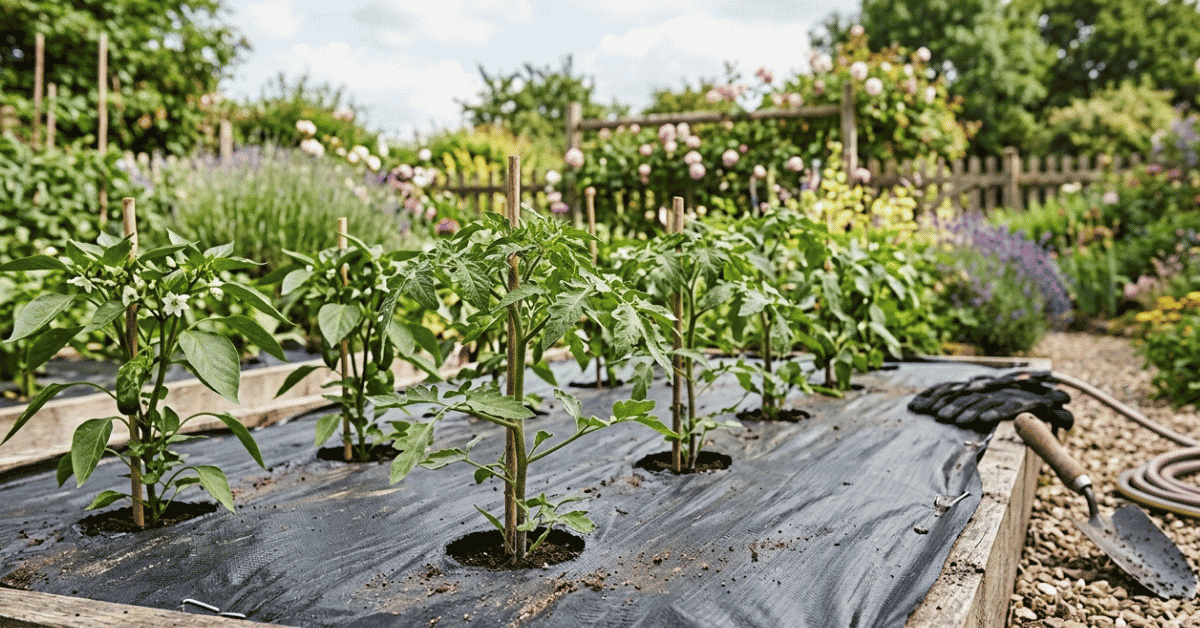
Black gardening plastic blocks weeds, warms soil, and helps plants grow strong. Learn smart ways to use it and boost your garden today.
I first tried black gardening plastic on a cool spring day. Weeds had taken over my garden beds. I was tired of pulling them each week. One simple roll changed the way I garden. Since then, I have used it for vegetables, flowers, and new beds. Here is what I learned from real use.
Is Black Gardening Plastic Worth It?
Yes. For many gardens, black gardening plastic can save time and effort.
I was unsure at first. I thought it looked too simple to help much. After one season, I saw fewer weeds, warmer soil, and better plant growth.
Black gardening plastic works by blocking sunlight. That stops many weeds before they start. It also helps the soil hold warmth.
Main benefits include:
- Less weed growth
- Warmer soil
- Better moisture control
- Cleaner garden beds
- Less garden work
Like any tool, it has good points and weak points. Knowing both helps you use it well.
What Is Black Gardening Plastic?
Many new gardeners hear the term but are not sure what it means.
Black gardening plastic is a thin sheet made for garden use. It covers soil and creates a barrier between the ground and the air above.
How It Works
The dark surface blocks sunlight.
Without light, most weeds cannot grow. The plastic also traps heat near the soil.
This can help:
- Early spring planting
- Heat-loving crops
- New garden beds
I noticed this most with tomatoes. The soil felt warmer each morning.
Common Uses
Gardeners use black gardening plastic for many tasks.
Popular uses include:
- Vegetable gardens
- Raised beds
- Flower beds
- Weed control
- Soil warming
It works best when placed flat against the soil.
Benefits of Using Black Gardening Plastic
Many gardeners use it for one reason. Then they find several more.
Weed Control Saves Time
This is the biggest benefit for me.
Before using black gardening plastic, I spent hours pulling weeds.
After using it:
- Fewer weeds appeared
- Beds stayed cleaner
- Garden work became easier
One summer, I cut my weeding time in half.
Soil Stays Warm
Warm soil helps many plants grow faster.
This is useful for:
- Tomatoes
- Peppers
- Cucumbers
- Melons
I often see stronger early growth when soil stays warm.
Moisture Loss Drops
Hot days can dry soil fast.
Black gardening plastic slows water loss.
Benefits include:
- Less watering
- Better moisture levels
- Healthier roots
This helped during a dry spell when rain was scarce.
Cleaner Harvests
Fruit and vegetables stay cleaner.
Melons and squash often rest on the plastic instead of bare soil.
That means:
- Less mud
- Less rot risk
- Easier harvests
It is a small detail that makes a big difference.
Types of Black Gardening Plastic
Not all products are the same.
I learned this after trying several kinds.
Standard Black Plastic
This is the most common type.
Pros:
- Low cost
- Easy to find
- Strong weed control
Cons:
- Can tear
- Not reusable for many years
Most home gardeners start here.
Heavy-Duty Plastic
This option is thicker.
Pros:
- Longer life
- Better durability
- Strong protection
Cons:
- Higher cost
- Harder to install
I use it in beds that stay in place for years.
Embossed Plastic
This type has a textured surface.
Pros:
- Better water flow
- Reduced pooling
- Stronger structure
Cons:
- Costs more
It works well in wet climates.
How to Install Black Gardening Plastic
Good setup matters.
Even great materials fail if installed poorly.
Prepare the Soil First
Always start with clean soil.
Remove:
- Large weeds
- Rocks
- Sticks
Smooth soil helps the plastic sit flat.
Lay the Plastic Tight
Loose plastic can flap in the wind.
I learned this during a windy week. One corner came loose and caused problems.
Pull it tight before securing it.
Secure the Edges
Use:
- Soil
- Garden staples
- Landscape pins
Strong edges keep the sheet in place.
Cut Planting Holes
Use a knife or scissors.
Cut only small openings.
Large holes allow weeds to sneak through.
Black Gardening Plastic vs Other Mulch Options
Each mulch type has strengths and limits.
The right choice depends on your goals.
| Feature | Black Gardening Plastic | Straw Mulch | Wood Mulch |
|---|---|---|---|
| Weed Control | Excellent | Good | Good |
| Soil Warming | Excellent | Low | Low |
| Water Savings | High | Medium | Medium |
| Cost | Low | Medium | Medium |
| Easy Removal | Medium | High | High |
| Long-Term Use | Medium | Low | High |
I often use black gardening plastic for vegetables and wood mulch for paths.
Best Plants for Black Gardening Plastic
Some plants love warm soil.
Others do not need it.
Tomatoes
Tomatoes thrive with extra warmth.
Benefits include:
- Faster growth
- Earlier harvests
- Strong root systems
This is one reason I keep using black gardening plastic.
Peppers
Peppers enjoy heat.
Warm soil often leads to:
- Better growth
- More blooms
- Strong fruit production
Melons
Melons grow well with plastic mulch.
The fruit stays:
- Cleaner
- Drier
- Easier to spot
Cucumbers
Cucumbers often benefit too.
They spread across the surface and stay cleaner than they would on bare soil.
Common Problems and How to Avoid Them
No garden tool is perfect.
Black gardening plastic has a few limits.
Too Much Heat
In very hot areas, soil can become too warm.
Signs include:
- Wilting plants
- Dry soil
- Stress symptoms
Check moisture often during heat waves.
Watering Challenges
Rain may not reach roots easily.
Solutions include:
- Drip irrigation
- Soaker hoses
- Careful watering
I prefer drip lines under the plastic.
Plastic Damage
Wind and sharp tools can tear plastic.
Prevent damage by:
- Securing edges
- Avoiding rough handling
- Checking often
Small tears are easier to fix than large ones.
Tips From My Garden
Years of trial and error taught me a few useful lessons.
Install Early
Place black gardening plastic before weeds start.
This creates a clean growing space from the start.
Pair It With Drip Irrigation
This is one of my favorite tricks.
Benefits include:
- Better water use
- Less waste
- Healthier plants
The system almost runs itself.
Use Quality Material
Cheap plastic may seem like a bargain.
Many low-cost rolls tear quickly.
A stronger product often saves money over time.
Remove at Season End
Old plastic can break apart if left too long.
I remove mine after harvest and store reusable sections when possible.
When Black Gardening Plastic May Not Be Ideal
There are times when other options work better.
I do not use black gardening plastic everywhere.
It may not be ideal for:
- Shade gardens
- Woodland beds
- Areas with poor drainage
- Permanent flower borders
In those places, natural mulch often works better.
Choosing the right tool matters more than using the same method everywhere.
FAQs
What is black gardening plastic used for?
Black gardening plastic helps stop weeds, warm soil, and reduce water loss. Many gardeners use it for vegetables and raised beds. Learn more about garden mulches.
Does black gardening plastic help plants grow faster?
Yes. Black gardening plastic warms soil and can boost early growth in crops like tomatoes, peppers, and melons. Learn more about soil warming methods.
How long does black gardening plastic last?
Most black gardening plastic lasts one growing season, while heavy-duty types may last much longer with proper care. Learn more about plastic durability.
Can water pass through black gardening plastic?
Most black gardening plastic does not allow water through. Drip irrigation or watering holes often work best. Learn more about garden watering systems.
Is black gardening plastic better than mulch?
Black gardening plastic offers stronger weed control and soil warmth, while mulch improves soil over time. Each has benefits. Learn more about mulch choices.