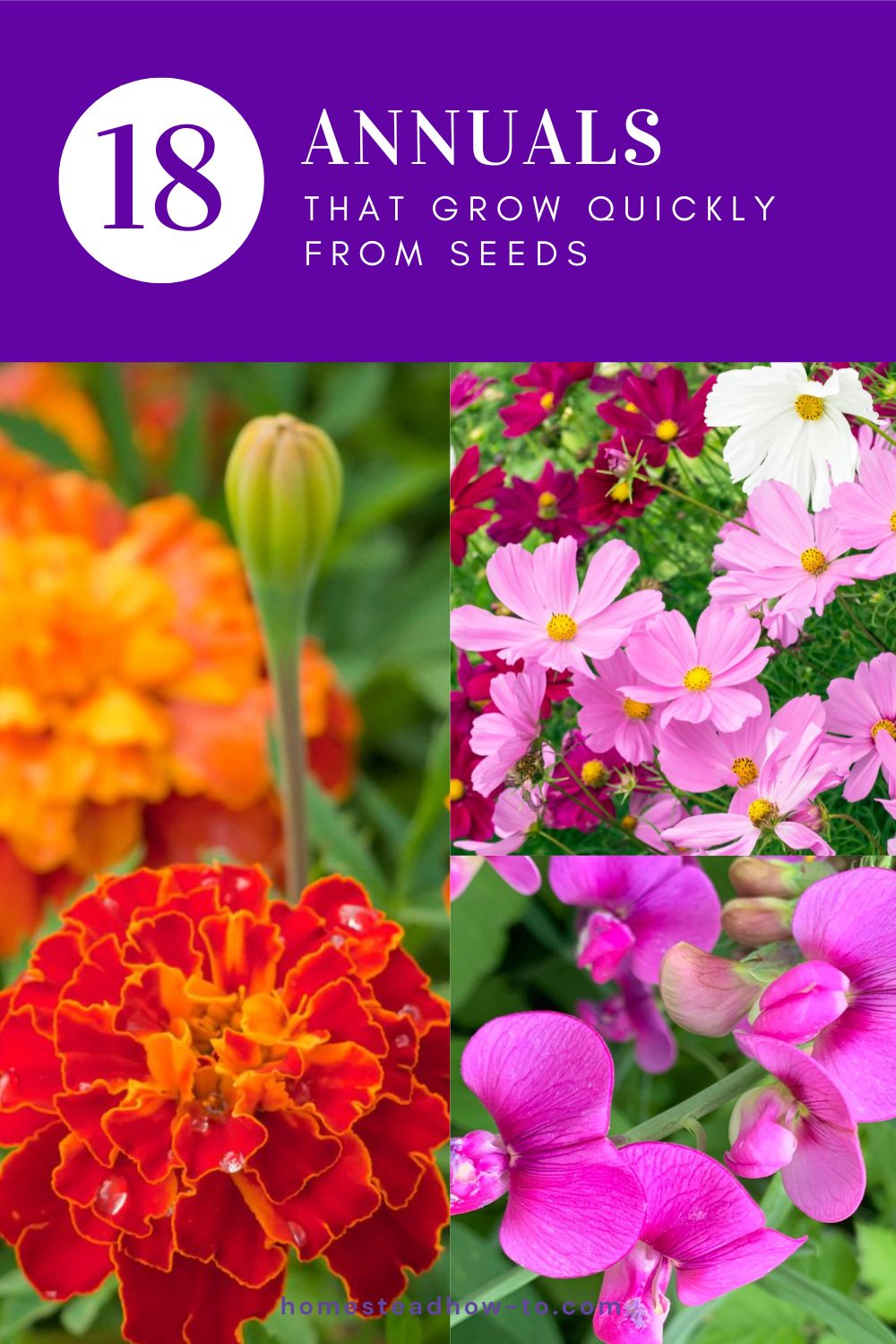
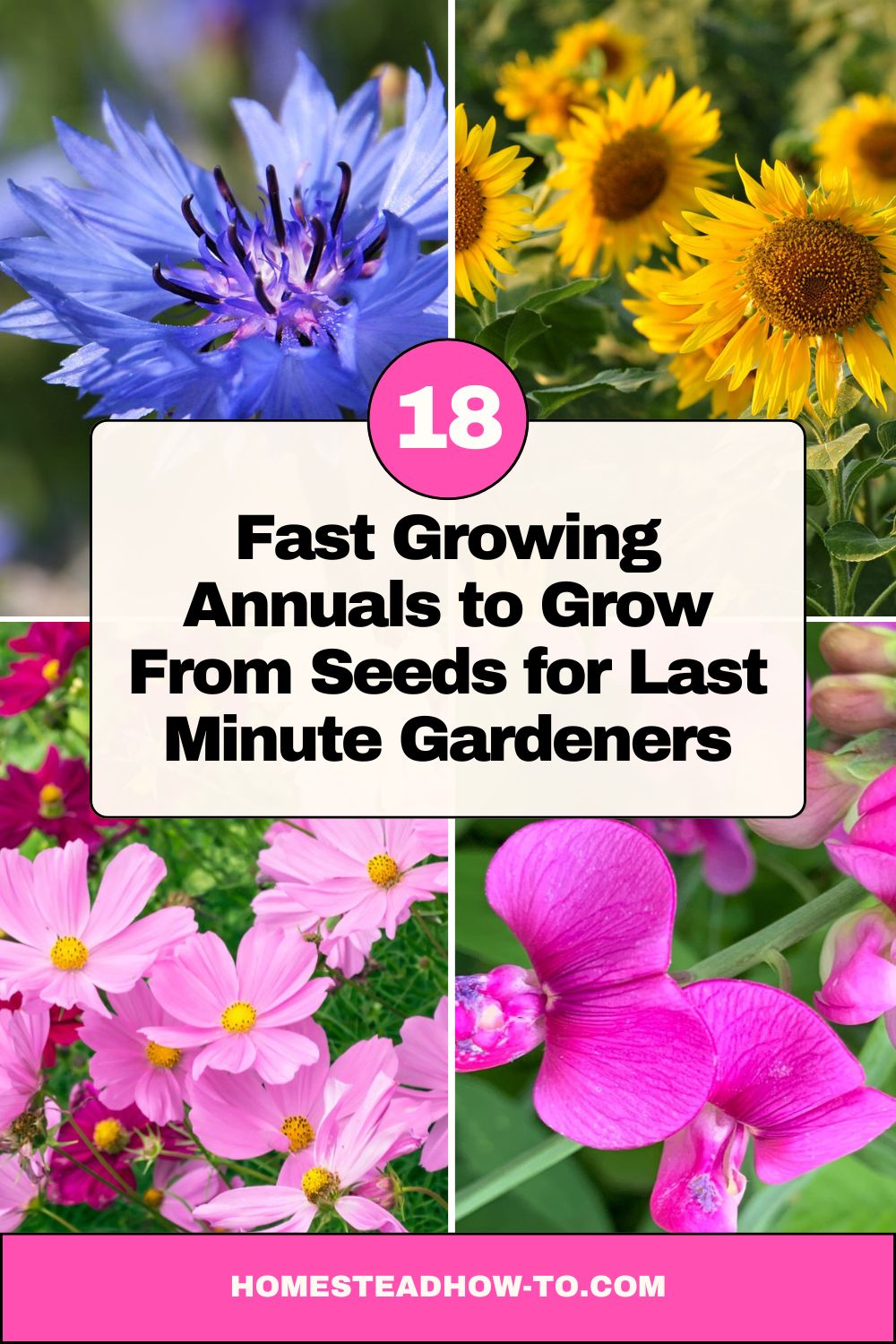
Zinnias, cosmos, marigolds, nasturtiums, sunflowers, and sweet alyssum are useful choices for a flower garden that grows from seed in a short time. Many sprout within days to two weeks under good conditions, while blooms often take several more weeks. Choose seeds that suit your local climate, sunlight, and growing season.
Across the United States, a packet of flower seeds can turn a bare garden bed into a colorful space without the cost of buying mature plants. In spring, gardeners in much of the country can sow hardy annuals and prepare for summer blooms. In warmer areas, the planting window may start earlier, while gardeners in colder regions may need to wait until frost danger has passed for heat-loving flowers.
The best fast growing annual flower seeds depend on what you want most. Some flowers sprout quickly, some grow tall in a hurry, and others begin blooming sooner than their neighbors. These are different milestones, so check both the days to germination and the expected time to bloom when choosing a seed packet.
This guide covers easy annual flowers, how long they usually take to grow, when to plant them, and how to help seedlings thrive. It also explains what to do when seeds fail to sprout or plants grow well but do not flower. The aim is simple: help you choose suitable seeds and get more color from the space and time you have.
What Are the Fastest Growing Annual Flowers From Seed?
The fastest useful annual flowers are those that sprout readily, grow well in your local conditions, and reach bloom without a long period of care. Zinnias, cosmos, marigolds, and nasturtiums are good starting points for a sunny bed. Sunflowers are another easy option when you want height and large blooms.
Annual flowers complete their life cycle in one growing season. They grow from seed, produce flowers, set seed, and then die. Some annuals bloom within a couple of months of sowing, although weather, variety, soil, and planting dates can change the timing.
The figures below are broad planning ranges, not guarantees. Seed packets may give different estimates for individual cultivars, so use the packet as your main guide when you buy seeds.
Source: storage.googleapis.com
For an easy first flower bed
Start with zinnias, cosmos, or marigolds in a sunny spot with well-drained soil.
For fast vertical growth
Try sunflowers or tall cosmos if the bed has enough space and sunlight.
For edges and containers
Look at sweet alyssum, compact zinnias, and dwarf marigolds.
For edible garden edges
Nasturtiums can add bright flowers and round leaves, but check the cultivar’s growth habit before planting.
Quick Germination Versus Quick Blooms
Germination is the point when a seed begins to sprout. Bloom time is the period from sowing until the first flowers open. A seed can sprout in five days and still need several more weeks to bloom.
For a garden that needs flowers soon, check the packet for days to maturity or days to flowering when that information is available. The number may be counted from sowing or from transplanting, depending on the seed supplier. Read the wording before comparing varieties.
Germination
Often takes several days to two weeks for common annual flowers when moisture and temperature are suitable.
Leaf and stem growth
Continues after the seedling emerges and depends on light, warmth, water, and growing space.
First flowers
May appear several weeks later, depending on the flower species, cultivar, and growing conditions.
10 Fast Growing Annual Flower Seeds to Try
These ten annual flowers offer a mix of bright blooms, varied heights, and different garden uses. Most prefer good light, but their soil, water, and temperature needs are not identical. Match each flower to your space instead of planting every type in the same way.
The timing ranges below are general estimates for planning. They can shift with the variety, climate, soil temperature, day length, and care.
Source: dance.thirteenmonths.co.uk
1. Zinnias
Zinnias are a strong choice for sunny beds, cutting gardens, and large pots. Many varieties germinate in roughly 5 to 10 days and begin flowering in about 6 to 10 weeks. Sow them outdoors after frost danger has passed, and give mature plants enough room for air to move between leaves. Avoid keeping the soil soggy.
2. Marigolds
Marigolds offer yellow, gold, and orange flowers in compact and taller forms. Seeds often sprout in about 4 to 10 days under suitable conditions. Many types bloom within roughly 6 to 10 weeks. They grow well in sunny spots and can suit borders, vegetable garden edges, and containers.
3. Cosmos
Cosmos grow quickly in warm weather and often produce airy foliage with simple, daisy-like flowers. Germination commonly takes around 7 to 14 days, while blooms may begin in about 7 to 10 weeks. These plants prefer full sun and soil that drains well. Too much rich fertilizer can encourage leaves at the expense of flowers.
4. Sunflowers
Sunflowers are easy to sow and can grow tall in a short time when warmth and light are suitable. Many seeds sprout in roughly 7 to 10 days, and some varieties flower in about 7 to 12 weeks. Dwarf types work well in smaller gardens, while tall types need more space and may need support in windy places.
5. Nasturtiums
Nasturtiums produce rounded leaves and bright flowers in warm shades. Germination often takes about 7 to 14 days, with blooms commonly appearing in around 6 to 10 weeks. Their trailing forms work well in hanging baskets and along raised-bed edges. Avoid overly rich soil, which can produce lots of leaves and fewer flowers.
6. Sweet Alyssum
Sweet alyssum forms a low mat of tiny flowers and can add a soft border around paths or containers. Seeds may sprout in roughly 5 to 10 days, although conditions affect the result. Many varieties can flower within about 6 to 8 weeks. Some types prefer cooler weather and may slow down during intense summer heat.
7. Calendula
Calendula, often called pot marigold, has cheerful yellow or orange blooms. Seeds often germinate in about 5 to 10 days, and flowers may appear in roughly 6 to 10 weeks. It usually performs well in cooler parts of the growing season and may struggle when heat becomes intense. Follow the packet for suitable planting dates.
8. Morning Glories
Morning glories are climbing annual vines with trumpet-shaped flowers. Seeds commonly take about 5 to 14 days to sprout, and blooms may appear in about 8 to 12 weeks. Some seeds have a hard coat, so follow the packet’s instructions for soaking or other preparation. Provide a sturdy trellis and avoid planting where a vigorous vine could crowd nearby plants.
9. Bachelor Buttons
Bachelor buttons, also known as cornflowers, offer blue, pink, purple, or white flowers. Seeds often germinate in about 7 to 14 days, and blooms may begin in roughly 8 to 12 weeks. They usually prefer full sun and soil that drains well. In many regions, they are useful for cooler-season sowing.
10. Annual Phlox
Annual phlox produces clusters of small flowers and can suit borders or containers. Depending on the variety, seeds may germinate in around 7 to 14 days, with flowering taking several additional weeks. Choose a cultivar suited to your climate and follow its sowing depth and spacing instructions, since varieties differ in growth habit.
Which Annual Flower Is Best for Your Garden?
The right seed depends on what you want to see first. For bold flowers and simple sowing, zinnias and marigolds are good options. For a tall display, choose sunflowers or cosmos. For a low border, sweet alyssum is worth considering, especially when the weather suits its variety.
Small garden
Use dwarf zinnias, compact marigolds, or low-growing sweet alyssum.
Cut flowers
Choose suitable zinnia, cosmos, and sunflower varieties, then sow enough plants to allow regular cutting.
Climbing space
Use morning glories only where a trellis or fence can support their growth.
Cooler weather
Consider calendula or bachelor buttons when local planting guidance supports them.
How Long Do Fast Growing Annual Flowers Take to Bloom?
Many common annual flowers begin blooming about 6 to 12 weeks after sowing, but the range varies by species and cultivar. Cool nights, poor light, crowded roots, and unsuitable planting dates can slow growth. Warm weather can speed up some heat-loving flowers, provided they still get enough water.
Use this comparison to narrow your choices. These are approximate ranges, not guaranteed flowering dates, and the packet for your chosen cultivar should take priority.
Source: www.pinterest.com
Zinnias
Often flower in about 6 to 10 weeks from sowing.
Marigolds
Often flower in about 6 to 10 weeks from sowing.
Cosmos
Often flower in about 7 to 10 weeks from sowing.
Sunflowers
Some varieties flower in about 7 to 12 weeks from sowing.
Nasturtiums
Often flower in about 6 to 10 weeks from sowing.
Sweet alyssum
Some varieties flower in about 6 to 8 weeks under suitable conditions.
How to Plan for Flowers by a Specific Date
If you want flowers for a family gathering, garden party, or outdoor event, work backward from the date. Start with the seed packet’s flowering estimate and add extra time for slow weather, uneven germination, or young plants that need to recover after transplanting.
For example, if a seed packet estimates 60 days from sowing to bloom and your event is ten weeks away, the schedule is tight rather than certain. Sow promptly when conditions are suitable, and consider buying a few established plants as a backup if the date matters.
Check the full timeline
Read whether the estimate begins at sowing or transplanting.
Use suitable temperatures
Do not sow heat-loving annuals into cold, wet soil just to start early.
Allow for local weather
A cool spring or a spell of extreme heat can change the expected bloom date.
When Should You Plant Annual Flower Seeds in the United States?
Planting time depends on your local frost dates, soil temperature, and the flower you choose. A calendar date that works in Georgia may be too early in Minnesota and too late for some cool-season flowers in Arizona. Use local climate guidance rather than following one national planting date.
Many warm-season annuals, including zinnias, marigolds, cosmos, and sunflowers, grow best when the soil has warmed and frost danger has passed. Cool-season flowers such as calendula and bachelor buttons may be sown earlier in suitable regions. Their best timing depends on local winter and summer conditions.
Source: flowerpatchfarmhouse.com
Northern states and colder inland areas
Wait until the local frost risk has passed before sowing frost-sensitive annuals outdoors. Start suitable seeds indoors if the packet recommends it and you can provide strong light.
Mid-Atlantic and central regions
Use local frost dates and soil conditions to time spring sowing. Warm-season flowers can often be sown after the last expected frost.
Southern states
Warm spring weather may arrive earlier, but intense summer heat can shorten the flowering period of some annuals. Check whether a flower is better suited to spring, summer, or fall.
Desert Southwest
Pay close attention to heat and soil moisture. Some annuals do best during cooler parts of the year rather than the hottest months.
Pacific Northwest
Cool, wet spring soil can delay heat-loving seeds. Wait for suitable soil conditions and choose varieties that fit the local growing season.
Direct Sowing or Starting Seeds Indoors
Direct sowing means placing seeds in their final outdoor growing spot. It is simple and works well for many annual flowers, including sunflowers, cosmos, nasturtiums, and zinnias. These plants avoid the root disturbance that can happen during transplanting.
Starting seeds indoors can give slow-growing plants more time before outdoor conditions become suitable. However, seedlings need enough light, suitable temperatures, and gradual adjustment to outdoor weather. Do not move tender seedlings straight from a sheltered room into full sun and strong wind.
Direct sow when
The species tolerates outdoor sowing and the soil and weather meet its needs.
Start indoors when
The packet recommends it or the local growing season is short enough to benefit from an early start.
Harden off seedlings
Gradually expose indoor-grown plants to outdoor conditions over several days to about two weeks, depending on their response and the weather.
How to Grow Annual Flowers From Seed Step by Step
A successful flower bed begins with the right spot and a simple sowing plan. Most of the sunny annuals in this guide need several hours of direct sunlight each day and soil that drains well. Read the seed packet before you begin, because sowing depth, spacing, and temperature vary between flowers.
You do not need a large yard or costly tools. A hand trowel, watering can with a gentle rose, small labels, and a rake are enough for many home gardens. A container gardener can use pots with drainage holes and a suitable potting mix.
Source: storage.googleapis.com
Step 1: Pick a suitable site
Choose a spot with enough light for your selected flowers. Watch the area at different times of day so nearby trees or fences do not cast more shade than expected.
Step 2: Prepare the soil
Remove weeds and large stones, then loosen the top layer of soil. Add organic matter if the soil needs improvement, but avoid creating a rich, soggy bed that holds excess water.
Step 3: Read the seed packet
Check planting time, seed depth, spacing, germination range, and whether the seed needs light to germinate. Do not assume every seed should be covered with the same amount of soil.
Step 4: Sow the seeds
Plant seeds at the recommended depth and spacing. Tiny seeds may need little or no covering, while larger seeds are often planted deeper. Mark each row or patch so you know what to expect.
Step 5: Water gently
Moisten the soil after sowing without washing seeds away. Keep the seed zone evenly moist while the seeds germinate, but do not leave it waterlogged.
Step 6: Thin crowded seedlings
Once seedlings emerge and can be handled safely, remove or transplant extras as the packet directs. Proper spacing gives leaves room to dry and roots room to grow.
Step 7: Maintain steady care
Check soil moisture, remove competing weeds, and water deeply when the plants need it. Apply fertilizer only when it suits the soil and flower type.
Step 8: Support flowering
Remove spent flowers from types that respond well to deadheading. Add stakes or a suitable support for tall plants that lean or face strong wind.
How to Tell Whether Seeds Are Growing Well
Healthy seedlings usually have firm stems and leaves that look normal for their species. New growth should appear as the plant settles in, though the rate varies with light and temperature. A few uneven seedlings do not mean the whole sowing has failed.
Keep an eye on the soil as well as the leaves. Soil that stays soaked may cause seed rot or root trouble, while very dry soil can stop germination. Make small changes based on what you see instead of adding more water or fertilizer by habit.
Good signs
Seedlings emerge within the expected window, stems stay upright, and new leaves develop.
Possible warning signs
Seedlings collapse at the soil line, leaves turn pale, or growth stops despite suitable light and moisture.
Useful next step
Check the packet, soil moisture, light, and temperature before changing several care steps at once.
How Much Sun, Water, and Soil Do Annual Flowers Need?
Sunlight, moisture, and soil drainage have a direct effect on how quickly annual flowers grow. A seed may sprout successfully but remain weak if the young plant does not get enough light. Likewise, a sunny bed can still fail when water collects around the roots.
Many popular annuals grow best in full sun, often described as at least six hours of direct sunlight per day. A few can tolerate partial shade, but shade may reduce flower production or make tall stems lean toward the light. Check the needs of the exact species and variety.
Source: storage.googleapis.com
Sunlight
Choose a location that meets the plant’s light needs. Indoor seedlings usually need a bright grow light or a very bright window, and window light may not be enough for sturdy growth.
Water
Keep the seedbed moist during germination. After plants establish, water according to soil dryness, weather, and root depth rather than using a fixed schedule for every garden.
Soil
Aim for soil that holds enough moisture for roots but drains excess water. Containers should have drainage holes, and garden beds should not remain flooded after rain.
Fertilizer
Use soil test results or the seed packet to guide feeding. Excess nitrogen can lead to leafy growth with fewer flowers in some annuals.
Spacing
Follow the mature spacing listed on the packet. Crowded plants compete for light, water, and nutrients and may have more problems with poor air movement.
Can Fast Growing Annual Flowers Grow in Pots?
Yes, many annual flowers grow well in containers, including dwarf zinnias, marigolds, sweet alyssum, and compact nasturtiums. Choose a pot large enough for the mature plant and its roots, and make sure excess water can drain out. A pot that is too small dries out quickly and can limit growth.
Use a potting mix made for containers rather than heavy garden soil. Place the pot where the plant receives the light it needs, and check moisture more often during hot or windy weather. Containers may need water more often than garden beds because they hold less soil.
For a window box
Try sweet alyssum or compact marigolds suited to the box’s depth and exposure.
For a sunny patio
Choose dwarf zinnias or marigolds and leave room for mature plants to spread.
For a hanging basket
Look for trailing nasturtiums or other cultivars specifically suited to hanging containers.
Why Are Your Flower Seeds Not Sprouting?
When flower seeds fail to sprout, check moisture, temperature, planting depth, and seed age first. These are common causes, and fixing the right one is more useful than watering more or sowing extra seed straight away. Different flower types need different conditions, so compare what you see with the packet instructions.
Do not assume that every bare patch means the seeds are dead. Some varieties take longer than others, and cool soil can slow germination. Give the seedbed the expected time unless it becomes too wet, dries out, or develops another clear problem.
Source: ar.inspiredpencil.com
The soil is too dry
Seeds need moisture to begin germination. Water gently and keep the seed zone moist without washing away seeds or leaving standing water.
The soil is too cold
Warm-season seeds may remain inactive or sprout slowly in cold soil. Wait for suitable conditions rather than forcing an early outdoor sowing.
Seeds were planted too deeply
Small seeds may lack enough stored energy to reach the surface when buried too far. Follow the recommended depth and avoid covering tiny seeds with a thick layer of soil.
Seeds were washed away
Heavy watering or rain can move seeds out of place. Use a gentle spray and protect freshly sown beds from runoff.
Seeds are old or poorly stored
Germination rates can decline with age and unsuitable storage. If conditions are correct but nothing appears, test a small batch indoors or use fresh seed.
Seedlings emerged and then collapsed
Overly wet soil, poor air movement, or seedling disease may be involved. Remove affected seedlings, improve drainage, and clean reusable seed trays before starting again.
Why Are the Plants Growing but Not Flowering?
A healthy-looking annual may produce leaves for weeks before its first flower opens. Too little light, excessive nitrogen, crowding, or a variety with a longer flowering period can delay blooms. Check these factors before assuming the seed packet was wrong.
Heat can also affect flowering. Some cool-season annuals slow down or decline during hot weather, while other types thrive in summer heat. If the plants are mature but have few buds, confirm that the variety and planting season suit your local conditions.
Check the light
Move container plants to a brighter suitable site if they are not getting enough sun.
Review feeding
Avoid adding more high-nitrogen fertilizer when plants already have plenty of leaves.
Allow enough time
Compare the plant’s age with the expected flowering range for the cultivar.
Check heat and water stress
Keep moisture steady and confirm that the flower is suited to the current season.
Common Mistakes That Slow Down Annual Flowers
A few small mistakes can add weeks to a flower bed’s growing time. Many problems begin before the seeds sprout, when the weather is unsuitable or the seedbed is prepared poorly. Others appear later, when young plants compete for light or receive more water and fertilizer than they need.
The goal is not to push every flower to grow as fast as possible. It is to provide the conditions that let each type grow at a steady pace and bloom when the season allows.
Source: homesteadhow-to.com
Sowing before the soil is ready
Cold, wet soil can delay warm-season seeds and raise the risk of rot. Use soil conditions and local frost guidance to decide when to sow.
Planting every seed at the same depth
Seed size and germination needs differ. Check the packet rather than using one depth for zinnias, tiny alyssum seeds, and large sunflower seeds.
Watering too heavily
A soaked seedbed can reduce oxygen around seeds and roots. Keep soil moist, not flooded, and improve drainage where needed.
Leaving seedlings crowded
Crowded plants compete for resources and may become weak or prone to leaf disease. Thin them according to the packet instructions.
Using too much fertilizer
Extra fertilizer does not always mean faster flowers. Too much nitrogen can encourage leafy growth and may harm seedlings if applied at an excessive rate.
Choosing the wrong variety
A tall sunflower may overwhelm a small pot, and a cool-season annual may struggle in midsummer heat. Choose a variety suited to the site and planting season.
A Simple Weekly Flower Garden Check
A short weekly check can help you catch trouble before it spreads. Look at the soil, new leaves, stem strength, and space between plants. Water when needed, pull small weeds, and note whether growth matches the packet’s general timeline.
Soil check
Feel the soil near the root zone to judge whether it needs water.
Leaf check
Look for pale leaves, chewing damage, spots, or unusual wilting.
Space check
Thin crowded seedlings and remove weeds that compete with young plants.
Flower check
Remove spent blooms where this encourages continued flowering, and support tall stems if needed.
How to Choose Affordable Flower Seeds
A low-cost packet can provide plenty of seeds, but the cheapest option is not always the best fit for your garden. Consider how many plants you need, how much room they will take, and whether the variety suits your climate. A packet with clear sowing instructions and a named cultivar can make planning easier.
Seed prices and packet sizes change by seller and season, so compare the actual packets rather than relying on a fixed price estimate. Check the packed-for or sell-by information where supplied, along with storage advice and the number of seeds you expect to use.
Source: homesteadhow-to.com
Choose varieties with a clear purpose
Pick flowers for borders, containers, cutting, climbing, or height instead of buying many packets that serve the same role.
Check mature size
A large packet of tall plants may not save money if most seeds cannot fit in the available space.
Read the growing details
Look for planting depth, spacing, sunlight, expected germination, and flowering information.
Store unused seeds properly
Keep packets dry, cool, and protected from heat. Label saved packets with the variety and date so you can judge their age later.
How Many Seeds Should You Plant?
The right number depends on the area, the mature plant size, and the expected germination rate. For a small bed, it is often easier to sow a few extra seeds and thin the seedlings than to place every seed far apart and end up with gaps.
For example, a hypothetical bed that is 4 feet long and 2 feet wide has 8 square feet of planting area. If a flower variety needs about 1 square foot per mature plant, the bed can hold roughly eight plants before allowing for paths, edge spacing, or mixed planting. Follow the packet’s mature spacing rather than treating this example as a universal rule.
For small beds
Use a simple layout and count plants based on their expected mature width.
For mixed flower patches
Combine plants of different heights and leave enough room for each to grow.
For repeated sowing
Plant small batches at intervals when the species and remaining growing season allow it. This can spread bloom time rather than producing every flower at once.
Next-Question Gap Map for Gardeners
After choosing seeds, the next useful questions concern planting dates, germination problems, container growing, and the time needed for blooms. These are practical needs inferred from the steps in this guide, not verified search-volume findings. No live search-question dataset or competing-page audit is claimed here.
The answers below address these needs in the article so readers can move from choosing a seed to growing flowers. The exact advice still depends on the variety and local growing conditions.
When should I sow annual flower seeds in my state?
Reader stage: before planting. Basis: inferred next need. Coverage: addressed through local frost dates, soil warmth, and regional differences. Benefit: reduces the chance of sowing heat-loving seeds too early.
Why have my flower seeds not sprouted?
Reader stage: after sowing. Basis: inferred next need. Coverage: addressed through checks for moisture, temperature, depth, seed condition, and drainage. Benefit: helps identify likely causes before starting over.
Which annual flowers grow well in pots?
Reader stage: choosing a planting site. Basis: inferred next need. Coverage: addressed through compact varieties, drainage, potting mix, and watering. Benefit: helps gardeners with patios or limited space.
How can I get flowers before a special event?
Reader stage: planning. Basis: inferred next need. Coverage: addressed through flowering estimates, backward planning, and a backup option. Benefit: sets realistic expectations about timing.
Why are my annual flowers growing leaves but no buds?
Reader stage: plant care. Basis: inferred next need. Coverage: addressed through light, nitrogen, weather, and variety maturity. Benefit: gives the gardener a sensible troubleshooting order.
What This Guide Does Not Claim
The growth and flowering ranges in this article are general gardening estimates. They are not the results of a controlled seed trial, and they should not replace the instructions for a particular variety. A true comparison of germination rates would require a defined set of seeds, repeatable growing conditions, recorded observations, and a clear method.
This guide also does not claim that any flower is the fastest in every part of the United States. Climate, planting season, and cultivar can change the result. When exact timing matters, use the packet’s stated conditions and local extension guidance.
Evidence status
The advice is a general synthesis of common annual flower growing practices, not a claim of first-hand testing.
Timing limits
Estimated germination and bloom ranges can vary with seed quality, temperature, moisture, and light.
Best next step
Choose two or three suitable varieties, follow their packet instructions, and record sowing and bloom dates in your garden notes.
Frequently Asked Questions
Q
What annual flowers grow the fastest from seed?
Zinnias, marigolds, cosmos, nasturtiums, and sweet alyssum are useful options for gardeners who want flowers without a long wait. Many sprout within about one to two weeks under suitable conditions. First blooms usually take several more weeks, and the exact timing depends on the variety and weather.
Q
Which flower seeds bloom in 30 days?
Some fast-growing flowers may begin producing buds within a month under favorable conditions, but reliable flowering within 30 days of sowing is not a safe assumption for most common annuals. If you need flowers that soon, consider established plants or select a variety whose packet gives a suitable flowering estimate. Check whether the estimate starts at sowing or transplanting.
Q
Can I scatter flower seeds directly on the ground?
Some annual flower seeds can be scattered or lightly pressed into prepared soil, but scattering alone may lead to uneven growth. Remove weeds, loosen the soil surface, and follow the packet’s depth instructions. Very small seeds may need light to germinate, while larger seeds often need to be covered.
Q
Do annual flower seeds need full sun?
Many popular annuals, including zinnias, marigolds, cosmos, and sunflowers, grow best in full sun. Other flowers may tolerate partial shade, although fewer flowers or weaker stems can result when light is limited. Check the requirements for the exact variety before choosing a site.
Q
Can I plant fast growing annual flower seeds in fall?
Yes, in some regions and for suitable species. Calendula and bachelor buttons may fit fall sowing in certain climates, while frost-sensitive annuals may fail if cold weather arrives before they mature. In warm regions, fall can also offer a better growing window than the hottest part of summer. Check local planting dates and the seed packet.
Q
How often should I water newly planted flower seeds?
Keep the seed zone evenly moist until germination, but do not leave it saturated. The frequency depends on temperature, wind, soil type, rainfall, and whether the seeds are in a pot or garden bed. Check the soil surface and the layer just below it, then water gently when needed.
Q
Can annual flowers bloom all summer?
Some annuals can flower over a long stretch of the growing season when conditions suit them. Zinnias and marigolds may continue producing blooms with adequate sun, water, and suitable care. Removing spent flowers can help some varieties keep flowering, although heat, frost, drought, and the plant’s natural life cycle still affect bloom time.
✦ Wrapping Up
Conclusion
Fast growing annual flower seeds make it easier to add color to a garden without buying large, mature plants. Zinnias, marigolds, cosmos, sunflowers, nasturtiums, and sweet alyssum offer useful options for sunny beds and containers. Their speed varies, so check the flowering estimate and growing needs of each variety before planting.
The best results come from matching the seed to the season, preparing the soil, sowing at the right depth, and keeping moisture steady. Give seedlings enough light and space, and avoid trying to force growth with excess water or fertilizer. A little planning can help turn a bare patch of soil into a bed full of flowers.
💡 Key Takeaway
Choose two or three annual flowers that suit your sunlight and local planting dates. Read the seed packets, prepare a well-drained bed or container, sow at the recommended depth, and record the date. Check moisture regularly and give the seedlings time to grow before judging their progress.