
5 Copper Garden Secrets
I’ve been gardening for years, and I just discovered the magic of copper. It’s more than just shiny decor. It actually helps my plants grow better.
Seriously, a little bit of copper makes a big difference. Get ready to boost your garden. You won’t believe what copper can do!
What is Copper Gardening?
Copper gardening is all about strategically using copper in your garden. This isn’t just for looks. Copper is a trace nutrient.
Plants need it to thrive. Too little, and they get sick. Too much, and it can be harmful.
I found that adding small amounts of copper really improved my soil. My tomatoes got bigger. My flowers bloomed longer.
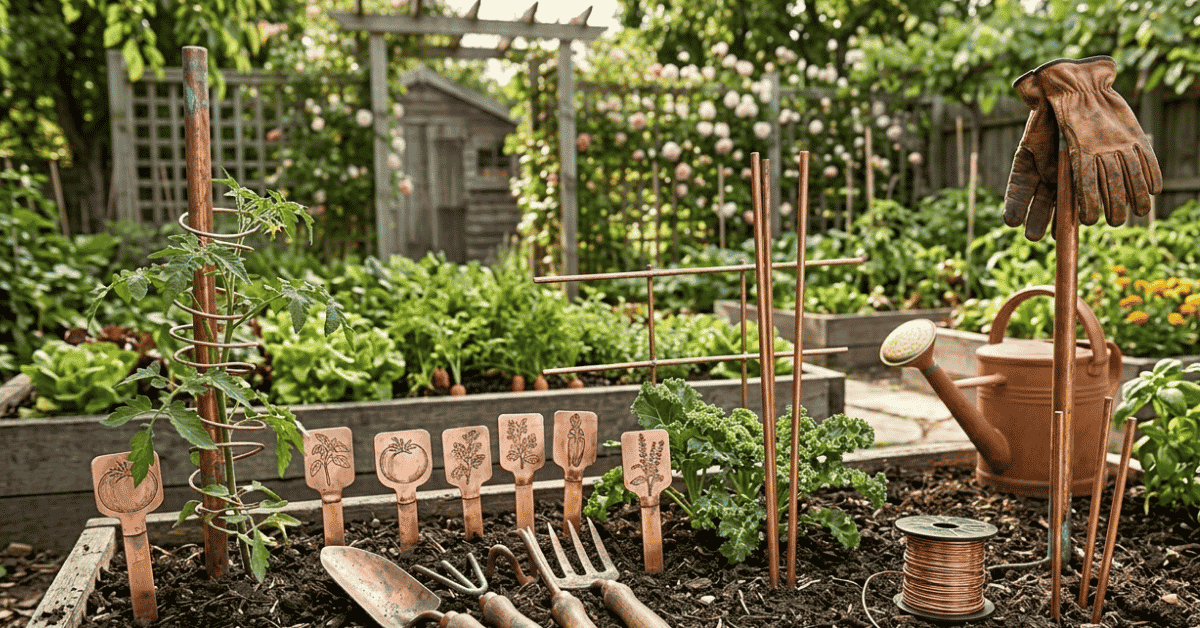
It’s a smart way to give your plants a health boost. I use copper wire around my beds. I also have copper stakes for my taller plants.
It makes a difference you can see.
Why Copper is a Garden Essential
Plants need copper to survive. It’s true. It helps them make chlorophyll.
That’s the green stuff in leaves. Chlorophyll helps plants make food from sunlight. Copper also helps plants use other nutrients.
Things like iron and phosphorus. Without enough copper, plants struggle. Their leaves might turn yellow.
They won’t grow as tall. They get sick easier. I noticed my bean plants were weak last year.
They weren’t producing much. I added some copper micronutrient to the soil. Within weeks, they perked up.
They started flowering and producing beans. It was amazing to witness. It’s a tiny nutrient, but it has a huge impact.
Copper Deficiency Signs in Plants
Spotting a copper deficiency is key. I learned to look for specific signs. The most common is yellowing leaves.
This often starts at the tips. It can spread inward. The leaves might also look oddly shaped.
They could be twisted or curled. Young leaves are often the first to show problems. They might not unfurl properly.
Stunted growth is another big clue. If your plants aren’t growing like they should, check for copper issues. Sometimes, plants might just look generally unhealthy.
They’re a dull color. They don’t have that vibrant green I love. If your plants are showing these signs, copper might be the missing piece.
It’s not always obvious, but once you know what to look for, it clicks.
Best Ways to Add Copper to Your Garden
Adding copper doesn’t have to be hard. I’ve tried a few methods. Some are simple.
Others require a bit more thought. The key is to use it carefully. You don’t want to overdo it.
Plants need a little. They don’t need a lot. Finding that balance is important.
I’ve learned a lot through trial and error. My garden is a testing ground, really. But that’s part of the fun.
Seeing what works best is rewarding.
Copper Wire for Pest Deterrence
This is one of my favorite uses. I wrap copper wire around the base of vulnerable plants. Think seedlings or prize-winning roses.
Slugs and snails hate crawling over copper. It’s like a barrier they won’t cross. I remember struggling with slugs eating my hostas for years.
Then I tried wrapping copper tape around their pots. They just stopped coming. It was pure relief.
No more slimy trails. No more eaten leaves. It’s a simple, non-toxic way to protect your plants.
I just use regular copper wire. I shape it into a small ring. It fits snugly around the stem.
It works like a charm. It’s a small effort for a big win.
Copper Stakes and Plant Supports
For bigger plants, copper stakes are great. Tomatoes, peppers, and even some flowers need support. I use copper stakes to hold them up.
They’re sturdy. They don’t rot like wood. Plus, they add a touch of elegance.
My garden looks a bit more polished with them. I’ve also seen copper trellises. They look beautiful.
They support climbing plants like peas or beans. The copper itself might also release a tiny bit of nutrient over time. It’s a slow release, which is good.
It helps prevent an overload. It’s a dual benefit: support and a gentle nutrient boost. They really elevate the look of my garden beds.
Copper Micronutrient Fertilizers
Sometimes, you need a more direct approach. That’s where copper fertilizers come in. These are specifically formulated for plant nutrition.
They provide a measured dose of copper. It’s usually in a form plants can easily absorb. These often come as liquids or granules.
You mix them with water. Then you apply them to the soil. Or you can spray them on the leaves.
I use a liquid copper fungicide sometimes. It helps with certain plant diseases, too. Always follow the package directions.
Too much can harm your soil. I’ve learned not to guess with these. I measure carefully.
It’s better to start with a weaker solution. You can always add more if needed. This approach directly addresses deficiencies.
It’s very effective for serious issues.
Copper Pots and Planters
I love my copper pots. They’re beautiful. The copper can add trace amounts of nutrients to the soil over long periods.
As the copper weathers, it can leach slightly. This adds a very small amount of copper to the soil. It’s not a primary source of nutrients.
But it does contribute. Plus, copper pots look so good. They develop a lovely green patina over time.
It adds character. Using copper pots is a stylish way to subtly boost your plants. It’s a passive approach.
You get beauty and a tiny benefit. I have a few small copper planters on my patio. They hold herbs.
The herbs seem to do well. It’s a lovely addition.
Comparing Copper Garden Products
When I started looking into copper gardening, I was amazed by the options. It’s not just one thing. There are different ways to bring copper into your garden.
Each has its own use and benefit. I made a little chart to help me decide what to use when. It breaks down the main types.
| Product Type | Primary Use | Nutrient Release | Ease of Use | Aesthetics |
|---|---|---|---|---|
| Copper Wire | Pest deterrence (slugs, snails) | Minimal | Very Easy | Functional |
| Copper Stakes/Supports | Plant support, structure | Slow, minimal | Easy | Attractive |
| Micronutrient Fertilizers | Direct nutrient correction | Controlled | Moderate | None (applied) |
| Copper Pots/Planters | Decorative, container gardening | Very slow, minimal | Easy | Highly Aesthetic |
This table helped me visualize the differences. For pest control, copper wire is the winner. For plant support, stakes are best.
If you have a known deficiency, a fertilizer is the way to go. And for beauty, well, copper pots are hard to beat. It’s about choosing the right tool for the job.
The Potential Downsides of Copper Gardening
Now, I don’t want to oversell copper. Like I said, it’s a tricky nutrient. Too much can cause problems for your plants.
And even for you. It’s important to be aware of the risks. I’ve had a few gardening oops moments.
This is one area where caution is really needed.
Soil Contamination Risks
The biggest concern is copper buildup in the soil. If you add too much, especially from fertilizers, it can become toxic. This is especially true for certain plants.
Some are more sensitive to copper than others. If the soil has too much copper, it can actually block other nutrients from being absorbed. It can stunt growth even more.
It can kill beneficial microbes in the soil. I learned this the hard way with some sensitive herbs. They just withered away.
You have to be very careful with measurements. Less is often more. For any soil amendment, I always start small.
I test the results. I don’t just dump it in.
Environmental Impact
Copper can be a problem for the environment too. If it washes off your garden into waterways, it can harm aquatic life. Fish and other water creatures are very sensitive to copper.
That’s another reason to use it wisely. Avoid over-applying it. Make sure your garden beds are contained.
Don’t let excess fertilizer run off. Using copper wire or stakes is much safer. They don’t tend to release much into the environment.
It’s about responsible gardening. We want our gardens to thrive. But we also want to protect the wider ecosystem.
Cost and Availability
Copper can also be more expensive than other garden materials. Good quality copper stakes or planters can be a significant investment. Micronutrient fertilizers also cost money.
And you need to buy them regularly if you have a recurring issue. It’s something to consider if you’re on a tight budget. Cheaper alternatives might work for some things.
But for nutrient correction, the specific form of copper matters. So, while it’s effective, it might not be the cheapest option upfront. I think it’s worth it for specific problems, though.
I’ve learned that copper gardening is a balancing act. It’s about understanding the benefits and the risks. When used correctly, it’s a fantastic tool.
It can make your plants healthier and your garden more beautiful. But always remember to use it with care and respect. Your plants will thank you for it.
And so will the environment. Thinking about these things helps me make better choices for my garden. It gives me a real edge.
Frequently Asked Questions about Copper Gardening
Is copper safe for organic gardening?
Yes, many forms of copper are approved for organic gardens. Always check labels for certification. Learn more about organic practices.
How often should I add copper to my soil?
Only add copper if your plants show deficiency signs or if a soil test indicates a need. Over-application harms plants. Learn more about soil testing.
Can copper foil help deter garden pests?
Yes, copper foil or tape is excellent for deterring slugs and snails from climbing pots and beds. It’s a natural barrier. Learn more about natural pest control.
What plants benefit most from copper?
Most plants need copper, but tomatoes, citrus, and leafy greens often show the most improvement. They need balanced nutrition. Learn more about specific plant needs.
Are copper planters good for plant health?
Copper planters can slowly release trace amounts of copper. This might offer a minor nutritional benefit over time. They’re beautiful containers.
Learn more about container gardening benefits.