
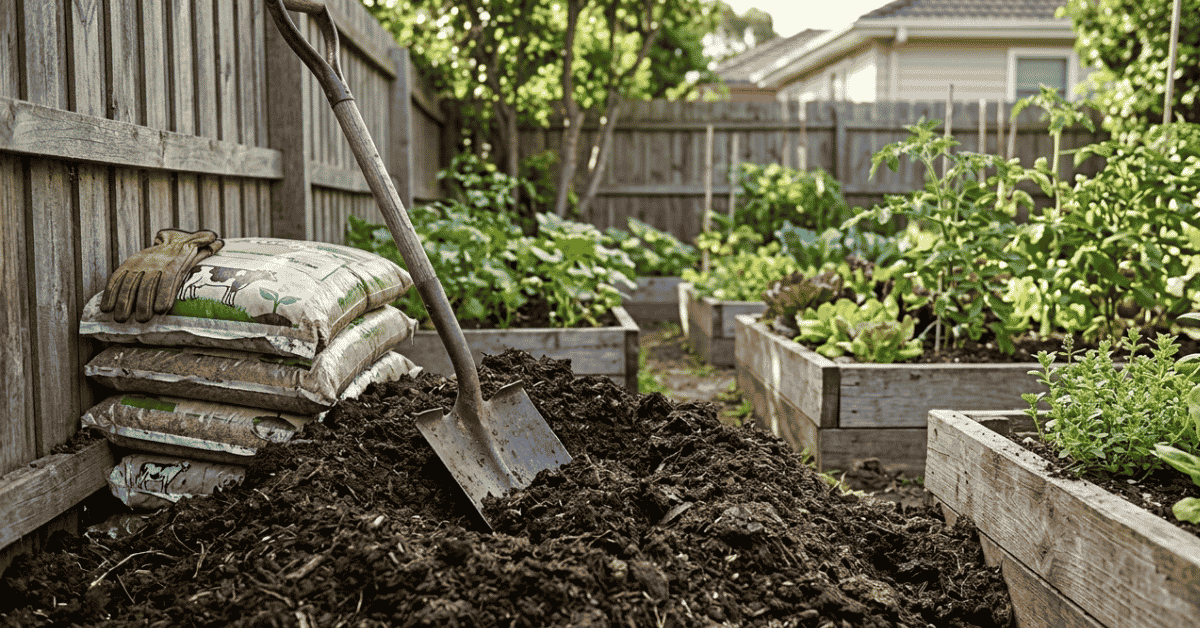
Cow Manure’s Garden Magic
I’ve always loved getting my hands dirty in the garden. There’s something incredibly satisfying about nurturing a tiny seed into a thriving plant. For years, I experimented with all sorts of things to give my plants a boost.
Then, a seasoned gardener friend told me about using cow manure. Honestly, I was a bit skeptical at first. Manure?
It seemed a bit… rustic, for my carefully curated raised beds. But I decided to give it a try. That was over a decade ago, and I haven’t looked back since.
Cow manure has become my secret weapon for seriously healthy, productive gardens. Let me tell you, the difference is amazing.
Why Is Cow Manure So Good for Gardening?
For me, the answer is simple: cow manure is like a superfood for soil. It’s packed with all the good stuff plants need. Think of it as a slow-release meal that keeps feeding your garden for ages.
I’ve seen my tomatoes get bigger, my peppers spicier, and my flowers more vibrant. It’s not just about feeding plants; it’s about making the soil itself better. My soil used to be pretty compacted and clay-heavy.
After adding composted cow manure for a few seasons, it’s now light, crumbly, and drains wonderfully. This improvement in soil structure means roots can spread easily, and water and air can reach them better. That’s a win-win for plants.
The Nutritional Powerhouse
Cow manure is rich in essential nutrients. Nitrogen, phosphorus, and potassium are the big three for plant growth. Manure delivers these naturally.
It also contains a host of micronutrients that smaller amounts of synthetic fertilizers might miss. These include calcium, magnesium, and sulfur. These are vital for strong plant cells, disease resistance, and overall plant health.
I’ve noticed fewer yellowing leaves and a general hardiness in my plants since I started using it. It’s like giving them a complete vitamin supplement.
Boosting Soil Structure
This is one of my favorite benefits. Cow manure, especially when well-composted, adds organic matter to the soil. This breaks up heavy clay soils, making them more workable and less prone to waterlogging.
For sandy soils, it acts like a sponge, helping them retain moisture and nutrients. When I first started gardening in my current spot, the soil was so dense. It felt like digging into concrete!
Adding composted manure transformed it. Now, when I dig, the soil crumbles in my hands. This improved aeration also helps beneficial microbes thrive.
Encouraging Beneficial Microbes
Healthy soil is alive! It’s teeming with earthworms, fungi, and bacteria that work to break down organic matter and make nutrients available to plants. Cow manure is a fantastic food source for these tiny helpers.
As they munch away, they create a healthier ecosystem in your soil. I’ve seen more earthworms in my garden beds since I started using manure. That’s always a good sign!
These worms help with aeration and drainage, creating a virtuous cycle of soil improvement.
pH Balance
Cow manure tends to have a neutral pH, usually between 6.5 and 7.5. This is ideal for most garden plants, which prefer slightly acidic to neutral soil. While fresh manure can be too acidic or alkaline and burn plants, properly composted manure helps buffer soil pH.
This means it can help correct soils that are too acidic or too alkaline. My garden is generally happy with most plants, and I think the manure plays a big role in keeping the pH just right without me having to constantly test it.
Using Cow Manure Safely and Effectively
Now, this is crucial. You can’t just slop fresh cow manure directly onto your plants and expect good things. Trust me, I learned that the hard way once with a patch of very unhappy zucchini.
The key is composting or aging it properly.
Composting is Key
Composting breaks down the manure, killing weed seeds and pathogens. It also reduces the strong ammonia smell and makes the nutrients more plant-available. My compost pile is a mix of kitchen scraps, yard waste, and, of course, well-aged cow manure.
I aim for a good balance of “greens” (nitrogen-rich, like manure) and “browns” (carbon-rich, like leaves and straw). Turning the pile regularly helps it heat up and break down faster. Composted manure is dark, crumbly, and smells earthy, not rank.
The Aging Process
If you don’t have a compost pile, you can let the manure age. Simply pile it up and let it sit for at least six months to a year. Turning it occasionally helps speed decomposition.
During this time, the volatile compounds dissipate, and it becomes safe to use. I usually buy my manure from a local farm, and they often sell it already aged or partially composted. That’s a great shortcut!
How Much to Use
This is where experience comes in. For most garden beds, I mix a generous layer of composted cow manure into the top 6-8 inches of soil in the spring. I aim for about 1-2 inches of composted manure spread over the surface before digging it in.
For established plants, especially heavy feeders like tomatoes or corn, I’ll top-dress around the base of the plants with a few inches of composted manure once or twice during the growing season. I’m careful not to let it touch the plant stems directly.
When NOT to Use Fresh Manure
Never, ever use fresh, uncomposted cow manure directly on your garden plants. It’s too potent. The high nitrogen content will burn your plants’ roots, and it can contain weed seeds and harmful bacteria.
It’s tempting because it’s readily available sometimes, but the risk isn’t worth it. If you have access to it, compost it first.
Here’s a quick look at what to expect when using different types of manure for your garden:
| Manure Type | Best Use | Considerations |
|---|---|---|
| Composted Cow Manure | General soil amendment, all plants | Ready to use, nutrient-rich, improves soil structure. |
| Aged Cow Manure | Soil amendment before planting, slow release | Needs at least 6-12 months aging, less potent than fresh, still beneficial. |
| Fresh Cow Manure | Composting only | High risk of burning plants, contains weed seeds and pathogens; avoid direct use. |
Beyond Straight Manure: Manure Teas and Mulches
Cow manure isn’t just for digging into the soil. I’ve discovered a couple of other handy ways to use it.
Manure Tea for a Quick Boost
This is a fantastic way to give plants a liquid nutrient boost. It’s super simple. I take a big shovel-full of my composted cow manure and put it into a burlap sack or old pillowcase.
Then, I tie it shut and soak it in a large bucket of water for a day or two. Stirring it occasionally helps. The water turns a lovely tea color.
I then dilute this “tea” with more water until it looks like weak tea (about 1:10 ratio). I use this to water my plants, especially during flowering or fruiting. It’s like an instant energy drink for them.
I’ve found it especially helpful for my cucumber plants when they start to slow down production.
As a Mulch Layer
Once I’ve used my composted manure in the beds, I sometimes have a little left over. I’ll spread a thin layer of it on top of my existing mulch (usually wood chips or straw) in the late fall. As winter rains and snow work their way down, the manure slowly breaks down and enriches the top layer of soil.
It’s a passive way to keep feeding the soil over the dormant months. It also adds a nice dark color to the garden bed, which I like visually.
Potential Downsides and How to Avoid Them
While I’m a huge fan, it’s fair to talk about the cons.
The “Smell” Factor
Okay, let’s be honest. Even composted manure can have an odor. It’s usually earthy, but sometimes it can be a bit more… intense.
This is especially true if your compost pile isn’t getting enough air. Making sure your compost pile is well-aerated and has a good mix of browns and greens helps manage the smell. If you’re adding it to beds near your house, you might notice it a bit more after rain.
Weed Seeds
If the manure isn’t fully composted or comes from animals that ate a lot of weed seeds, you can introduce unwanted guests to your garden. This is why buying from reputable sources or having good composting practices is key. My compost pile heats up enough to kill most weed seeds, which gives me peace of mind.
If I do see a rogue weed pop up from manure, I just pull it early.
Over-Application Risks
While cow manure is gentler than some other types of manure, over-applying even composted versions can still lead to issues. Too much organic matter can tie up nitrogen as it decomposes, temporarily starving plants. It can also lead to overly lush, leafy growth at the expense of flowers or fruit if the nitrogen is too high.
My rule of thumb is to follow the 1-2 inch layered incorporation, not to smother the soil.
My Personal Experience Reinforces Its Value
I remember one summer, my prize-winning pumpkins were looking a bit sad. They were growing, but slowly, and the leaves seemed a little pale. I’d been a bit conservative with my manure application that spring.
So, in late June, I decided to give them a good dose of composted cow manure. I dug it in gently around the base, making sure not to disturb the roots too much. Within two weeks, I was amazed.
The leaves turned a deep, healthy green, and the pumpkins started to swell noticeably. That’s when I truly saw the power of this natural amendment. It wasn’t just a little boost; it was a transformation.
My garden thrives consistently now, and a lot of that is thanks to cow manure. It’s a staple in my gardening arsenal, right alongside good quality soil amendments like those you can get from coconut fiber for healthier plants or even coarse sand for my best soil.
Have you ever used cow manure in your garden?
Is cow manure safe to use directly on plants?
No, fresh cow manure is too potent and can burn plant roots. Always use composted or aged cow manure. Learn more about safe garden amendments.
What are the main nutrients in cow manure?
Cow manure is rich in nitrogen, phosphorus, and potassium, along with essential micronutrients for plant health. Learn more about soil nutrients.
How do I compost cow manure?
Mix it with carbon-rich materials like leaves and straw, maintain moisture, and turn regularly to ensure it heats up and decomposes properly. Learn more about composting basics.
Can cow manure improve clay soil?
Yes, the organic matter in composted cow manure helps break up dense clay particles, improving drainage and aeration. Visit coconut coir for a healthier garden for more soil improvement tips.
How much cow manure should I add to my garden beds?
A good rule of thumb is to mix 1-2 inches of composted cow manure into the top 6-8 inches of soil before planting. Learn more about garden soil preparation.