The best beautiful vegetable garden ideas combine neat beds, clear paths, healthy plants, and colorful crops. Raised beds, container gardens, vertical supports, and edible borders can turn an ordinary American backyard into a lovely space that also grows fresh food.
A vegetable garden can look good and still give you a useful harvest. Across the United States, home gardeners can grow fresh herbs, leafy greens, tomatoes, peppers, beans, and other crops in yards of many sizes. The right plan depends on local weather, available sunlight, soil, and the space you have to work with.
Start with a simple layout instead of filling every open spot with plants. Give each crop enough room, keep paths easy to use, and group plants with similar water needs. A few well-placed flowers, a tidy bed edge, and a strong trellis can make the whole garden feel more like a planned part of your yard.
The ideas below cover large backyards, small city lots, patios, and other home spaces. Each one balances looks with daily care, so you can choose a design that fits your budget, climate, and time.
Source: klantumjk.blob.core.windows.net
1. Create A Classic Raised Bed Vegetable Garden
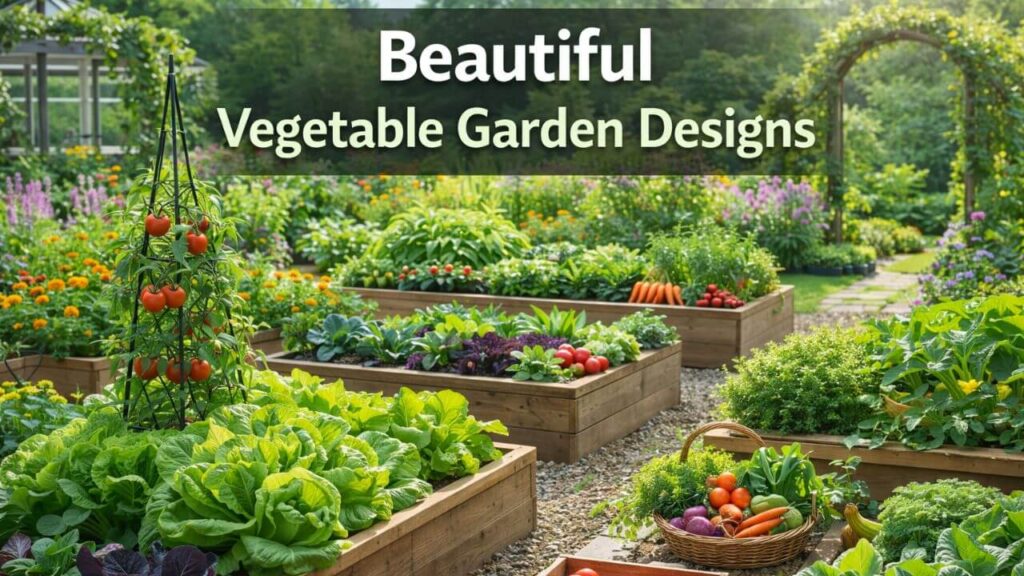
Raised beds are one of the easiest ways to give a vegetable garden a clean, planned look. Their clear edges separate the growing area from the lawn, gravel, or paths around it. A few matching beds can make even a plain backyard feel more organized.
Use wood, stone, brick, or other materials suited to outdoor use. Untreated wood can give the garden a natural look, while stone and brick can create a more formal style. Before you build, check the material’s suitability for food gardens and avoid wood treated with chemicals not intended for edible crops.
Keep each bed narrow enough to reach the center from a path. Beds about 3 to 4 feet wide often work well when gardeners can reach from both sides, but adjust the width to your reach and site. Avoid stepping into the growing soil, since repeated foot traffic can pack it down.
Source: artourney.com
Use matching bed shapes
Repeat the same bed size or outline for a calm, balanced design.
Add clear paths
Use mulch, gravel, or firm stepping stones to make it easier to reach crops after rain.
Mix crops by height
Place tall tomatoes and trellised crops where they will not block light from shorter plants.
Choose A Layout That Fits Your Yard
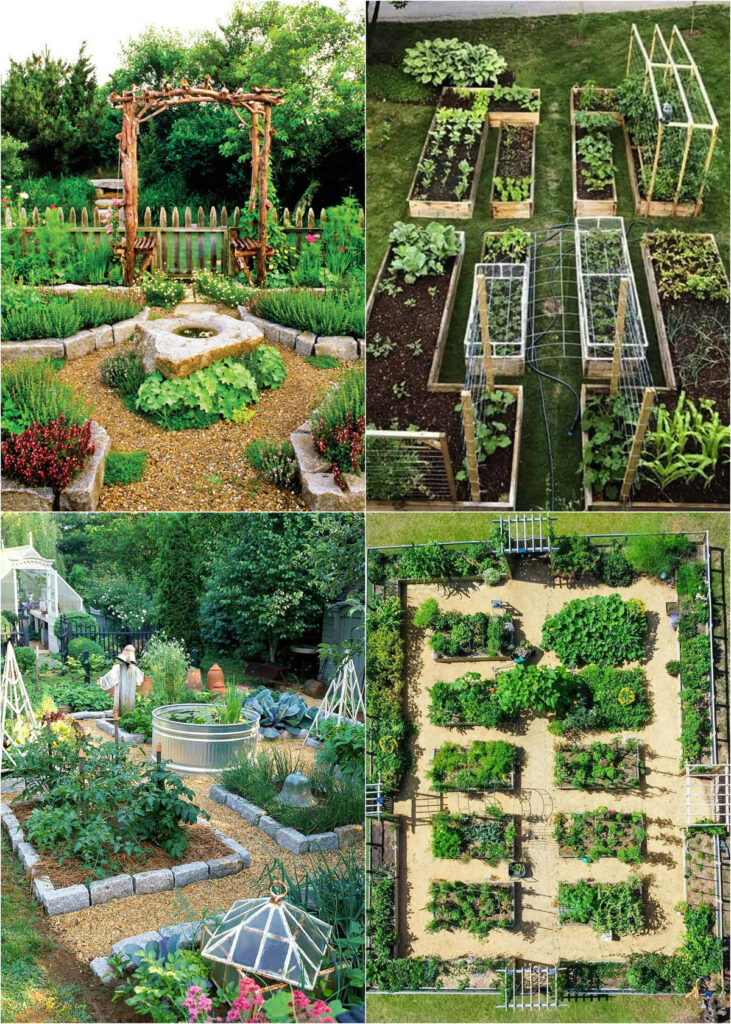
Two long beds with a path between them suit many narrow yards. A square layout may work better in a wide, open area. In either case, leave enough space to carry a watering can, kneel, and move a wheelbarrow if you use one.
Best for
Homeowners who want clear growing zones and a tidy look.
Watch for
Poor drainage, blocked access, and beds that are too wide to reach with ease.
2. Design A Small Vegetable Garden With Smart Spacing
A small garden can be beautiful without holding many plants. The key is to use each part of the space well and avoid crowding crops. A single raised bed, a few pots, or a slim strip beside a sunny fence can supply herbs and seasonal vegetables.
First, measure the area and note the hours of direct sun it gets. Many fruiting crops, such as tomatoes and peppers, need about six to eight hours of direct sun for good growth. Leafy greens may tolerate some shade, especially in hot weather, though growth still depends on the crop and local conditions.
Choose a short list of crops you enjoy eating. A compact garden with healthy basil, leaf lettuce, a cherry tomato, and a pepper plant may be more useful than a packed bed full of crops you rarely use. Read seed packets or plant labels for spacing, then leave enough room for mature leaves and roots.
Source: artofit.org
Grow compact crops
Look for bush beans, leaf lettuce, radishes, compact peppers, and varieties labeled for containers.
Use succession planting
Plant a new short-season crop after an earlier crop is harvested, as long as the weather suits it.
Keep the color simple
Repeat a few leaf colors and flower shades instead of using every available plant type.
Try A Square Or Grid Layout
A simple grid can help you plan small beds. Divide the space into sections and assign each one a crop, while following the plant’s real spacing needs. Do not assume that every vegetable fits the same number of plants in each square.
Good fit
Small yards, starter gardens, and gardeners who want a clear planting plan.
Main limit
Large crops such as sprawling squash may need more room than a tight grid can offer.
3. Turn Your Vegetable Garden Into An Edible Landscape
An edible landscape blends vegetables, herbs, flowers, and shrubs into one planned outdoor space. Rather than hiding every food crop in a back corner, you make useful plants part of the yard’s design. This style works well near a patio, along a sunny path, or in a front yard where local rules allow food gardens.
Start with the shape of the space. Curved beds can soften a broad lawn, while straight edges may suit a modern home. Place plants with attractive leaves or colorful fruit where they can be seen, then use lower herbs or leafy crops to fill the front of a bed.
Mixing crops can also bring more variety to the garden. Flowers such as calendula, alyssum, and suitable native blooms can add color and may provide food for beneficial insects. Choose plants that suit your region and avoid treating flowers as a guaranteed way to prevent pests.
Source: garden.eco
Use color as a design tool
Pair dark green kale with bright chard, purple basil, red tomatoes, or yellow summer squash.
Repeat a few plants
Plant the same herb or flower in several spots to make the space feel connected.
Keep harvest access in mind
Do not place thorny plants or wide, sprawling crops where they block paths or make vegetables hard to reach.
Use Flowers Around Vegetable Beds
Flowers can frame a vegetable bed and add color through the growing season. Place them along the edges if they will not shade smaller crops or take over the path. Pick varieties suited to your local climate and check their mature size before planting.
For a soft cottage look
Mix herbs, leafy vegetables, and low flowers in loose but planned groups.
For a neat modern look
Repeat one or two flower types along straight bed edges.
4. Grow Up With Vertical Vegetable Garden Ideas
Vertical growing adds height and can free ground space for other crops. Trellises, sturdy cages, and garden arches can support climbing beans, peas, cucumbers, and some types of squash. They also create a strong visual feature that makes the garden look taller and more layered.
Put the support in place before planting or while the seedlings are still small. This helps you avoid disturbing roots later. Choose a structure that can bear the weight of mature plants and wet foliage, and secure it well against wind.
Think about where the shade will fall. A tall trellis can block sun from plants behind it, so place it where it will not reduce light for crops that need full sun. In many layouts, the north side of the garden is a useful place for tall supports, but the best position depends on your site and sun path.
Source: es.pinterest.com
Use a bean trellis
Climbing beans can cover a support with green leaves and hanging pods.
Train cucumbers upward
A strong trellis can keep vines more orderly and make fruit easier to spot.
Add an arch
A garden arch can mark an entry or connect two growing areas when built to carry the crop’s weight.
Pick Supports For The Crop
Peas and many beans climb well on mesh or netting with suitable openings. Cucumbers often need a sturdy frame, while heavy squash may need extra support or a different growing method. Check the variety’s growth habit before choosing the structure.
Best for
Small plots, narrow beds, and gardeners who want a strong vertical feature.
Avoid
Weak frames, loose stakes, and supports that may tip over in strong wind.
5. Build A Charming Kitchen Garden Near Your Home
A kitchen garden keeps fresh herbs and vegetables close to the place where you cook. A spot near the back door can make it easier to snip basil, pick parsley, or gather lettuce for dinner. The design can be formal or relaxed, depending on your home and yard.
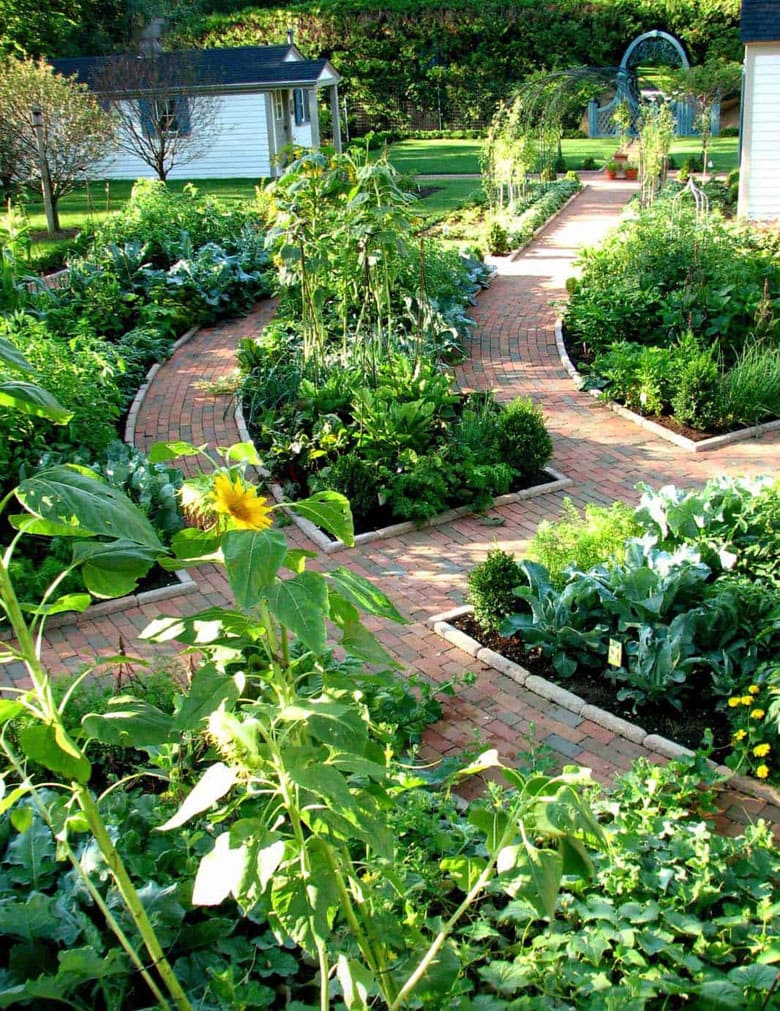
For a classic look, use four small beds around a central path or create two matching rows beside a walkway. Plant herbs near the front so you can reach them with ease. Keep taller crops at the back or along a suitable support, and leave room for a hose or watering can.
Convenience matters more than distance alone. A garden near the house still needs enough sun, healthy soil, good drainage, and safe space away from possible contamination. If the area is shaded by walls or trees, place sun-loving vegetables in a brighter spot and reserve the near-door space for crops that can cope with its conditions.
Source: lists.norml.org
Plant herbs near the path
Parsley, chives, thyme, and other suitable herbs can make a kitchen garden useful and fragrant.
Use a simple focal point
A small pot, a central herb bed, or a wooden gate can give the layout a clear center.
Keep tools close
Store hand tools in a dry, safe spot so basic garden tasks take less time.
Choose Herbs And Vegetables You Use Often
Grow the herbs and crops that fit your meals and local season. Basil and tomatoes suit many summer gardens, while parsley and leafy greens may fit other planting windows. Local extension planting calendars can help you time each crop.
For frequent harvests
Choose crops that regrow after careful picking, such as leaf lettuce and some herbs.
For a steady supply
Plant small batches at intervals when the crop and climate allow it.
6. Make A Patio Or Balcony Vegetable Garden Look Beautiful
Pots and planters can turn a sunny patio, deck, or balcony into a small food garden. Choose containers that fit the space and the mature size of each crop. Grouping a few pots of different heights can create a layered look without using a large area.
Use containers with drainage holes and a potting mix made for container growing. Garden soil is often too dense for pots and may drain poorly. Large fruiting crops need enough root space, while herbs and many leafy greens can grow well in smaller containers when their needs are met.
Think about weight before placing large planters on a deck or balcony. Wet soil and water-filled pots can be heavy. Follow the building’s rules and seek qualified advice if you are unsure whether a balcony can support the added load.
Source: www.pinterest.com
Group matching pots
Use two or three container styles for a neat look rather than a mix of unrelated sizes and colors.
Use a tiered stand
Place small herb pots on a stable stand while keeping large, heavy containers on a suitable surface.
Grow compact crops
Look for patio tomatoes, compact peppers, salad greens, and herbs suited to containers.
Select Containers By Plant Size
Tomatoes, peppers, and other fruiting crops often need larger pots than small herbs. Check the plant label for container guidance and leave enough room for roots, water, and airflow. Smaller pots may dry out faster, especially in hot, windy weather.
Good fit
Renters, apartment dwellers, and anyone with a sunny outdoor surface.
Main trade-off
Containers can need more frequent watering and may require added feeding during active growth.
7. Add A Rustic Vegetable Garden With Natural Materials
Natural materials can give a vegetable garden a warm, relaxed look. Wood borders, stone paths, simple stakes, and terracotta pots work well with the varied shapes of vegetables and herbs. This style suits cottages, country homes, and backyards with an informal planting plan.
Choose materials that can handle outdoor weather and regular watering. Some woods break down faster than others, while stone and brick may last longer but cost more to install. Reused materials can save money, but only use items whose past treatment and intended use are known well enough for a food-growing area.
Keep the design from becoming cluttered. A few repeated materials look more planned than a pile of unrelated objects. Use a clear path and group similar containers together so the garden remains easy to tend.
Source: apieceofrainbow.com
Lay a simple stone path
Place stones on a suitable base and leave a comfortable walking line through the beds.
Use wood edging
Wood can frame a bed without making the garden feel too formal.
Reuse safe containers
Repurpose suitable food-safe pots and planters, but avoid containers that may have held harmful chemicals.
Keep Rustic Designs Easy To Maintain
Natural looks still need a plan. Leave room to weed around bed edges, keep paths clear, and make sure water drains away rather than pooling beside wood or plant roots. A rustic garden should feel relaxed, not hard to reach.
Best for
Gardeners who like warm textures and simple, informal planting.
Avoid
Rotting wood of unknown treatment, unstable stones, and paths that become slippery or uneven.
8. Plan A Modern Vegetable Garden With Clean Lines
A modern vegetable garden uses simple shapes, a limited color range, and clear paths. Rectangular beds, dark or neutral containers, and a few strong plant forms can make the space look calm. This design often works well beside newer homes or on compact urban lots.
Use repetition to create order. Three matching beds or a row of identical planters can look more unified than many different shapes. Keep the main structure simple, then let the leaves, flowers, and ripe vegetables provide most of the color.
A neat look should not come at the cost of plant health. Give crops enough space, allow air to move between plants, and leave access for watering and harvest. Crowded rows may look full at first but can become difficult to manage as the plants grow.
Source: farmcitystate.com
Choose straight bed edges
Rectangles and parallel paths make a small space look organized.
Limit the materials
Repeat one main border material and one path material to reduce visual clutter.
Let crops add color
Use red tomatoes, purple cabbage, bright chard, and green herbs as living accents.
Use A Simple Color Plan
Pick a main green base and add two or three colors from vegetables or flowers. Repeat those colors in more than one bed if you want a connected look. Remember that seasonal crops change, so use the beds and paths as the design’s steady features.
Best for
Gardeners who prefer clean lines and an orderly outdoor space.
Main trade-off
Matching structures may cost more at the start, especially when using stone or metal.
9. Use Companion Planting With A Clear Plan
Companion planting means growing different plants near each other for practical or design reasons. Some combinations make good use of space, while flowers may draw pollinators and other helpful insects. The result can be a varied garden that looks less like a row of single crops.
Start with basic needs rather than a long list of supposed plant pairings. Place crops with similar sunlight and water needs together, and check their mature sizes. Tall plants should not shade crops that need full sun, and spreading plants should not cover smaller neighbors.
Do not rely on companion planting alone to control pests. Results vary by plant, pest, and growing conditions. Check leaves and stems often, remove badly damaged plant parts when suitable, and identify a pest before choosing a control method.
Source: garden.eco
Mix leaf shapes
Combine upright crops with leafy plants to create a varied texture.
Add suitable flowers
Use flowers that fit your region and growing season to bring color and possible insect benefits.
Respect plant spacing
Leave room for air movement, sunlight, and access to ripe crops.
Choose Plant Partners By Their Needs
A useful planting plan starts with light, soil, water, and crop size. Herbs can share a bed with vegetables when their needs match. If a pairing makes watering, harvesting, or pest checks harder, give the plants separate spots instead.
Good fit
Gardeners who want more plant variety and better use of available space.
Keep in mind
No single plant pairing guarantees better yields or stops every pest.
10. Choose Vegetables That Look Good Across The Season
A garden looks its best when plants suit the season and remain healthy as they grow. In much of the United States, warm-season crops such as tomatoes, peppers, beans, and squash thrive after frost risk has passed. Cool-season crops such as peas, spinach, radishes, and many leafy greens often do better in cooler weather.
The exact timing changes by region. A gardener in Minnesota has a different planting window from one in Florida or Southern California. Use your local frost dates, state university extension guidance, and seed packet directions to plan sowing and transplanting.
Choose varieties that fit both the climate and the space. Compact plants may work better in a patio garden, while vigorous vines may suit a large bed with strong supports. A mix of crops that mature at different times can keep the garden useful after the first harvest.
Source: artourney.com
For warm weather
Consider tomatoes, peppers, bush beans, and summer squash when local conditions suit them.
For cool weather
Consider lettuce, spinach, peas, radishes, and other crops suited to cool conditions.
For a long harvest
Use staggered planting dates or a mix of early and late varieties when the season allows.
Check Local Growing Dates Before You Plant
A calendar from a nearby university extension service can help you match each crop to the local season. Frost dates are useful guides, but soil temperature, heat, rainfall, and the crop itself also affect success. Adjust the plan when local conditions differ from the usual pattern.
Best for
Anyone planning a new garden or changing crops from one season to the next.
Avoid
Copying a planting calendar from a different climate without checking local conditions.
11. Make Your Vegetable Garden Easy To Water And Care For
A beautiful garden is easier to keep when daily tasks are simple. Put beds within reach of a hose or watering source, leave space for tools, and make sure you can walk through the garden without stepping on crops. Good access helps you spot weeds, damaged leaves, and ripe vegetables before small issues grow.
Water the root zone when possible rather than wetting leaves every time. Drip lines and soaker hoses can deliver water near the soil, though they still need checks for leaks and blocked sections. Water needs change with temperature, wind, soil, container size, and plant growth, so a fixed schedule may not suit every garden.
Mulch can help reduce weeds and slow moisture loss. Use a suitable clean mulch and keep it away from direct contact with plant stems where excess moisture may cause problems. Do not pile mulch against wooden structures or use material that may contain harmful chemicals.
Source: es.pinterest.com
Keep the water source close
Place the garden where watering is practical, or plan a suitable hose or irrigation route.
Check soil moisture
Feel the soil near the roots and adjust watering to the crop and current weather.
Use mulch with care
Spread a suitable layer to help limit weeds and moisture loss without burying stems.
What To Check When Plants Look Unwell
Wilting can result from dry soil, waterlogged roots, heat, or other plant stress. Check the soil before adding more water, since wet soil can cause symptoms that look like drought. Look at leaves, stems, and roots when possible, then change one care step at a time.
Dry soil
Water the root zone thoroughly when the crop needs it, then check how quickly the soil dries.
Wet soil
Pause extra watering and check drainage before adding more water.
Leaf damage
Look for insects, spots, and other signs before selecting a treatment.
12. Prepare The Soil Before You Build The Design
Healthy soil supports strong roots, steady growth, and a better-looking garden. Before you plant, check whether the site drains well and whether the soil is suitable for growing food. A soil test can show pH and nutrient needs, helping you avoid adding lime or fertilizer without a clear reason.
In-ground beds may benefit from mature compost, depending on the soil test and local advice. Raised beds need a suitable growing mix that drains well and holds enough moisture for the crops. Containers need a potting mix designed for pots rather than dense garden soil.
Urban sites and older properties may have soil contamination concerns, especially where past land use is unknown. If contamination is possible, contact your local health department or cooperative extension service for guidance. A raised bed with a suitable barrier and clean growing mix may help in some situations, but the right steps depend on the source and type of contamination.
Source: apieceofrainbow.com
Test before amending
Use a soil test to guide changes to pH and nutrient levels.
Check drainage
Avoid placing beds where water sits for long periods unless you can correct the drainage problem.
Use clean growing materials
Choose soil, compost, and container mixes suitable for edible plants.
Do Not Add Fertilizer Without A Plan
Too much fertilizer can harm plants or send nutrients into nearby water. Use test results, crop needs, and product directions to guide any application. Compost can improve soil structure, but it does not replace every nutrient a crop may need.
Good practice
Follow soil test advice and the label for any fertilizer used.
Avoid
Adding large amounts of fertilizer simply because plants look pale or grow slowly.
13. How To Plan Your Own Beautiful Vegetable Garden
A clear plan can help you avoid wasted materials and crowded plants. You do not need a detailed landscape drawing to start. A sketch with bed sizes, paths, sunlight, and crop names is enough for many home gardens.
Begin by marking the space you can use and noting where the sun falls during the day. Check access to water and look for low spots where rain may collect. Then choose a small group of crops that suit your local season and the meals you enjoy.
Next, add the design features that matter most to you. These may include raised bed borders, a trellis, a stone path, matching pots, or a few flowers. Price the main materials before building and leave room for plants to grow, so you do not need to redesign the space halfway through the season.
Source: farmcitystate.com
Step 1: Measure the site
Record the length and width, mark existing trees or walls, and note sunny and shady spots.
Step 2: Pick the main crops
Choose vegetables and herbs suited to the climate, space, and amount of care you can provide.
Step 3: Draw beds and paths
Make sure you can reach all crops and move through the garden with ease.
Step 4: Check soil and drainage
Test in-ground soil where useful and select a suitable mix for raised beds or containers.
Step 5: Add supports and borders
Install trellises, edges, and paths before plants become large.
Step 6: Plant and observe
Follow spacing guidance, monitor moisture, and adjust the plan as crops grow.
A Simple Example For A Small Backyard
Imagine a sunny backyard with room for two raised beds, each 3 feet wide and 6 feet long, plus a path between them. One bed could hold a tomato with a sturdy support, basil, and a few suitable leafy crops. The other could hold bush beans, peppers, and flowers along an edge where they will not block access.
This is a sample layout, not a fixed planting formula. Actual spacing depends on the crop varieties, bed depth, local weather, and sunlight. Adjust the crop mix to fit your family and the time you can spend on care.
Keep one bed flexible
Leave part of a bed available for a short-season crop or a later planting.
Plan for harvest
Put frequently picked crops near a path and keep heavy containers easy to reach.
14. Common Vegetable Garden Design Mistakes To Avoid
Many garden problems start with a layout that looks good on paper but is hard to use. A narrow path, a bed that is too wide, or a tall crop placed in front of a sun-loving plant can cause trouble later. A few practical checks before planting can prevent much of this work.
Another common mistake is choosing plants based on appearance alone. A large squash vine may fill an open bed, but it can spread into paths and cover nearby crops. Compact varieties may suit small spaces better, while larger varieties need room and a clear harvest route.
Do not overlook the growing conditions. Poor drainage, unsuitable soil, too little sun, or a mismatch between the crop and local season can limit growth even in a well-designed garden. Fix the main growing issue before adding more plants or decorative features.
Source: garden.eco
Crowded beds
Follow plant spacing guidance and leave room for mature leaves and stems.
Paths that are too narrow
Leave enough room to walk, water, weed, and carry harvested crops safely.
Wrong plant for the light
Match crops to the amount of direct sun available instead of relying on the garden’s appearance.
Unstable trellises
Secure supports before vines become heavy and check them after strong wind.
Too many crops at once
Start with a manageable selection and add more varieties as you learn the site.
Fix Problems In The Right Order
When a garden struggles, check sunlight, soil moisture, drainage, spacing, and signs of pests first. These checks often help narrow the cause before you spend money on new materials or treatments. If a disease or pest is hard to identify, ask a local cooperative extension service for help.
First
Check whether the crop gets the light and water it needs.
Next
Look at soil condition, root space, and crowding.
Then
Identify pest or disease signs before choosing a suitable response.
Frequently Asked Questions
Q
How Can I Make My Vegetable Garden Look Beautiful?
Use a clear layout with tidy beds, easy paths, and crops grouped by height. Add a trellis, repeat a few plant colors, and place flowers along suitable edges. Keep the design simple enough to water, weed, and harvest with ease.
Q
What Is The Best Layout For A Vegetable Garden?
The best layout depends on the space, sunlight, soil, and crops you want to grow. Raised beds work well for many home gardens, while containers suit patios and balconies. Leave enough room to reach every crop and keep tall plants from shading crops that need full sun.
Q
How Do I Make A Small Vegetable Garden Look Bigger?
Use straight paths, matching containers, and a limited range of materials to create a clean look. Grow climbing crops on sturdy supports and choose compact varieties where they fit your needs. Avoid crowding plants, since a garden with room to grow often looks better than one packed with seedlings.
Q
Which Vegetables Are Best For A Pretty Garden?
Leaf lettuce, rainbow chard, purple cabbage, cherry tomatoes, peppers, and herbs can add varied colors and leaf shapes. Beans and cucumbers can bring height when grown on supports. Choose varieties that fit your climate, available sunlight, and garden size.
Q
Can I Grow Vegetables In Pots On A Patio?
Yes. Many herbs, leafy greens, compact tomatoes, and peppers can grow in suitable containers. Use pots with drainage holes and a container mix, and choose a pot size that fits the crop’s roots. Check watering needs often because pots can dry out faster than garden beds.
Q
How Much Sun Does A Vegetable Garden Need?
Many fruiting vegetables, including tomatoes and peppers, grow best with about six to eight hours of direct sun each day. Some leafy greens can handle partial shade, depending on the crop and climate. Track sunlight at the site and choose plants that suit those conditions.
Q
When Should I Start A Vegetable Garden In The United States?
Planting time varies by state, elevation, local weather, and crop type. Cool-season crops can often grow in spring or fall, while warm-season crops usually need warmer soil and protection from frost. Use local extension planting calendars and seed packet directions rather than following one national date.
✦ Wrapping Up
Conclusion
Beautiful vegetable garden ideas do not need a large yard or a costly makeover. Raised beds, patio pots, clear paths, climbing crops, and colorful edible plants can make a space both useful and inviting. The best design is one that fits your home, growing season, and daily routine.
Start with sunlight, soil, drainage, and the vegetables you enjoy eating. Draw a simple plan, leave room for mature plants, and add decorative details that do not make care harder. As you learn how your garden grows through the season, you can adjust the layout and try new crops.
💡 Key Takeaway
Measure your growing space today, note its sun and shade, and choose three to five crops suited to your local climate. Sketch your beds and paths before buying plants or building materials.