
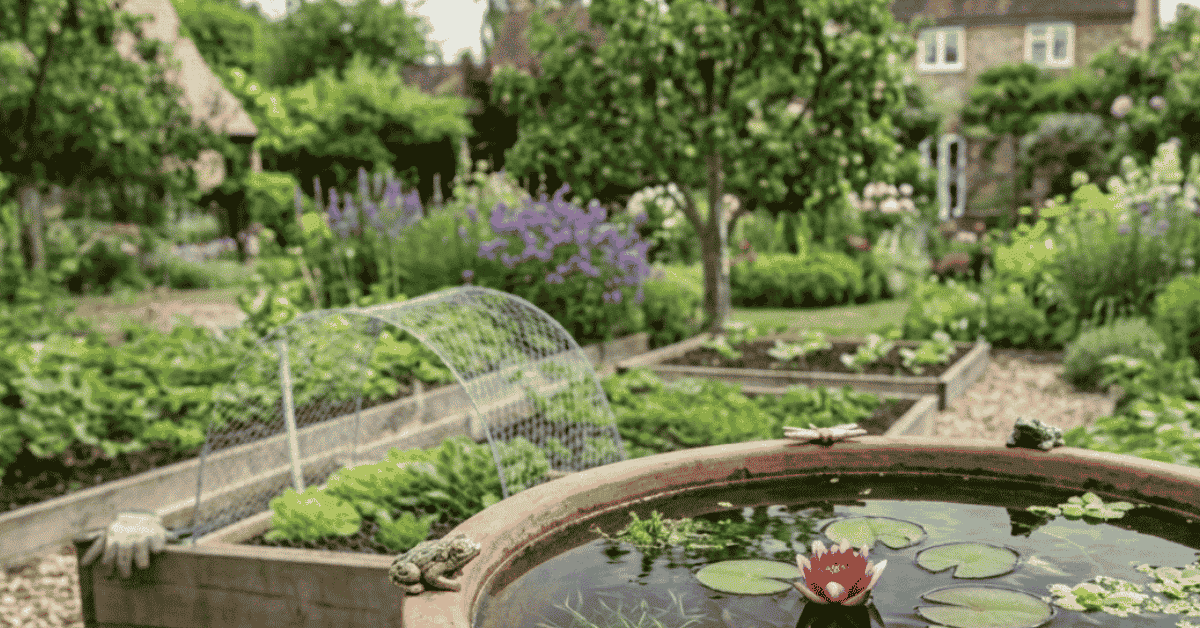
When I first started my garden, it felt a bit… plain. Just rows of plants, you know? I wanted something more.
Something to draw the eye. Something to make it feel special. That’s when I discovered the magic of a gardening arch.
Yes, a simple gardening arch. It changed everything for me. It’s more than just a garden structure.
It’s a statement. It adds charm. It guides your path.
It gives your climbing plants a chance to shine. I’ve used them in my own backyard for years. I’ve seen them transform dull spaces.
Today, I want to share that magic with you.
Why Do I Need a Gardening Arch?
Honestly, I used to think a gardening arch was just for looks. A fancy garden extra you didn’t really need. But after putting one up, I realized it does so much more.
It’s like a welcome mat for your garden. It marks the entrance to a special space. It draws people in.
It creates a focal point. I remember one corner of my yard was just an empty patch. I put an arch there with some climbing roses.
Suddenly, that corner became the most beautiful spot. It felt intentional. It felt designed.
It gives your climbing plants a frame. Think of wisteria or clematis. They have room to grow.
They can cascade down. They create a living sculpture. It really makes them stand out.
Plus, they can guide you. An arch can mark a path. It can lead you to a seating area.
It can frame a view. It makes your garden feel bigger. It adds vertical interest.
This is something my flat garden really needed.
Different Types of Gardening Arches
Gardening arches come in so many styles. I’ve tried a few myself. Each one brings something different to the garden.
It’s fun to pick one that fits your style.
Metal Gardening Arches
These are super common. They look really elegant.
- Wrought Iron Arches: These are classic. They have a timeless feel. They often have intricate designs. Mine has these lovely scroll details. They are very strong. They can hold a lot of plant weight. I grew some heavy honeysuckle on mine. It supported it well. They can rust over time, though. You need to keep an eye on them. A coat of paint or sealant helps.
- Steel Arches: These are also strong. They are often more modern looking. You can find them in different finishes. Think black, bronze, or even copper. They are usually easier to assemble than wrought iron. They hold up well to the elements.
Wooden Gardening Arches
Wood brings a natural warmth. It blends in nicely.
- Cedar and Redwood Arches: These woods are great for outdoors. They resist rot and insects naturally. They have a beautiful color. They can be painted or stained. I built a simple arch from cedar last year. It was a weekend project. It looks so organic and friendly. Over time, wood can weather. It might need sealing every few years.
- Treated Pine Arches: These are more budget-friendly. They are strong. They are treated to withstand weather. They might not look as fancy as cedar. But they do a great job.
Plastic or Resin Gardening Arches
These are very low maintenance.
- PVC Arches: They are lightweight. They are easy to set up. They don’t rot or rust. But, they can sometimes look a bit plasticky. They might not be as strong for very heavy vines. I’ve seen them used for lighter annuals and netting. They’re good for a quick fix or a temporary display.
This table breaks down some key features. It might help you decide which one fits your needs best.
| Material | Pros | Cons | Best For |
|---|---|---|---|
| Wrought Iron | Strong, elegant, classic | Can rust, heavy, may need maintenance | Formal gardens, heavy vines |
| Steel | Strong, modern, durable | Can be expensive | Modern gardens, diverse plant choices |
| Cedar/Redwood | Natural look, rot-resistant, beautiful | Can weather, may need sealing | Naturalistic gardens, variety of vines |
| Treated Pine | Affordable, strong, weather-resistant | Less aesthetic, may need painting | Budget gardens, functional vine support |
| PVC/Resin | Lightweight, low maintenance, affordable | Can look plastic, less sturdy | Annuals, light vines, temporary structures |
Bamboo Gardening Arches
I’ve had a lot of success with bamboo. It’s a really sustainable material.
- Bamboo Structures: They have a light, airy feel. They are good for a more relaxed garden look. Some bamboo arches are pre-made. Others you can build yourself. I used some simple bamboo stakes to create a small arch for my peas. It worked great! Bamboo is natural. It can degrade over time. But it’s often affordable to replace.
Where to Place Your Gardening Arch
Placement is key. The right spot makes a huge difference. I learned this the hard way.
My first arch was just stuck in the middle of nowhere. It looked out of place.
Entranceways and Gates
This is a classic spot. An arch at your garden gate or the start of a path. It’s like a grand welcome.
It tells visitors they are entering somewhere special. My neighbor has one at their driveway entrance. It’s covered in roses.
It smells amazing in summer. It makes their whole house feel welcoming.
At the End of a Path
I love this idea. An arch at the end of a garden path. It creates a destination.
It draws you down the path. You reach the arch and it frames a view. Maybe it frames a bench.
Or a special plant. I saw this in a small backyard. It really made the garden feel deeper.
It was like finding a secret corner. This is a great way to create a focal point. You can see it from your house too.
It’s a lovely thing to look at. You can learn about how to make this happen with this simple gardening arch idea.
Framing a Garden Feature
Do you have a statue? A bird bath? A special tree?
An arch can frame it. It highlights that feature. It makes it pop.
My friend has a small fountain. She put an arch behind it. The fountain looks so much more important now.
The vines on the arch spill over. It’s really pretty.
Over a Seating Area
Imagine sitting under an arch. It’s covered in flowers. It’s like your own little outdoor room.
This is pure garden bliss. It creates shade. It makes the space feel intimate.
I’ve seen this over small patios. It’s perfect for a quiet cup of coffee. It really makes you want to spend time outdoors.
In a Bare Corner
Don’t forget those awkward spots. A bare corner can be boring. An arch can fix that.
It adds height. It adds interest. It softens the look.
It turns a forgotten space into a highlight. This is how I started. My empty corner became a favorite spot.
It’s amazing what a little structure can do. This hidden dark secret arch guide might give you some ideas for these spots.
Choosing the Right Plants for Your Arch
The plants you choose are vital. They bring the arch to life. I’ve tried so many.
Some work better than others.
Climbing Roses
These are iconic. They climb beautifully. They offer stunning blooms.
You get amazing scents. They do need strong support. Choose varieties known for climbing.
Some need a bit of pruning. But they are so worth it. My neighbor’s rose arch is legendary.
Clematis
Clematis are gorgeous. They come in so many colors. Blues, purples, pinks, whites.
They often bloom for a long time. Some bloom in spring. Others bloom in summer or fall.
They have delicate-looking flowers. But they are tough climbers. They wrap their leaf stalks around things.
They can be a bit slow to start. But once they take off, wow.
Wisteria
Wisteria is dramatic. It has long, hanging flowers. They smell amazing.
But, and this is a big but, wisteria gets big. It’s heavy. You need a very strong arch for wisteria.
A metal arch is best. You need to prune it regularly. If you don’t, it can take over.
I’ve seen it cover whole houses. It’s beautiful, but demanding.
Honeysuckle
Honeysuckle is lovely. It’s often fragrant. Many varieties attract pollinators like bees.
It’s a vigorous grower. It’s good for covering an arch quickly. Mine smells so nice in the evenings.
It’s a sweet, classic garden scent.
Passion Flower
These plants are unique. Their flowers are like little works of art. They are exotic.
They attract butterflies. Some passion flowers produce edible fruit. They can be a bit tender in colder climates.
You might need to protect them in winter. Mine survived a mild winter. I was so happy.
Vines for Smaller Arches
For lighter arches or smaller spaces, consider these:
- Morning Glories: These are annuals. They grow fast. They have beautiful trumpet-shaped flowers. They open in the morning. They close in the afternoon. They re-seed easily.
- Sweet Peas: Lovely scents. Delicate flowers. They do best in cooler weather. They need sun and good soil. They are a bit fragile though.
- Nasturtiums: Bright, cheerful flowers. The leaves are edible too. They have a peppery taste. They grow well in containers. And they will climb up an arch.
When choosing plants, think about how much sun the spot gets. Consider your climate. And how much work you want to do.
A good arch can support a lot of growth. It’s amazing how much beauty you can create. You can even use them to support other things, like in this article about simple bamboo stakes.
Building or Buying Your Gardening Arch
You have two main options. You can buy one. Or you can build your own.
Both have their pluses.
Buying a Gardening Arch
This is the easiest route. You can find them at garden centers. Online retailers have tons of choices.
- Pros: Quick, convenient, wide variety of styles and materials. You can see what you’re getting.
- Cons: Can be expensive, especially for metal or sturdy wood. Assembly can sometimes be tricky. You might not get exactly what you want.
Building a Gardening Arch
This is my favorite way. I enjoy the process.
- Pros: You can customize it to your exact needs. It can be more affordable. It’s rewarding to build something with your own hands. You can use materials you love. For example, this simple garden arch idea is a great starting point.
- Cons: Requires tools, time, and some DIY skills. You need a plan.
My Building Tips:
- Measure your space: Know the width and height you need.
- Choose your material: Wood is pretty forgiving for DIY.
- Dig deep for stability: Make sure the legs go into the ground well. This is crucial. Especially for heavy plants. I always dig at least a foot down. Or use concrete footings for permanent structures.
- Reinforce: Add extra supports if needed. Especially in windy areas.
I remember building a sturdy wooden arch. It took me a weekend. But now, years later, it still looks great.
It’s covered in ivy. It makes my garden feel established. For inspiration on simpler structures, you might look into how a simple arch saved my plot.
Maintaining Your Gardening Arch
No matter what kind you get, a little care goes a long way.
- Metal Arches: Check for rust. Touch up with paint as needed. Make sure bolts are tight.
- Wooden Arches: Seal or paint them periodically. Especially if it’s not rot-resistant wood. Check for any loose boards.
- General Maintenance: Trim back vines if they get too wild. Remove any dead plant material. Make sure the arch is still firmly in the ground.
A well-maintained arch looks good. It lasts longer. And it keeps your plants happy.
It’s worth the small effort. It makes a big difference in how your garden feels. It’s about creating a beautiful space.
It’s about finding real joy in gardening.
Frequently Asked Questions About Gardening Arches
What is the best material for a gardening arch?
Metal like wrought iron or steel offers great strength. Wood like cedar provides a natural look. Your choice depends on style and plant weight.
How tall should a gardening arch be?
Aim for at least 7 feet tall. This allows people to walk under it comfortably. It also gives climbing plants plenty of room to grow.
Can I put a gardening arch over a pathway?
Yes, that’s a popular use! Ensure it’s tall and wide enough for easy passage. It creates a lovely entrance.
What plants grow best on a gardening arch?
Vigorous climbers like roses, clematis, honeysuckle, and wisteria are ideal. Choose plants suited to your climate and sunlight.
How do I secure a gardening arch in the ground?
Dig holes for the legs, at least 1-2 feet deep. Backfill with soil, tamping firmly. For very large or heavy arches, consider concrete footings.