To plan a square foot garden, choose a sunny spot, build or mark a raised bed, divide the growing area into one-foot squares, and assign each square to a crop based on its mature size. Use a planting chart as a guide, then adjust the layout for your climate, plant type, and available space.
A small vegetable garden can fit beside a garage, along a patio, or in a sunny backyard in the United States. Square foot gardening helps make that space easier to use. Instead of planting long rows, you split a growing bed into small squares and give each crop its own space. This makes it easier to plan, plant, water, and track your harvest.
The method works well for many crops, including lettuce, radishes, carrots, bush beans, and compact herbs. Taller plants, sprawling vines, and large crops need more thought. Your local growing season, sunlight, soil depth, and plant size all affect the final plan. A clear layout helps you avoid crowding before the first seed goes into the ground.
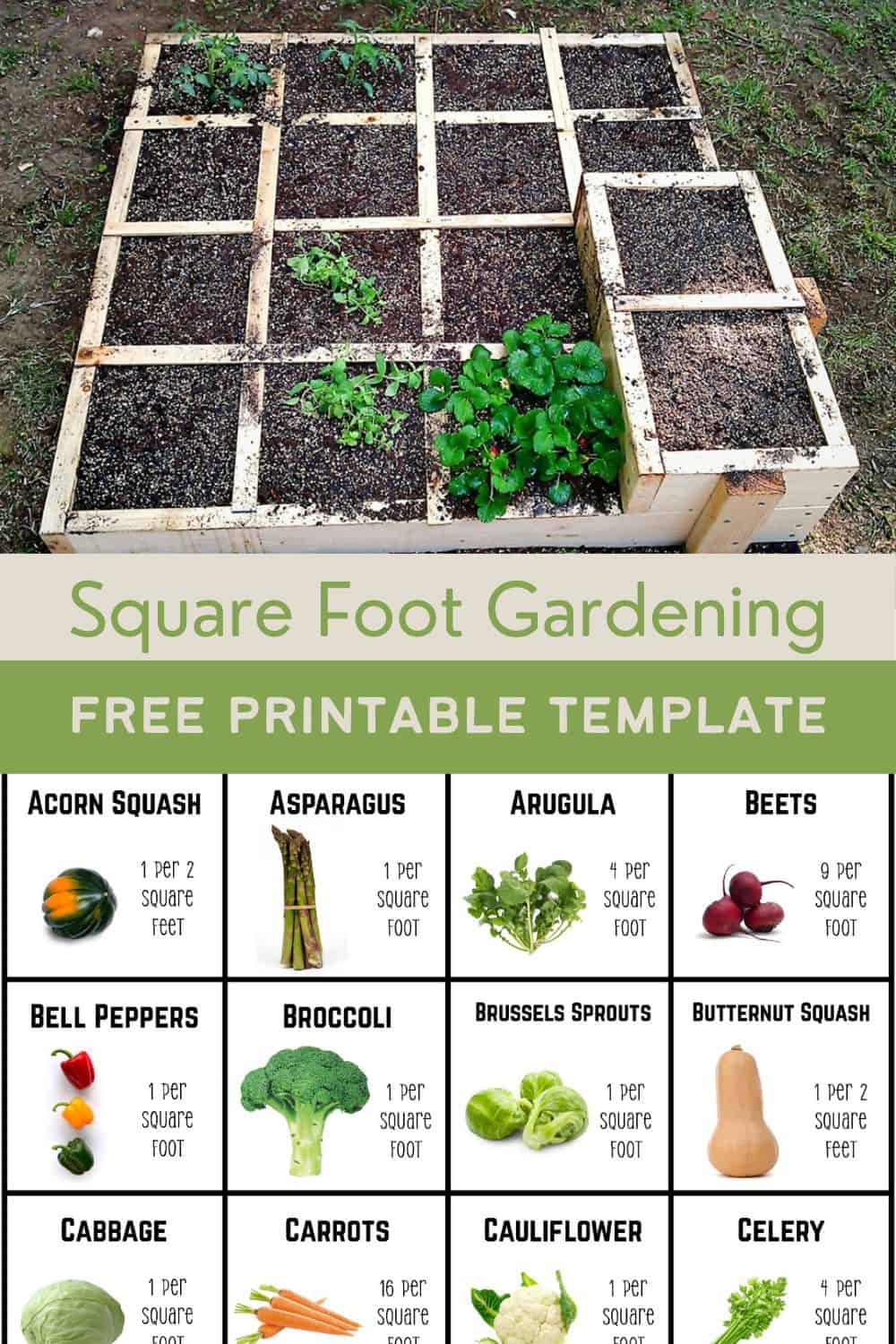
Square foot gardening is a way to grow crops in a compact, organized bed. The growing area is divided into squares that measure one foot by one foot. Each square holds a crop or a small group of crops, depending on the space each plant needs.
A square foot is a planning unit, not a rule that every plant must follow. One square might hold a single tomato plant, while another could hold several radishes. The correct number depends on the crop, its mature size, and the spacing guidance for that variety.
Many gardeners use raised beds because they make the grid easy to mark and help define the growing area. However, the method can also work in a ground-level plot if you mark the squares clearly and can reach the plants without compacting the soil.
Source: www.vegetable-gardening-online.com
Better use of space
A grid helps you see which parts of the bed are planted and which remain open for later crops.
Clear planting records
You can write each crop name inside a square on paper and use the plan to track sowing dates and harvests.
Flexible crop choices
The layout can change with the season, so an empty square can hold a new crop after an earlier harvest.
Less guesswork
A marked grid gives you a simple way to estimate how many seeds or transplants you need before planting.
How Many Plants Fit in One Square?
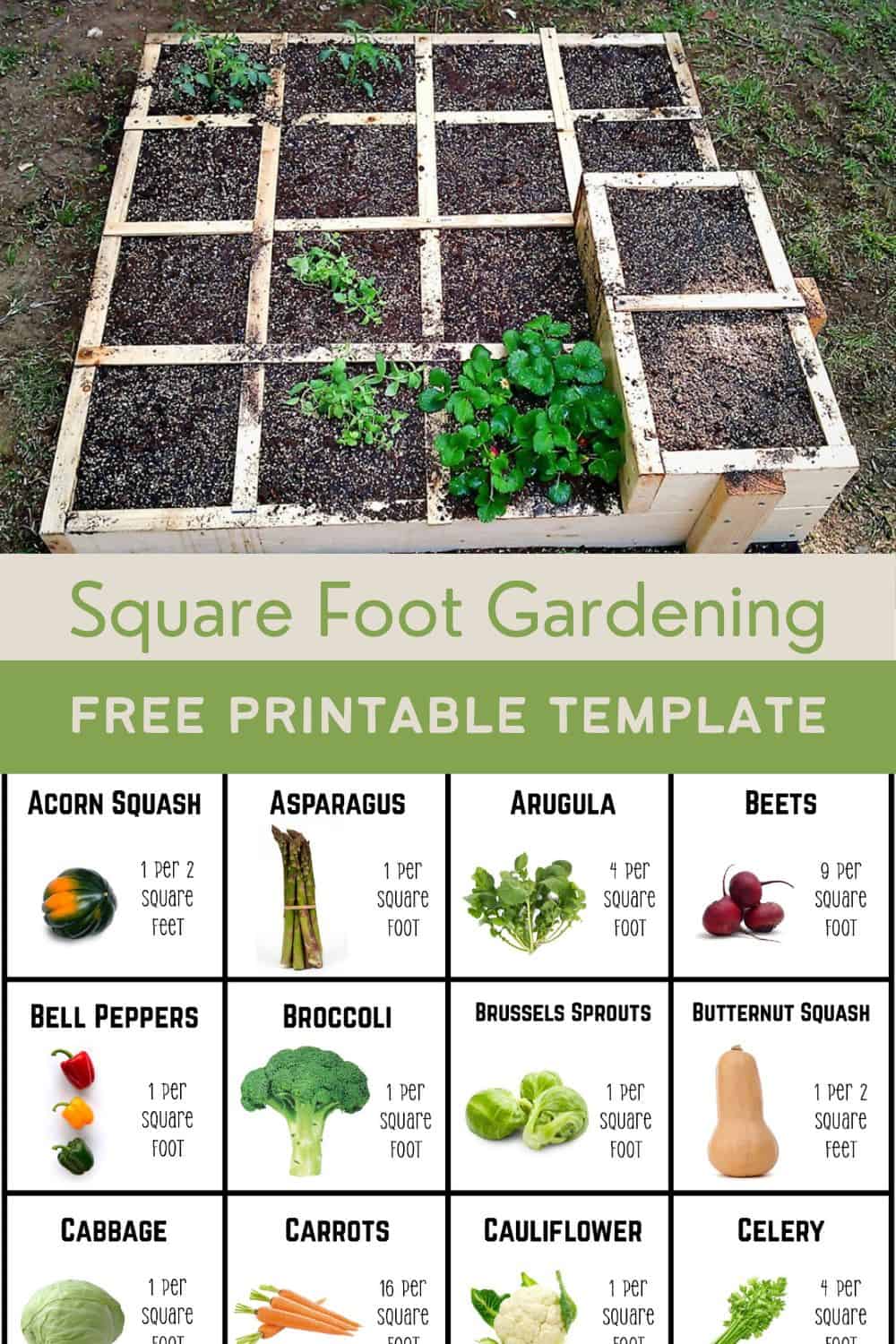
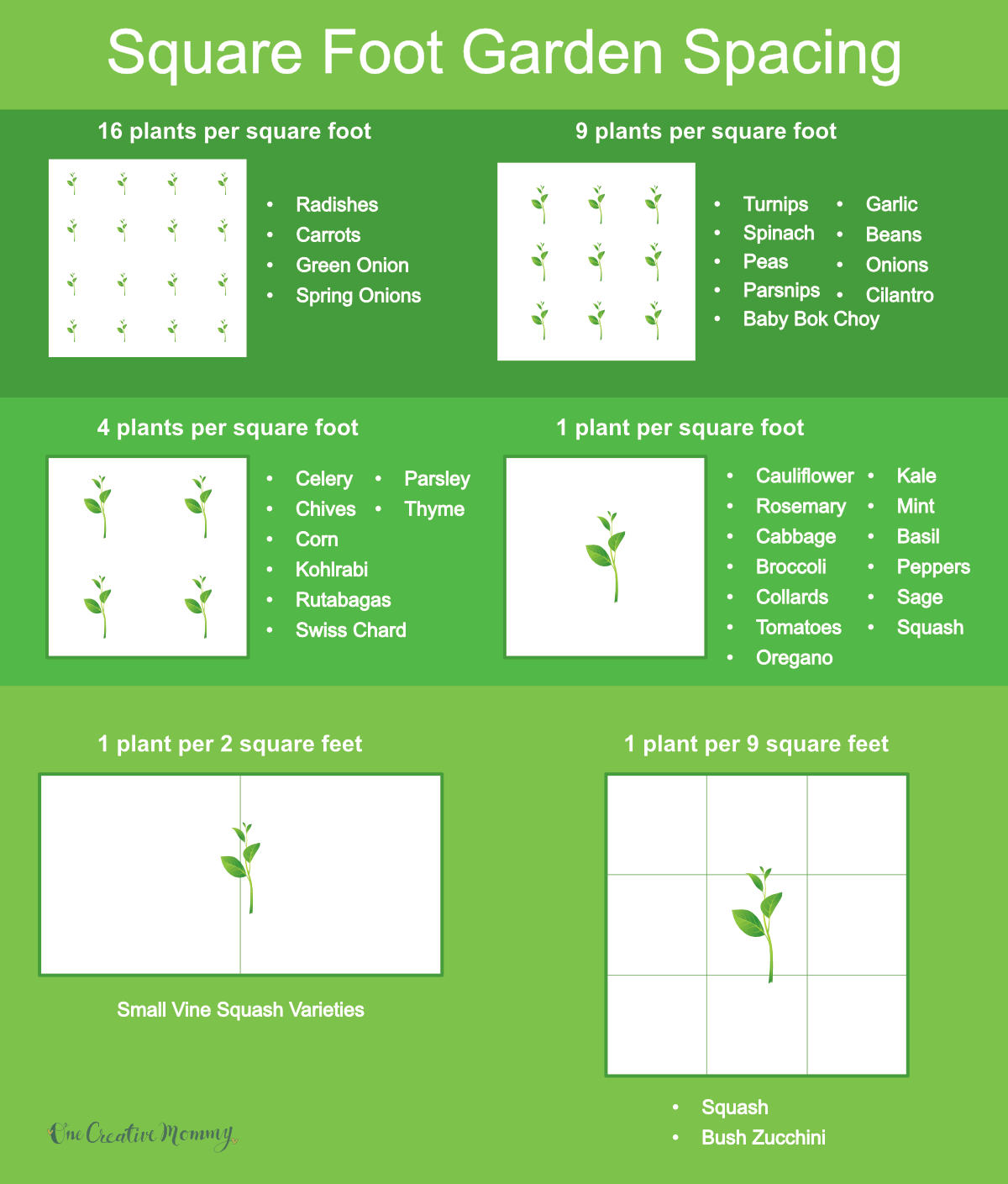
The number of plants per square depends on how large each plant becomes. A common planning guide uses one plant per square for large crops, four for medium-sized crops, nine for smaller crops, and sixteen for very small crops. These are starting points, not fixed rules for every variety.
Always check the seed packet or plant label. A compact lettuce variety may fit a different pattern from a large heading lettuce. The same applies to carrots, beets, beans, and other crops that vary in size.
One plant per square
Often suitable for a large plant such as a full-sized tomato, provided the bed and support system can accommodate it.
Four plants per square
Can suit some medium-sized crops, including certain leafy greens, depending on variety and growing conditions.
Nine plants per square
May work for smaller crops such as some onions or bush varieties of leafy greens when their spacing allows it.
Sixteen plants per square
Can be used for very small crops, such as radishes, when the chosen variety and seed instructions support close spacing.
Choose the Right Garden Size and Location
Start by measuring the space you have and checking how much sunlight it receives. Most fruiting vegetables need at least six to eight hours of direct sunlight each day for good production. Leafy crops may tolerate some shade, but the right amount depends on the crop and climate.
A four-foot-by-four-foot bed is a useful starting size for many beginners. It provides sixteen square feet of growing space and can be divided into sixteen one-foot squares. A four-foot width is also practical because a gardener can usually reach the center from either side without stepping into the bed.
You do not need to build a large bed at once. A two-foot-by-four-foot bed has eight square feet and may be easier to manage if you have limited room, a small budget, or only a few crops in mind.
Source: gardeninglovy.com
Measure sunlight
Observe the proposed site at different times of day. Note nearby trees, fences, walls, and buildings that cast shade.
Check access to water
Choose a location where a hose or watering can can reach easily. Container-like raised beds may dry out faster than nearby ground soil.
Keep paths clear
Leave enough room to move around the bed with tools, harvest baskets, and watering equipment.
Look at drainage
Avoid spots where water sits for long periods after rain. Roots need both moisture and access to air.
How Much Space Do You Need?
The amount of space you need depends on the number of crops you want to grow and how much you plan to harvest. A small bed can supply fresh herbs, salad greens, and a few other vegetables. It may not provide all the produce a household needs throughout the year.
For a first garden, pick crops you already eat. A few well-maintained squares are more useful than a large bed filled with plants that no one wants to harvest. You can add another bed after you learn how much time watering, weeding, and picking take.
Two by four feet
A compact option for herbs, salad greens, radishes, and a few other small crops.
Four by four feet
A manageable layout with sixteen squares for a wider mix of vegetables.
Four by eight feet
A larger bed with thirty-two squares, best planned with access from both long sides or with another suitable access design.
Prepare the Bed Before Drawing Your Grid
Prepare the growing area before setting out your squares. The grid helps with spacing, but it cannot make poor soil, shallow roots, or bad drainage disappear. Give your crops a suitable root zone first, then mark the layout.
If you use a raised bed, select a safe material and make sure the bed sits on a stable surface. The required soil depth varies by crop and by what lies beneath the bed. Root crops and larger vegetables generally need more usable depth than shallow-rooted leafy crops.
Use a suitable garden soil or growing mix with good drainage and enough organic matter. Avoid filling a bed with pure compost because compost alone may not provide a balanced growing medium. If you garden directly in the ground, loosen compacted soil where appropriate and add organic matter based on the soil’s needs.
Source: fity.club
Check the soil
A soil test can help identify pH and nutrient issues, especially if plants have struggled in the area before.
Plan the depth
Match the usable root depth to your intended crops rather than assuming every vegetable can grow in a shallow bed.
Water the soil evenly
Moisten the growing mix before planting if it is very dry, but do not leave it waterlogged.
Avoid stepping on the bed
Work from the paths or outside edges to limit soil compaction and protect the root zone.
How to Mark the One-Foot Squares
Measure the bed’s inside growing area, not just its outer frame. Mark each foot along the edges, then connect matching marks with string, thin slats, or other materials that will not create a hazard. For a four-foot-by-four-foot bed, three interior lines in each direction form sixteen one-foot squares.
Keep the grid visible, but do not let it block watering or become a trip hazard. String can loosen, and thin dividers may shift as you work. Check the marks before each new planting so the intended spacing stays clear.
Use a tape measure
Measure each square carefully so that the grid follows the actual bed dimensions.
Label each square
Write the crop name on a paper plan or use simple plant labels beside the grid.
Keep the plan flexible
Leave space for crops you may sow later rather than filling every square on the first day.
Choose Crops That Fit Your Garden Plan
Choose crops based on the meals you cook, the space they need, and the length of your growing season. For a small bed, compact vegetables are often easier to arrange than crops that spread across several feet. A mix of quick crops and longer-season plants can also make better use of the bed over time.
Leaf lettuce, radishes, green onions, carrots, bush beans, and many herbs can work well in a square foot layout. Tomatoes, peppers, cucumbers, and other larger crops can also fit, but they need more attention to support, spacing, airflow, and shade.
Do not select plants only because a chart lists them as suitable. A variety that grows well in a cool spring may struggle during a hot summer. Read the seed packet, check local planting guidance, and choose crops suited to your region.
Source: fity.club
Good options for small squares
Radishes, leaf lettuce, green onions, baby greens, and some compact herbs can make useful choices when their spacing requirements are met.
Crops that need support
Tomatoes, climbing beans, and some cucumbers may grow upward on suitable supports, saving some ground space while still needing room for their roots and foliage.
Crops that spread
Pumpkins, winter squash, and other sprawling vines can take up a large area. Use a separate space or plan their growth beyond the bed without blocking paths.
Root vegetables
Carrots, beets, and radishes need soil that suits their root shape. Remove stones and break up hard clumps where needed.
Match Plant Spacing to Mature Size
Plant spacing describes the room a crop needs to grow without excessive competition. Seed packets may list spacing between plants and spacing between rows. In a square foot bed, you can adapt the instructions to the grid, but do not ignore the space each plant needs.
For example, a crop with a recommended spacing of six inches between plants may fit four plants in a one-foot square in a simple two-by-two pattern. A crop that needs twelve inches between plants may need the entire square for one plant. These examples describe spacing patterns, not a promise of equal results for every variety.
Small plants
Use a neat pattern and follow the spacing on the packet. Avoid sowing so thickly that seedlings cannot mature.
Medium plants
Leave enough room for leaves to expand and for air to move through the canopy.
Large plants
Give them more space or choose a compact variety that suits the bed.
Consider Your Local Climate
The United States has many growing climates, so there is no single planting calendar that works everywhere. Gardeners in northern states may have a short frost-free season, while gardeners in much of the South can face intense summer heat. Coastal and mountain areas may have their own local patterns.
Use your local extension service’s planting calendar or another reliable regional guide. Check the expected last spring frost and first fall frost where those dates apply. In warm regions, soil temperature and summer heat may matter as much as frost dates, particularly for lettuce and other cool-season crops.
Cool-season crops
Lettuce, peas, spinach, and radishes often grow best during cooler weather, although variety and local conditions affect timing.
Warm-season crops
Tomatoes, peppers, beans, and cucumbers generally need warmer conditions. Plant them when local guidance indicates the conditions are suitable.
Hot-summer regions
Use heat-tolerant varieties where suitable and consider partial afternoon shade for crops that struggle in intense heat.
Create a Practical Square Foot Garden Layout
A useful garden layout groups crops by their size, sunlight needs, and growing season. Start with a simple sketch of the bed, number each square, and write the crop name inside it. Mark tall plants and climbing supports so you can see where they may cast shade.
In many northern-hemisphere gardens, placing taller plants along the north side can reduce shade on shorter crops. This is a useful starting point, not a strict rule. The direction and angle of sunlight, nearby buildings, and the garden’s location can change the best arrangement.
Keep crops that need similar care near one another when possible. For example, grouping thirsty plants can make watering easier, while placing quick crops in accessible squares makes harvesting more convenient. Do not let the grid force a crop into a spot with poor light or unsuitable soil.
Source: artofit.org
Plan tall crops first
Place supported or tall plants where they will cause the least unwanted shade. Make sure stakes and trellises will not block nearby paths.
Add medium-sized crops
Fill the next squares with crops that need moderate room, checking their mature spread before deciding how many to plant.
Fill small spaces last
Use remaining squares for suitable herbs, greens, or root crops rather than squeezing in plants that need more room.
Keep harvest access in mind
Place crops you pick often near a convenient edge. Leave enough room to reach every square without leaning heavily over other plants.
Example: A Four-by-Four-Foot Vegetable Garden
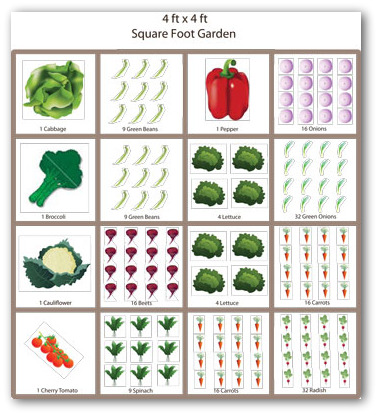
The following is a hypothetical layout for a sixteen-square bed. It shows how a beginner might combine larger crops with compact vegetables and herbs. The exact plant counts depend on the varieties, local climate, and spacing instructions.
This example assumes the bed receives enough sunlight for the chosen warm-season crops. In a cool season, replace heat-loving crops with suitable greens or root vegetables. In a hot climate, change the plan to suit local planting windows.
Square 1
One tomato plant with a suitable stake or cage, if the variety and bed conditions support it.
Square 2
One pepper plant, with room adjusted for the selected variety.
Square 3
Bush beans planted at the spacing shown on the seed packet.
Square 4
Leaf lettuce or another crop suited to the current season.
Squares 5 and 6
Radishes or green onions in a suitable spacing pattern.
Squares 7 and 8
Carrots in loose, stone-free soil that allows their roots to develop.
Squares 9 and 10
Leafy greens, with the number of plants adjusted for the variety.
Square 11
A compact herb such as parsley or cilantro when the weather suits it.
Square 12
Basil or another suitable herb, placed where it receives the light it needs.
Squares 13 and 14
Additional bush beans, beets, or other crops that fit the season and the available space.
Squares 15 and 16
Leave these open for a later sowing or use them for quick crops such as radishes and suitable salad greens.
Adjust the Example to Your Needs
You do not need to copy this layout exactly. If you rarely eat tomatoes, give their square to a crop you use more often. If the bed is partly shaded, focus on crops that can tolerate the available light rather than forcing sun-loving vegetables into the plan.
Keep an empty square if you want to plant a second round of greens or radishes later. Staggered planting can spread the harvest over time instead of giving you more produce than you can use in one week.
For fresh salads
Use more squares for lettuce, radishes, green onions, and other greens suited to your climate.
For cooking
Make room for herbs, peppers, beans, or other vegetables that suit your meals.
For a small household
Plant modest amounts and sow again when space opens up. A smaller, steady harvest can be easier to manage.
Use a Planting Chart Without Overcrowding
A square foot gardening chart helps you estimate how many plants can fit in each square. It is best used as a planning aid rather than a substitute for seed-packet directions. Varieties differ, and a chart may not account for every climate, bed depth, or growing method.
Before you plant, check the recommended spacing, mature height, mature width, and days to maturity where those details are available. Then decide whether the crop fits the space and growing season. If two sources differ, give more weight to instructions for the exact variety and reliable local growing advice.
Do not plant extra seeds just because a square looks empty. Seeds need room to germinate and develop. If you sow more than needed, thin the seedlings at the right stage so the strongest plants have space to grow.
Source: www.pinterest.com
Read the spacing directions
Use the seed packet or transplant label as your main reference for the chosen variety.
Check mature width
A plant can begin small and later fill most of a square. Plan for the adult plant, not just the seedling.
Thin seedlings
Remove excess seedlings according to crop guidance. Crowded roots and leaves can reduce plant growth and airflow.
Record what worked
Write down which squares became crowded, which crops did well, and what you want to change next time.
What If a Crop Needs More Than One Square?
Give the crop more room if its size or spacing calls for it. A full-sized tomato may need a whole square and a support system, while a sprawling squash may need more space than a small raised bed can provide. Some climbing crops can grow vertically, but their roots and lower foliage still need suitable space.
You can reserve neighboring squares for a large crop and count them as one larger planting area. This keeps the plan honest and prevents you from treating every marked square as an obligation to grow a separate crop.
Join neighboring squares
Treat two or more squares as one growing zone when a crop needs extra root or foliage space.
Use vertical support carefully
Support climbing crops with a stable trellis suited to their size and expected load. Secure it so wind does not cause it to fall.
Choose compact varieties
Bush or dwarf varieties may suit a small bed better than plants bred to spread or climb over a wide area.
Plan Watering, Feeding, and Crop Rotation
A good square foot garden plan includes care after planting. Small beds are easy to reach, but closely planted crops can compete for water and nutrients. Check soil moisture often, especially during hot weather, windy days, and periods without rain.
Water the root zone rather than spraying foliage when practical. The right frequency depends on soil type, bed depth, weather, plant size, and drainage. Feel the soil before watering and adjust your routine rather than relying on a fixed schedule for every day.
Plants also need suitable nutrients. Compost and other soil amendments can help, but more is not always better. Use soil test results and crop needs to guide additions, and follow the product label if you use a fertilizer.
Source: fity.club
Check moisture
Feel the soil below the surface to see whether it is drying out. The top may look dry while the root zone remains moist.
Water deeply enough
Apply water so it reaches the active root zone, while avoiding standing water and runoff.
Watch plant growth
Poor growth can result from water stress, unsuitable temperatures, crowding, pests, disease, or nutrient problems. Check conditions before adding fertilizer.
Keep a crop record
Write down which crops occupied each square and use that record to plan future plantings.
Rotate Crops When You Replant
Crop rotation means changing where a crop or crop family grows over time. In a small square foot bed, full rotation can be difficult because each square has limited room. Still, a simple planting record helps you avoid growing the same crop family in the same spot every season when alternatives are available.
Rotate crops with different nutrient needs and watch for recurring pest or disease problems. If a crop suffered from a soil-related disease, follow local extension guidance before planting a related crop in the same area again. Rotation can help manage some problems, but it does not prevent every pest or disease.
Track plant families
Record whether a square held a tomato, pepper, bean, leafy green, or root crop.
Replace harvested crops
When a quick crop finishes, plant another suitable crop if the season and soil conditions allow it.
Remove unhealthy plants
Identify likely pest or disease issues before replanting, and dispose of affected plant material according to local guidance.
Common Square Foot Gardening Mistakes
Most planning problems begin when the layout is based on the size of young plants instead of their mature growth. A bed can look tidy at planting time and become crowded a few weeks later. Review the plan before sowing, and leave enough room for leaves, roots, supports, and access.
Another common problem is planting crops at the wrong time. A cool-season crop may bolt or struggle in heat, while a warm-season crop may fail in cold soil. Local growing guidance helps you avoid wasting seed and space.
A square foot garden also needs regular care. The grid will not stop weeds, pests, or uneven watering. A short daily check during active growth can help you spot issues before they spread.
Source: newgenliving.com
Planting too many seeds
Crowded seedlings compete for light, water, and nutrients. Follow the recommended spacing and thin when needed.
Ignoring mature plant size
Large leaves and vines can cover nearby squares. Choose compact varieties or give bigger plants more space.
Growing in too much shade
Sun-loving vegetables may produce poorly in a dark location. Measure sunlight before settling on the crop list.
Using shallow soil for deep roots
Some crops need more depth than the bed offers. Check the root needs of the intended plants before planting.
Watering by habit alone
A fixed schedule may leave the soil too wet or too dry. Adjust watering to weather, soil moisture, and crop needs.
Filling every square at once
Planting all available space on day one can make harvests harder to manage. Keep some room for later sowings and seasonal changes.
How to Fix a Crowded Garden
If plants begin to overlap, first identify which crop is taking up too much room. Thin crowded seedlings where appropriate, guide supported plants upward, and harvest mature leaves or roots when the crop is ready. Do not remove large amounts of healthy foliage from a plant if doing so could harm its growth.
If crowding continues, change the plan next season. Use fewer plants, select a more compact variety, or assign a larger area to crops that spread. Better spacing is often easier than trying to correct an overcrowded bed after the plants mature.
Check the cause
Look for dense leaves, tangled roots, poor airflow, or plants that have grown beyond their expected size.
Make a careful adjustment
Thin, support, or harvest plants as appropriate to their stage of growth.
Update the next plan
Record the spacing that worked and use that information when you draw the next grid.
Keep Your Garden Plan Useful All Season
A garden plan should change as crops grow and the season moves forward. Keep a copy of the original grid, then make notes when you sow seeds, set out transplants, harvest crops, or replace plants. These records make the next planting plan easier to prepare.
Check each square once or twice a week during active growth, or more often when weather or pest pressure calls for it. Look for wilting, leaf damage, weeds, dry soil, and plants that have become crowded. Small changes are usually easier to manage than a whole bed that has been neglected.
After harvesting a crop, decide whether the square should stay empty, receive a new crop, or be planted with something suited to the next season. Check days to maturity and the remaining growing window before sowing. A crop that needs more time than the season allows may not be a sensible replacement.
Source: narodnatribuna.info
Keep a simple garden journal
Record planting dates, varieties, weather notes, pest issues, and harvest results.
Use succession planting
Sow small amounts of suitable quick-growing crops at intervals when the season allows, rather than planting every seed at once.
Plan for seasonal change
Replace crops with vegetables suited to the next growing period, using local planting dates as a guide.
Review your results
At the end of the season, note which crops used the space well and which ones need a different location or more room.
A Simple Checklist Before Planting
Before you plant, look over the bed and your paper layout together. Confirm that the crop list matches the sunlight, growing season, soil depth, and water supply. Check the seed packets one more time, then label the squares so you know what should grow in each space.
Bed measured
The usable growing area is measured and divided into clear one-foot squares.
Crops selected
Each crop suits the available light, climate, root space, and season.
Spacing checked
Plant counts are based on the chosen variety’s spacing instructions.
Water ready
You can reach the bed easily and provide water as needed.
Future space planned
At least a few squares can remain open for later planting if that fits your harvest goals.
Frequently Asked Questions
Q
How do I plan a square foot garden for beginners?
Start with a small, sunny bed, such as one that measures four feet by four feet. Divide the growing area into sixteen one-foot squares. Choose a few vegetables you enjoy eating, check their spacing and planting dates, and assign each crop to a square that fits its mature size. Leave room for access and future plantings.
Q
How many plants can I grow in one square foot?
The number varies by crop and variety. A large plant may need a whole square, while smaller crops may fit several or more plants in the same area. Use the seed packet or transplant label to check spacing, and thin seedlings when needed. A general planting chart is a starting point, not a rule for every vegetable.
Q
What vegetables are best for a square foot garden?
Radishes, leaf lettuce, green onions, carrots, bush beans, and compact herbs can work well in a small grid. Tomatoes, peppers, and cucumbers can also grow in suitable beds, but they need more attention to plant size, supports, and spacing. Choose varieties that suit your local climate and the amount of sunlight your bed receives.
Q
Does a square foot garden need a raised bed?
No. A raised bed makes it easier to mark and manage the grid, but you can also divide a ground-level garden into one-foot squares. The key is to prepare suitable soil, maintain clear spacing, and avoid stepping on the growing area. Make sure the chosen site drains well and offers the right light for your crops.
Q
How deep should a square foot garden bed be?
The needed depth depends on the crops, the soil below the bed, and how roots can grow through the available soil. Shallow-rooted crops may need less depth than large vegetables or long-rooted crops such as carrots. Check crop-specific guidance and consider the quality of the soil beneath the frame before deciding how deep to build the bed.
Q
Can I grow tomatoes in a square foot garden?
Yes, if the bed has enough root space, sunlight, and room for a suitable support system. A full-sized tomato commonly needs a dedicated planting area, and its mature foliage can shade nearby crops. Choose a variety suited to your space, follow its spacing guidance, and position the plant where it will not block access or light.
Q
How often should I water a square foot garden?
There is no single schedule that suits every bed. Water needs change with weather, soil type, plant size, and bed depth. Check moisture below the surface and water when the root zone begins to dry, adjusting for rainfall and heat. Raised beds may dry faster than nearby ground soil.
✦ Wrapping Up
Conclusion
Planning a square foot garden starts with a simple grid, but a good result depends on more than neat lines. Choose a suitable site, prepare the soil, and assign each square to crops that fit the available space and local growing season. Check mature plant size before you decide how many seeds or transplants to use.
Keep the first layout manageable. A small mix of vegetables and herbs can teach you how much water, care, and harvest time your garden needs. Record what works, leave room for later crops, and adjust the plan as the plants grow. Over time, your grid can become a useful guide for making the most of your garden space.
💡 Key Takeaway
Measure your growing area today, draw a one-foot grid on paper, and choose three to five crops that suit your sunlight and local planting season. Check each crop’s spacing before assigning it to a square, then keep a copy of the plan to guide planting and care.