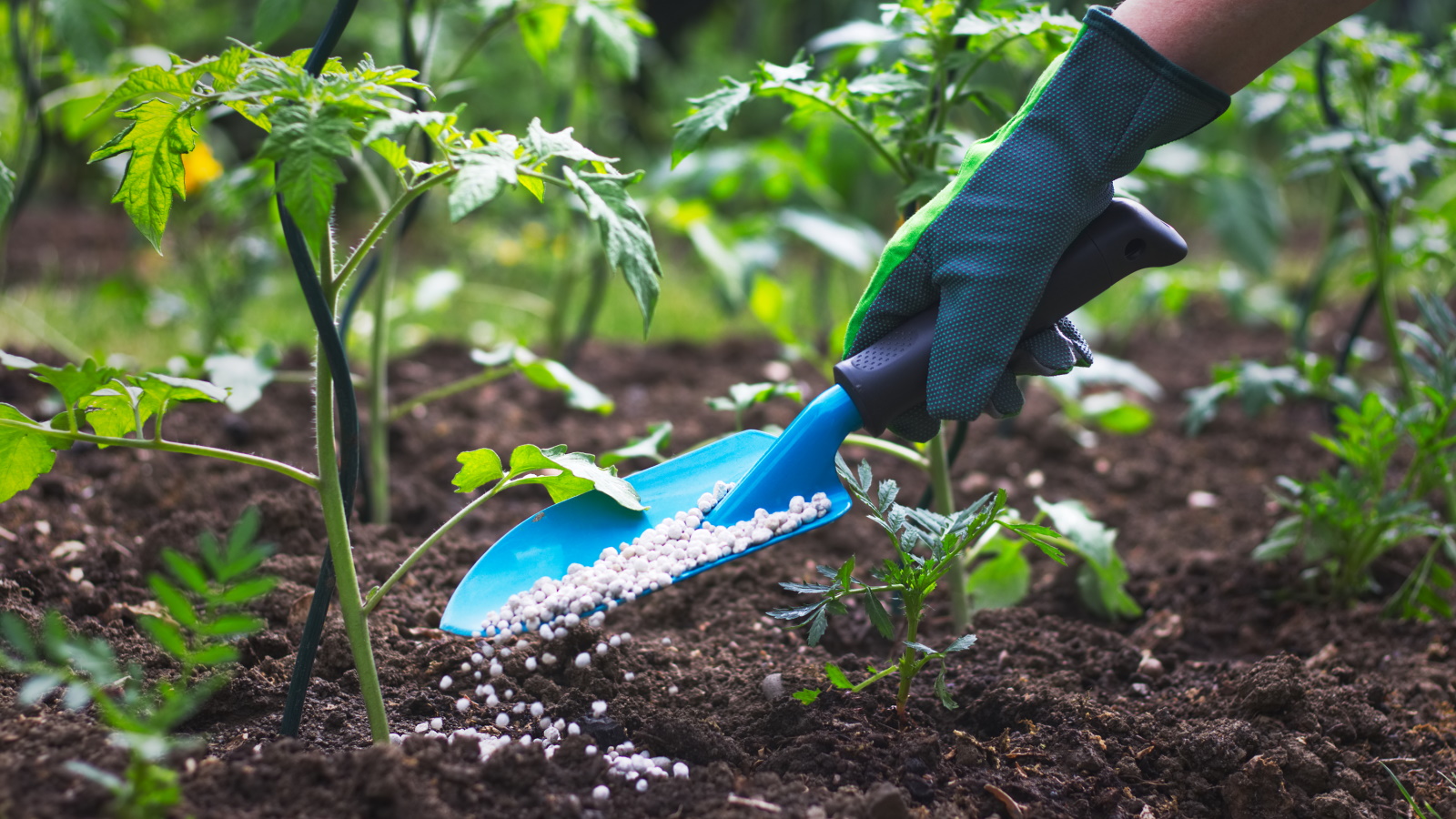
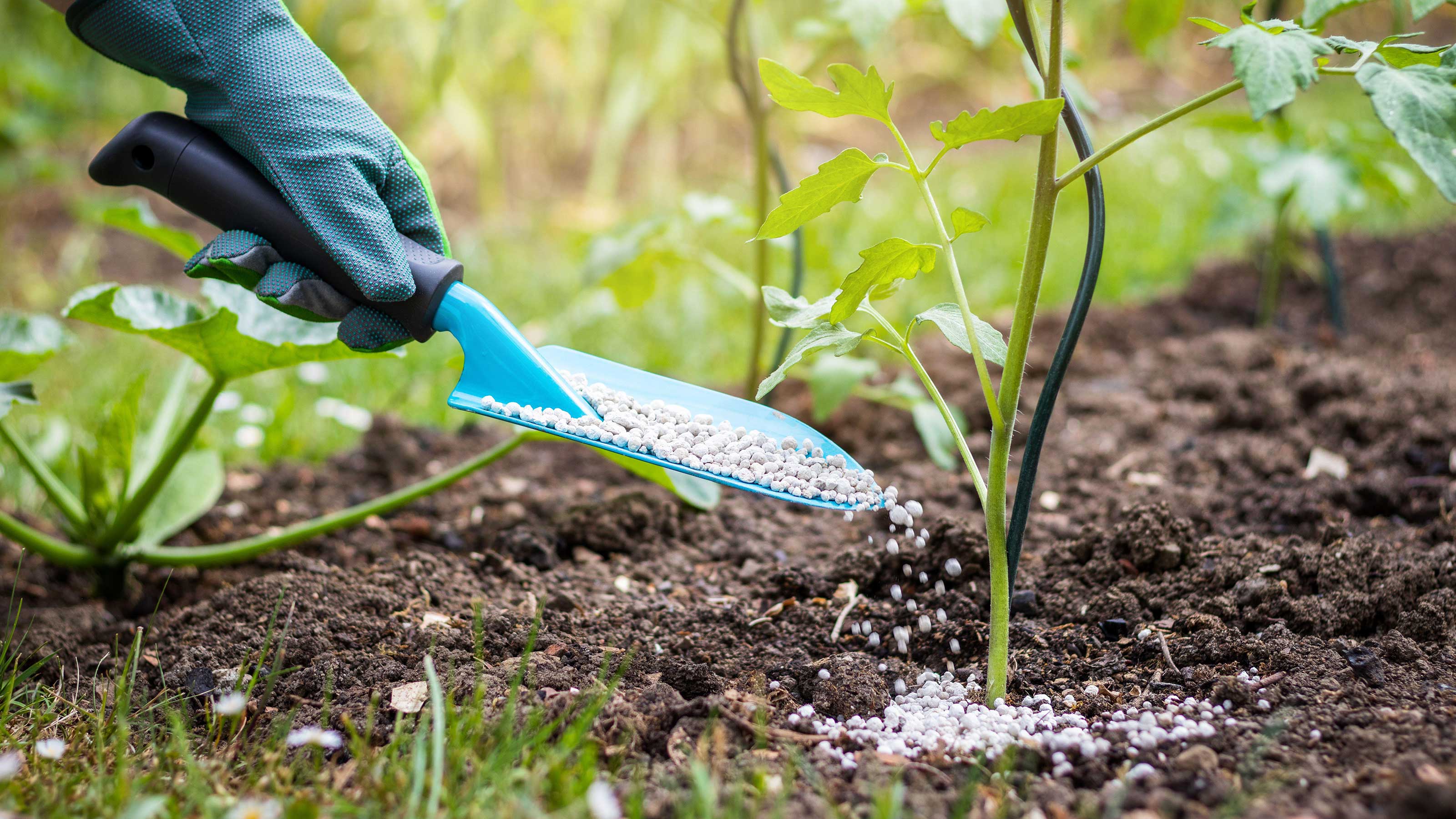
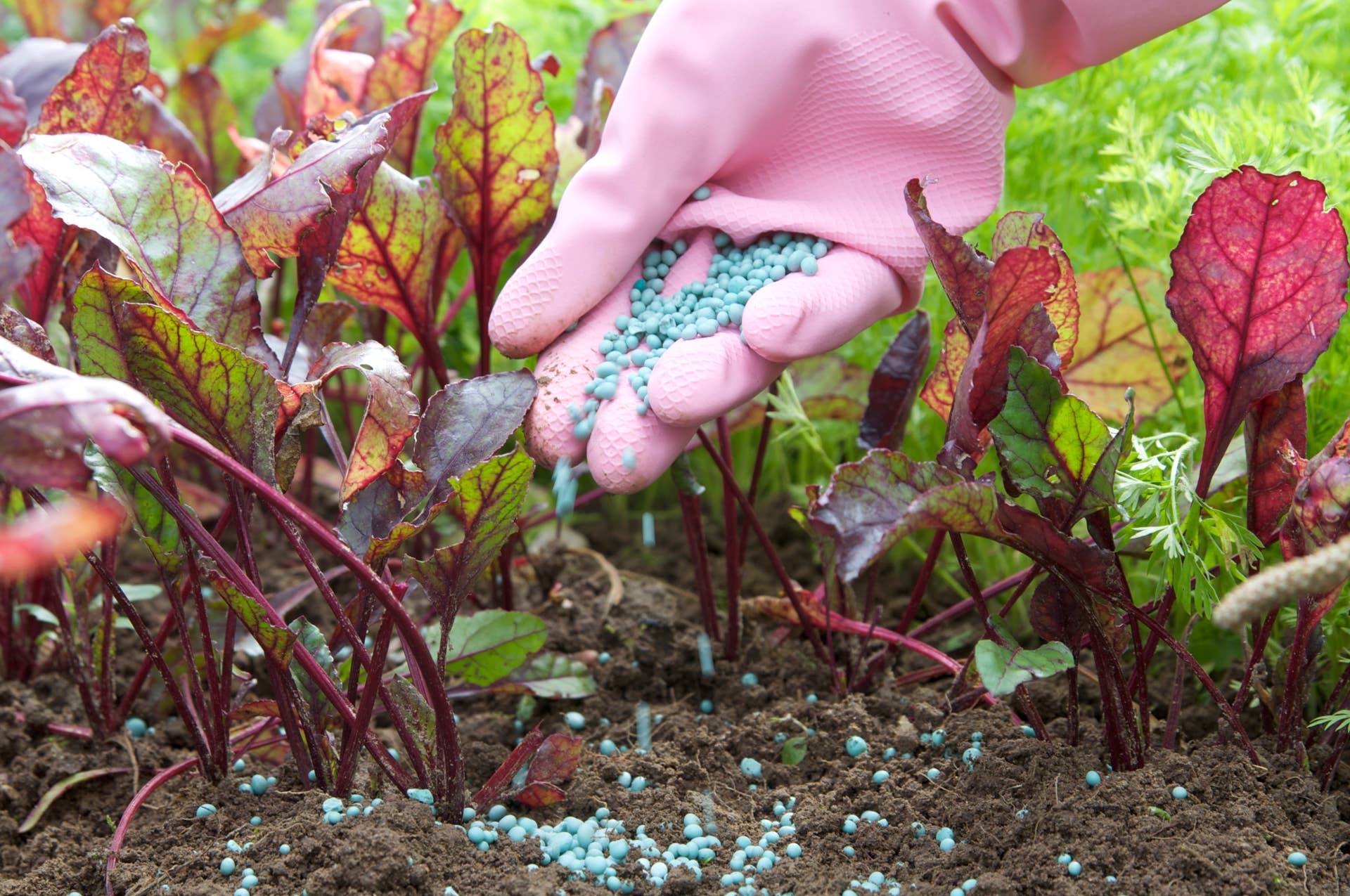
To fertilize plants, choose a fertilizer suited to the plant, follow the label, and apply it to moist soil at the right time. Water as directed, keep fertilizer off leaves unless the label allows it, and avoid adding more than the plant needs.
In American gardens, the right way to feed a plant depends on what grows in the bed, the soil beneath it, and the local climate. A tomato plant in a sunny Texas garden may need a different feeding plan from a fern in a New York home. Even two plants in the same yard can have different needs.
Fertilizer supplies nutrients that plants use to build roots, stems, leaves, flowers, and fruit. Yet more fertilizer does not always mean better growth. Too much can burn roots, damage leaves, and wash into nearby waterways. A simple plan based on plant needs, soil conditions, and the product label is often the best place to start.
Fertilizer adds nutrients that plants need to grow. These nutrients support new leaves, strong roots, healthy stems, flowers, and fruit. Plants also need sunlight, water, air, and suitable soil, so fertilizer cannot fix every growth problem.
Healthy soil may already contain enough nutrients for some plants. A garden bed with rich soil and regular compost use can have different needs from a new raised bed filled with a low-nutrient growing mix. Testing the soil helps you avoid adding nutrients that are already present in sufficient amounts.
Fertilizer and compost are not the same thing. Fertilizer supplies nutrients in known or stated amounts, while compost adds organic matter and can supply nutrients as it breaks down. Both can be useful, but neither removes the need for proper watering, light, and drainage.
Source: thespruce.com
Supports new growth
Nitrogen helps plants make chlorophyll and grow leaves and stems. A shortage can lead to pale foliage and slow growth.
Helps roots and energy use
Phosphorus plays a role in energy transfer and normal root development. Adding extra phosphorus does not guarantee more flowers or fruit.
Helps water balance and plant strength
Potassium supports several plant functions, including water regulation and enzyme activity. Plants need it in the right amount, not in unlimited supply.
What Are the Three Numbers on Fertilizer?
Most packaged fertilizers display three numbers, such as 10-10-10 or 5-10-5. These numbers show the percentage by weight of nitrogen, phosphate equivalent, and potash equivalent, in that order. They are commonly called the NPK numbers.
For example, a 10-10-10 fertilizer contains 10 percent nitrogen, 10 percent phosphate equivalent, and 10 percent potash equivalent by weight. The numbers do not tell you every nutrient in the product, and they do not mean that every plant needs equal amounts of all three.
Choose an NPK ratio based on the plant, soil test, and product directions. A high-nitrogen product may suit some leafy crops, but it can encourage excess leaf growth at the expense of flowers or fruit in certain settings.
Nitrogen (N)
Supports chlorophyll production and leafy growth.
Phosphorus (P)
Supports energy transfer, root function, and reproductive growth.
Potassium (K)
Supports water regulation, enzyme activity, and normal plant function.
How Do You Fertilize Plants Step by Step?
The safest way to fertilize most plants is to identify their needs, select a suitable product, measure the correct dose, and apply it as directed. Do not start by pouring fertilizer around a plant just because its leaves look pale. Yellow leaves can also result from excess water, poor drainage, low light, pests, or root damage.
Before you begin, gather the fertilizer label, a measuring tool, water, and any gloves recommended by the product. For garden beds, a soil test may help you decide whether fertilizer is needed and which nutrients to supply.
Source: lettucegrowsomething.com
Step 1: Identify the plant
Find out whether you are feeding a houseplant, flowering annual, perennial, shrub, lawn, or vegetable crop. Each group can have different nutrient needs.
Step 2: Check the growing conditions
Look at the soil or potting mix, drainage, recent watering, light, and signs of pests. Address obvious care problems before assuming the plant needs food.
Step 3: Choose a suitable fertilizer
Select a product labeled for the plant or growing use. Check the nutrient ratio, application method, dose, and any limits on when it can be used.
Step 4: Measure the dose
Use the amount stated on the label for the plant, container size, or garden area. Do not guess or add extra to speed up growth.
Step 5: Apply it correctly
Place granular fertilizer where the directions specify or use a diluted liquid product as directed. Keep concentrated fertilizer away from stems and foliage unless the label gives other instructions.
Step 6: Water when required
Many granular products need watering after application. Follow the label because release methods and application rules differ.
Step 7: Watch the plant
Check for new growth, leaf color, and signs of stress over the following days and weeks. Do not repeat the dose early just because growth is not immediate.
Should You Fertilize Wet or Dry Soil?
For many garden and potted plants, applying fertilizer to slightly moist soil helps reduce the risk of concentrated salts touching dry roots. If the soil is bone dry, water it first when suitable, then apply the fertilizer according to its label.
Do not fertilize waterlogged soil. Saturated soil can lack the air roots need, and adding fertilizer will not solve that problem. Improve drainage and let the growing medium reach a suitable moisture level before feeding.
Dry soil
Check whether the plant needs water first. Avoid placing concentrated fertilizer around dry, stressed roots.
Moist, well-drained soil
This is often a suitable starting point for soil-applied fertilizer, subject to the product directions.
Waterlogged soil
Pause feeding and address excess water and drainage.
How Far From the Stem Should Fertilizer Go?
Avoid piling granular fertilizer against a plant’s stem or trunk. Spread it over the area specified on the label, which may include the root zone beneath the outer branches of a shrub or tree. Keep the material away from exposed roots and stems unless the instructions state otherwise.
For small potted plants, use a product and dose suitable for the container. A spoonful meant for a large outdoor bed can be far too much for a small pot.
For garden beds
Spread fertilizer evenly over the labeled treatment area rather than leaving dense piles in a few spots.
For trees and shrubs
Follow the product directions for the root zone and plant size. Do not automatically place all fertilizer next to the trunk.
Which Type of Plant Fertilizer Should You Use?
The best fertilizer type depends on how quickly nutrients are needed, how often you can feed, and where the plant grows. Granular products are useful for many garden beds, liquid fertilizers can be easy to measure for container plants, and controlled-release products supply nutrients over a longer period.
Organic and synthetic fertilizers can both supply plant nutrients. The source alone does not tell you whether a product is right for a plant or safe at any dose. Nutrient concentration, release rate, soil conditions, and label directions matter.
Source: queleparece.com
Granular fertilizer
Dry granules are spread over soil or mixed into it when the product allows. Some release nutrients quickly, while others are designed to release them over time.
Liquid fertilizer
A concentrated liquid or soluble powder is mixed with water at the labeled rate. It can suit container plants and other situations where measured feeding is useful.
Controlled-release fertilizer
Coated granules release nutrients over a stated period that depends on the product and conditions. Heat and moisture can affect how quickly some formulations release nutrients.
Organic fertilizer
Products made from plant, animal, or other permitted organic materials can supply nutrients at varying rates. Some need microbial activity before their nutrients become available to plants.
Water-soluble fertilizer
This type dissolves in water for application. Measure carefully because a strong mix can damage roots or leaves.
Organic Fertilizer or Synthetic Fertilizer?
Organic fertilizers may include composted manure, plant-based meals, and other materials made from organic sources. Their nutrient content and release rate can vary, so check the product analysis and directions. Fresh manure is not a safe substitute for properly managed compost, especially around crops eaten raw.
Synthetic or mineral fertilizers provide nutrients in manufactured or processed forms. Many offer clearly stated nutrient amounts and predictable directions for use. They can still harm plants or the environment when overapplied.
Neither category is automatically best for every garden. Organic matter can improve soil structure over time, while a measured fertilizer can correct a known nutrient need. Soil tests and the plant’s requirements should guide the choice.
Choose organic materials when
You want to add organic matter or use a suitable organic nutrient source, and you can account for its nutrient content and release rate.
Choose a mineral fertilizer when
You need a clearly labeled nutrient ratio and a measured application that fits the plant and soil conditions.
Can You Use One Fertilizer for Every Plant?
A general-purpose fertilizer may work for several plants when its nutrient ratio and dose match their needs. It is not a universal answer. Acid-loving plants, container plants, lawns, and fruiting crops may need different care plans.
Do not buy or apply a special fertilizer simply because a plant has a special name. Check whether the plant has a documented nutrient requirement or whether the soil actually lacks a nutrient before changing products.
General-purpose products
Can suit a range of plants when the label lists the intended uses and the soil or potting mix needs those nutrients.
Specialized products
Can help when a particular plant or soil condition calls for a different nutrient balance or pH-related approach.
When Should You Fertilize Plants?
Fertilize plants when their growth stage, nutrient needs, and growing conditions support feeding. Many plants need more nutrients during active growth than during dormancy. The right time still varies by plant type, climate, and fertilizer formula.
In much of the United States, spring is a common time to begin feeding actively growing plants. In warmer parts of the South, growth may start earlier. In colder regions, outdoor plants may remain dormant longer, so the calendar alone is not enough to set the schedule.
A product labeled for monthly use should not automatically be applied every month to every plant. Some fertilizers are designed for one application that releases nutrients over time, while others need more frequent use.
Source: positivebloom.com
Spring
Check whether perennials, shrubs, vegetables, and houseplants have resumed active growth. Feed only when the plant and product call for it.
Summer
Continue feeding eligible plants according to the label. Avoid adding fertilizer to heat-stressed, drought-stressed, or waterlogged plants until their conditions improve.
Fall
Reduce or stop feeding many plants as growth slows. Avoid late applications that could encourage tender growth before cold weather when this conflicts with the plant’s care guidance.
Winter
Many outdoor plants are dormant and need little or no fertilizer. Indoor plants may continue to grow if they receive enough light and warmth, but growth can slow in winter.
How Often Should You Fertilize Plants?
There is no single schedule that fits all plants. A liquid fertilizer might be used at a labeled interval, while a controlled-release product may supply nutrients for weeks or months. Some established plants in fertile soil need little added fertilizer.
Start with the product label and the plant’s care requirements. Keep a simple record of what you applied and when. This makes it easier to avoid accidental repeat doses, especially when more than one person cares for the garden.
Houseplants
Feed during active growth when the plant and potting mix need nutrients. Reduce or pause feeding when growth slows, unless the plant’s care needs indicate otherwise.
Vegetables
Use crop-specific guidance and soil test results. Some crops benefit from nutrients at planting and later stages, while others need less added fertilizer.
Trees and shrubs
Base feeding on plant health, growth, soil conditions, and local recommendations. Do not fertilize mature plants by habit alone.
Lawns
Use local lawn recommendations, grass type, season, and soil test results to guide feeding. Avoid applying fertilizer before heavy rain.
Should You Fertilize a Newly Planted Plant?
A new plant may need time to establish its roots before it can use added nutrients well. Follow the plant’s planting guidance and the fertilizer label instead of applying a strong dose immediately after planting.
Some potting mixes and nursery containers already contain fertilizer. Check the packaging or ask the nursery what was used before adding more. An early extra dose can increase the risk of root injury.
Before planting
Use soil test results and crop guidance to decide whether to add nutrients to a garden bed.
After planting
Water as needed for establishment and follow the plant’s recommended feeding schedule.
How Do You Fertilize Different Types of Plants?
The basic method stays the same, but the right product, dose, and timing change with the plant. A potted fern has a small amount of growing medium, while a vegetable bed has a larger soil area and may grow several crops in one season.
Use these plant-specific points as a starting guide. Always check the care requirements for the exact plant and follow the fertilizer label.
Source: goodhomegarden.com
Houseplants
Use a fertilizer suitable for indoor plants and apply it to the potting mix at the labeled rate. Avoid feeding a plant that is already stressed by poor drainage or damaged roots.
Flowering annuals
Feed actively growing annuals according to their needs and the product directions. Too much nitrogen can encourage leaves at the expense of blooms in some plants.
Perennials
Check the soil and the plant’s growth needs before feeding. Many established perennials do not need repeated heavy fertilizer applications.
Vegetables
Use a soil test and crop-specific guidance to plan nutrients. Leafy crops, root crops, and fruiting crops do not always need the same fertilizer balance.
Fruit trees
Consider tree age, growth, soil conditions, and local recommendations. Excess fertilizer can encourage unwanted growth and may reduce fruit quality in some settings.
Lawns
Match the fertilizer to the grass type and local season. Sweep granules off sidewalks and driveways so they do not wash into storm drains.
How Do You Fertilize Houseplants?
First, check whether the potting mix already contains nutrients and whether the plant is actively growing. Then use an indoor plant fertilizer at the rate and interval on its label. If the product calls for dilution, measure both the fertilizer and water carefully.
Apply the mix evenly to the potting medium. If the potting mix is extremely dry, assess the plant’s watering needs before feeding. Do not leave the pot standing in fertilizer solution unless the product specifically calls for that method.
Small pots can accumulate soluble salts because water and nutrients have limited space to move. Ensure the container drains well, and flush the potting mix with plain water when appropriate for the plant and growing medium. Avoid excessive flushing if the plant cannot tolerate wet roots.
Watch for salt buildup
A white crust on the potting mix or pot rim can be a warning sign. Review fertilizer use and water quality before adding another dose.
Use the correct dose
Do not use a garden-bed dose for a small indoor pot. Follow the directions for the container and plant.
How Do You Fertilize a Vegetable Garden?
For vegetables, begin with a soil test when possible. The results can show whether the bed needs nitrogen, phosphorus, potassium, or a pH adjustment. This matters because adding nutrients that are already abundant can waste money and harm the environment.
Before planting, incorporate only the amendments recommended for the crop and soil. Some vegetables need a later feeding as they grow, while others can be harmed by excessive nutrients. Follow local extension guidance for the crop and growing region.
For example, a tomato plant may need a planned nutrient supply during growth and fruit production, but a high-nitrogen dose can produce lush foliage without the fruiting response you want. Use a fertilizer intended for vegetables and follow the crop-specific directions rather than guessing from leaf size alone.
Before sowing or planting
Test the soil and prepare the bed according to the crop’s needs.
During active growth
Apply additional nutrients only when the crop plan, soil results, or product instructions call for them.
Near harvest
Check whether further feeding is appropriate for the crop and harvest stage. More fertilizer is not always helpful.
How Do You Fertilize Flowers and Shrubs?
Flowering plants and shrubs need adequate nutrients, but their needs vary widely. Some grow well with little extra fertilizer, while plants in containers or nutrient-poor beds may need regular feeding. Begin by checking the plant’s growing requirements and the condition of the soil.
Spread granular fertilizer evenly over the labeled root zone and water it in if instructed. Avoid concentrating it around the trunk or at the base of stems. For container flowers, use a dose suitable for the potting mix and container size.
If a shrub has plenty of green leaves but few flowers, do not assume it needs more fertilizer. Pruning at the wrong time, too much shade, immature growth, or other growing conditions may be the cause.
For annual flowers
Use a suitable feeding schedule during active growth and watch for excess leaf growth or leaf-tip damage.
For established shrubs
Check soil conditions and growth before applying fertilizer. Mature shrubs may need less than newly established or container-grown plants.
How Much Fertilizer Should You Use?
Use the dose on the product label for the intended plant and application area. The correct amount depends on the fertilizer concentration, the size of the treatment area, the plant’s needs, and how quickly the nutrients become available.
Never assume that a larger dose will fix slow growth. Excess fertilizer can raise salt levels around roots, damage plant tissue, and add nutrients to runoff. A soil test is especially useful when you need to decide how much fertilizer to apply to a garden bed or lawn.
If the label gives an amount per square foot, measure the area before applying. For a rectangular bed, multiply its length by its width using the same unit of measurement. Then follow the product’s stated rate for that area.
Source: qaqooking.wiki
Measure the area
For a bed that is 8 feet long and 4 feet wide, multiply 8 by 4 to get 32 square feet. This is a hypothetical example for calculating area, not a fertilizer recommendation.
Read the application rate
If a label specifies a quantity per square foot, use that rate for the measured area. Do not apply the example as a universal dose.
Use the right measuring tool
A measuring cup, spoon, or scale may be suitable depending on the label. Do not estimate a concentrated product by eye.
Account for existing nutrients
Use soil test results and previous applications to avoid adding more of a nutrient than the plant or soil needs.
Can You Use Half the Recommended Strength?
Some houseplant care plans use a diluted fertilizer mix, but a half-strength dose is not right for every product or plant. Follow the label and any reliable guidance for the specific plant. Certain controlled-release products, dry granular products, and specialty formulas are not meant to be adjusted in the same way as liquid concentrates.
If you are unsure whether a plant needs feeding, checking its care requirements and the potting mix is better than choosing an arbitrary dose. Weak growth alone does not prove that nutrients are lacking.
For liquid concentrates
Measure the exact amount of product and water required by the instructions.
For dry products
Use the labeled quantity and application method. Do not dissolve a granular product unless the manufacturer allows it.
Signs Your Plant Needs Fertilizer
Slow growth, pale leaves, and poor flowering can sometimes point to a nutrient shortage. However, these signs are not enough to identify a specific deficiency. Water stress, low light, damaged roots, pests, disease, and unsuitable soil pH can cause similar symptoms.
Look at the whole plant and its growing conditions before you feed it. Note which leaves changed first, how quickly the symptoms appeared, and whether the plant recently moved, dried out, or received a new dose of fertilizer.
Source: thegardencrafter.com
Older leaves turn pale
A nitrogen shortage can cause older leaves to lose their green color, but other causes are possible. Check drainage, root health, and the plant’s nutrient needs.
Growth remains slow
Low nutrients may be one cause. Also check sunlight, temperature, watering, pot size, and whether the plant is naturally slow-growing.
Leaves show unusual colors
Some nutrient shortages can cause yellowing, reddish tones, or other color changes. Soil pH and root problems can also limit nutrient uptake.
Flowering or fruiting is poor
Nutrient balance may play a role, but shade, pruning, plant age, pollination, and weather can also affect flowers and fruit.
What If the Soil Has Nutrients but the Plant Still Looks Unwell?
A plant may struggle to absorb nutrients even when the soil contains enough of them. Soil pH affects how available some nutrients are, while waterlogged soil can restrict root function. Compacted soil, root disease, and damaged roots may also interfere with uptake.
Check the plant’s preferred soil conditions and compare them with the actual growing medium. For garden beds, a soil test can help identify pH problems and nutrient levels. For a houseplant, inspect drainage and roots if the potting mix stays wet for too long or has a sour smell.
Avoid adding several fertilizers or micronutrient products at once. A measured diagnosis is more useful than treating every possible deficiency, and it reduces the chance of creating a new nutrient imbalance.
Check pH
Find out whether the growing medium falls within the plant’s suitable pH range.
Check water and roots
Look for prolonged wetness, dry root balls, poor drainage, and visible root damage.
Test before adding more
Use a suitable soil test when symptoms persist or when you are considering a major nutrient adjustment.
Common Fertilizing Mistakes to Avoid
Most fertilizer problems come from applying the wrong product, using too much, or feeding at the wrong time. A plant that looks weak may need better light or drainage rather than another dose of nutrients. Correcting the cause first can save the plant and prevent wasted fertilizer.
Store fertilizer in its original container, follow the label, and keep it away from children, pets, food, and water sources as directed. Wash your hands after handling it, and wear any protective gear listed on the label.
Source: study.com
Overfertilizing
Too much fertilizer can cause brown leaf tips, scorched roots, salt buildup, and abnormal growth. Stop feeding and review the product directions if these signs appear.
Feeding a stressed plant
A plant suffering from drought, heat, waterlogged soil, or root damage may be harmed by extra fertilizer. Address the stress first.
Ignoring the weather
Heavy rain can carry nutrients into drains and waterways. Avoid applying fertilizer when runoff is likely or when the label advises against it.
Mixing products without checking
Some products are incompatible or unsafe to combine. Never mix fertilizers, pesticides, or other garden chemicals unless the labels permit it.
Using fertilizer as a cure-all
Fertilizer does not cure pests, plant diseases, poor light, or bad drainage. Identify the problem before treating it.
How Can You Fix Overfertilization?
If you suspect fertilizer burn, stop applying fertilizer and check the product label. Look for crusts on the soil, brown leaf edges, wilting despite moist soil, or sudden damage after feeding. These signs can have other causes, so consider the timing and recent care changes.
For a pot with good drainage, flushing the growing medium with plain water may help remove excess soluble salts if the plant tolerates the added water. Allow the pot to drain fully. Do not flush a plant with severe root rot or a mix that remains saturated, because more water can worsen the problem.
For an outdoor bed, avoid adding more nutrients and prevent fertilizer from washing into drains. If a large amount was spilled or applied, follow the product’s cleanup guidance and seek local extension advice when the amount or risk is unclear.
Stop feeding
Do not add another dose while the cause of the damage remains uncertain.
Check the growing medium
Assess moisture, drainage, salt buildup, and root condition before deciding whether flushing is suitable.
Resume with care
Wait for the plant to recover and confirm that further feeding is needed before restarting the normal schedule.
Can Fertilizer Harm the Environment?
Yes. Excess nitrogen and phosphorus can move from gardens and lawns into streams, lakes, and other waters. These nutrients can contribute to excessive algae growth and poor water quality.
Use the amount needed, sweep spilled granules from hard surfaces, and keep fertilizer out of storm drains. Follow local rules for fertilizer use, including any seasonal restrictions that apply in your area.
Prevent runoff
Do not apply fertilizer before heavy rain or to saturated ground when runoff is likely.
Keep it on the target area
Collect spilled fertilizer from sidewalks and driveways instead of washing it away with a hose.
Follow local guidance
Check local extension or environmental agency recommendations for lawns, vegetable beds, and areas near waterways.
A Simple Fertilizing Plan for Beginners
A basic plan can help you feed plants without guessing or applying fertilizer too often. Start by grouping plants according to their needs rather than treating every plant in the yard as one group. Keep notes about the products you use, their doses, and the dates of application.
For an outdoor garden, begin with the soil and the plant’s growing season. For houseplants, check the potting mix and whether the plant is actively growing. Use the product label as your guide for dose and interval, then adjust only when reliable information supports a change.
Source: inkl.com
At the start of the growing season
Review plant health, check soil test results if available, and identify which plants need added nutrients.
Before each application
Check the label, measure the dose, and confirm that the soil and weather conditions are suitable.
After feeding
Water as directed, note the application date, and check for signs of stress.
When growth slows
Review the season and plant type before applying more. Many plants need less fertilizer during dormancy or slow growth.
A Quick Example for a Small Home Garden
Suppose you grow tomatoes in a raised bed, flowers in pots, and a pothos plant indoors. These plants should not all receive the same fertilizer dose or schedule. The tomato bed may need a soil test and a crop-specific feeding plan, while the potted flowers need a product suited to containers.
The pothos may need occasional feeding during active growth, depending on the potting mix and its current condition. If the plant has pale leaves because its roots stay wet, adding fertilizer will not solve the problem. Correct watering and drainage first, then reassess its nutrient needs.
This approach keeps the process simple: identify the plant, check its growing conditions, choose the right product, measure carefully, and review the result. It also makes it easier to spot patterns when a plant does not respond as expected.
Tomato bed
Use soil test results and guidance for the tomato crop to plan nutrient applications.
Potted flowers
Choose a suitable container-plant fertilizer and follow the labeled dose and interval.
Indoor pothos
Feed only when needed during active growth, and check water and root health if the leaves look unhealthy.
Frequently Asked Questions
Q
Should You Water Plants Before or After Fertilizing?
For many plants, slightly moist soil is a good starting point. Water dry soil first when suitable, then apply fertilizer according to the label. Some products require watering after application, while liquid fertilizers may already be mixed with water. Always follow the instructions for the exact product.
Q
Can You Fertilize Plants Every Week?
Some diluted liquid fertilizers are labeled for frequent use, but weekly feeding is not right for every plant or product. Other fertilizers release nutrients over a longer period and should not be reapplied weekly. Follow the label and account for the plant’s growth, potting mix, and existing nutrients.
Q
Is Coffee Good for Plants as Fertilizer?
Used coffee grounds contain some nutrients and organic matter, but they are not a complete, predictable fertilizer. Thick layers of grounds can affect the soil surface and moisture movement. Composting the grounds with other suitable materials is often a more useful way to reuse them than adding large amounts directly to plant roots.
Q
Can You Use Too Much Organic Fertilizer?
Yes. Organic fertilizers can still supply excess nutrients or salts when applied in large amounts. Fresh or poorly handled manure can also pose food-safety risks. Check the product’s nutrient content, follow the label, and use soil test results when deciding how much to add.
Q
Why Is My Plant Turning Yellow After Fertilizing?
Yellow leaves after feeding can indicate fertilizer burn, excess soluble salts, or root stress. Overwatering, poor drainage, pests, and other problems can cause similar symptoms. Stop feeding for now, review the product and dose, and check the moisture and condition of the roots before deciding on the next step.
Q
Do Indoor Plants Need Fertilizer in Winter?
Many indoor plants need less fertilizer in winter because shorter days and lower light can slow growth. If a plant continues to grow well in bright, warm conditions, it may still need some nutrients. Let the plant’s growth, potting mix, and fertilizer label guide the decision rather than following a fixed winter rule.
✦ Wrapping Up
Conclusion
To fertilize plants well, start with the plant’s needs rather than the fertilizer bag. Check the soil or potting mix, choose a suitable product, measure the dose, and apply it at the right time. Water as directed and give the plant time to respond before considering another application.
Remember that healthy growth depends on more than nutrients. Good light, suitable watering, proper drainage, and healthy roots all play a part. When symptoms persist, a soil test or reliable local plant-care advice can help you find the cause instead of adding fertilizer that may not be needed.
💡 Key Takeaway
Before your next feeding, identify the plant, check the fertilizer label, and confirm that the soil needs nutrients. Measure the dose carefully, apply it as directed, and record the date so you can avoid overfeeding.