To grow a gardenia plant indoors, give it bright indirect light, evenly moist acidic soil, high humidity, and steady temperatures. Keep it away from hot air vents and cold drafts. With the right care, a potted gardenia can grow healthy green leaves and produce fragrant white flowers indoors.
Gardenias are popular flowering shrubs in the United States, especially in Southern gardens where their white blooms and rich scent are well known. Growing one inside your home takes more care than growing many common houseplants. Dry indoor air, low winter light, and sudden changes in temperature can all affect its growth.
The key is to create a steady growing space. Place your gardenia near a bright window, use a pot with drainage holes, and choose a loose, acidic potting mix. Check the soil before watering rather than following a strict daily schedule. Small changes in light, moisture, and humidity can make a real difference to the plant‘s health.
This guide explains how to grow a gardenia plant indoors, from choosing a suitable spot to encouraging blooms and fixing common problems. The advice applies to typical potted gardenias grown in U.S. homes. Your local climate, window direction, heating system, and plant variety will affect the care it needs.
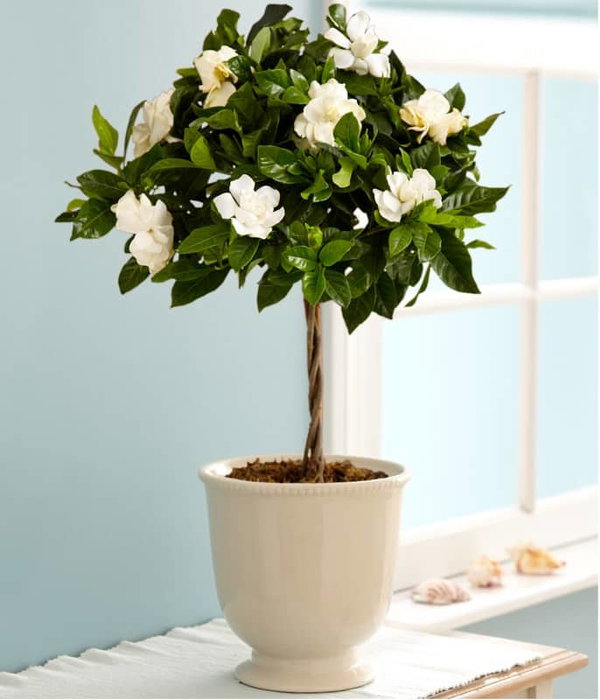
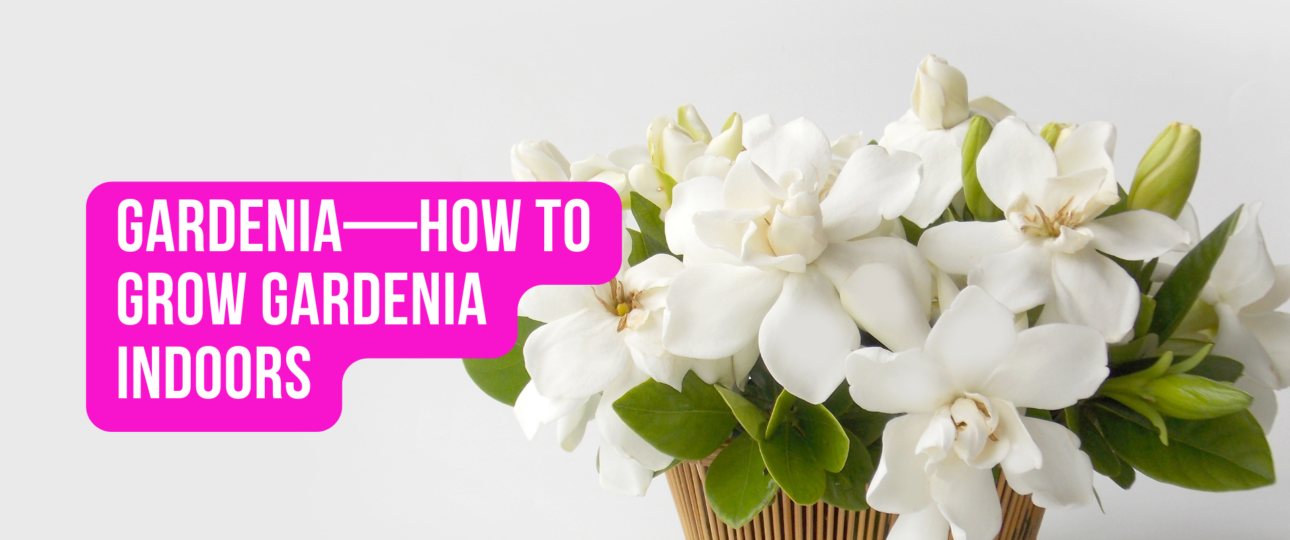
Start with a healthy potted gardenia from a nursery or garden center. Gardenias belong to the genus Gardenia, and the species most often sold for fragrant flowers is Gardenia jasminoides. It has glossy green leaves and white flowers that may turn cream-colored as they age.
Gardenias can grow indoors, but they are not always easy houseplants. They need more light and humidity than many foliage plants. A plant that looks healthy in a warm, humid greenhouse may struggle after you bring it into a dry room with less sunlight.
Look for a plant with firm green leaves, sturdy stems, and no obvious signs of insects. A few older yellow leaves do not always mean a plant is unhealthy, but widespread yellowing, sticky residue, fine webbing, or many dropped buds should prompt a closer check.
A compact gardenia is often easier to manage indoors than a large shrub. Check the plant label for its expected mature size and care needs. Some varieties are bred to stay smaller, though all gardenias still need suitable light, moisture, and humidity.
Source: balconygardenweb.b-cdn.net
Check the leaves
Choose a plant with mostly firm, green leaves and no heavy spotting, webbing, or clusters of insects.
Inspect the soil
Avoid plants sitting in waterlogged soil or pots with a sour smell, which may point to poor drainage or root trouble.
Look for healthy buds
Flower buds are a useful bonus, but strong leaves and healthy stems matter more than buying a plant covered in buds.
Can You Grow Gardenias Indoors All Year?
Yes, you can keep a gardenia indoors throughout the year if you can provide enough light and suitable growing conditions. In many U.S. homes, winter is the hardest season because days are shorter and heating systems lower indoor humidity.
A sunny window may work well in spring and fall but become too hot in summer or too cold during winter nights. Watch the leaves and soil, and adjust the plant’s position when seasonal conditions change.
Best starting point
Try a bright east-facing window or a bright spot near a south- or west-facing window with protection from harsh afternoon sun.
Give Your Indoor Gardenia Enough Light
Bright light is one of the most important parts of indoor gardenia care. A gardenia needs enough energy from light to support new leaves and flower buds. A room that feels bright to you may still be too dim for a flowering shrub.
Place the plant close to a bright window, but watch how direct sunlight reaches its leaves. Gentle morning sun often works well. Strong afternoon sun through glass can heat the leaves and dry the pot quickly, especially during summer.
East-facing windows are often a good starting point because they provide morning light. South- and west-facing windows may also work, although the plant may need to sit a little farther from the glass or behind a sheer curtain during hot weather. North-facing windows are often too dim unless they provide unusually strong light or you add a grow light.
Turn the pot a little every week or two if one side grows toward the window. This helps the plant develop a more balanced shape. Avoid moving it to a completely different environment every few days, since frequent changes can add stress.
Source: saltyvixenstories.com
Signs of too little light
Weak, stretched growth and a lack of flowers may suggest that the plant needs a brighter location. Other factors, including temperature and nutrition, can also affect blooming.
Signs of excessive direct sun
Dry, pale, or scorched patches on leaves may point to intense sunlight or heat, especially after a sudden move to a sunnier window.
Use a grow light when needed
A suitable full-spectrum plant light can help during dark winters or in homes without a bright window. Follow the light maker’s distance and timing guidance, and allow a regular dark period.
How Much Light Does a Gardenia Need?
Aim for several hours of strong natural light each day, with bright indirect light for much of the remaining daylight period. The exact amount depends on the season, window exposure, and variety. There is no single window distance that works for every home.
Check the spot at different times of day before settling on a location. If the plant receives only weak light, move it closer to a suitable window or add a grow light. If leaves heat up against the glass, move the pot back slightly.
Practical check
Read a book or examine the leaves near the proposed spot during daylight. If the area stays dim for most of the day, it may not provide enough light for reliable flowering.
Use the Right Soil and Pot
Gardenias grow best in acidic potting media that hold some moisture while allowing excess water to drain. A mix sold for azaleas, camellias, or other acid-loving plants is a practical choice. Avoid ordinary garden soil in an indoor container because it may compact, drain poorly, or bring pests into the home.
The pot must have drainage holes. Without them, water can collect around the roots and reduce the oxygen they need. A decorative outer pot is fine, but empty any water that gathers inside it after watering.
Choose a container only a little larger than the root ball when repotting. An oversized pot holds more wet mix than the roots can use, which can increase the risk of root problems. A pot that is too small, on the other hand, may dry out very quickly and leave little room for root growth.
Do not repot a healthy plant just because you want it in a larger decorative container. Repot when roots crowd the pot, water runs through unusually quickly, or the plant dries out much faster than before. If the plant is flowering, wait until flowering has finished unless the current pot has a serious drainage problem.
Source: gardengloweasy.com
Suitable potting mix
Use a loose, acidic mix made for acid-loving plants, with enough structure to retain moisture without becoming soggy.
Good drainage
Select a pot with open drainage holes and remove excess water from the saucer after watering.
Correct pot size
Choose a pot that fits the current root ball rather than moving a small plant into a very large container.
Why Soil pH Matters
Soil pH describes how acidic or alkaline the growing medium is. Gardenias prefer acidic conditions, often around pH 5.0 to 6.0. When the mix becomes too alkaline, the roots may struggle to take up iron and other nutrients even when those nutrients are present.
If yellow leaves persist despite sensible watering and good light, check the growing mix and, where practical, its pH. Do not add vinegar, sulfur, or other acidifying materials by guesswork. The right treatment depends on the mix, water, and actual pH.
Simple choice
Start with a quality potting mix labeled for acid-loving plants instead of trying to correct an unsuitable mix with household ingredients.
Water Your Gardenia the Right Way
Water your gardenia when the top layer of potting mix begins to dry, while keeping the root zone lightly moist. Gardenias do not like to dry out completely, but constantly wet soil can damage the roots. The goal is steady moisture, not a pot that stays soaked.
Check the soil with a finger before you water. If the surface feels dry but the mix below is still slightly moist, check again later. If the upper layer has dried and the mix is beginning to lose moisture through the root zone, water thoroughly.
Pour water slowly over the soil until it flows from the drainage holes. This helps wet the root ball more evenly than giving the plant a small splash each day. Let the pot drain, then empty the saucer or decorative container.
Your watering schedule will change with the season. A plant near a sunny window may use water quickly during summer, while growth slows in a dim winter room. Pot size, room temperature, humidity, and root health also affect how often the soil dries.
Water quality can matter when tap water contains high levels of dissolved minerals. If you see a crust on the soil or pot rim, or persistent leaf problems, consider checking your local water report. Rainwater or low-mineral water may help in some cases, provided it is collected and stored cleanly.
Source: cdn.mos.cms.futurecdn.net
Water thoroughly
Wet the full root ball and allow excess water to drain rather than adding frequent small amounts.
Avoid standing water
Do not leave the pot sitting in a full saucer, sink, or outer container after watering.
Check before watering again
Use the feel of the soil and the weight of the pot instead of relying on a fixed weekday schedule.
How Can You Tell If You Are Overwatering?
Overwatering is not just about giving too much water at one time. It often happens when the mix stays wet for too long because drainage is poor, the pot is too large, or the room is cool and dim. Roots can lose access to oxygen and begin to fail.
Yellowing leaves, limp growth, a persistently wet mix, and a sour smell can point to root trouble. These signs are not proof on their own, so check the soil and drainage before changing your care routine. If the plant wilts while the mix remains wet, do not assume it needs more water.
First response
Empty standing water, confirm that drainage holes are open, and allow the mix to lose some moisture before watering again. Inspect the roots if the plant continues to decline.
What If the Soil Dries Out Too Fast?
A gardenia that wilts soon after watering may have a crowded root ball, a very small pot, hot exposure, or a mix that no longer absorbs water evenly. Check whether water flows straight down the sides while the center stays dry.
If the root ball has become very dry and water runs off, slowly soak the potting mix until it absorbs moisture, then let it drain fully. If this happens often, assess the root crowding, pot size, and growing medium instead of keeping the pot submerged.
Look for the cause
Check the root ball, pot size, window heat, and soil texture before increasing watering frequency.
Keep Humidity High Enough
Gardenias prefer humid air, which can be hard to provide in homes with central heating or air conditioning. Dry air may contribute to brown leaf edges, bud drop, and stress, especially when the plant also lacks enough water or light.
A small room humidifier is often the most useful way to raise humidity around an indoor gardenia. Place it according to the manufacturer’s directions and keep the surrounding area dry enough to prevent damp surfaces or mold. A basic hygrometer can help you check the room’s relative humidity.
Aiming for roughly 50% to 60% relative humidity is a practical starting point for many indoor gardenias, although the plant’s response and the room’s conditions matter. Some plants can cope with lower humidity if light, water, and temperature are suitable. Do not let humid air replace good airflow.
Grouping plants can create a slightly more humid local area, but the effect may be modest in a large room. A pebble tray may also offer a small local effect, yet it will not reliably humidify an entire room. If you use one, keep the bottom of the gardenia pot above the water rather than standing in it.
Frequent misting is usually a poor long-term solution. Water droplets evaporate quickly, so the humidity increase does not last. Repeatedly wet foliage without enough airflow may also encourage leaf disease.
Source: i.pinimg.com
Best practical option
Use a clean humidifier and monitor the room rather than relying on frequent misting.
Keep air moving
Allow space around the leaves and avoid trapping the plant in a cold, damp corner with little airflow.
Watch the leaves
Dry edges and bud drop can have several causes, so check moisture, temperature, and light as well as humidity.
Should You Mist an Indoor Gardenia?
You can mist the leaves lightly, but it is not a dependable way to maintain high humidity. The effect is brief, and repeated wetting may leave mineral spots on the foliage. A humidifier offers more consistent control when the room is dry.
If you do mist, use clean water and do it early enough for the leaves to dry. Avoid misting as a substitute for watering the soil, since moisture on the leaves does not meet the plant’s root needs.
Better daily habit
Check room humidity and soil moisture, then use the right method for each need.
Maintain a Steady Indoor Temperature
Gardenias do best when indoor temperatures remain fairly steady. Many grow well around 65°F to 75°F during the day, with slightly cooler nights. The ideal range can vary by cultivar, and sudden changes may be more stressful than a small shift within a suitable range.
Keep the plant away from heating vents, fireplaces, space heaters, and air-conditioning outlets. Hot air can dry the leaves and soil quickly. Cold drafts from exterior doors or winter windows can also stress the plant, even when the rest of the room feels comfortable.
Some gardenias form flower buds more readily when nights are a little cooler than days. This does not mean you should expose a tropical or subtropical plant to cold conditions. Avoid abrupt temperature drops, and follow variety-specific guidance if the plant label provides it.
Do not place a gardenia directly against cold window glass during winter. If the windowsill becomes chilly at night, move the pot a short distance into the room while keeping it in bright light. A simple room thermometer can help you spot large temperature swings.
Source: thegardenbeds.com
Avoid hot drafts
Move the plant away from vents and radiators that blow warm, dry air over the foliage.
Avoid cold shocks
Keep it away from cold doorways and windows that become very chilly at night.
Keep conditions steady
Make gradual changes to the plant’s location when seasons shift.
Can a Gardenia Grow in an Air-Conditioned Room?
Yes, if the room has enough light and the plant does not sit in a direct stream of cold air. Air conditioning can lower humidity and cause temperature swings near the outlet. Choose a spot with stable conditions and check the soil more often when the unit runs for long periods.
If the plant develops dry edges or drops buds, review the whole growing environment. Moving it away from direct airflow and improving humidity may help, but also check for poor watering, pests, and low light.
Simple adjustment
Keep the pot near a bright window but outside the direct path of the air-conditioning stream.
Feed Your Gardenia Without Overfertilizing
Gardenias need nutrients to support healthy leaves, roots, and flowers, but more fertilizer does not mean more blooms. Too much fertilizer can damage roots, cause leaf-tip burn, and lead to excess salt buildup in the potting mix.
Use a fertilizer labeled for acid-loving plants and follow its directions for container plants. During active growth, a measured feeding may help if the plant needs it. Reduce or stop feeding when growth slows in winter, and do not fertilize a plant with badly damaged roots until its condition improves.
The exact feeding schedule depends on the product, growing medium, water quality, and season. Some fertilizers are concentrated, while others release nutrients slowly. Follow the label rather than combining products or doubling a dose to make up for a missed feeding.
If the leaves turn yellow, do not assume the plant needs more fertilizer. Poor drainage, unsuitable pH, root damage, and watering problems can all affect nutrient uptake. Correct the likely cause before adding extra nutrients.
Source: i.pinimg.com
Choose a suitable formula
Look for a product intended for gardenias or acid-loving plants and use the rate listed on its label.
Feed during active growth
Adjust feeding to the plant’s growth and the product instructions rather than following the same schedule all year.
Avoid fertilizer buildup
Do not overfeed or add several products at once. If salts are suspected and drainage is good, appropriate flushing with clean water may help.
How to Recognize a Nutrient Problem
Yellowing between the veins of young leaves can be a sign of iron availability problems, often linked to growing media that are not acidic enough. Yellowing of older leaves may have other causes, including nitrogen shortage or normal leaf aging.
Leaf color alone cannot identify a specific deficiency with certainty. Check the soil moisture, drainage, pH, and recent feeding history first. If the problem continues, a suitable soil or water test can guide the next step more reliably than adding several nutrients at once.
Do not guess
Match any nutrient treatment to the likely cause and the product label. Avoid applying iron or other supplements without a reason.
Help Your Indoor Gardenia Produce Flowers
Gardenias produce their familiar white blooms when light, temperature, moisture, and plant health work together. A plant can grow leaves without flowering if the room is too dim, the temperature stays unsuitable, or the plant is under stress.
Start by checking the light. A gardenia kept several feet from a window in a dim room may survive but fail to make flower buds. Move it to a brighter spot gradually, or use a suitable grow light if natural light is limited.
Keep watering consistent while buds form. Allowing the root ball to dry out badly can stress the plant, while waterlogged soil can damage roots. Avoid moving the plant repeatedly once buds appear, because sudden changes in light, temperature, and moisture may contribute to bud drop.
Maintain enough humidity and avoid strong drafts. Buds can turn yellow or fall before opening for several reasons, so look at recent changes in the plant’s environment rather than treating bud drop as a single-condition problem.
Pruning also affects flowering. Gardenias generally form flower buds on growth produced during the preceding growing season, so heavy or poorly timed pruning may remove developing buds. If you need to shape the plant, do most trimming after its main flowering period and remove only what is needed.
Source: i.pinimg.com
Prioritize light
Give the plant a bright location before relying on fertilizer or bloom products.
Keep conditions stable
Avoid abrupt changes to watering, room temperature, or the plant’s position while buds are developing.
Prune with care
Trim lightly after flowering rather than cutting off large amounts of growth just before the expected bloom period.
Why Are My Gardenia Buds Falling Off?
Bud drop often follows a change in growing conditions. Dry soil, excess water, low humidity, poor light, temperature swings, and pest activity can all play a part. A plant moved from a humid nursery into a dry living room may also need time to adjust.
Review the last week or two. Did the plant dry out, sit in water, move to a new window, or sit near a vent? Check the undersides of leaves and the buds for pests. Make one or two targeted corrections, then keep conditions steady while the plant responds.
Avoid changing everything at once
Correct the most likely problem first so you can judge whether the adjustment helps.
How Long Does It Take an Indoor Gardenia to Bloom?
There is no single timetable for an indoor gardenia. A mature plant bought with buds may flower soon, while a young plant or one adjusting to a new home may need a longer period of healthy growth. The season and variety also affect bloom timing.
Focus on steady growth instead of a deadline. Healthy leaves, firm stems, and new growth are useful signs that the plant is settling in. Flowering is more likely when light and other conditions suit the plant.
Be patient
Give the plant time to adjust after bringing it home, and avoid forcing blooms with excessive fertilizer or sudden temperature changes.
Prune and Maintain Your Gardenia
Prune an indoor gardenia to keep its shape, remove damaged growth, and improve airflow around the plant. Most routine shaping is best done after flowering, when you can avoid removing many buds that may open later.
Use clean, sharp pruning shears. Remove dead, broken, or diseased stems first, cutting back to healthy growth. Then shorten long or uneven shoots as needed. Avoid removing a large share of the plant at once unless there is a clear reason, since heavy pruning can delay recovery and flowering.
Wipe dust from the leaves with a soft, damp cloth when needed. Clean foliage helps you inspect the plant for pests and leaf damage. Handle the leaves gently, and avoid leaving them wet for long periods in a cool room with little airflow.
Rotate the pot occasionally to support even growth, but do not move the plant constantly. Remove fallen flowers and dead leaves from the soil surface. These small tasks help keep the growing area tidy and make it easier to spot early signs of trouble.
Source: greendripgrow.com
Use clean tools
Clean pruning shears before use and between plants, especially when removing diseased growth.
Prune at the right time
Do routine shaping after the main flowering period whenever possible.
Inspect every week
Look under leaves, around stem joints, and near new growth for pests or unusual changes.
Should You Repot After Buying a Gardenia?
Not always. A nursery pot can be suitable for several weeks or longer if the plant drains well and the roots have enough room. Let the gardenia adjust to its new home before repotting unless the mix stays waterlogged, the container lacks drainage, or the plant has another urgent root problem.
When repotting is needed, choose a container with drainage holes and use fresh acidic potting mix. Handle the root ball gently and keep the plant at the same soil depth. Water it well, let it drain, and return it to a stable location with suitable light.
Check first
Repot because the roots or growing medium need it, not simply because the plant came home from a store.
Troubleshoot Common Indoor Gardenia Problems
When a gardenia starts to decline, check the growing conditions before reaching for a treatment. Several problems can cause similar symptoms. Yellow leaves, for example, may result from root damage, poor drainage, unsuitable soil pH, nutrient issues, or normal aging.
Start with the simplest checks: feel the soil, inspect drainage, look at recent temperature changes, and examine both sides of the leaves. Correct the most likely cause, then give the plant time to respond. If you make several major changes at once, it becomes harder to tell which one helped.
Use the table below as a starting point, not a final diagnosis. A symptom can have more than one cause, and a plant may face several problems at the same time.
Source: balconygardenweb.b-cdn.net
Check moisture first
Compare the plant’s symptoms with the actual condition of the root ball instead of assuming that wilt always means a need for water.
Look for pests
Inspect leaf undersides and stem joints before using any pest control product.
Make gradual changes
Improve light, humidity, or temperature in a measured way rather than repeatedly moving the plant between very different conditions.
Yellow Leaves
Yellow leaves can point to excess water, poor drainage, an unsuitable pH, nutrient issues, or natural aging. If many leaves turn yellow while the soil stays wet, check the roots and drainage. If new leaves are yellow but their veins remain green, iron availability may be an issue.
What to do
Check moisture and drainage first, then review light, soil pH, and fertilizer use. Do not add extra fertilizer until the likely cause is clearer.
Brown Leaf Tips or Edges
Brown tips may result from dry air, inconsistent watering, mineral buildup, excess fertilizer, or root stress. The pattern alone does not identify the cause. Review the plant’s recent care and check whether the soil dries too much or stays wet for long periods.
What to do
Stabilize watering, check humidity, and review water quality and fertilizer use. Trim damaged edges only if desired, since the brown areas will not turn green again.
No Flowers
A gardenia that grows leaves but does not flower may lack enough light or may be too young to bloom well. Excess pruning, unsuitable temperatures, and general stress can also limit flower formation.
What to do
Improve light first, keep the plant healthy, and avoid heavy pruning near the expected flowering period.
Wilting Leaves
Wilting can occur when the root ball becomes too dry, but roots damaged by wet soil may also fail to supply enough water. Check the mix before watering. If the soil is wet and the plant continues to wilt, inspect drainage and consider root damage.
What to do
If the soil is dry, water thoroughly and let the pot drain. If it is wet, correct drainage and investigate the roots rather than adding more water.
Sticky Leaves, Fine Webbing, or Small Insects
Sticky residue can be associated with sap-feeding pests such as scale insects, aphids, or whiteflies. Fine webbing may indicate spider mites, especially when leaves develop pale speckles. Inspect the plant closely, including the undersides of leaves and the points where stems meet.
What to do
Separate the affected plant from nearby houseplants, identify the pest, and use a product labeled for that pest and indoor ornamental plants if treatment is needed. Follow all label directions.
Prevent and Manage Common Gardenia Pests
Indoor gardenias can attract spider mites, scale insects, aphids, and whiteflies. These pests may weaken growth, distort new leaves, or leave sticky residue. Dry indoor air can favor spider mite problems, although pests can occur under many different conditions.
Inspect new plants before placing them near other houseplants. For a newly purchased gardenia, keeping it apart from your other plants for a short observation period can make it easier to spot insects before they spread. Check the leaves and stems every few days during this period.
If you find pests, identify them before choosing a treatment. A strong stream of water may remove some soft-bodied insects if the plant can be handled safely. For persistent infestations, insecticidal soap or horticultural oil may help when the product is labeled for the pest and indoor ornamental plants.
Test a product on a small part of the plant first if the label allows, since gardenia foliage may react to some treatments. Avoid applying oils or soaps in strong direct sun or high heat unless the label explicitly permits those conditions. Follow the label for application, ventilation, protective gear, and repeat treatments.
Do not mix household cleaners, dish detergents, or other chemicals to make a homemade pesticide. Such mixtures can damage leaves and may expose people or pets to unsafe residues. Keep treated plants away from children and pets as directed on the product label.
Source: cdn.mos.cms.futurecdn.net
Spider mites
Look for fine webbing and tiny pale speckles on leaves. Inspect the undersides closely, where mites often gather.
Scale insects
Look for small fixed bumps on stems and leaves, sometimes with sticky residue nearby.
Whiteflies and aphids
Check new growth and leaf undersides for small insects or clusters that move when disturbed.
When Should You Seek More Help?
If the gardenia keeps declining despite corrected light, watering, and drainage, examine the root system and consider help from a local cooperative extension office or a qualified plant health professional. A clear photo of the whole plant, affected leaves, soil surface, and root condition can help with diagnosis.
Take particular care when using pesticides indoors. The label determines where a product may be used and how to protect people, pets, and surfaces. If you cannot identify the pest, do not apply several treatments at random.
Use evidence before treatment
Identify the likely pest or disease and follow a product label intended for that problem and use site.
Follow a Simple Indoor Gardenia Care Routine
A steady routine is easier to follow than a strict watering calendar. Check the plant often enough to catch changes early, but let the soil and room conditions guide your actions. A gardenia near a sunny window may need different care from one growing under a lamp in a cool room.
Use the schedule below as a general guide. Adjust it for your plant’s growth, the season, and the conditions in your home. These checks are more useful than watering or feeding automatically on a fixed day.
Source: i.pinimg.com
Daily or every few days
Check for wilting, fallen buds, direct heat, cold drafts, and obvious changes in the soil. Water only when the mix needs it.
Weekly
Inspect leaf undersides and stems for pests, rotate the pot slightly if needed, and remove fallen leaves or flowers.
During active growth
Check whether the plant needs fertilizer according to the product label, and watch for roots crowding the pot.
After flowering
Prune lightly if needed, assess the plant’s shape, and decide whether repotting is necessary.
As seasons change
Recheck window light, room temperature, humidity, and how quickly the soil dries.
Signs Your Gardenia Is Growing Well
Healthy growth usually shows up as firm stems, mostly green leaves, and new growth that develops without widespread spotting or distortion. The soil should drain well and should not remain soggy for long periods. The plant may also form buds when light, temperature, and its stage of growth are suitable.
Flowering is a useful sign, but a gardenia does not need to bloom all the time to be healthy. Focus on steady growth and sound roots rather than judging the plant by the number of flowers on any one day.
Healthy foliage
Most leaves remain firm and green, with no rapid spread of yellowing or brown damage.
Balanced moisture
The pot drains freely, and the soil dries gradually rather than staying soaked or turning bone dry.
New growth
Fresh leaves and stems appear during active growth, even if flowering takes longer.
Frequently Asked Questions
Q
Are gardenias hard to grow indoors?
Gardenias can be challenging indoors because they need bright light, steady moisture, acidic soil, and humid air. They are often less forgiving than common foliage houseplants when conditions change. A bright window, a pot with drainage holes, and a consistent care routine give them a better chance of thriving.
Q
How often should I water an indoor gardenia?
Water when the top layer of soil begins to dry and the root zone is no longer evenly moist. The exact timing depends on light, temperature, pot size, and season. Water thoroughly until excess water drains, then empty the saucer. Do not water by calendar alone.
Q
Can a gardenia bloom indoors?
Yes. An indoor gardenia can flower when it receives enough light and has suitable moisture, humidity, and temperature. A plant that stays healthy but does not bloom may need a brighter location or more stable growing conditions. Young plants may also need time to mature.
Q
Why are my indoor gardenia leaves turning yellow?
Yellow leaves may result from overwatering, poor drainage, unsuitable soil pH, nutrient problems, or normal aging. Check whether the soil is wet or dry, inspect the drainage holes, and review the plant’s recent care. If new leaves turn yellow between green veins, iron availability may be involved.
Q
Should I use tap water for my gardenia?
Tap water may be suitable, depending on its mineral content and alkalinity. If the pot develops a white crust or leaf problems persist, check your local water report and consider using clean rainwater or low-mineral water. Avoid adding acids to the water without knowing its properties and the correct treatment.
Q
Can I keep my gardenia in a bedroom?
Yes, if the bedroom has enough bright light and the plant stays away from heating and cooling vents. A dim bedroom may not support reliable flowering, even if the room feels bright. If natural light is limited, a suitable grow light can help.
Q
When should I repot an indoor gardenia?
Repot when roots crowd the container, water runs through unusually quickly, or the mix no longer drains well. Choose a pot only a little larger than the root ball and use fresh acidic potting mix. Whenever possible, wait until flowering has finished before repotting a healthy plant.
✦ Wrapping Up
Conclusion
Learning how to grow a gardenia plant indoors starts with the right growing spot. Give the plant bright light, acidic potting mix, a pot that drains well, and soil that stays lightly moist. Keep the air humid enough, protect the leaves from harsh heat and cold drafts, and feed only when the plant needs it.
Gardenias may take time to adjust after moving into a home. A few dropped buds or an older yellow leaf do not always mean the plant is failing. Check the soil, light, temperature, and leaves before making changes, then give the plant time to respond. Steady care is more useful than trying several fixes at once.
💡 Key Takeaway
Start today by checking your gardenia’s window light, soil moisture, drainage holes, and distance from heating or cooling vents. Correct the biggest issue first, then follow a simple weekly inspection routine to support healthy growth and future blooms.