
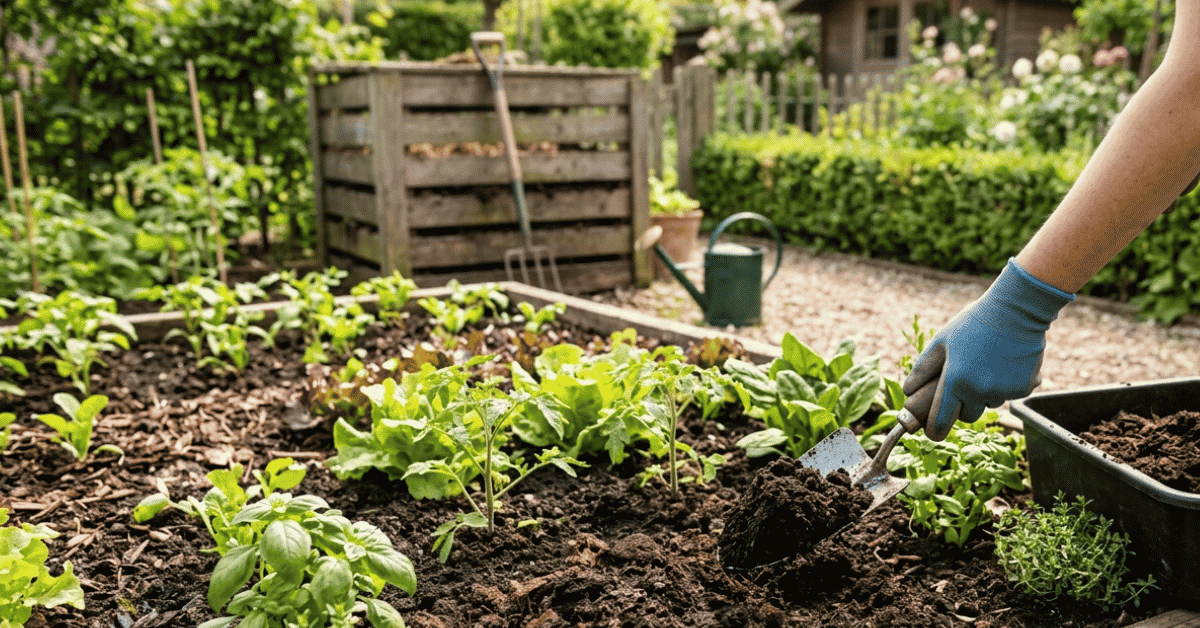
5 Secrets to Amazing Garden Manure
Using the right manure makes a huge difference in your garden. I’ve seen my plants go from sleepy to spectacular. This guide will show you how to pick, use, and get the most from garden manure to build super healthy soil.
Let’s grow!
What’s So Great About Garden Manure?
Honestly, I used to just accept that different things go in the garden. But then I really started paying attention to manure. It’s like pure magic for your soil!
It brings life, nutrients, and better structure. My garden has never looked better. I’m talking about bigger tomatoes, brighter flowers, and virtually no wilting, even on hot days.
That’s because manure feeds the tiny organisms in your soil. These guys work hard to make nutrients available for your plants. It’s a total win-win.
Feeding Your Soil’s Best Friends
Think of your soil not just as dirt, but as a living ecosystem. Manure is food for all the good things living there. Earthworms love it.
Fungi that help roots thrive gobble it up. When these microbes get a full belly, they break down organic matter. This releases essential plant food slowly, over time.
You won’t get that sudden burst that can burn roots. Instead, it’s a steady, gentle feeding.
Boosting Soil Structure
Beyond just nutrients, manure does wonders for how your soil feels and drains. If you have heavy clay soil, manure helps it loosen up. This means air can get to the roots.
Water drains better, so you don’t get waterlogged plants. If your soil is sandy and drains too fast, manure acts like a sponge. It holds onto moisture and nutrients.
It helps bind sandy particles together. My own garden had terrible drainage in one spot. After adding composted manure, it was like night and day.
The water soaked in. The plants stayed happy.
Picking the Perfect Poop: A Gardener’s Guide
Not all manure is created equal. Some is hot and needs aging. Others are mild and can be used almost right away.
But some are a definite no-go for most gardens. Knowing the difference saves your plants from a nasty shock. I learned this the hard way once with some fresh chicken poop.
Big mistake!
The Best of the Barnyard
Certain types of animal manure are garden gold. They are rich in nutrients and generally safe once composted.
- Cow Manure: This is my go-to. It’s mild, doesn’t break down too quickly, and is full of good stuff. It’s aged cow patties that are mostly brown and crumbly. Fresh cow manure can still burn plants.
- Horse Manure: Similar to cow manure, it’s packed with nutrients. It often has straw or hay mixed in. This adds carbon to your compost pile, which is great.
- Chicken Manure: This is potent stuff! It has a lot of nitrogen. You must compost it well. If you add raw chicken manure, it’s too strong and will burn your plants. Aging it or composting it is key.
- Sheep/Goat Manure: These pellets are fantastic. They are usually well-balanced and don’t smell too bad. They break down nicely.
Manure to Approach with Caution
Some animal manure can be tricky. It’s not impossible to use, but you need to be smart about it.
- Rabbit Manure: This is a bit of a surprise for some. It’s like “cold” manure. It doesn’t burn plants as easily as chicken manure. You can often add it directly to the soil. But, I still like to let it age a bit longer for best results. It’s a little powerhouse of nutrients.
- Pig Manure: This can contain disease-causing organisms. It also has a strong nitrogen content. It’s best to avoid it unless you know it’s been thoroughly composted for a long time.
Manure to Avoid Altogether
Some animal waste is just not for the garden.
- Cat or Dog Feces: This is a no-no. It can contain harmful pathogens that can make gardeners sick. It’s also not balanced well for plant growth and can burn them. Stick to the farm animals.
The Art of Composting Manure
The best way to use most manure is by composting it first. This process breaks it down. It kills unwanted seeds and weed spores.
It also makes nutrients more available. My compost bin is my secret weapon.
Why Compost Manure?
- Safety: It neutralizes weed seeds and harmful bacteria.
- Nutrient Release: It makes nutrients easier for plants to absorb.
- Gentle Feeding: It prevents plants from getting “burned” by too much fresh nitrogen.
- Improving Texture: It creates a rich, dark material that improves soil structure.
My Simple Composting Method
I have a basic three-bin system. I layer my materials.
- Browns: This is carbon. Think dried leaves, straw, shredded cardboard.
- Greens: This is nitrogen. This is where your manure comes in. Also add grass clippings and kitchen scraps (no meat or grease).
- Manure Layer: I usually put a good layer of my aged cow or horse manure in. For chicken manure, I make sure it’s mixed well with lots of browns or is already partially decomposed.
I aim for a good mix. Too many greens can make it smelly. Too many browns make it slow to break down.
Turning the pile helps speed things up. I aim to turn it every few weeks. I also keep it moist, like a wrung-out sponge.
A hot compost pile (one that heats up) breaks down faster and kills more pathogens. It often takes 3-6 months to get finished compost. It should look and smell like rich, dark earth.
Using Manure in Your Garden Beds
Once you have your composted manure, or if you have a mild type like aged cow patties, you can add it to your garden. There are different ways to do it depending on what you’re growing and when.
For New Garden Beds
When I’m building a new garden bed from scratch, I add a generous amount of composted manure. I usually dig it into the top 6-8 inches of soil. This gives the soil a great boost from the start.
It helps new plants establish strong roots.
For Existing Garden Beds
In established beds, I top-dress with composted manure. This means I spread a layer on top of the soil. It’s like a nice, healthy blanket for your plants.
I do this in the spring before planting. I also do a lighter application in the fall. This lets it break down over winter.
As a Side Dressing
For hungry plants like tomatoes or corn, I’ll scratch a bit of composted manure into the soil around the base of the plant during the growing season. This gives them a mid-season boost. I make sure to keep it a little away from the main stem.
For Container Gardening
You can add composted manure to your potting mix for containers. I usually mix it in at about a 25% ratio. Too much can make the mix too heavy for pots.
It adds nutrients and improves drainage. It’s a great alternative to just using peat moss. Especially if you’re trying to avoid peat.
Many find it improves the water retention of coir blends too. The benefit of coconut coir for potting soil is well known, and adding manure enhances it further.
Manure vs. Other Soil Amendments
We’ve talked a lot about manure. But how does it stack up against other things you might add to your soil? It’s good to have options and know their strengths.
I find a mix of things is often best for my garden.
Here’s a quick look at how composted manure compares:
| Amendment | Benefits | Cautions | Best Use |
|---|---|---|---|
| Composted Manure | Adds nutrients, improves soil structure, boosts microbial life. | Needs aging or composting; can be too strong if fresh. | General soil improvement, feeding plants, building new beds. |
| Compost | Similar benefits to manure, but made from a wider range of materials. | Varies in nutrient content depending on what’s in it. | Excellent general soil amendment, mulch, seedling mixes. |
| Worm Castings | Very nutrient-rich, a powerful soil builder, gentle. | Can be expensive compared to bulk manure. | Top dressing, seed starting, adding to potting mixes. |
| Cover Crops | Adds organic matter, prevents erosion, can fix nitrogen. | Requires planting and tilling in; takes up growing space. | Green manure, improving soil structure over time. |
| Peat Moss | Improves water retention and aeration. | Not a nutrient source, can be difficult to re-wet once dry, environmental concerns. | Improving drainage and aeration in heavy soils. |
| Coconut Coir | Excellent water retention and aeration, sustainable alternative to peat. | Low in nutrients, can tie up nitrogen if broken down. | Potting mixes, improving aeration and water use for almost any plant. It’s a great partner with manure. |
| Coarse Sand | Improves drainage, aeration in clay soils. | Too much can make soil too gritty; doesn’t add fertility. | Loosening heavy clay soil. Combined with coarse sand for garden soil it can work wonders for drainage. |
I love using composted manure because it feels so complete. It gives back so much to the soil. It’s a natural way to build fertility.
I also find it works incredibly well with other organic materials for a truly balanced soil. For instance, adding manure to a coconut garden soil mix can create a powerhouse for your plants. This combination means great water holding and plenty of nutrients.
It’s my secret weapon for happy, thriving plants every year.
When Is the Best Time to Add Manure?
Timing is everything in gardening. Adding manure at the right time ensures your plants benefit the most. And also avoid any potential harm.
Spring Preparation
This is crucial. Before you plant anything, I like to work a good amount of composted manure into my garden beds. This gives the soil a nutrient boost for the whole growing season.
For vegetables, it’s like a hearty breakfast to get them going. For flowers, it helps them produce more blooms.
Fall Application
Adding composted manure in the fall is also beneficial. It gives the material time to break down over the winter. The soil organisms can start working on it.
It’s less about an immediate feed and more about preparing for next year. I’ll spread a layer on top of beds and let the rain and snow work it in.
During the Growing Season
For plants that are heavy feeders, like tomatoes, peppers, or corn, a side dressing of composted manure during the growing season can be very helpful. I scratch it gently into the soil around the plant, being careful not to disturb the roots too much. This gives them an extra energy boost when they need it most, like when they’re setting fruit.
Frequently Asked Questions About Garden Manure
Is fresh manure safe for gardens?
No, fresh manure is usually too potent. It can burn your plants and contain harmful pathogens. Always compost or age it first.
Learn more about healthy soil amendments.
What is the best type of manure for vegetable gardens?
Aged cow or horse manure is excellent. Chicken manure is potent but good if well-composted. Rabbit manure is also a great option.
Can I put manure directly on plants?
Only certain types, like aged cow patties or rabbit manure, can sometimes be used lightly around plants. Fresh manure of any kind is risky.
How much manure should I use?
For new beds, aim for a good 2-3 inch layer worked into the top 6 inches. For existing beds, a 1-inch top dressing is usually sufficient.
Does manure smell bad?
Composted manure should smell earthy. Fresh manure will have a stronger smell, but it dissipates quickly once aged or composted.