
Spice Up Your Garden: Cayenne Pepper Magic!
Using cayenne pepper in your garden isn’t just a quirky idea; it’s a tried-and-true method many seasoned gardeners swear by. I’ve seen it firsthand and found it makes a real difference. Let’s dive into how this fiery spice can help your plants thrive and keep unwanted guests away.
Why Use Cayenne Pepper for Gardening?
I first heard about using cayenne pepper in the garden years ago from my neighbor, Mrs. Gable. She had the most amazing tomato plants, bursting with fruit, and swore it was all thanks to a little sprinkle of red pepper flakes around the base.
I was skeptical, but seeing her lush garden convinced me to try it myself. It turns out, cayenne pepper is a surprisingly versatile tool for gardeners. It’s not just about deterring pests; it can also encourage stronger growth in certain situations.
Deterring Critters
This is the big one. Many garden visitors, from furry mammals to creepy crawlies, really dislike the hot taste and smell of cayenne pepper.
- Mammals: Rabbits, squirrels, and even deer often get a nasty surprise when they try to nibble on plants treated with cayenne. The capsaicin, the compound that makes peppers hot, is a strong irritant. When they taste it, they get a burning sensation. They usually decide your garden isn’t worth the trouble and move on to tastier (and less spicy) pastures. I remember one year, rabbits were decimating my bean plants. A generous dusting of cayenne around the base stopped them dead in their tracks. It was a relief!
- Insects: Some insects, like ants and certain types of beetles, also find cayenne pepper offensive. It can disrupt their trails and make your plants less appealing. I’ve found it particularly helpful for keeping ants from climbing up my tomato plants. A little ring of pepper around the stem seems to do the trick.
Strengthening Plants
Beyond pest control, cayenne pepper can offer a subtle boost to plant health in specific ways.
- Leaf Shine: Some folks use a very diluted cayenne spray on their plant leaves. The idea is that it can give them a bit of a shine and a tougher surface, making them less attractive to some sap-sucking insects. I’ve tried this on my houseplants, and while it’s hard to say definitively if it improved their health, they did look a bit glossier.
- Root Development (Less Common): In very specific, controlled situations, some very advanced techniques might involve capsaicin extract to encourage root growth. This is more experimental and not something I typically recommend for the average home gardener. Sticking to pest deterrence is usually the most reliable bet.
How I Use It: My Personal Experience
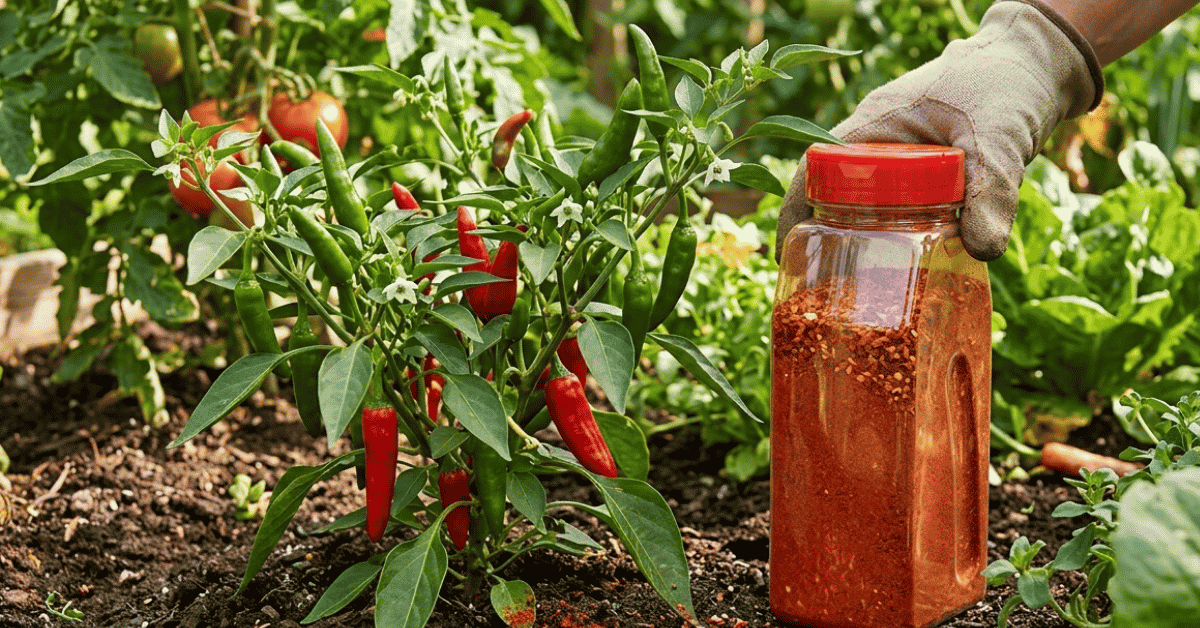
My go-to method is simple: a light sprinkle of dried cayenne pepper flakes around the base of vulnerable plants. I do this after watering or when I notice signs of pests. It’s important not to overdo it, though.
Too much can irritate beneficial soil organisms. I usually reapply after heavy rain, as the chili can wash away. For more persistent ant problems, I’ve mixed cayenne pepper with a little bit of water to make a paste and rubbed it around the base of pots.
It creates a stronger barrier. I’ve also heard of people making a spray, but I find the dry application easier and less messy. My biggest success was with my prize-winning pumpkins.
The deer were eyeing them up, but a good perimeter of cayenne kept them off until harvest.
Applying Cayenne Pepper Effectively
Getting cayenne pepper to work its magic in your garden requires a little know-how. It’s not just about tossing it around randomly; there are best practices to follow to maximize its benefits and avoid any potential downsides.
Best Forms and Application Methods
You’ll find cayenne pepper in a few different forms, and each has its strengths.
- Dried Flakes (My Favorite): This is the most common and easiest form for home gardeners. You can buy it in bulk spice sections or online.
- How I Use It: I keep a shaker of dried cayenne flakes near my potting bench. I carefully sprinkle a thin ring around the base of plants I’m worried about, like young seedlings, lettuce, or bushy bean plants. I make sure to avoid getting it directly on the leaves of delicate plants initially.
- When to Apply: Best applied during dry spells or after you’ve recently watered. Rain will wash it away, so reapplication might be needed.
- Powder: Cayenne powder is even finer than flakes.
- Pros: It can spread more easily and cover a wider area with a thin layer.
- Cons: It can be more prone to blowing away in the wind. I find flakes stay put a bit better in my garden.
- Spray (Diluted): Some gardeners mix cayenne powder with water to create a spray.
- How to Make: Mix about 1 tablespoon of cayenne powder with 1 quart of water. Let it steep for a few hours, then strain it well. You may want to add a tiny drop of natural soap to help it stick to leaves.
- Caution: I’ve found sprays can sometimes harm very young or tender leaves if not heavily diluted. Always test on a small area first. It’s also less effective against larger critters that might just lick it off. It’s better for deterring some types of insects.
Where to Apply
Knowing where you put the cayenne is as important as how.
- Around the Base of Plants: This is my primary strategy. Creating a spicy barrier around the stem helps deter ground-dwelling insects and makes larger animals think twice before taking a bite.
- Around Garden Beds: For broader protection, sprinkle cayenne along the edges of your entire garden bed. This can create a general deterrent zone.
- Near Problem Areas: If you notice a specific spot where pests are entering or congregating, apply cayenne there directly.
When to Apply
Timing your application can make a big difference.
- Early in the Season: Apply when plants are young and most vulnerable. This proactive approach can prevent infestations or damage before they start.
- After Rain or Watering: As mentioned, water washes away the pepper. Reapply after significant rainfall to maintain the deterrent effect.
- When You See Pests: If you spot early signs of pests, a timely application can stop them in their tracks. Don’t wait until you have a full-blown infestation.
Things to Watch Out For
While cayenne is generally safe, there are a couple of things I always keep in mind.
- Don’t Overdo It: Too much cayenne can actually harm beneficial insects like ladybugs or earthworms, which are crucial for a healthy garden ecosystem. A gentle dusting is usually sufficient. I made this mistake once, smothering my seedlings, and they looked unhappy for days.
- Protect Yourself: When handling cayenne pepper, especially the powder, consider wearing gloves and avoiding inhaling it. It’s potent stuff and can irritate your skin and lungs. I always wash my hands thoroughly afterward.
- Test on Delicate Plants: Some very tender plants might be sensitive to cayenne. It’s a good idea to test a small spot first before coating the entire plant or bed.
Cayenne Pepper vs. Other Natural Deterrents
In my garden, I often use a mix of natural pest control methods. It’s rare that one single thing works for every problem. Comparing cayenne pepper to other natural options helps me decide what to use and when.
Here’s a quick look at how it stacks up:
| Method | Primary Use | Pros | Cons | My Experience |
|---|---|---|---|---|
| Cayenne Pepper | Repelling mammals, some insects | Easy to get, inexpensive, effective for certain animals. | Washes away with rain, can irritate skin/eyes, might harm beneficial microbes if overused. | My go-to for rabbits and squirrels. Simple to sprinkle and quick to replenish. It’s saved my lettuce and strawberries multiple times when deer got too close. |
| Diatomaceous Earth | Repelling crawling insects | Kills many soft-bodied insects by desiccation. | Ineffective against larger animals, needs to be reapplied after rain or heavy dew, must be food-grade. | I use this for slugs and snails. It’s great because it works by physical action, not just taste. But I have to be careful not to breathe it in, and it doesn’t deter bunnies at all. |
| Garlic Spray | Repelling aphids, some beetles | Natural fungicide, repels many small insects. | Strong smell, can burn leaves if too concentrated, requires regular application. | I’ve made garlic spray for aphids. It works, but the smell lingers, and I often find I need to reapply it more often than cayenne. It’s good for the tiny green pests. |
| Copper Strips/Tape | Repelling slugs and snails | Effective barrier, long-lasting. | Only effective for slugs/snails, can be more expensive, might not be visually appealing to some. | I’ve tried copper tape around pots. It’s excellent for keeping slugs off potted herbs, but it doesn’t do anything for bunnies or squirrels munching on my greens. |
| Companion Planting | Repelling specific pests, attracting beneficials | Organic, long-term pest management, can improve soil. | Requires planning, some plants may compete for resources, not an instant fix. | I plant marigolds everywhere. They are supposed to deter nematodes and other pests. It’s harder to measure their success, but I believe in the long-term benefits. |
I find cayenne pepper truly shines when dealing with furry critters who want to eat my vegetables. It’s a simple, readily available solution that gives me peace of mind. For smaller bugs like aphids, I’ll pivot to something like a garlic spray or even introduce beneficial insects.
It’s all about having a toolbox of tricks!
Dealing with Challenges and Unexpected Results
Even with natural methods, things don’t always go perfectly. I’ve learned that being adaptable is key in gardening, and cayenne pepper is no exception.
When Cayenne Doesn’t Work as Expected
Sometimes, what seems like a straightforward solution can have a hiccup.
- Animals Develop Tolerance: In rare cases, very persistent animals might get used to the mild irritation and continue to nibble. I had a particularly bold squirrel once who seemed unfazed by cayenne. For that little guy, I had to add a physical barrier like netting.
- Washing Away Too Quickly: Heavy rainfall is the biggest culprit here. If you live in a very wet climate or have a particularly soggy season, you might find yourself reapplying cayenne very frequently. This can become a bit tedious. I’ve learned to put a bit more around seedlings before a predicted rainy spell if I really need to protect them.
- Accidental Over-Application: This is more about my own eagerness than the pepper itself. I once put way too much cayenne around my delicate lettuce starts, and they looked a bit stressed. They recovered, but it was a good reminder to be gentle.
Potential Downsides or Risks to Consider
It’s important to be realistic about any garden remedy.
- Irritation to Gardeners: As I mentioned, cayenne powder can be harsh. I always wear gloves and try not to inhale it. My eyes have watered plenty of times when I’ve forgotten to be careful.
- Impact on Beneficial Soil Microbes: While generally considered safe in moderate amounts, large quantities or frequent, heavy applications could potentially disrupt the delicate balance of beneficial bacteria and fungi in your soil. I try to use just enough to deter pests, not coat the entire soil surface.
- Not a Universal Solution: It won’t deter every single pest. Slugs, snails, and certain beetles might ignore it. It’s most effective against animals with a strong sense of taste and touch.
My Lessons Learned
My biggest lesson with cayenne pepper has been about moderation and observation. It’s a tool, not a magic wand. I learned to watch my plants and the pests.
If I see rabbits, cayenne is my first thought. If I see slugs, I reach for diatomaceous earth. I also learned the hard way to always wash my hands after handling it, especially before touching my eyes or face!
It’s a simple step, but crucial.
Frequently Asked Questions About Cayenne Pepper in the Garden
Can I use cayenne pepper to keep cats out of my garden beds?
Yes, cats generally dislike the smell and taste of cayenne pepper. A light dusting around plants can deter them. Learn more about deterring cats from gardens.
How long does cayenne pepper last in the garden?
Its effectiveness lasts until it washes away with rain or watering. You’ll need to reapply it periodically, especially after wet weather. Learn more about natural pest control with spices.
Is cayenne pepper safe for my pets if they eat it?
While it can cause temporary mouth irritation and discomfort, it’s generally not toxic to pets. However, it’s best to keep them from consuming large amounts. Learn more about safe gardening practices.
Can I use cayenne pepper on my vegetable plants directly?
It’s best to apply cayenne around the base of plants to avoid irritating their leaves or fruits. Test a small area first if you decide to apply it on foliage. Learn more about organic gardening techniques.
What if my dogs eat cayenne pepper that’s in the garden?
Your dog might experience some burning in their mouth and digestive upset. It’s usually not serious, but observe them closely for any prolonged issues. Learn more about pet-safe gardening.