
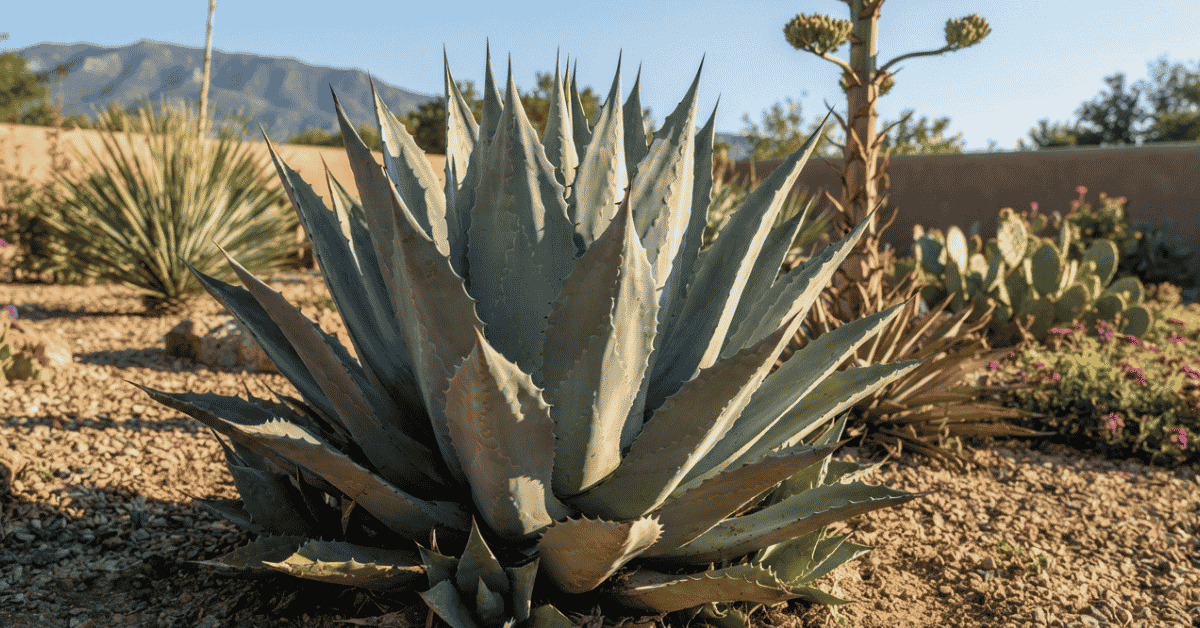
Want a bold desert plant that thrives with less work? Learn agave century plant care for strong growth, clean shape, and long life outdoors.
I first saw an agave on a hot trip day. It looked sharp, calm, and tough. I later grew one at home. It taught me patience, sun care, and simple water rules. In this guide, I share what worked, what failed, and how I keep mine healthy year-round.
Why Is Agave Century Plant Care Important?
Agave looks tough, but it still needs care. I learned that the hard way.
When I first bought an agave, I thought it could survive anything. I placed it in shade. I watered it often. It slowly turned weak and pale.
Good agave century plant care keeps the plant strong and clean. It helps it grow slow but steady. It also stops rot, which is the biggest killer.
From my own garden trials, I noticed:
- Too much water kills roots fast
- Low light makes leaves stretch weak
- Poor soil traps moisture and harms growth
Once I fixed these, my agave changed fast. It got thick leaves. It stood firm in heat. It looked like a desert sculpture.
Understanding the Agave Century Plant
Before care, I had to understand the plant. That made all the difference.
What Makes Agave Unique
Agave is a desert plant. It stores water in thick leaves. It grows slow but lasts long.
One thing I love is its shape. It feels like nature carved it with care.
Key traits include:
- Thick, sharp leaves
- Strong water storage
- Low water need
- Long life cycle
Some types can live decades before blooming. That bloom is huge and rare. I still wait for mine to show it one day.
My First Mistake With Agave
I once placed my agave near a soft lawn area. I watered it like grass.
Bad idea.
The leaves turned soft at the base. That was root rot starting. I had to cut back water and move it fast.
That moment taught me respect for desert plants.
Best Conditions for Agave Century Plant Care
Agave is simple once you give it the right home. I learned this through trial and sunburned leaves.
Sunlight Needs
Agave loves full sun. That is the truth.
I now keep mine in:
- Bright morning sun
- Strong afternoon light
- Open outdoor space
When I first kept it in shade, it stretched and looked weak. After moving it to sun, it tightened up in weeks.
Soil Type That Works Best
Soil is more important than water.
I use a mix like this:
- Sand
- Gravel
- Light garden soil
This drains fast. Fast drain is key.
Heavy soil holds water. That leads to rot.
I once used normal pot soil. My plant suffered within a month. Now I never repeat that mistake.
Ideal Temperature Range
Agave loves warm air.
Best range:
- Hot days: perfect
- Mild nights: good
- Frost: risky
During winter cold snaps, I move potted agaves closer to walls. That simple move saved one plant during a chilly night.
Watering Rules for Agave Century Plant Care
Water is where most people go wrong. I did too.
How Often to Water
Less is better.
My simple rule:
- Summer: every 2–3 weeks
- Winter: once a month or less
- Rainy season: almost none
I always check soil first. If it feels dry deep down, I water. If not, I wait.
Signs of Overwatering
I once overwatered an agave by mistake. It showed signs fast.
Watch for:
- Soft base
- Yellow leaves
- Mushy roots
- Drooping shape
If this happens, stop water right away.
My Simple Water Trick
I use a stick test.
I push a stick into soil. If it comes out dry, I water. If it feels damp, I wait.
That small habit saved many plants.
Feeding and Fertilizing Agave
Agave does not need much food. I learned that from slow, steady growth.
When to Feed
I only feed during warm growth months.
- Spring
- Early summer
No feeding in winter. That slows rot risk.
What Fertilizer Works Best
I use light cactus feed.
Too much food makes soft growth. That weakens the plant.
Here’s what I use:
- Low nitrogen mix
- Slow release pellets
- Diluted liquid feed
My Personal Feeding Mistake
I once gave strong fertilizer thinking it would help growth.
Instead, leaves grew fast but weak. They bent easily in wind. I had to cut back and restart care.
Less is better with agave.
Pot vs Ground Growing
I have grown agave in both ways. Each has its own feel.
Growing in Pots
Pots give control.
Good points:
- Easy to move
- Better soil control
- Safer in cold weather
Bad points:
- Needs drainage holes
- Can dry too fast
Growing in Ground
Ground planting feels natural.
Good points:
- Strong root spread
- Less watering
- Bigger growth
Bad points:
- Hard to move
- Needs perfect soil
Quick Comparison Table
| Feature | Pot Growing | Ground Growing |
|---|---|---|
| Water control | Easy | Medium |
| Growth speed | Slow | Faster |
| Mobility | High | None |
| Risk of rot | Medium | Low (if soil is good) |
| Cold safety | Easy to protect | Harder |
I now use both. Pots for young plants. Ground for mature ones.
Common Problems in Agave Century Plant Care
Even tough plants face issues. I’ve dealt with most of them.
Root Rot
This is the biggest threat.
Caused by:
- Too much water
- Poor soil
- No drainage
Fix is simple:
- Stop water
- Improve soil
- Let roots dry
Sun Burn
Yes, even sun plants can burn.
I saw white patches on leaves once after a heat wave.
Fix:
- Give partial shade during peak heat
- Move pots slightly back
Pests
Agave is strong but not safe from bugs.
Common ones:
- Mealybugs
- Scale insects
I use mild soap water spray. It works well without harm.
Seasonal Care Routine
I adjust care based on seasons. That keeps my plant stable year-round.
Spring Care
This is growth time.
- Light feeding
- More sun exposure
- Check soil health
Summer Care
Heat season needs balance.
- Water only when dry
- Watch for sun burn
- Avoid over feeding
Winter Care
Slow growth time.
- Cut watering
- Protect from frost
- Keep soil dry
Monsoon or Rainy Season
This is risky.
- Move pots under cover
- Improve drainage
- Avoid extra water
My Real Experience With Agave Growth
I still remember one morning in my garden. It was quiet. Sun was soft.
My agave stood firm after months of care changes. Its leaves were sharp and strong. No droop. No rot. Just clean desert form.
That moment felt like a small win. Not fast growth. But steady progress.
That is what agave teaches best.
Simple Daily Care Checklist
I use this quick routine now:
- Check soil dryness
- Look at leaf shape
- Watch color change
- Remove dry leaves
- Ensure sun exposure
It takes five minutes. But it keeps plants safe long term.
FAQs
What is agave century plant care for beginners?
Agave century plant care means giving full sun, low water, and fast draining soil. It is simple once you avoid overwatering. Learn more about basic agave setup.
How often should I water agave century plant?
Water only when soil is fully dry. In most cases, every 2–3 weeks is enough. Too much water causes root rot fast. Learn more about watering balance.
Can agave century plant grow indoors?
It can grow indoors if light is strong. But outdoor sun is best for healthy agave century plant care. Learn more about indoor plant light needs.
Why are my agave leaves turning soft?
Soft leaves often mean too much water or poor drainage. Fix soil, reduce watering, and improve airflow for recovery. Learn more about root health.
Does agave need fertilizer often?
No. Light feeding in spring is enough. Too much fertilizer weakens growth and damages natural shape. Learn more about safe feeding tips.