
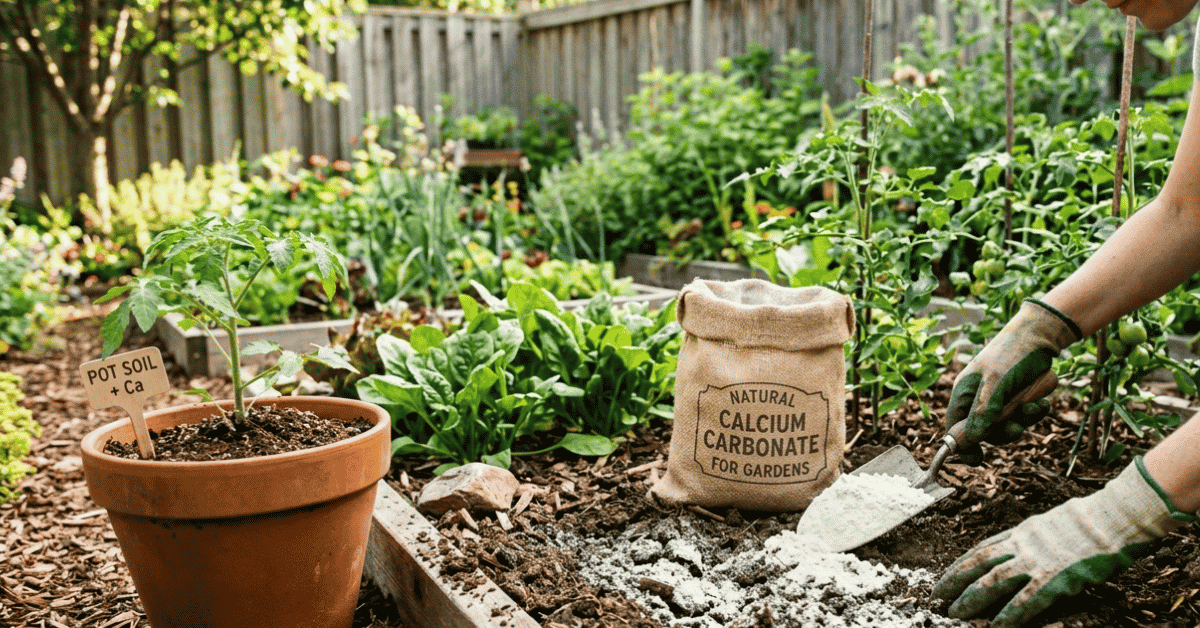
Amazing Soil Boost: Calcium Carbonate for Your Garden
Have you ever walked into your garden on a crisp morning and just felt… happy? I know I have. A huge part of that joy for me comes from seeing my plants thrive.
Recently, I’ve been exploring how calcium carbonate can seriously level up your gardening game. It’s not just for antacids, folks! I’ve found it makes such a difference in soil health and plant growth, and it’s surprisingly easy to use.
Let’s dig into why this simple powder is a must-have in my gardening toolkit.
Why Use Calcium Carbonate in My Garden?
This is the big question, right? I remember first hearing about it and thinking, “Is this really necessary?” But after I started using it, I saw changes that really surprised me. For me, it boils down to a few key things my plants and soil have desperately needed.
It’s like giving them a good, strong foundation to grow on.
Better Soil Structure
Think of your soil like a cookie. If it’s too crumbly, things fall apart. If it’s too dense, nothing can grow.
Calcium carbonate helps fix that. It binds soil particles together. This creates a better structure.
It means more air gets into the soil. It also helps water drain better. Soggy roots are a plant’s worst nightmare, and this helps prevent that.
I noticed my clay soil became much easier to work with. It wasn’t as sticky after rain. It crumbled nicely, making it easier for roots to spread.
Healthier Plants
Calcium is a key nutrient for plants. It’s like our bones. It helps build strong cell walls.
This makes plants more resistant to diseases. It also aids in many plant processes. Things like flowering and fruiting improve.
My tomatoes, for example, have gotten much better. I used to struggle with blossom end rot. That’s often a sign of a calcium issue.
Since using calcium carbonate, that problem has almost disappeared. It gives plants the strength they need from the inside out.
Correcting Soil Acidity
Most plants prefer soil that’s not too acidic. Some plants, like blueberries, like acidic soil. But for many common garden plants, too much acid is bad.
It can make nutrients harder for plants to absorb. Calcium carbonate is alkaline. This means it can neutralize excess acid in the soil.
It raises the soil pH. This makes more nutrients available to your plants. I tested my soil pH and found it was a bit too low.
Adding calcium carbonate slowly brought it into the ideal range for my vegetables. It was a simple fix for a big problem.
Supporting Beneficial Microbes
Healthy soil is alive. It’s full of tiny organisms that help your plants. These microbes need the right environment to thrive.
A soil pH that’s too low can harm them. By balancing the pH, calcium carbonate creates a better home for these helpful critters. This boosts overall soil health.
It’s a win-win. The soil helps the microbes, and the microbes help the soil and your plants.
Types of Calcium Carbonate for Your Garden
You’ve got a few options when it comes to choosing calcium carbonate for your garden. They all do essentially the same thing, but how they release the calcium and how quickly they work can differ.
Garden Lime (Calcium Carbonate)
This is probably the most common form you’ll see. It’s usually made from ground limestone. It’s readily available at garden centers.
It works pretty well to adjust pH. It’s also a good source of calcium. It’s a solid, all-around choice for most gardeners.
I’ve used this type for years. It’s easy to find and easy to understand.
Agricultural Lime (Ag Lime)
This is very similar to garden lime. It’s also made from ground limestone. The difference is often in the fineness of the grind.
Ag lime is typically ground a bit coarser. This means it releases its calcium and raises pH more slowly. This can be a good thing.
It makes it less likely to over-correct your soil. It’s also often sold in bulk for larger areas.
Oyster Shell Calcium
This is made from ground oyster shells. It’s a natural product. It’s also a good source of calcium.
It tends to break down more slowly than finely ground lime. This means it provides a slow, steady release of calcium to the soil over time. It’s a great option if you want long-term benefits without frequent applications.
I’ve tried this on my raised beds. The soil feels really rich and healthy. It’s a good alternative if you’re avoiding processed products.
Eggshells
This is a DIY option. You can crush your own eggshells. They are a source of calcium carbonate.
However, they break down very slowly. You need to grind them very finely to get much benefit. It’s more of a long-term soil amendment.
It’s good for slowly adding calcium. But for a quick pH boost or significant calcium need, it’s not the best choice. I save my eggshells.
I bake them first and then grind them in a coffee grinder. They help a little, but I still use other forms for bigger impact. Using coconut coir for healthier plants alongside can really boost soil structure.
How to Use Calcium Carbonate in Your Garden
Using calcium carbonate is pretty straightforward. The key is to do it right. You don’t want to just dump it everywhere.
A little bit of planning goes a long way.
Test Your Soil First
This is SO important. Before you add any amendments, especially lime, know what your soil needs. Get a soil test kit from a garden center or send a sample to your local extension office.
The test will tell you your soil pH. It will also tell you which nutrients might be lacking. This guides how much calcium carbonate you need.
Adding too much can cause problems. So, testing takes the guesswork out.
Application Timing
The best time to apply calcium carbonate is in the fall or early spring. This gives it time to break down and start working in the soil before planting season. I like to spread it after I’ve finished my fall cleanup.
It sits there all winter, slowly integrating. If you can’t wait, applying it several weeks before planting is also good. Avoid applying it at the same time as granular fertilizers.
It can sometimes affect how they work.
How Much to Apply
This depends entirely on your soil test results and the type of calcium carbonate you use. A soil test report will usually give specific recommendations. Generally, for a typical garden soil that needs its pH raised, you might apply 5-10 pounds per 100 square feet.
For coarser materials, you might need more. For finer materials, you’ll need less. Follow the instructions on the product packaging or your soil test report.
It’s better to do a light application, wait, and re-test than to overdo it.
How to Apply
Spread the calcium carbonate evenly over the soil surface. Use a spreader for larger areas. Then, gently work it into the top few inches of soil.
You can use a garden fork or a tiller. This helps it mix in better. This initial mixing is crucial for it to start changing the pH.
It also gets it closer to the plant roots.
Here’s a quick look at common forms and their release rates:
| Product Type | Description | Release Rate | Best Use Case |
|---|---|---|---|
| Ag Lime | Coarse ground limestone | Slow | Long-term soil conditioning, large areas |
| Garden Lime | Fine ground lime | Medium | General pH adjustment, regular gardens |
| Oyster Shell Calcium | Ground oyster shells | Slow | Steady calcium supply, organic gardening |
| Eggshells | Crushed eggshells | Very Slow | Minor calcium boost, waste reduction |
Don’t Apply to Acid-Loving Plants
Remember, most plants like a pH around 6.0-7.0. Some plants, like blueberries, rhododendrons, and azaleas, prefer acidic soil (pH 4.5-5.5). Adding calcium carbonate to their soil will harm them.
It will make the soil too alkaline. It will prevent them from absorbing the nutrients they need. Always research your specific plants.
For example, if you’re working with soil that drains poorly, you might also consider adding amendments like coarse sand for better soil drainage to improve aeration further.
Potential Downsides and Things to Watch Out For
While calcium carbonate is generally very beneficial, it’s not without potential pitfalls if misused. Being aware of these helps you avoid common mistakes.
Over-Liming
This is the most common issue. Adding too much lime too quickly can raise the soil pH too high. This is called over-liming.
When the pH gets too high, it can actually lock up essential nutrients. Iron, manganese, and zinc can become unavailable to plants. This can lead to nutrient deficiencies, even if the nutrients are present in the soil.
Symptoms can include yellowing leaves. It can stunt plant growth. If you suspect over-liming, the only real fix is to add sulfur or other acidifying amendments very slowly over time and re-test.
I made this mistake once in a small bed. My beans just refused to grow.
Slow Action
Compared to some other soil amendments, calcium carbonate can be slow to show results, especially if it’s coarsely ground. It needs time to dissolve and react with the soil. Don’t expect overnight changes.
If you need a quick pH adjustment, other methods might be better. But for long-term, steady improvement, it’s excellent. This is why fall or early spring application is best.
Not a Fertilizer
It’s important to remember that calcium carbonate is a soil amendment, not a fertilizer. It provides calcium, which is a nutrient, but it doesn’t provide the primary nutrients plants need like nitrogen, phosphorus, or potassium. You still need to fertilize your plants.
It just ensures the calcium is available and the soil is in good shape to receive and use those other nutrients. It’s like building a strong house. You need good materials for the foundation (calcium carbonate).
But you also need the walls and roof (fertilizers) to make it a complete home. I always pair my lime applications with adding compost.
Final Thoughts on Calcium Carbonate
I’ve found calcium carbonate to be a simple, effective way to improve my garden. It’s made my soil easier to work with and my plants healthier. It’s really about creating the best possible environment for your plants to thrive.
By understanding your soil and using calcium carbonate wisely, you can see some really great improvements. It’s a little bit of work upfront, but the payoff in your garden is so worth it. It’s helped me grow better veggies and have more beautiful flowers.
Do you have questions about using calcium carbonate?
What is the best time of year to apply garden lime?
Fall or early spring is ideal. It allows time for it to work into the soil before planting. Learn more about soil preparation.
Can I use calcium carbonate on all my plants?
No, avoid acid-loving plants like blueberries and azaleas. They need acidic soil. Learn more about plant pH needs.
How do I know if my soil needs lime?
A soil test is the best way. It will show your soil pH and nutrient levels. Learn more about soil testing.
Is calcium carbonate the same as quicklime?
No, quicklime is much more reactive and can burn plants. Garden lime is calcium carbonate and is much safer. Learn more about soil amendments.
How long does it take for calcium carbonate to affect soil pH?
It can take several weeks to months, especially with coarser forms. Consistency is key. Learn more about soil amendments.