
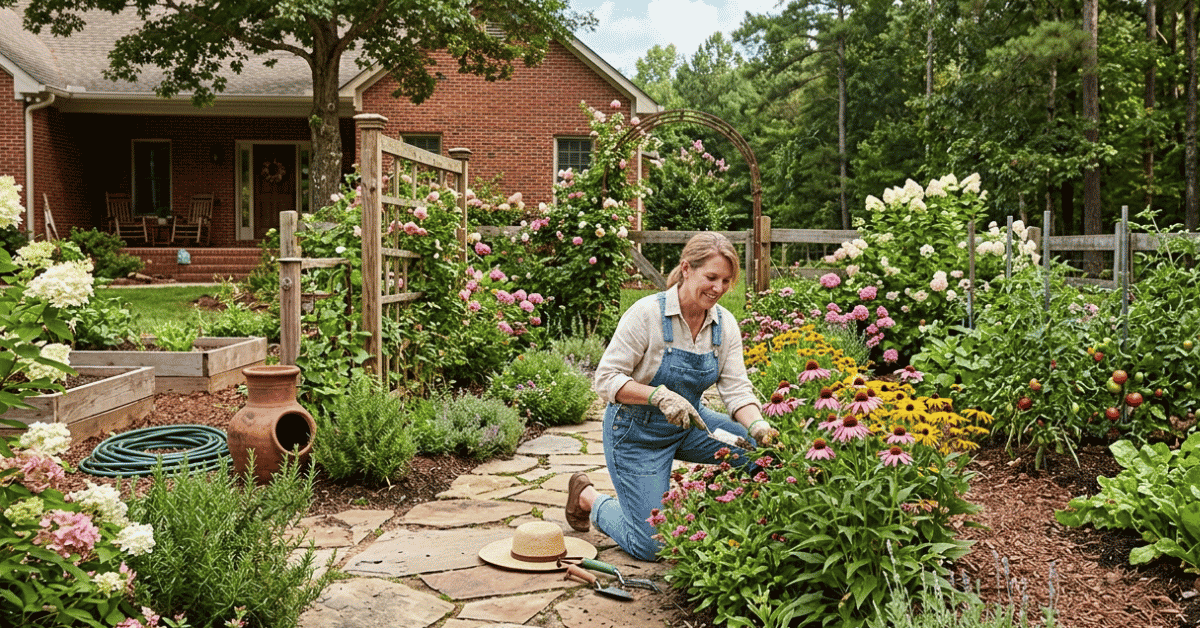
Georgia’s Gardening Year: Your Month-by-Month Guide. Plan your delicious Georgia garden with this foolproof month-by-month guide. Get growing now!
Why Do I Need a Month-by-Month Gardening in Georgia Plan?
Honestly, before I got serious about gardening here, I winged it. A lot. I’d plant things when I felt like it.
Some years were okay. Other years? Total disasters.
Plants died for no reason. Pests seemed to love everything I put in the ground. It was frustrating.
Then I learned about planning, especially for a place like Georgia. Our climate is unique. We have hot summers and mild winters.
But we also get unpredictable freezes in spring and fall. A good month-by-month plan is key. It’s your roadmap.
It tells you what to plant, when to plant it. It reminds you when to water, fertilize, and protect your plants. It helps you avoid rookie mistakes.
And it sets you up for a bountiful harvest, season after season. It just makes everything easier and way more productive.
January: The Quiet Preparation Month
January is our garden’s deep sleep. The ground might be cold, but my mind is already buzzing. It’s the perfect time for planning.
I love pulling out seed catalogs. I dream about tomatoes, peppers, and beans. This is also when I order my seeds.
It’s best to do it now. The popular varieties sell out fast.
Seed Starting Indoors
Some things need a head start. I usually start my peppers and tomatoes indoors. You can also do onions and some herbs.
I use seed starting trays. A sunny windowsill works. Or use grow lights.
This gives tiny seedlings a chance. They’ll be stronger when it’s time to go outside.
Garden Bed Prep (The Dry Days)
When we get a few dry days, I get outside. I don’t want to walk in mud. I’ll turn over my garden beds.
I add compost. I remove any leftover debris from last year. This keeps diseases from lingering.
Tools and Equipment Check
Now’s the time to look at my tools. Are my shovels sharp? Are my pruners okay?
I clean and oil them. I check my hoses and sprinklers. Fixing them now saves headaches later.
February: Getting Ready for Spring’s Arrival
February is still cold, but there’s a hint of warmth. The days get longer. You can feel spring coming.
I keep starting seeds indoors. Things like broccoli and cabbage can go in trays now.
Bare-Root Plants
February is prime time for planting bare-root roses, fruit trees, and berry bushes. These arrive dormant. You plant them while they’re asleep.
They wake up in the soil. I always get excited when I see these arrive.
Soil Testing
If you didn’t do it last fall, test your soil now. It tells you what nutrients are missing. It also tells you the pH.
Knowing this helps me choose the right amendments. It’s like a health check for my garden’s home.
Early Outdoor Planting
In the warmer parts of Georgia, you might be able to plant peas. Spinach and kale can also go out in the ground. I check the hardiness zones.
I don’t want to risk frost damage too early. I still cover them if a late freeze is predicted.
March: Spring Burst and Outdoor Planting
March is when things really start to move. The danger of hard frost is lessening. But I still watch the weather closely.
This is a busy month!
Direct Sowing in the Garden
I start direct sowing many things. Lettuce, radishes, carrots, and beets go straight into the ground. I’ll also plant potatoes.
My favorite is planting spring onions. They grow so fast.
Transplanting Seedlings
The seedlings I started indoors are getting bigger. I start hardening them off. This means taking them outside for short periods.
It helps them adjust. Then I carefully transplant them into the garden. Tomatoes, peppers, and eggplant go out now.
I give them a good start with some compost.
Weed Watch Begins
Weeds start popping up too. They are sneaky! I try to get them when they’re small.
It’s much easier. A little weeding each week keeps them under control.
April: Peak Planting Season
April is glorious gardening chaos. The weather is usually beautiful. Everything is growing.
It’s the perfect time for most planting.
Continue Direct Sowing
I’m still sowing quick crops like bush beans and more lettuce. Corn goes in now too. My kids love watching it grow tall.
Planting Warm-Season Crops
It’s safe to plant basil, okra, and cucumbers. I wait until the soil feels warm for melons and squash. I still keep an eye on the forecast.
A surprise cold snap can set things back.
Fertilizing and Watering
As plants grow, they need food. I give my fruiting plants a boost with a balanced fertilizer. Regular watering is crucial.
I aim for deep watering rather than shallow sprinkles.
May: Summer Heat Arrives Early
May in Georgia often feels like summer. It gets hot and humid. Plant care shifts to dealing with the heat.
Watering is Critical
Consistent watering is vital. I water early in the morning. This reduces evaporation.
It also helps prevent fungal diseases. I check the soil moisture often. Dry soil spells disaster for young plants.
Pest Patrol Intensifies
Bugs love the heat too. I’m constantly scouting for aphids, tomato hornworms, and squash bugs. I use organic methods first.
Sometimes a strong spray of water works. Other times, I use neem oil.
Succession Planting
To have a continuous harvest, I plant more seeds. I sow more bush beans and lettuce. This way, I don’t get all my harvest at once.
It means fresh veggies for longer.
June: Full Summer Harvest and Heat Management
June brings the full force of summer heat. The garden is producing well. But it needs constant attention.
Harvesting Regularly
I pick vegetables as soon as they’re ready. This encourages plants to produce more. Don’t let tomatoes or beans get overripe on the vine.
It signals the plant to stop.
Mulching for Moisture and Coolness
Mulch is my best friend in June. I use straw or shredded leaves. It keeps the soil moist.
It also keeps the roots cool. This is so important in our hot weather.
Dealing with Heat Stress
Plants can wilt in extreme heat. I provide temporary shade for delicate crops. Bird netting can deter some birds from snacking too!
It’s a constant challenge.
July: Mid-Summer Garden Care
July is peak summer. It’s hot, and we often have dry spells. Or sometimes, heavy thunderstorms.
Water Deeply and Consistently
Watering is still the top priority. I might water every day during a heatwave. I check for signs of thirst.
Drooping leaves are a clear signal.
Managing Disease in Humidity
The humidity can lead to fungal diseases. I ensure good air circulation. I prune away any yellowing or diseased leaves.
I never water the leaves, only the soil.
Planting Fall Crops
Believe it or not, I start thinking about fall. I sow seeds for fall broccoli, cauliflower, and fall greens like collards. These need time to grow before the first frost.
August: Preparing for Fall’s Return
August is still hot, but the days are getting shorter. The intense heat of July starts to fade a bit. We might get more rain.
Harvesting Summer Crops
I’m still harvesting tomatoes, peppers, and beans. I try to get as much as possible before fall starts.
Caring for Fall Seedlings
The fall seedlings I planted in July are growing. I make sure they have enough water. They’re starting to get established.
Planting Fall Root Vegetables
It’s time to direct sow fall carrots, beets, and radishes. I also plant fall peas and spinach. The cooler evening temperatures help them get going.
September: Transition to Fall Gardening
September is a welcome relief from summer heat. The garden begins its transition. Fall planting is in full swing.
Harvesting Fall Crops
My fall greens are usually ready now. I start harvesting collards, kale, and mustard greens. They taste even sweeter after a little cool weather.
Planting Cold-Hardy Crops
I can still plant more cold-hardy greens. Broccoli and cabbage can go in the ground now. I also sow winter radishes.
Protecting from Early Frosts
September can bring surprise frosts. I keep frost cloths handy. I cover sensitive plants if a freeze is predicted.
October: Fall Harvest and Winter Preparation
October is a beautiful month for gardening in Georgia. The air is crisp. The fall harvest is at its peak.
Harvesting the Bounty
This is a peak harvest month for me. I’m picking a lot of fall produce. I often have more than I can eat.
Canning and freezing become busy activities.
Planting Garlic and Onions
October is the perfect time to plant garlic. It needs a long, cool growing season. I also plant overwintering onions.
Garden Cleanup and Cover Cropping
I start cleaning up any spent summer plants. I’ll plant cover crops in empty beds. Rye or clover helps protect and enrich the soil over winter.
My soil needs rest.
November: Winding Down and Protecting
November brings colder weather. Frost becomes more common. Many plants are winding down.
Final Harvests
I get my last harvests of kale, collards, and Brussels sprouts. Root vegetables like carrots and turnips can stay in the ground. They often taste better after a frost.
Protecting Perennials
I make sure my perennial beds are tidy. I might add a layer of mulch around the base of plants for insulation. This protects their roots.
Planning for Next Year
I use November’s quieter garden time to reflect. What worked well this year? What didn’t?
I start making notes for next year’s plan.
December: Garden Rest and Future Dreaming
December is our garden’s true rest. The ground is cold. Many areas might even see snow.
Garden Clean Up Continued
I finish clearing out any remaining debris. I want my garden beds clean for winter. This reduces pest and disease issues later.
Tool Maintenance
I give my tools a thorough cleaning and oiling. A little care now means they’re ready to go in spring.
Seed Catalog Browsing & Dream Planning
I spend many cozy evenings with seed catalogs. I plan what I want to grow next year. I review my garden journal from this past year.
It helps me choose new varieties and strategize.
| Month | Key Planting Activities | Other Important Tasks |
|---|---|---|
| January | Seed starting indoors; Planning | Tool maintenance; Bed preparation (dry days) |
| February | Bare-root planting; Direct sowing early greens | Soil testing; Continue seed starting |
| March | Direct sowing many veggies; Transplanting seedlings | Early weed control; Monitor frost |
| April | Peak planting of warm-season crops; Continue sowing | Fertilizing; Consistent watering; Pest scouting |
| May | Heat management; Succession planting | Deep watering; Pest patrol; Mulching |
| June | Regular harvesting; Extreme heat management | Continue deep watering; Mulching; Disease watch |
| July | Peak summer harvest; Fall crop planting | Consistent watering; Disease management; Mulching |
| August | Summer harvesting; Caring for fall seedlings | Watering; Planting fall root veggies; Light pruning |
| September | Fall harvest begins; Planting cold-hardy crops | Frost protection; Garden cleanup; Cover cropping |
| October | Peak fall harvest; Planting garlic/onions | Winter prep; Garden cleanup; Cover cropping |
| November | Final harvests; Protecting perennials | Garden cleanup; Planning for next year |
| December | Garden rest; Tool maintenance | Final cleanup; Dream planning; Seed catalog review |
How do I choose the right month to start seeds for my Georgia garden?
Refer to this month-by-month guide. It details when to start seeds indoors and out.
What are the best vegetables to plant in Georgia in spring?
Spring is ideal for peas, lettuce, radishes, carrots, beets, potatoes, tomatoes, peppers, and eggplant.
When should I worry about frost in Georgia for my garden?
Monitor weather forecasts closely. Georgia can experience unpredictable frosts in spring and fall.
Is it too late to plant something in my Georgia garden in the fall?
No! Fall is great for planting garlic, onions, kale, collards, spinach, and carrots.
How often should I water my garden in Georgia?
Water deeply when the top inch of soil feels dry. This changes based on the season and heat. Learn more about watering needs.