
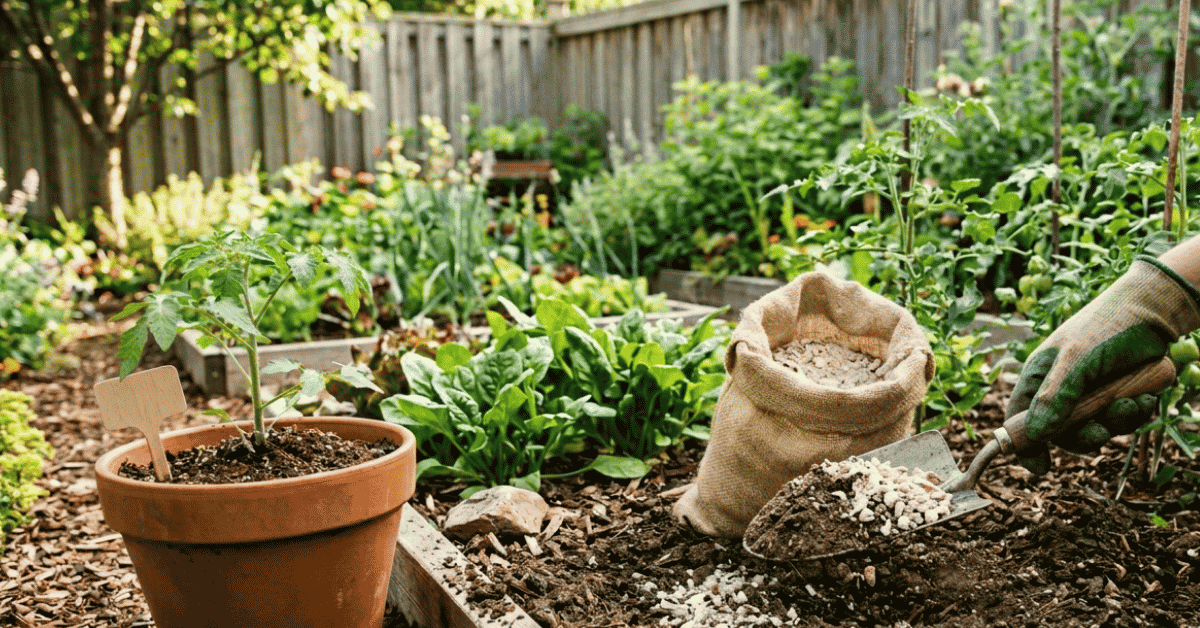
Bone Meal: Your Garden’s Secret Boost
Curious about bone meal for your garden? Discover its amazing benefits for soil health and plant growth! Get growing tips today.
What is Bone Meal for Gardening?
You might have seen it on the shelf at the garden center. It looks like a coarse powder, sort of earthy. That’s bone meal.
I’ve been using it in my garden for years. It’s made from ground animal bones. Mostly cows and pigs.
People have used it for ages to make soil better. It’s a natural way to give your plants what they need. I find it really makes a difference, especially for root development and flowering.
It breaks down slowly. This feeds your plants over time. I love that it’s an organic option.
It helps nourish the soil ecosystem too. It doesn’t just feed the plants. It feeds the little critters in the dirt.
They break it down further. That makes even more good stuff available.
Why Use Bone Meal for Gardening?
Bone meal is packed with phosphorus. This is super important for plants. It helps them grow strong roots.
It also helps them flower and produce fruit. Think of it like a plant’s energy drink for specific jobs. Without enough phosphorus, plants can look sad.
Their leaves might be dull. They might not grow much. They certainly won’t produce many flowers or fruits.
I noticed this myself with my tomatoes. Last year, they were a bit weak. I started adding bone meal.
This year, wow. So many more flowers. And the fruits are much bigger.
Bone meal also has nitrogen. This helps with leaf growth. But it has less nitrogen than phosphorus.
That’s a good thing. Too much nitrogen can make plants leafy but weak. They won’t produce much else.
Bone meal also contains calcium. Calcium is key for cell walls. Strong cell walls mean healthier plants.
It helps prevent diseases too. It’s a real all-rounder.
Boosting Root Growth
This is where bone meal really shines. When you plant something new, its roots need to establish themselves. Bone meal gives them that helping hand.
I always mix some into the soil when I plant new shrubs or perennials. It’s like giving them a good start. A strong root system means a healthier, more resilient plant.
It can reach water and nutrients better. This is especially helpful during dry spells. I found my rose bushes respond incredibly well to it.
They get those thick, strong roots. Then they produce more blooms. It’s a direct link you can see.
Encouraging Blooms and Fruit
Here’s another big win for bone meal. If you grow flowers or vegetables, you need good phosphorus. Bone meal is a fantastic source.
For flowers like my peonies and dahlias, it means more blossoms. Bigger, brighter blossoms. For vegetables like peppers, squash, and tomatoes, it means more fruit.
And bigger fruit. I noticed my zucchini production shot up after I started adding bone meal regularly. It’s very satisfying to see your efforts pay off like that.
Improving Soil Structure
While not its main job, bone meal can contribute to better soil. As it breaks down, it adds organic material. This helps improve drainage.
It also helps the soil retain moisture. This is crucial for healthy plant life. It’s a natural process, slowly improving the soil over time.
It’s not a quick fix for bad soil. But it’s a great way to build up good soil health naturally. I try to amend my heavy clay soil a bit each year with things like this.
How to Use Bone Meal in Your Garden
Using bone meal is pretty straightforward. It’s not complicated at all. I tend to do it at specific times.
When to Apply Bone Meal
The best time to use bone meal is when you’re planting.
- New Plantings: When you dig a hole for a new shrub, perennial, or vegetable, mix some bone meal into the soil you’re putting back. I aim for about 1/4 cup per planting hole for a medium-sized plant. For larger trees, you might use a bit more.
- Established Plants: For plants already in the ground, you can top-dress. Sprinkle it around the base of the plant in early spring. Do this before new growth starts. Or, you can do it again in the fall after harvesting. I usually do a spring application for my fruit trees.
- Lawn Care: You can also use bone meal on your lawn. I do this in early spring or fall. It helps build strong roots for the grass. I use about 5 pounds per 100 square feet.
How Much Bone Meal to Use
Always follow the package directions. This is important. Too much of anything isn’t good.
But generally, for most garden plants:
- New Planting: Mix 1/4 to 1/2 cup into the planting hole.
- Established Plants: Sprinkle 1/2 cup around the base of each plant.
- Vegetable Gardens: Work 2-4 pounds into 100 square feet of soil before planting.
I always grab a small trowel and mix it right into the soil. You don’t want it just sitting on top. Making sure it contacts the soil is key.
Bone Meal vs. Other Fertilizers
It’s helpful to know where bone meal fits in. It’s not a complete fertilizer. That means it doesn’t have all the nutrients plants need in one go.
Here’s a simple comparison:
| Feature | Bone Meal | All-Purpose Fertilizer (e.g., 10-10-10) |
|---|---|---|
| Primary Nutrients | High Phosphorus (P), Medium Nitrogen (N) | Balanced Nitrogen (N), Phosphorus (P), Potassium (K) |
| Best For | Root growth, flowering, fruiting | General plant growth, overall health |
| Release Rate | Slow, organic | Fast, often synthetic |
| Soil Benefit | Adds organic matter, improves structure | Primarily feeds plants, little soil health benefit |
| Source | Animal bones (organic) | Can be synthetic or organic |
I find that bone meal works best when used alongside other organic amendments. For example, I often use it with compost. Compost gives a broader range of nutrients and improves soil structure overall.
If my plants seem to need a general boost, I might use a balanced organic fertilizer. But for specific needs like flowering or strong roots, bone meal is my first choice. It’s also a great way to add calcium.
Like when I was struggling with blossom end rot on my tomatoes. A little bone meal really helped. It’s good to think about what your plants actually need.
Organic Gardening and Bone Meal
For those of us who love organic gardening, bone meal is a staple. It’s a natural product. It breaks down slowly.
It feeds the soil. It doesn’t harm beneficial insects or soil microbes. This is a big deal for me.
I want my garden to be a healthy ecosystem. Bone meal fits right into that goal. It’s a sustainable choice.
It recycles nutrients. It’s also safe if handled properly. It’s not like harsh chemical fertilizers.
You don’t have to worry as much about burning plants.
Potential Downsides of Bone Meal
Now, no product is perfect. So there are a couple of things to keep in mind. I’ve learned this through experience.
Odor
Sometimes, depending on the processing, bone meal can have an odor. It’s not usually strong. But if you’re sensitive, it’s something to be aware of.
I haven’t found it to be a big issue in my garden. Once it’s mixed into the soil, I rarely notice it. Especially after a rain.
Slow Release
Bone meal is a slow-release nutrient source. That’s usually a good thing. But it means you won’t see overnight results.
Phosphorus, in particular, can be slow to become available to plants. It needs moisture and microbial action to break down. So, if your plants are in serious distress and need a quick fix, bone meal might not be the answer.
You might need something faster acting. But for building long-term soil health, it’s excellent. This is why I like to apply it in spring.
It has the whole growing season to work its magic.
Availability to Plants
Phosphorus can get “locked up” in certain soil types. Especially if the soil pH is too high or too low. If your soil is very acidic or very alkaline, the phosphorus in bone meal might not be readily available to your plants.
I always try to keep my soil pH in the optimal range for gardening. A soil test can help you figure this out. If my soil is way off, I’ll adjust the pH first.
Then the bone meal can do its job better.
Alternatives to Bone Meal
While bone meal is great, sometimes you need options. Especially if you can’t find it or have specific needs.
Rock Phosphate
This is another slow-release phosphorus source. It comes from ground rock. It breaks down even slower than bone meal.
It’s good for long-term soil building.
Other Organic Phosphorus Sources
Things like poultry litter compost and fish bone meal are also available. They offer phosphorus but also other nutrients.
Manure
Aged manure, especially from poultry, is a good source of phosphorus. It also adds a lot of organic matter. You need to make sure it’s well composted though.
Raw manure can burn plants and contain weed seeds. I love using aged chicken manure in my vegetable beds.
Coconut Coir
While good for improving soil structure and water retention, coconut coir isn’t a direct nutrient source like bone meal. It’s more of a soil amendment. It can help make nutrients more available though.
For example, it helps with drainage, which is good for root health and nutrient uptake. If you’re looking for a soil amendment that improves aeration and water retention, coconut coir is a great choice. It helps create a better environment for roots to thrive.
I’ve found it excellent for seed starting mixes and for improving heavy soils. It holds onto water but also lets excess drain away.
FAQs
What’s the best way to apply bone meal for flowering plants?
Mix bone meal into the soil around the base of plants in early spring. For new plantings, add it to the planting hole. Learn more about boosting your blooms.
Can I use bone meal on my vegetable garden?
Yes, bone meal gives vegetables the phosphorus they need for strong roots and good fruit production. Work it into the soil before planting. Learn more about growing better veggies.
Is bone meal safe for pets?
Bone meal can be attractive to pets due to its smell and taste. Store it safely away from them. Learn more about pet safety in the garden.
How long does it take for bone meal to work?
Bone meal is slow-release. It can take several weeks or months for plants to show benefits as nutrients become available. Learn more about soil nutrients.
Should I test my soil before using bone meal?
A soil test can tell you your soil’s pH and nutrient levels. This helps ensure the phosphorus in bone meal is available to your plants. Learn more about soil testing.