
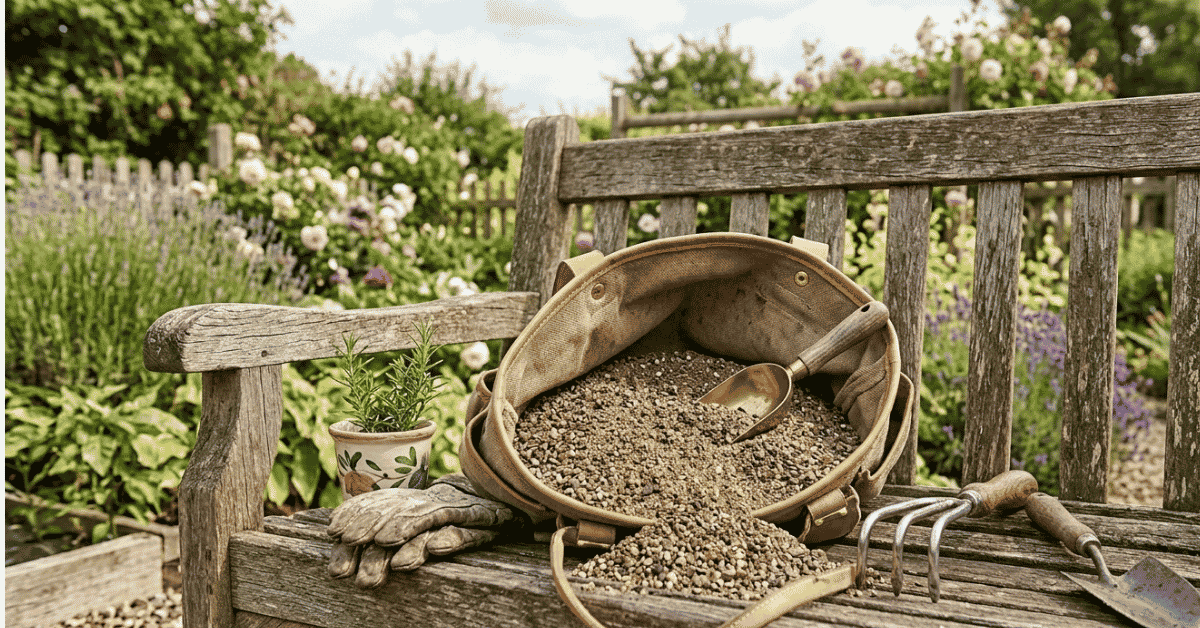
Coarse sand for gardening can boost drainage, improve soil, and help roots thrive. Learn smart ways to use it for better plant growth.
I first tried coarse sand for gardening after a rainy spring. Water sat in my garden beds for days. Plants looked weak, and roots struggled. A local gardener told me to mix coarse sand into the soil. I gave it a try. The change was not instant, but by mid-season, my plants looked much healthier. Here is what I learned from years of using it.
Is Coarse Sand for Gardening Worth It?
Yes. In the right soil, coarse sand for gardening can make a huge difference.
My garden once had heavy clay soil. Water drained very slowly. Roots often stayed wet too long. After adding coarse sand and compost, the soil became easier to work with.
Some benefits include:
- Better drainage
- Improved air flow
- Stronger roots
- Easier soil mixing
- Healthier plant growth
Still, it is not a cure for every soil problem. Knowing when to use it matters.
What Is Coarse Sand for Gardening?
Many gardeners hear the term but feel unsure about it.
Coarse sand for gardening is made of larger sand particles. It is much rougher than play sand or beach sand.
How It Differs From Fine Sand
The size of the grains is the key difference.
Coarse sand:
- Has larger particles
- Creates air spaces
- Improves drainage
Fine sand:
- Packs tightly
- Holds more water
- Can worsen drainage problems
I learned this lesson the hard way. Years ago, I used fine sand. My soil became harder, not better.
Why Gardeners Use It
Plants need both water and air.
Coarse sand helps create small gaps in the soil. These gaps allow roots to breathe.
This can improve:
- Root health
- Water flow
- Soil structure
Healthy roots often lead to healthier plants.
Benefits of Coarse Sand for Gardening
The right soil mix can transform a garden.
Coarse sand offers several useful benefits.
Improves Drainage
This is the main reason I use it.
Heavy soil often traps water.
Adding coarse sand can help:
- Move water through soil
- Reduce puddles
- Prevent soggy roots
My vegetable beds improved greatly after adding it.
Increases Soil Aeration
Roots need oxygen.
Dense soil can block air movement.
Coarse sand creates space for:
- Air circulation
- Root expansion
- Soil life
Plants often grow stronger when roots can breathe.
Helps Prevent Root Rot
Too much moisture can damage roots.
Better drainage lowers that risk.
This is especially useful for:
- Herbs
- Succulents
- Mediterranean plants
Many of these plants dislike wet soil.
Makes Soil Easier to Work
Heavy clay soil can feel sticky.
After adding coarse sand, I found digging much easier.
Benefits include:
- Less compaction
- Easier planting
- Better soil texture
Garden work becomes more enjoyable.
Types of Coarse Sand for Gardening
Not all sand works the same way.
Choosing the right type is important.
Horticultural Sand
This is often the best choice.
Pros:
- Clean material
- Good drainage
- Designed for plants
Cons:
- Higher cost
I prefer this option when available.
Builder’s Sand
Some gardeners use builder’s sand.
Pros:
- Easy to find
- Lower cost
Cons:
- Quality varies
- May contain unwanted material
Always inspect it before use.
Sharp Sand
Sharp sand has rough particles.
Pros:
- Excellent drainage
- Strong soil improvement
Cons:
- Slightly more expensive
This is one of my favorite options for clay soil.
How to Use Coarse Sand for Gardening
Good results depend on proper use.
Simply dumping sand on soil rarely helps.
Mix It Into the Soil
The sand should blend evenly.
I usually work it into the top layer.
Mix with:
- Compost
- Organic matter
- Existing soil
This creates a balanced growing medium.
Use the Right Amount
Too much sand can create issues.
For many garden beds, a moderate amount works best.
I often combine:
- Compost
- Coarse sand
- Native soil
Balance is important.
Improve Raised Beds
Raised beds respond very well.
Coarse sand helps maintain:
- Drainage
- Soil texture
- Root health
I use it in nearly every raised bed mix.
Add It to Potting Mixes
Containers benefit too.
A small amount can improve:
- Water flow
- Root growth
- Soil structure
This works especially well for herbs and succulents.
Coarse Sand for Gardening vs Other Soil Amendments
Different materials solve different problems.
Here is a simple comparison.
| Material | Drainage | Air Flow | Organic Matter | Cost |
|---|---|---|---|---|
| Coarse Sand | Excellent | Excellent | None | Medium |
| Compost | Good | Good | High | Medium |
| Peat Moss | Medium | Good | Medium | Medium |
| Perlite | Excellent | Excellent | None | Higher |
| Vermiculite | Medium | Good | None | Higher |
I often use compost and coarse sand together. They complement each other well.
Best Plants for Coarse Sand for Gardening
Some plants thrive in fast-draining soil.
Succulents
Succulents dislike wet roots.
Coarse sand helps provide:
- Quick drainage
- Better root health
- Reduced rot risk
I always include sand in succulent mixes.
Lavender
Lavender prefers well-drained soil.
Benefits include:
- Better blooms
- Stronger roots
- Healthier growth
Heavy soil often causes problems for lavender.
Rosemary
Rosemary grows best when roots stay dry.
Coarse sand helps create those conditions.
Root Vegetables
Many root crops benefit too.
Examples include:
- Carrots
- Parsnips
- Radishes
Loose soil allows roots to grow straight.
Common Mistakes to Avoid
I made several of these mistakes myself.
Learning from them saved me time later.
Using Beach Sand
Beach sand is usually a poor choice.
It may contain:
- Salt
- Fine particles
- Unwanted material
These can harm plants.
Adding Sand Alone to Clay
This mistake is common.
Sand alone can make clay even harder.
Always combine sand with organic matter.
Using Too Much Sand
More is not always better.
Excessive amounts can reduce soil quality.
Balanced mixes usually perform best.
Ignoring Soil Testing
Different soils need different solutions.
Before making big changes:
- Check soil type
- Observe drainage
- Assess plant needs
The right approach depends on the situation.
Tips From My Garden
Years of trial and error taught me several useful lessons.
Combine Sand With Compost
This is my favorite method.
The mix improves:
- Drainage
- Soil life
- Root growth
The two materials work well together.
Start Small
Test one garden bed first.
Observe results before changing your entire garden.
Focus on Problem Areas
Not every bed needs sand.
I use it mainly where drainage problems exist.
Watch Plant Response
Plants often tell you what works.
Look for:
- Better growth
- Strong roots
- Healthier leaves
These signs show improvement.
When Coarse Sand for Gardening May Not Help
There are times when other solutions work better.
I do not use coarse sand everywhere.
It may not be needed in:
- Sandy soils
- Well-drained beds
- Areas with excellent structure
Adding compost alone may be enough in those cases.
Understanding your soil is the key to making the right choice.
FAQs
What is coarse sand for gardening used for?
Coarse sand for gardening improves drainage, boosts air flow, and helps roots grow better in heavy soils. It is often used in beds and containers. Learn more about soil improvement.
Can coarse sand for gardening help clay soil?
Yes. Coarse sand for gardening can improve clay soil when mixed with compost and organic matter. This helps drainage and root health. Learn more about clay soil fixes.
Is coarse sand for gardening the same as play sand?
No. Coarse sand for gardening has larger particles. Play sand is finer and may reduce drainage when added to garden soil. Learn more about sand types.
Can I use coarse sand for gardening in pots?
Yes. Coarse sand for gardening works well in container mixes, especially for herbs, succulents, and plants that need quick drainage. Learn more about potting mixes.
How much coarse sand for gardening should I add to soil?
The amount depends on soil type. Most gardeners mix coarse sand with compost and existing soil for balanced results. Learn more about soil amendments.