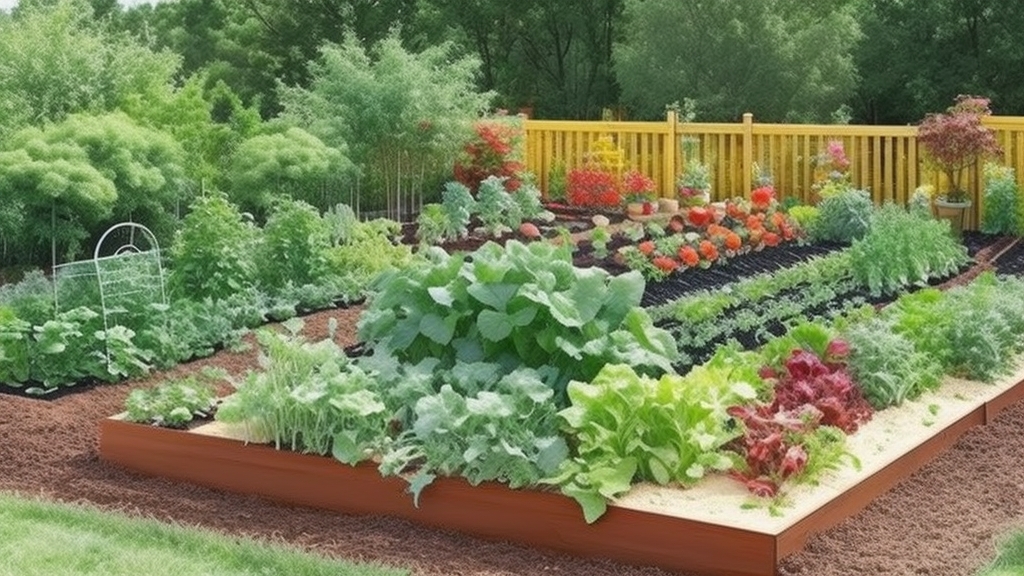
The best Minnesota vegetable garden layout puts tall crops on the north side, groups plants by their sun and water needs, and leaves enough space for paths and easy harvests. Raised beds, in-ground rows, and compact block gardens can all work well in Minnesota when you match the plan to your yard, soil, and local frost dates.
A vegetable garden in Minnesota needs a plan that fits the state’s short, varied growing season. Gardeners in the Twin Cities may face different planting dates from those near Duluth, Rochester, or the North Dakota border. Cold spring soil, summer heat, heavy rain, and early fall frost can all shape what grows well. A useful layout makes room for these changes before the first seed goes into the ground.
Start with a sunny spot, a clear water source, and soil that drains well. Most fruiting crops, such as tomatoes, peppers, cucumbers, and squash, need about six to eight hours of direct sun each day. Leafy greens and some root crops can manage with less, though growth may be slower. Then choose crops that fit your available space and plan to protect tender plants when cold weather returns.
Source: artofit.org
1. Choose the Right Spot for a Minnesota Vegetable Garden
Site choice is the first step in a good Minnesota vegetable garden layout. A well-planned bed cannot make up for deep shade, standing water, or poor access. Walk around your yard during the day and watch where the sun falls. Look for a spot that gets steady light and is easy to reach with a hose or watering can.
The best site is often close to the house but far enough from large trees to avoid heavy shade and root competition. Low spots may collect cold air and water, which can raise the risk of frost damage and root problems. A gentle slope can help drainage, but steep ground may wash away soil during strong rain.
Do not assume the sunniest spot in spring will stay sunny in summer. Nearby trees grow leaves, and buildings cast longer shadows as the sun moves. Check the site more than once before you settle on the final plan.
Source: storage.googleapis.com
Sunlight
Aim for six to eight hours of direct sun for tomatoes, peppers, beans, cucumbers, and squash. Lettuce, spinach, and some herbs can tolerate partial shade.
Drainage
Avoid areas where water sits after rain. Wet soil can slow root growth and make garden work harder in spring.
Water access
Place beds where a hose can reach without crossing busy paths or dragging across delicate plants.
Wind protection
A fence or open screen can reduce harsh wind, but avoid blocking needed sunlight or trapping too much shade.
How Much Sun Does Each Vegetable Need?
Most vegetables that produce fruit need full sun for good yields. Tomatoes, peppers, cucumbers, and squash often perform poorly in deep shade. Leaf crops can be more flexible, making them useful along the east side of a bed or in spots that receive afternoon shade.
Full sun
Tomatoes, peppers, eggplant, cucumbers, squash, corn, and most beans.
Some shade tolerance
Lettuce, spinach, arugula, and certain leafy herbs.
2. Understand Minnesota Growing Zones and Frost Dates
Minnesota has a wide range of growing conditions, so one planting date will not suit every garden. Northern areas usually have a shorter frost-free period than many southern areas. The Twin Cities and nearby communities may have a longer growing season than parts of northern Minnesota, but local conditions still matter.
USDA plant hardiness zones describe average annual extreme minimum winter temperatures. They help you judge whether perennial plants can survive winter, but they do not tell you exactly when to sow vegetable seeds. For annual vegetables, local last-spring and first-fall frost estimates, soil temperature, and the crop’s days to maturity are more useful.
Use a local frost calendar as a starting point, then check the weather before planting. A late cold snap can harm tender plants even when the usual frost date has passed. Row covers can offer some protection, but they do not make every crop safe during a hard freeze.
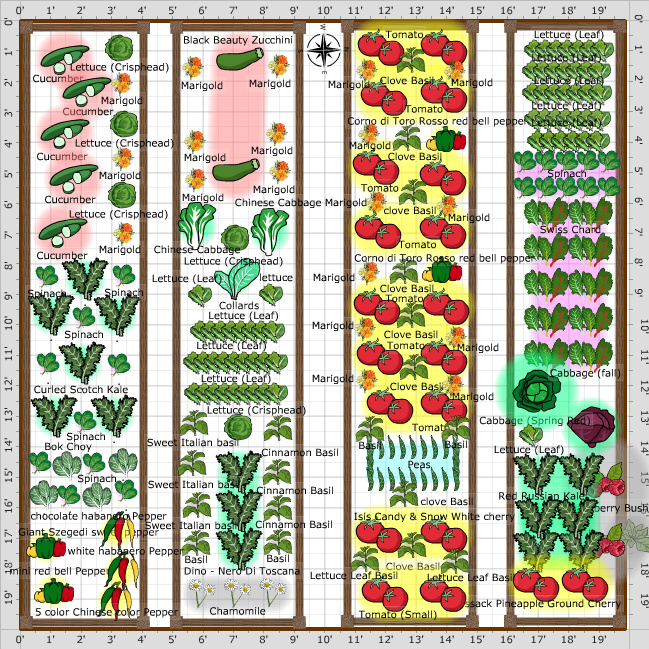
Source: risebatman.weebly.com
Northern Minnesota
Favor fast-maturing crops, cold-tolerant greens, peas, radishes, and other plants suited to a shorter season.
Central Minnesota
Use a mix of cool-season crops and warm-season crops with maturity dates that fit the local frost-free period.
Southern Minnesota
A longer season may allow more warm-season crops, but spring frost and fall cold can still affect planting choices.
When Should You Plant Vegetables in Minnesota?
Cool-season crops can often go into the garden before warm-season crops. Peas, spinach, lettuce, and radishes tolerate cool weather better than tomatoes, peppers, and cucumbers. Wait until the soil is workable and not wet enough to form sticky clumps when squeezed.
Plant tender crops after the local frost risk has eased and the soil has warmed. Tomatoes and peppers may benefit from indoor starts or nursery transplants because they need a longer warm period. Follow the seed packet for maturity information and allow extra time when growing conditions are cool.
Early spring
Prepare beds and sow suitable cool-season crops once soil conditions allow.
Late spring to early summer
Plant tender crops after the local frost risk and soil temperature suit each crop.
Late summer
Sow selected greens and quick crops for a fall harvest, using the expected first frost to count backward.
3. Pick a Garden Layout That Fits Your Yard
The right layout depends on your yard size, soil, mobility needs, and the crops you want to grow. A simple rectangle can work well for a large sunny lawn, while raised beds may suit a small backyard with heavy soil. You do not need a complex design to grow fresh food. A clear plan with good access is often easier to maintain than a garden packed with too many plants.
Before digging, mark the bed edges with string or a garden hose. Walk around the outline and check whether you can reach the center without stepping into the growing area. Leave enough room to carry compost, move a wheelbarrow, and harvest crops without crushing leaves.
Source: storage.googleapis.com
In-ground rows
Best for larger spaces and crops that need long rows, such as corn, potatoes, and many beans. They are easy to expand but depend on suitable soil and drainage.
Raised beds
Useful where native soil drains poorly or is hard to work. They warm sooner in spring in many conditions, but they can dry out faster in summer.
Square or block planting
Works well for small spaces. Plants grow in compact groups instead of long single rows, with spacing based on each crop’s needs.
Container gardening
Suitable for patios and decks. Choose containers with drainage holes and enough soil volume for the mature plant.
A Simple 10-by-10-Foot Garden Plan
A 10-by-10-foot garden offers 100 square feet of growing space before you account for paths. One workable design uses four beds, each about 3 feet wide and 4 feet long, with paths between them. The exact bed dimensions can change to fit your yard, and the path layout should leave safe room to reach each plant.
Use one bed for tomatoes and basil, one for greens and radishes, one for bush beans, and one for carrots and beets. Keep taller plants where they will not shade shorter crops. This plan gives a beginner several types of produce without filling every inch with plants.
Bed 1
One or two supported tomato plants with basil nearby, spaced according to the tomato variety.
Bed 2
Leaf lettuce, spinach, and radishes for early harvests and repeat sowing.
Bed 3
Bush beans planted in rows or blocks with room for air to move through the foliage.
Bed 4
Carrots and beets in loose, stone-free soil with steady moisture.
A Practical 20-by-20-Foot Layout
A 20-by-20-foot plot gives you more room for crop rotation and larger plants. Divide the growing area into several beds or rows, then reserve space for paths and a compost area outside the main planting zone if possible. Keep corn, sprawling squash, and large tomato cages from crowding the smaller crops.
A larger garden can also support succession planting. Sow a short row of lettuce or radishes every week or two during suitable weather instead of planting the entire crop at once. This spreads harvests and helps prevent a large amount of produce from maturing on the same day.
North side
Place trellised peas, tall tomatoes, or other tall crops where they are less likely to shade the rest of the plot.
Middle beds
Grow beans, peppers, cabbage-family crops, and other medium-height plants with enough space for care.
South side
Reserve sunny front areas for lower crops such as lettuce, carrots, beets, and compact herbs.
4. Arrange Vegetables by Height, Spacing, and Sunlight
Plant height and mature width should guide the order of crops in your Minnesota vegetable garden layout. Tall crops can shade nearby plants, while crowded plants compete for light, water, and nutrients. Place the tallest crops on the north side when the garden’s orientation allows it. Put low crops on the south side so they receive more direct sun.
Spacing should follow the seed packet or plant label for the variety you grow. A compact cherry tomato and a large indeterminate tomato may need very different amounts of room. The same is true for bush squash and sprawling winter squash. A layout that looks empty on planting day may fill in quickly as plants mature.
Source: www.pinterest.com
Tall crops
Use the north edge for tall corn, trellised peas, pole beans, and supported tomatoes when practical.
Medium crops
Place peppers, cabbage, bush beans, and similar plants where they will not block light from shorter crops.
Low crops
Use sunny front beds or open gaps for carrots, beets, radishes, and compact greens.
Sprawling crops
Give pumpkins, winter squash, and other vines room to spread, or guide suitable vines along a strong trellis.
Basic Vegetable Spacing Guide
The table below gives common starting ranges for home gardens. These are general planning values, not rules for every cultivar. Check the seed packet, transplant label, and any local growing advice before planting.
Leaf lettuce
Often spaced about 6 to 12 inches apart, depending on whether you harvest young leaves or full heads.
Carrots
Thin seedlings to about 2 to 3 inches apart, with rows often 12 to 18 inches apart.
Bush beans
Plants are often spaced about 3 to 6 inches apart, with rows commonly 18 to 24 inches apart.
Peppers
Many varieties need about 18 to 24 inches between plants.
Tomatoes
Spacing varies widely. Many home garden plants need about 18 to 36 inches, based on growth habit and support.
Cucumbers
Allow roughly 12 to 24 inches between plants when trellised, with more room for varieties grown along the ground.
5. Choose Vegetables That Suit Minnesota’s Growing Season
A good layout starts with crops that have time to grow before fall frost. Cool-season vegetables handle spring weather better than heat-loving crops, while tomatoes, peppers, cucumbers, and squash need warmer conditions. In colder parts of Minnesota, fast-maturing varieties can reduce the risk of an unfinished harvest.
Read the days-to-maturity information as a guide, not a promise. Seed companies may count days from direct sowing or transplanting, and actual growth changes with temperature, sun, soil, and water. Choose varieties suited to your area and leave some room in the plan for crops that take longer than expected.
Source: www.pinterest.com
Cool-season crops
Peas, spinach, lettuce, radishes, carrots, beets, kale, and many cabbage-family vegetables are useful choices for spring or fall.
Warm-season crops
Tomatoes, peppers, cucumbers, beans, summer squash, and sweet corn need warmer soil and weather.
Short-season options
Look for varieties with suitable maturity dates, especially if you garden in northern Minnesota or at a higher, exposed site.
Repeat crops
Radishes, lettuce, and some greens can be sown in small batches to provide more than one harvest window.
A Sample Planting Sequence
Begin with soil preparation and cold-tolerant crops when the ground is workable. Add tender crops after the local frost risk has passed and the soil is warm enough. Later in summer, use the space left by early crops for selected fall greens or quick roots if enough growing time remains.
First phase
Prepare beds, sow peas and suitable greens, and plant radishes or other quick crops when conditions allow.
Second phase
Set out tomato and pepper transplants and sow warm-season crops after local conditions suit them.
Third phase
Remove finished spring crops and sow selected fall crops using the first expected fall frost as a planning limit.
6. Improve Soil Before You Finalize the Layout
Healthy soil helps roots take up water and nutrients, so test the soil before adding fertilizer or building permanent beds. A soil test can show pH and nutrient levels and help you decide what, if anything, needs to be added. Minnesota gardeners can use the University of Minnesota Extension soil testing service or another suitable lab.
Do not add lime or large amounts of fertilizer based on guesswork. Too much of a nutrient can harm plants or move into water, while the wrong pH can make some nutrients harder for plants to use. Follow the test results and product label directions.
Raised beds can be useful where native soil is compacted, poorly drained, or otherwise unsuitable. Fill them with a suitable growing mix and plan for settling over time. In-ground gardens may need less purchased soil, but they still benefit from good drainage and organic matter added as recommended.
Source: gioasanqa.blob.core.windows.net
Test first
Use a representative soil sample and follow the lab’s collection directions.
Add compost with care
Mature compost can improve soil structure, but repeated heavy additions may raise phosphorus or salt levels.
Keep soil covered
A suitable organic mulch can help reduce weeds and slow moisture loss once the soil has warmed.
Avoid wet soil work
Digging or tilling very wet soil can damage its structure and leave hard clods.
Should You Use Raised Beds in Minnesota?
Raised beds are useful when the native soil drains poorly or you want a defined growing space. They can also make planting and weeding easier for some gardeners. Their main trade-off is moisture: the soil may warm sooner, but it can dry out more quickly during a hot, windy spell.
Choose raised beds
When drainage, access, or soil quality is a problem and you can provide suitable fill.
Choose in-ground beds
When the soil is workable, drainage is good, and you want a lower-cost area for larger crops.
7. Plan Paths, Watering, and Daily Access
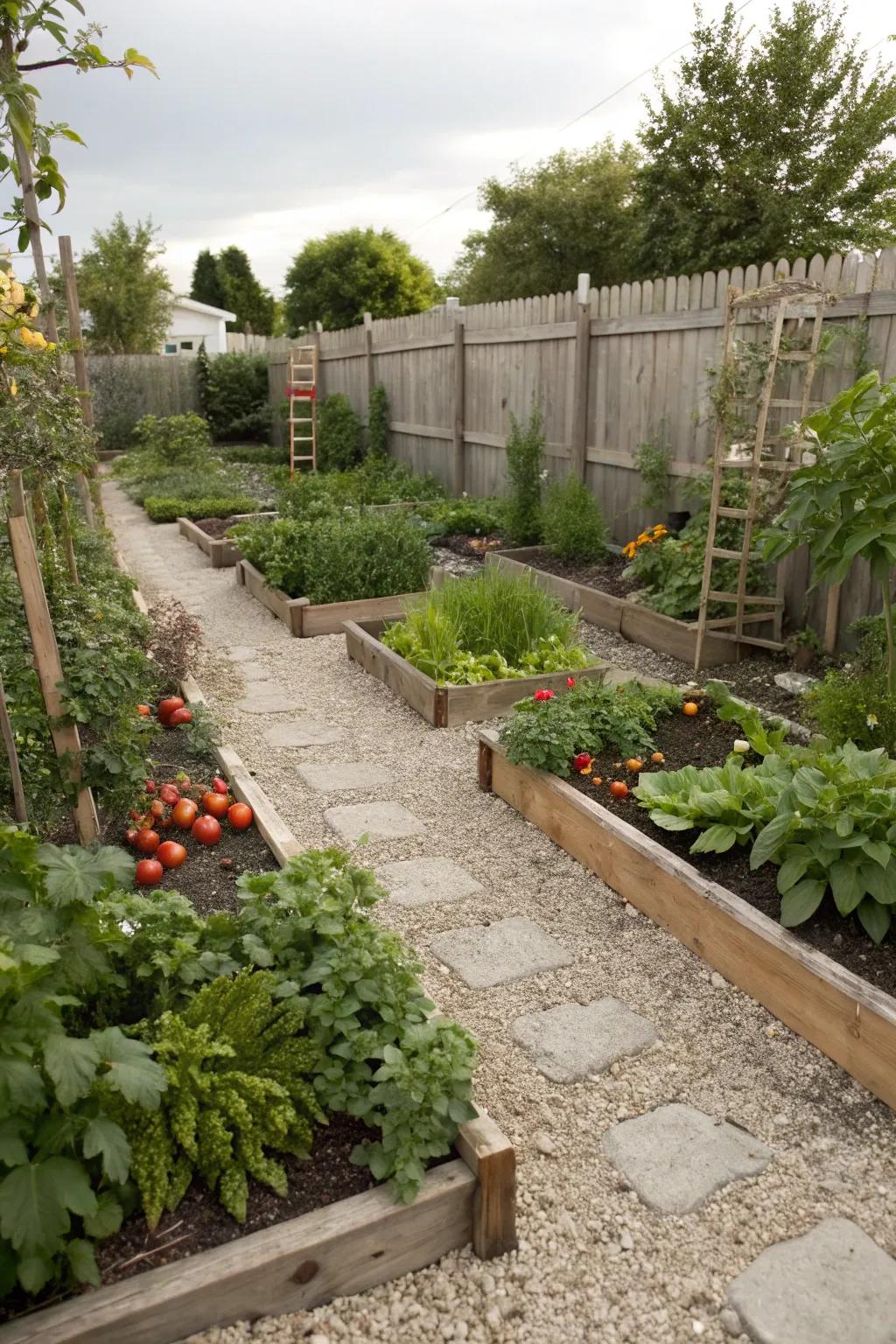
A garden is easier to care for when every bed has a clear path. Paths help you reach plants without stepping on growing soil, which can cause compaction. Keep the main route wide enough for your tools, watering can, or wheelbarrow, and make smaller paths wide enough to kneel or turn safely.
Place thirsty crops where watering is easy, but do not keep soil constantly soaked. Drip lines or a soaker hose can deliver water near plant roots and reduce wet foliage. Check moisture in the root zone rather than relying on the soil surface, which can look dry while the lower layer is still moist.
A layout should also leave room for harvesting. Keep herbs and frequently picked crops near the path or kitchen door if possible. Put thorny plants, sprawling vines, and crops that need less frequent care farther from the main walking route.
Source: animalia-life.club
Keep paths clear
Leave enough room to walk and work without brushing against plants or stepping into beds.
Group by water needs
Place plants with similar moisture needs together to make irrigation easier to manage.
Mulch where suitable
Use clean, suitable mulch to limit weeds and help retain moisture, keeping it away from direct contact with plant stems.
Make harvest easy
Place lettuce, herbs, and crops you pick often near a convenient path.
How Wide Should Garden Paths Be?
For a small backyard garden, paths around 18 to 24 inches wide can work for foot access, while a main path of about 30 to 36 inches gives more room for carrying tools. Increase those widths if you use a wheelchair, walker, large cart, or wheelbarrow. The right size is the one that lets you work without damaging plants or straining your body.
Narrow side paths
Use them only where you can reach plants safely from the bed edges.
Main paths
Allow more width for moving soil, compost, and harvest baskets.
8. Use Companion Planting and Crop Rotation Carefully
Companion planting can help you organize crops by height, harvest time, or use, but it is not a cure for pests or poor soil. Pair plants only when their light, water, and spacing needs fit the same area. For example, a compact herb may fit near a tomato plant if neither becomes crowded and both receive enough sun.
Crop rotation is a more practical long-term planning tool. Many plant families share pests and diseases, so growing related crops in the same bed year after year can increase problems. Move crop families to different beds when space allows, while remembering that a small garden may not permit a full rotation cycle.
Keep notes on where you plant tomatoes, peppers, potatoes, beans, peas, cucumbers, squash, and cabbage-family crops. These records make it easier to plan the next season. Remove diseased plants as appropriate and avoid composting plant material when local guidance advises against it.
Source: local.ultimatemotorcycling.com
Group by plant family
Keep a record of related crops so you can move them to another bed in later seasons.
Avoid crowding
Do not place plants together simply because they are described as companions. Check mature size and growing needs first.
Use trellises wisely
Vertical supports can save ground space for peas and pole beans, provided they are sturdy and do not cast unwanted shade.
Keep records
A basic map and planting log can help you spot repeated pest issues and plan crop changes.
A Simple Three-Bed Rotation
If you have three beds, one possible rotation is to move crop groups from bed to bed each year. One bed can hold legumes, another cabbage-family crops and leafy greens, and the third fruiting crops such as tomatoes and peppers. This is only a basic framework; crops within a family can differ in their needs, and some diseases survive in soil for several years.
Bed A
Beans and peas, with room for trellises where needed.
Bed B
Cabbage, kale, and other suitable crops from the cabbage family.
Bed C
Tomatoes, peppers, or other crops from different plant families, adjusted to your growing plan.
9. Common Minnesota Vegetable Garden Layout Mistakes
The most common layout problems begin with too many plants, poor access, or planting dates that do not fit local conditions. A crowded garden may look full and lush early in summer, then become hard to water, weed, and harvest. A simple map can prevent much of this trouble before it starts.
Check your plan against the mature size of each crop. Include space for stakes, cages, trellises, and paths rather than drawing only the plant centers. It is easier to leave a little open ground than to move mature plants once their roots are established.
Source: artofit.org
Planting too early
Tender crops can be harmed by frost or cold soil. Use local frost estimates and crop-specific temperature needs.
Ignoring mature plant size
Small seedlings need room to grow. Follow variety-specific spacing instead of filling every gap.
Putting tall plants in front
Tall crops on the south side may shade shorter plants during key parts of the day.
Skipping soil tests
Guessing at lime or fertilizer can create nutrient problems and unnecessary costs.
Leaving no room for paths
A garden without safe access can lead to compacted soil, broken stems, and missed harvests.
Growing too many slow crops
In a short season, too many late-maturing varieties may fail to produce before fall frost.
How to Fix a Crowded Garden
Start by checking which plants are touching or blocking airflow. Thin seedlings where needed, guide suitable vines onto supports, and remove weeds that compete with crops. Do not cut or remove healthy mature plants at random, since some crops can be harmed by sudden changes or heavy pruning.
For the next season, reduce the number of plants and reserve space for paths. Choose compact varieties where the bed is small, and grow sprawling crops in a separate area if possible.
Thin seedlings
Follow the crop’s recommended final spacing rather than letting every seedling grow.
Add supports
Use sturdy cages or trellises for suitable crops and secure them before plants become heavy.
Adjust next year’s map
Record which beds felt crowded and change spacing or crop choice before spring.
Frequently Asked Questions
Q
What is the best layout for a Minnesota vegetable garden?
The best layout is one that fits your yard, soil, sunlight, and growing season. For a small yard, raised beds or compact blocks can make care easier. For a larger plot, in-ground rows may suit crops such as corn, potatoes, and beans. Place tall crops on the north side when possible and leave clear paths.
Q
When should I start a vegetable garden in Minnesota?
You can often start preparing beds and planting suitable cool-season crops in spring once the soil is workable. Tender crops such as tomatoes, peppers, and cucumbers should wait until local frost risk has passed and conditions are warm enough. Dates vary across Minnesota, so check local frost estimates and current weather.
Q
Are raised beds better than in-ground gardens in Minnesota?
Raised beds can help where native soil drains poorly, is compacted, or is difficult to work. They can also provide clear paths and easier access. In-ground gardens may cost less to establish and can suit larger plots. Raised beds often dry out faster, so plan for regular moisture checks.
Q
What vegetables grow well in Minnesota?
Common choices include peas, lettuce, spinach, radishes, carrots, beets, beans, tomatoes, cucumbers, peppers, and squash. The best varieties depend on your local climate and the time available before fall frost. In northern areas, favor suitable short-season varieties and crops that tolerate cool weather.
Q
How wide should vegetable garden beds be?
A bed about 3 to 4 feet wide is often practical when you can reach it from both sides. Beds against a fence or wall should be narrower so you can reach the back without stepping into the soil. Choose path widths that fit your tools and mobility needs.
Q
Should tall vegetables go on the north side of the garden?
Yes, placing tall crops on the north side often helps reduce shade on shorter plants. This is a useful general rule for many layouts, though nearby trees, buildings, and the direction of the sun can change the best arrangement. Watch the actual shade pattern at your site.
Q
Can I grow vegetables in Minnesota in late summer?
Yes, some quick crops and cool-season vegetables can be planted in late summer for fall harvest. Check the expected first fall frost, the crop’s days to maturity, and the time needed for germination and growth. Leave a safety margin because cool weather and low light can slow plant growth.
✦ Wrapping Up
Conclusion
A good Minnesota vegetable garden layout starts with sun, drainage, workable soil, and enough space to reach every plant. Choose raised beds, rows, or compact blocks based on your yard and the crops you want to grow. Place tall plants where they will not block light, follow crop spacing guidance, and plan around local frost dates.
Keep the first garden simple. A few well-spaced crops are easier to water, weed, and harvest than a crowded plot with too many varieties. Track what grows well and what struggles, then use those notes to improve next year’s plan.
💡 Key Takeaway
Draw your garden on paper, mark north and the sunny areas, add paths, and place tall crops on the north side where practical. Check local frost dates and seed packet spacing before planting.