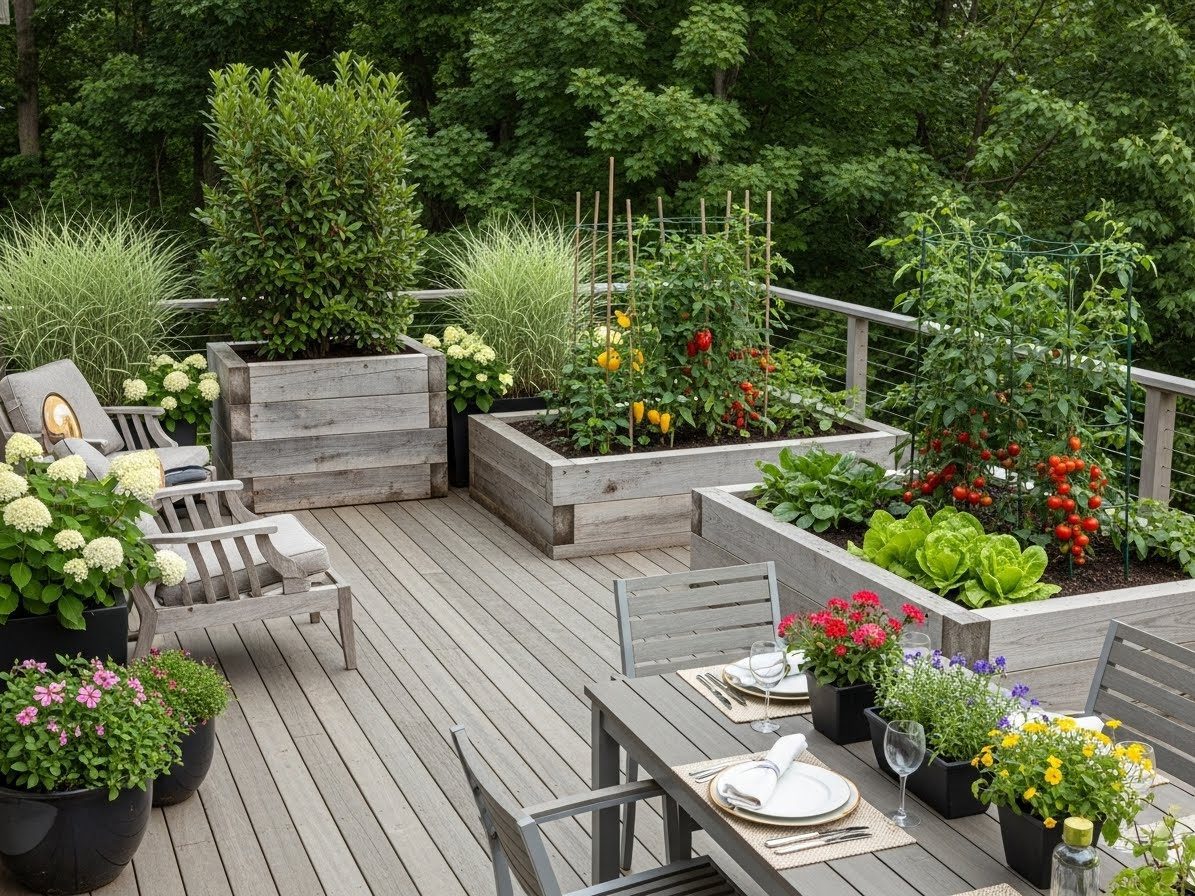
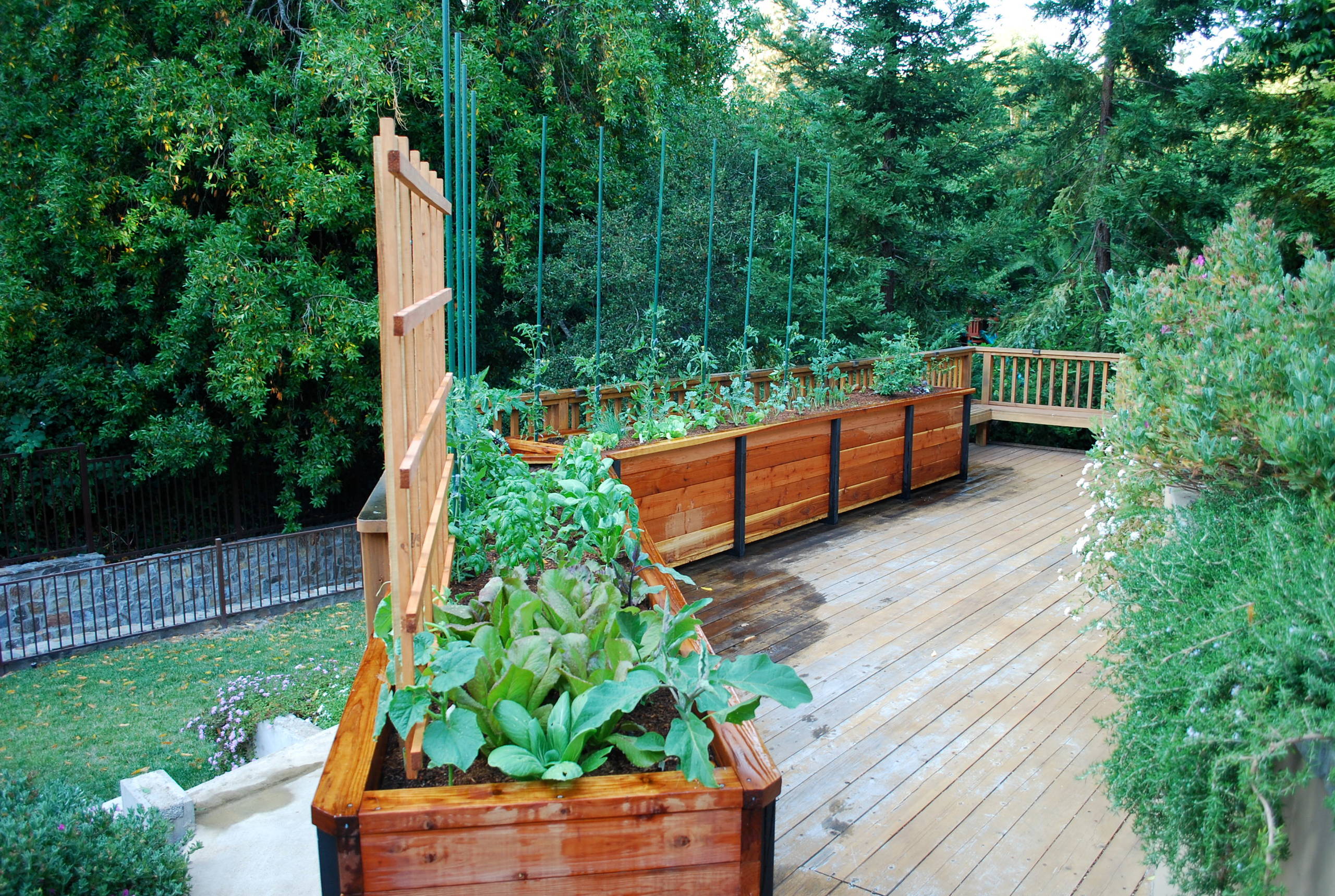
Container gardening on a deck lets you grow herbs, flowers, and vegetables in pots without digging a garden bed. Choose plants that fit your sunlight, use pots with drainage holes, select a suitable potting mix, and keep heavy containers within the deck’s safe load limits.
Across the United States, a deck can be a useful place to grow fresh food and add color to a home. You might have a wide wooden deck in Texas, a small raised deck in Ohio, or a sunny space outside an apartment in California. In each case, the right pots and plants can turn an empty corner into a useful garden.
The best setup starts with the space you have, not the number of pots you can fit. Sunlight, wind, water access, and deck strength all affect what you can grow. A few well-placed containers are often easier to care for than a crowded row of plants.
Start with herbs, leafy greens, compact flowers, or a dwarf tomato plant. Check the sun each day, water when the mix needs it, and leave room to walk. Once you learn how your deck behaves through the season, you can add more plants with less guesswork.
Source: cgardentplant.blogspot.com
How to Plan a Container Garden on Your Deck
A good deck garden begins with three checks: sunlight, available space, and safe weight. These checks help you avoid buying plants that will struggle or containers that do not fit. They also make it easier to plan where each pot should go.
Watch the deck at different times of day before you shop. Note which spots get direct sun, which stay shaded, and where strong gusts tend to hit. A spot that looks bright at noon may receive much less direct sun than you expect.
Next, measure the space you can use without blocking doors, stairs, railings, or walkways. Mark the areas for pots and leave room to water, prune, and harvest. Plants need care space as well as growing space.
Source: decksdecks.com
Check the sunlight
Most fruiting vegetables, such as tomatoes and peppers, need several hours of direct sun. Many herbs and leafy greens can cope with less, depending on the variety and local heat.
Check the deck
Large containers become much heavier when filled with wet soil. Ask a qualified building professional about load limits if you plan to add many large pots, a large planter box, or a heavy raised bed.
Plan water access
Place plants where you can reach them with a hose or watering can. Plan where excess water will drain so it does not collect on the deck or drip onto the space below.
How Much Sun Does a Deck Garden Need?
The amount of direct sun helps decide which plants belong in each spot. Full-sun crops often need at least six hours of direct sunlight, though exact needs vary by crop and climate. Partial-sun areas can suit many leafy greens, some herbs, and shade-tolerant flowers.
In hot parts of the United States, afternoon sun can be harsh on small pots. A container near a west-facing wall may heat up much faster than one in a cooler spot. Try morning sun for tender greens, and give heat-loving crops a brighter position if their leaves remain healthy.
Sunny deck
Consider cherry tomatoes, peppers, basil, and compact marigolds if the containers receive enough direct light.
Partly shaded deck
Try leaf lettuce, spinach in suitable seasons, parsley, mint in its own pot, or begonias suited to the light level.
Deep shade
Focus on plants that tolerate low light, and set realistic expectations for vegetable harvests. Most fruiting crops will produce poorly without enough sun.
How to Arrange Pots Without Crowding the Deck
Place the largest containers first, then fit smaller pots around them. Keep heavy planters where the deck design allows their weight to be supported, and avoid placing large loads in one concentrated area without checking the structure. Do not hang heavy planters from railings unless the mounting system and railing are designed for that use.
Group plants with similar water and light needs. This makes care simpler and helps stop one thirsty plant from drying out while another sits in wet soil. Leave enough space between mature plants for air to move and for leaves to dry after rain.
Keep paths open
Leave clear routes to doors, stairs, and exits. Pots should not become trip hazards or make it hard to move around the deck.
Use vertical space with care
A small trellis can support climbing crops, but anchor it for the wind and make sure it does not place unsafe stress on railings or deck boards.
Choose the Best Containers and Potting Mix
The right container gives roots room to grow and lets extra water drain away. A pot that is too small may dry out fast, while one without drainage can leave roots sitting in water. Match the pot to the plant’s mature size rather than its size at the garden center.
Container material also affects daily care. Plastic pots are light and often hold moisture longer than unglazed clay pots. Terracotta can dry out faster, while thick resin and glazed ceramic pots may offer a different balance of weight, insulation, and water retention.
Use a commercial potting mix designed for containers rather than ordinary garden soil. Garden soil can pack down in a pot and limit air flow around roots. A quality potting mix is usually lighter and is made to support drainage while holding enough moisture for plants.
Source: ThriftyFun
Plastic and resin pots
These are often lighter and easier to move. They can suit a deck where you want to reduce the empty container’s weight, but the total wet weight still matters.
Terracotta pots
These allow moisture to evaporate through the pot walls. They can work well for many herbs, but plants may need more frequent watering in hot or windy weather.
Fabric grow bags
These can provide good drainage and air movement around roots. They may dry out quickly, and they need a stable place where runoff will not cause damage.
Wooden planters
These offer room for several plants and can suit a deck’s look. Use materials intended for outdoor growing, provide drainage, and consider how soil and retained water affect the total load.
What Size Pot Should You Use?
Small herbs can grow in modest pots, while tomatoes, peppers, and larger vegetables need more root space. Check the plant label or reliable growing guidance for the variety you choose. A pot that looks large at first may still be too small for a mature tomato plant.
Bigger pots often hold more water and give roots more room, but they also hold more wet growing mix. Choose the smallest size that meets the plant’s needs without making the container unstable or too heavy for the deck.
For herbs
Use a pot deep and wide enough for the chosen herb, with enough room for mature growth. Give spreading mint its own container.
For leafy greens
Use a broad planter that gives plants enough room to develop and allows you to harvest leaves without crushing nearby growth.
For tomatoes and peppers
Choose a stable, adequately sized container based on the variety’s needs. Add a support if required, and secure it against wind.
Why Drainage Holes Matter
Drainage holes let excess water escape after rain or watering. Without them, the growing mix can stay too wet and deprive roots of air. Even plants that like moist soil need a balance between water and oxygen.
Do not rely on a layer of gravel at the bottom of a pot to fix poor drainage. Use a container with open drainage holes and a suitable mix instead. If a saucer catches runoff, empty it so the roots do not sit in standing water.
Protect the deck surface
Use pot feet or suitable plant stands to lift containers slightly and help water move away. Check that the supports will not scratch, dent, or damage the deck finish.
Keep drains clear
Remove fallen leaves and soil that block drainage paths. Make sure runoff does not flow toward doors, electrical fittings, or a neighbor’s space.
Best Plants for Container Gardening on a Deck
The best deck plants fit the local climate, the available sunlight, and the size of the container. Herbs are a practical starting point because many can be harvested a little at a time. Compact vegetables and flowers can add more variety once you understand the growing conditions.
In the United States, growing seasons vary widely. A gardener in Florida may deal with heat and humidity while a gardener in Minnesota may have a shorter outdoor season and cold spring nights. Check your local frost dates and plant guidance before setting out warm-season crops.
Look for compact, patio, dwarf, or container-suitable varieties when space is tight. These labels can help narrow the choices, but the final size and support needs still depend on the specific plant.
Source: garden.eco
Herbs
Basil, parsley, chives, thyme, and oregano can work well in pots when their light and moisture needs are met. Keep mint in a separate container because it spreads readily.
Leafy vegetables
Leaf lettuce, arugula, and some types of kale can suit containers. In warm regions, choose heat-tolerant varieties or grow cool-season greens during milder weather.
Compact fruiting crops
Cherry tomatoes, patio tomatoes, and compact peppers can be productive in a sunny spot with enough root space, steady moisture, and suitable support.
Edible climbers
Some peas, pole beans, and small cucumbers can grow vertically when the variety suits the container and the support is secure. Wind exposure and the weight of mature growth need attention.
Flowers and foliage
Petunias, marigolds, coleus, and other suitable seasonal plants can add color. Choose varieties for your light level and check their mature spread before grouping them.
Easy Herbs for a Beginner Deck Garden
Basil is a useful choice for a warm, sunny spot, while parsley can tolerate some shade. Thyme and oregano often prefer well-drained mix, and chives can be handy for small harvests. Match each herb to its own needs instead of watering every pot the same way.
Harvest a little at a time once plants are established. Regular picking can encourage fresh growth in many herbs, but avoid removing so much foliage that the plant cannot recover. Follow the growth habit of each type.
Keep herbs close to the kitchen
Place frequently used herbs near a convenient door if they still receive enough light. This makes it easier to snip a few leaves while cooking.
Prevent crowding
Give each herb enough room for air flow and mature growth. A mixed planter can look attractive, but only group plants with similar light, water, and soil needs.
Growing Vegetables in Deck Planters
A small vegetable garden can provide herbs, salad leaves, and a few fresh crops without a yard. Start with one or two plants rather than filling every available pot. This lets you learn how quickly the deck dries out and how much sun each container receives.
Tomatoes and peppers need consistent care, especially in warm weather. Check moisture more often during hot, dry, or windy periods. If a plant wilts, inspect the soil before watering because both dry roots and overly wet roots can cause trouble.
Start with greens
Leafy greens can be a simple first crop in a broad planter. Sow or plant them in the season that suits the variety and local climate.
Use support early
Install stakes or a suitable cage while the plant is small. Adding support later can damage roots or stems, and a tall plant may catch more wind.
How to Set Up Your Deck Garden Step by Step
A simple setup is easier to maintain than a deck full of pots bought on the same day. Begin with a small plan, prepare the containers, and add plants according to their growing needs. Once the first group is doing well, expand slowly.
Before you begin, gather containers with drainage holes, potting mix, plants or seeds, a watering can or hose, and any needed supports. You may also want pot feet, a small hand trowel, plant labels, and a tray for moving supplies. Keep the deck surface clean while you work.
Source: fity.club
Step 1: Map the growing area
Record sunny and shady spots, measure the usable area, and identify clear walking routes. Check the deck’s condition and load limits before placing heavy items.
Step 2: Select suitable plants
Match plants to the light, climate, season, and available container size. Read plant labels and check local extension guidance for planting dates.
Step 3: Prepare each pot
Confirm that drainage holes are open. Fill the container with suitable potting mix, leaving enough room to water without washing the mix over the rim.
Step 4: Plant at the right depth
Follow the plant label for spacing and depth. Handle roots gently, firm the mix lightly around the plant, and water until the mix is evenly moist.
Step 5: Place and secure containers
Set each pot in its planned position and use stable supports where needed. Secure tall plants and trellises against wind without attaching them to unsuitable railings.
Step 6: Check plants often
Inspect moisture, leaf color, pests, and drainage. Make small changes as needed rather than moving or feeding every plant without a clear reason.
How to Arrange a Small Deck Garden
For a narrow deck, place a few pots along one side and keep the main walking path clear. A long planter may use space well, but it can hold a large amount of wet mix, so confirm that the deck can support it. Several small containers can be easier to move, though they may need more frequent watering.
For a larger deck, group containers by purpose. Keep cooking herbs together, place flowers where they can be seen, and give tall vegetables enough room for support and air flow. Avoid building a wall of plants that blocks light from smaller pots.
Use a simple color plan
Choose two or three flower colors or repeat similar pots for a calm look. The plants still need to match the site’s light and climate.
Add height carefully
Use a sturdy plant stand or trellis only where it is stable and suitable for outdoor wind. Keep tall structures away from areas where they could tip onto people.
How to Tell if Your Plants Are Settling In
Healthy new growth, firm stems, and leaves that hold their shape are useful signs that a plant is adjusting. Some plants may pause briefly after transplanting, so watch the trend over several days instead of judging by one leaf.
If leaves droop, check the potting mix with a finger before adding water. Dry mix may need a thorough drink, while soggy mix calls for better drainage and a pause in watering. Yellow leaves can have several causes, including excess water, low nutrients, pests, or normal aging.
Check moisture first
Feel the mix below the surface, since the top can dry while deeper soil remains wet. Adjust watering to the plant and weather.
Inspect leaves and stems
Look for holes, sticky residue, webbing, or unusual spots. Identify the likely cause before using a pest treatment.
Watering, Feeding, and Everyday Care
Container plants need regular checks because pots hold a limited amount of water and nutrients. Sun, wind, plant size, pot material, and weather all affect how fast the mix dries. There is no single watering schedule that works for every deck garden.
Water the root zone rather than spraying leaves without need. Apply water slowly until some drains from the holes, then let the pot drain freely. Very dry potting mix may repel water at first, so apply water in stages and check whether the mix becomes moist throughout.
Feed plants according to the needs of the crop and the instructions for the potting mix or fertilizer. Some mixes contain starter nutrients, while others need feeding sooner. Too much fertilizer can harm roots, cause leaf damage, or lead to unwanted growth.
Source: www.pinterest.com
Check before watering
Feel the mix and consider the plant’s needs. Some crops prefer more even moisture, while others need the mix to dry slightly between waterings.
Water early when practical
Morning watering can give plants time to take up moisture before the hottest part of the day. The key is to water when needed and avoid leaving roots in standing water.
Watch during heat waves
Small pots and fabric bags may dry fast in hot, windy weather. Check them more often, and consider moving heat-sensitive plants to a suitable spot with some afternoon shade.
Remove dead growth
Trim dead leaves and remove fallen plant material. Clean tools when moving between plants with suspected disease, and avoid cutting healthy growth without a reason.
How to Deal With Wind and Summer Heat
Decks can be more exposed to wind than ground-level gardens. Wind pulls moisture from leaves and potting mix, and it can tip tall plants or light containers. Choose stable pots, secure supports, and group containers only when doing so will not create an unsafe concentrated load.
Dark containers in direct sun can heat up, especially near walls or on exposed surfaces. If plants show heat stress, check moisture, consider a lighter-colored outer pot, and move the container to a suitable cooler spot if possible. Do not let shade deprive a sun-loving crop of the light it needs.
Secure tall plants
Use suitable stakes or cages and check them after strong wind. Do not rely on a loose pot or a railing that was not designed to hold the load.
Reduce sudden drying
Use a suitably sized container and keep the mix evenly moist when the plant needs it. Mulch can help reduce surface moisture loss, but leave room around stems.
How to Manage Pests in Containers
Inspect plants often so you can spot pests before they spread. Aphids, mites, caterpillars, and other pests may affect deck plants, just as they affect plants in the ground. Check the undersides of leaves and new growth where pests may hide.
Start by identifying the pest and removing a small number by hand or with a suitable stream of water when the plant can tolerate it. If you need a pesticide, use a product labeled for the specific plant and pest, and follow every label direction. Avoid spraying flowers when pollinators are active, and keep people and pets away as directed.
Inspect before treating
Look for the pest, its damage, and signs of natural predators. Some leaf marks may result from sun, watering, or disease rather than insects.
Keep tools and pots clean
Remove diseased plant parts when appropriate and clean reusable containers between crops. Dispose of infected material according to local guidance.
Deck Safety, Drainage, and Seasonal Changes
A deck garden should protect the deck as well as the plants. Soil, water, and plant debris can trap moisture against wood or stain other surfaces. Lift pots slightly where suitable, clear debris, and inspect the area beneath containers from time to time.
Weight deserves special care. A large planter’s total load includes the container, growing mix, plant, retained water, and any support. Wet mix can weigh much more than dry mix, so do not assume that an empty pot’s weight tells you whether the filled pot is safe.
Never guess at a deck’s load capacity from its age, appearance, or board size. If you are unsure, or if the deck is elevated, old, damaged, or planned for heavy containers, consult a qualified building professional. Do not place heavy planters on a railing or hang them outside the deck without checking the support system.
Source: Pinterest
Protect walking surfaces
Use stable pot feet or stands that suit the deck material. Check for trapped water, algae, stains, and signs of rot, and keep stairs and exits clear.
Control runoff
Place containers where drainage will not pool near doors or flow into unsafe areas. Empty saucers after watering and heavy rain.
Check outdoor products
Use containers and supports intended for outdoor conditions. Make sure any trellis, shelf, or planter bracket is properly rated and secured for its load and exposure.
Keep chemicals stored safely
Store fertilizers and pest products in their original containers, away from children, pets, food, and heat. Follow label directions and local disposal rules.
What to Do Before a Storm
Strong wind and heavy rain can damage deck plants. Before a forecast storm, move small pots to a sheltered location if it is safe to do so. Secure or remove loose trellises, lightweight decorations, and items that could fall or become airborne.
Do not move heavy containers alone if doing so could cause injury or damage. Avoid piling pots together in a way that creates a concentrated load, and do not block drainage routes. After the storm, check the deck, supports, containers, and plants for damage.
Move small pots first
Protect light containers and fragile plants in a sheltered area when possible. Make sure the temporary location is safe and has enough ventilation.
Check supports after wind
Inspect stakes, cages, and trellises for looseness or damage. Replace unstable supports before the plant grows larger.
Prepare Containers for Cold Weather
In colder parts of the United States, frost and freezing temperatures can damage roots in exposed containers. Plants in pots may face colder conditions than plants growing in the ground. Check the cold tolerance of each plant and the winter conditions in your area.
Bring tender plants indoors only if you can provide suitable light and growing conditions. Some hardy plants may stay outdoors with appropriate protection, while others need a sheltered place. Empty or protect containers according to their material and the manufacturer’s guidance, since freezing water can damage some pots.
Know your local frost dates
Use local gardening guidance to decide when to plant warm-season crops and when to protect tender plants.
Review the next season
Remove spent annuals, clean containers, and note which spots received the best light. This helps you choose plants that fit the deck more closely next time.
Common Deck Gardening Problems and Simple Fixes
Most container gardening problems become easier to solve when you check the growing mix, drainage, sunlight, and plant condition in that order. Do not add water or fertilizer just because a plant looks unhealthy. First work out what has changed and check whether the roots are too wet or too dry.
Keep brief notes on watering, feeding, and weather if a problem keeps coming back. You may find that one container dries much faster than the others or that a plant struggles only during afternoon heat. These patterns help you make a useful change instead of treating symptoms over and over.
Source: housedecores.com
Leaves wilt in the afternoon
Check soil moisture and look at the plant again during cooler hours. Dry mix may need water, but wet mix can point to root stress or poor drainage. Heat-sensitive plants may also need protection from harsh afternoon sun.
Leaves turn yellow
Check moisture, drainage, light, pests, and the plant’s age before feeding. Yellowing can have several causes, and extra fertilizer may make the problem worse.
Plants grow tall but produce little
Check whether the crop receives enough direct sunlight and whether the variety suits the container. Fruiting crops may also struggle with unsuitable temperatures, excess nitrogen, or inconsistent watering.
Potting mix dries too quickly
The pot may be too small, the plant may be root-bound, or wind and heat may be drying the mix. Consider a larger suitable container or a better location, but check the deck’s load limits first.
Water stays on the surface
The mix may be compacted or extremely dry and difficult to wet. Apply water slowly in stages and check the drainage holes. Replace badly degraded mix if needed rather than packing the pot with more soil.
Plants fall over in wind
Check the pot’s stability, plant height, and support. Use a suitable stable container and secure the plant properly. Do not attach supports to weak railings or structures not designed for the load.
How to Keep a Deck Garden Easy to Maintain
A low-maintenance garden uses plants with similar needs and a layout that makes watering easy. Start with a few dependable crops, remove dead growth as needed, and check plants during routine outdoor tasks. More containers mean more soil to water, more leaves to inspect, and more weight to manage.
A short weekly review can help you spot small issues early. Look for blocked drainage, pests, loose supports, and pots that need to be moved. During hot or windy spells, check moisture more often because a weekly check alone may not be enough.
Group plants by care needs
Keep moisture-loving crops together and separate plants that prefer a drier mix. Match their sunlight needs as well so one group can share a useful location.
Use labels
Mark plant names and planting dates, especially when growing several varieties. Labels make it easier to follow the right care instructions.
Expand slowly
Add more containers only after you understand the light, water, and weight limits of the current setup. A small, healthy garden is more useful than a crowded one that is hard to care for.
Frequently Asked Questions
Q
Can you grow vegetables on a wooden deck?
Yes, many vegetables can grow in containers on a wooden deck. Cherry tomatoes, peppers, leafy greens, and herbs are useful options when their light and root-space needs are met. Use pots with drainage holes, protect the deck from trapped moisture, and confirm that the structure can safely support the filled containers.
Q
What vegetables grow best in deck containers?
Leaf lettuce, herbs, compact tomatoes, and peppers can work well in deck containers. The best choice depends on sunlight, climate, container size, and the variety. Choose leafy crops for suitable cooler conditions and give fruiting vegetables enough direct sun, root room, and support.
Q
How often should I water deck planters?
Check the potting mix as often as needed, especially during hot or windy weather. Water when the mix and plant’s needs indicate that it is time, then let excess water drain. Small pots and fabric grow bags often dry faster than large plastic or glazed containers, so avoid following one fixed schedule for every plant.
Q
Can I put large planters on an elevated deck?
Do not assume that an elevated deck can support large planters. Wet growing mix, water, pots, and plants can create a substantial load. Check the deck’s rated capacity with a qualified building professional before adding heavy containers or concentrating several loads in one area.
Q
Do deck container plants need special soil?
Use a potting mix made for containers rather than ordinary garden soil. Container mixes are generally designed to provide air space and drainage while holding moisture around roots. Choose a mix suited to the plants you grow, and follow its instructions for feeding and reuse.
Q
How can I stop deck planters from leaking water?
Use pots with suitable drainage, lift them slightly on stable pot feet where appropriate, and place them where runoff can drain safely. Empty saucers after watering and rain. Do not seal drainage holes just to keep the deck dry, since trapped water can harm plant roots. If runoff cannot be managed safely, change the container location or growing setup.
Q
Can I grow plants on a deck that gets only a few hours of sun?
Yes, but plant choice matters. Parsley, some leafy greens, and certain shade-tolerant flowers may suit a partly shaded deck, depending on the variety and season. Most fruiting vegetables need more direct sun to produce well, so focus on plants suited to the light you have.
✦ Wrapping Up
Conclusion
Container gardening on a deck can make a small outdoor area useful for fresh herbs, vegetables, and flowers. Start by checking sunlight, measuring the space, and confirming that the deck can support the containers you plan to use. Choose suitable pots, use a container potting mix, and make sure excess water can drain safely.
Keep the first garden simple. A few herbs, a leafy green planter, or one compact tomato can teach you how your deck handles sun, wind, and water. Check plants often, adjust care as the weather changes, and add new containers only when you have room and a safe place for them.
💡 Key Takeaway
Today, track the sunlight on your deck, choose one or two plants suited to that light, and measure the space for their containers. Before adding large or heavy planters, confirm the deck’s load limits. Start small, learn what works, and let your garden grow at a steady pace.