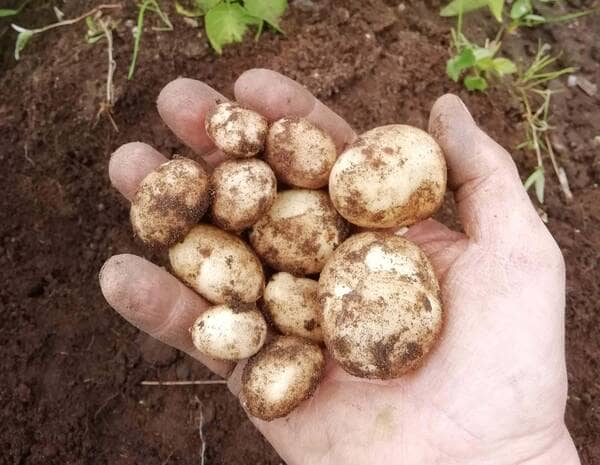
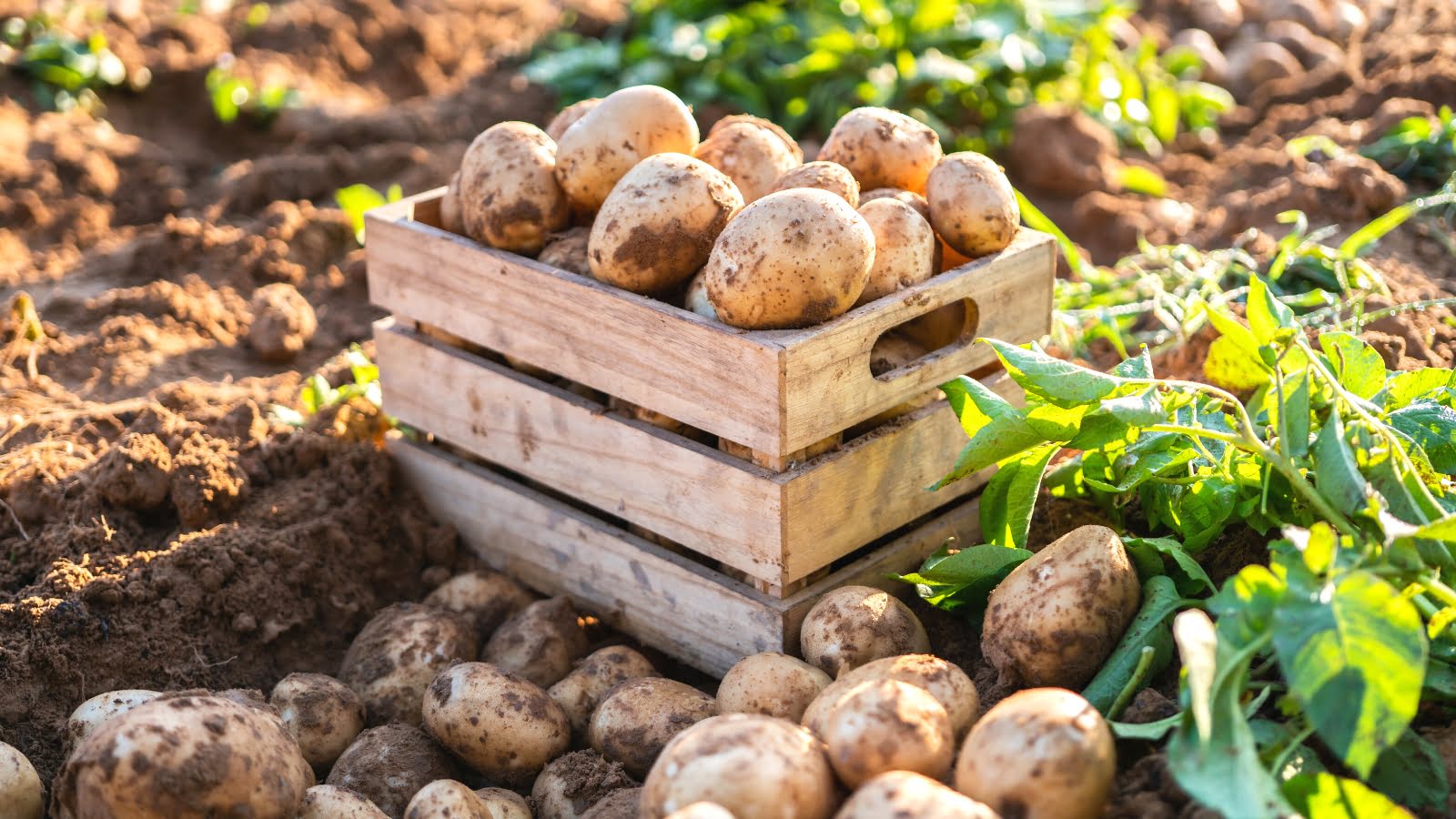
One seed potato can often produce about 5 to 10 new potatoes under suitable growing conditions, though the harvest may be smaller or larger depending on the variety, soil, weather, and care. The total weight matters as much as the number of potatoes.
In the United States, potatoes grow in home gardens, raised beds, grow bags, and large backyard plots. Gardeners in cooler parts of the country often plant them in spring, while those in warmer regions may need to adjust planting dates to avoid extreme summer heat. A single seed potato can turn into a useful harvest, but the final amount depends on how well the plant grows.
The number of potatoes you get from one seed potato is not fixed. A small seed piece with one or two healthy eyes may produce a different crop from a whole seed potato with several eyes. Potato variety, soil moisture, sunlight, plant spacing, and the length of the growing season all affect the result. Understanding these factors helps you set a fair harvest goal and make better use of your garden space.
One seed potato commonly produces several new potatoes, and a rough planning range is about 5 to 10 tubers per planted piece. Some plants produce fewer, while vigorous plants in good soil can produce more. This range is useful for setting expectations, not for predicting an exact harvest.
A seed potato is a potato grown and sold for planting. Its buds, known as eyes, can sprout into stems. The plant grows leaves and roots, then forms underground tubers that swell as the plant makes and stores energy. Those tubers are the potatoes you harvest.
The final count depends on both the number of tubers that form and how large they grow. One plant might give you six large potatoes, while another gives you ten smaller ones. Both can provide a useful crop, even though their counts differ.
For that reason, do not judge your potato crop by the number alone. Weighing the harvest gives you a clearer picture of how much food one seed potato produced. The size and condition of the tubers also help you judge whether your growing method worked well.
Source: growerexperts.com
A small harvest
A plant may produce only a few tubers if growth is weak, the season is short, or the plant faces poor soil, drought, disease, or other stress.
A typical home harvest
Several usable potatoes per seed piece is a reasonable starting expectation when the variety and growing conditions suit each other.
A larger harvest
A vigorous plant may form more tubers or heavier tubers when it has a suitable variety, enough growing time, and good access to water, light, and nutrients.
Why the number is not the same for every plant
Potato plants do not follow a fixed production rule. Their tubers form along underground stems called stolons. The number that develop and the size they reach depend on plant genetics and growing conditions.
A plant under stress may stop adding much new growth or may fail to fill out its tubers. Another plant in the same bed may do better because it has more room or a healthier root system. Even plants of the same variety can yield different amounts.
Variety
Different potato varieties have different growth habits, maturity times, and tuber sizes.
Seed piece size
A larger, healthy seed piece with enough viable eyes may establish more than one strong stem, although more stems do not always mean a heavier crop.
Growing conditions
Suitable soil, steady moisture, and enough time for tubers to develop all influence the final result.
How Much Weight Can One Seed Potato Produce?
The weight of the harvest can be more useful than the number of potatoes. A crop with six large tubers may weigh more than one with twelve tiny tubers. There is no single weight that every seed potato will produce, so treat any estimate as a planning guide rather than a promise.
To understand your own results, record the weight of the seed potato or seed piece you planted, then weigh the usable potatoes at harvest. Keep the number of plants and the variety in your notes. This simple record will help you compare crops over time.
For example, imagine that one seed piece produces eight potatoes weighing a total of 2 pounds. Another plant produces five potatoes weighing 2.5 pounds. The second plant has a lower count but a greater total yield by weight. These figures are hypothetical examples, not measured results or standard yields.
Your harvest can also include tubers that are too small for your intended use, damaged potatoes, or potatoes with green areas. Separate these from sound, usable potatoes when calculating your edible yield. Do not assume that every tuber dug from the ground is suitable to eat.
Source: healthygreenkitchen.com
Count the tubers
Record the total number of potatoes from each planted seed piece, including small ones, if you want to study how the plant produced.
Weigh the crop
Use a kitchen scale or suitable weighing scale to measure the total harvest in pounds or ounces.
Separate usable potatoes
Record damaged, rotten, or green potatoes separately so your notes reflect the crop you can safely use.
How to calculate your seed potato yield
The calculation is simple. Divide the total harvested weight by the number of seed pieces planted to find the average yield per piece. If you want the average yield per plant, use the number of plants that actually grew instead.
For example, if ten seed pieces produce a total of 20 pounds of usable potatoes, the average is 2 pounds per seed piece. Individual plants may produce more or less than that average. This calculation is most useful when comparing similar varieties grown under similar conditions.
Total harvest
Add the weight of all usable potatoes from the group you are measuring.
Average yield
Divide that weight by the number of seed pieces or established plants, depending on what you want to compare.
What Affects the Number of Potatoes You Harvest?
The main factors are potato variety, seed quality, soil condition, water, sunlight, plant spacing, nutrients, and the length of the growing season. These factors work together. A good variety may still produce a poor crop if it grows in waterlogged soil or suffers from long periods of drought.
Start by choosing a variety suited to your local climate and the time you have available. Early varieties mature sooner, while many later varieties need a longer growing period. A long season can allow more time for tubers to grow, but only when temperatures and other conditions remain suitable.
Seed quality matters because the planted piece must sprout and support early growth. Certified seed potatoes help reduce some disease risks compared with potatoes chosen at random from a grocery store. Look for firm, healthy seed stock and follow the supplier’s planting guidance.
Soil is just as important. Potatoes grow best in loose, well-drained soil that lets underground stems and tubers expand. Heavy, compacted soil can restrict growth, while poorly drained ground raises the risk of rot. Adding suitable organic matter can improve soil structure, but the right approach depends on the soil you already have.
Source: www.youtube.com
Water
Keep soil evenly moist during active growth, especially while tubers form and swell. Avoid leaving roots in standing water.
Sunlight
Choose a sunny site that receives several hours of direct light each day. Too much shade can limit the energy available for tuber growth.
Spacing
Give plants enough room to develop stems, roots, and tubers. Crowding can increase competition and make watering and hilling harder.
Temperature
Potatoes favor cool to moderate growing conditions. Prolonged heat can slow tuber formation and reduce the harvest.
Pests and disease
Check plants for yellowing, spots, chewing damage, wilting, and unusual growth. Early action may limit crop losses.
How soil and moisture affect tuber growth
Potatoes need soil that holds enough moisture for steady growth but drains excess water. When the soil dries out for long periods, the plant may struggle to support tuber development. Sudden changes between dry and very wet soil can also contribute to uneven tuber growth or defects.
Before planting, loosen the bed and remove large stones that could interfere with growth. Do not work soil when it is so wet that it sticks heavily to tools and forms hard clumps. If your garden drains poorly, consider a raised bed or another growing area with better drainage.
Check below the surface
Feel the soil a short distance below the surface before watering. The top may look dry even when the root zone still holds moisture.
Avoid excess water
Waterlogged soil limits air around the roots and can encourage disease and decay.
Why too much fertilizer can hurt your crop
Potatoes need nutrients to grow, but adding more fertilizer than the soil or crop needs can cause problems. Too much nitrogen can encourage lush leaf growth at the expense of tuber development, depending on the timing and growing conditions.
Use a soil test when possible and follow the fertilizer label for the crop and planting area. Do not assume that more fertilizer will create more potatoes. Balanced nutrition is more useful than feeding the plant without a clear reason.
Test first
A soil test can help identify nutrient needs and reduce guesswork.
Follow the label
Use the stated rate and timing rather than increasing the dose in hopes of a bigger crop.
How to Plant One Seed Potato for a Better Harvest
A healthy harvest starts before the seed potato goes into the ground. Pick sound seed stock, prepare loose soil, and plant at the right time for your region. These steps give the plant a better chance to establish roots and form tubers.
In much of the United States, potatoes are planted in early spring as the soil becomes workable and the risk of severe cold begins to ease. The exact date varies by local climate. Gardeners in hot southern areas may need to plant earlier or use a suitable fall planting window, while colder regions may have a shorter spring and summer season.
Use the planting instructions supplied with your seed potatoes when they give specific depth or spacing advice for that variety. Garden soil, raised beds, and containers may need slightly different handling. The goal is to give each plant room to grow while keeping developing tubers covered.
Source: healthygreenkitchen.com
Choose healthy seed potatoes
Select firm seed stock without soft rot, foul odors, or obvious signs of disease. Buy from a reputable supplier when possible.
Prepare the bed
Loosen the soil and improve drainage if needed. Remove weeds and large stones that could interfere with planting.
Plant at a suitable depth
Follow variety-specific directions, then cover the seed piece with soil. Avoid planting into saturated or badly compacted ground.
Leave room between plants
Use spacing suited to the variety and growing system so plants do not compete too heavily for water, light, and nutrients.
Water gently
Moisten the soil after planting if needed, without washing the seed piece out of place or soaking the bed.
Should you cut a seed potato into pieces?
A large seed potato can often be cut into pieces, with each piece containing at least one healthy eye. This lets you plant more pieces from a single large potato, but it does not guarantee more potatoes overall. Each piece must have enough stored energy to establish a healthy plant.
Use a clean, sharp knife and avoid planting pieces that are soft, rotten, or badly damaged. Some growers allow cut surfaces to dry and form a protective layer before planting, following guidance suited to their conditions. Small seed potatoes are often planted whole when their size and the supplier’s directions allow it.
Do not divide a small potato into many tiny pieces just to increase the plant count. Pieces with too little stored energy or few viable eyes may sprout poorly or fail to establish.
Keep viable eyes on each piece
Each cut piece needs a healthy bud from which a stem can grow.
Prevent rot
Handle seed pieces carefully, use clean tools, and avoid planting decayed material in wet soil.
Can you plant a grocery store potato?
A grocery store potato may sprout and grow, but it is not always a reliable choice for a home crop. Some potatoes have been treated to slow sprouting, and the health status or variety suitability may be unknown. Certified seed potatoes are generally the more dependable option for planned planting.
If you try a grocery store potato, understand that the result is uncertain and that disease may be introduced into the garden. Never plant a potato that is rotten or smells bad. Do not use green or damaged potatoes as food simply because they have sprouted.
Prefer seed stock
Seed potatoes intended for planting provide clearer variety information and better disease-management assurances.
Check condition
Reject soft, moldy, or decaying potatoes rather than trying to save them for planting.
How to Care for Potato Plants as They Grow
Once shoots emerge, focus on steady moisture, weed control, and keeping developing tubers covered. Healthy leaves collect sunlight that the plant uses to support growth below the soil. Protecting that leaf growth and avoiding major stress can help the plant make a better crop.
Water when the root zone begins to dry rather than following a rigid schedule. Soil type, rainfall, temperature, and container size all change how often you need to water. Containers may dry faster than garden beds, particularly in warm or windy weather.
As the stems grow, pull soil or suitable mulch around their bases when needed to cover developing tubers. This practice is called hilling. It helps keep tubers out of direct light, where they can turn green, and gives the plant a more suitable area for tuber growth. Do not bury so much foliage that you damage or smother the plant.
Remove weeds before they compete heavily with the potatoes. Watch for signs of pests or disease, and identify the cause before applying a treatment. A plant that looks weak does not always need more fertilizer; it may be suffering from excess water, drought, heat, or disease.
Source: www.youtube.com
Keep moisture steady
Check soil conditions often during dry or hot weather, and water deeply enough to reach the active root zone.
Hill when needed
Add soil around the stems as plants grow, leaving enough foliage exposed to support healthy growth.
Inspect leaves
Look for unusual spots, holes, yellowing, wilting, or insects so you can investigate problems early.
Limit root disturbance
Pull weeds with care and avoid digging close to stems where developing tubers may be growing.
Signs your potato plant is growing well
Healthy potato plants generally produce firm stems and green leaves appropriate for their variety and growth stage. New growth should appear as the plant establishes itself, provided temperature and moisture are suitable. These signs are encouraging, but they do not reveal the final tuber count.
A plant can have lots of leaves without producing a large crop. Excess nitrogen, heat, or other stresses may affect the balance between top growth and tuber formation. Judge progress over time instead of relying on foliage size alone.
Even growth
Most plants establish and develop without persistent wilting or major differences caused by poor drainage or competition.
No obvious decay
Stems and seed pieces should not show spreading soft rot or a strong foul smell.
What to do if your potato plants look weak
Start by checking soil moisture and drainage. If the soil is very dry, water as needed. If it is saturated, allow drainage to improve and avoid adding more water until the root zone requires it.
Next, check for pests, leaf damage, disease signs, and recent temperature stress. Compare the affected plant with healthy plants nearby. If symptoms spread or seem severe, consult a local university extension service or a reliable plant diagnostic resource before choosing a treatment.
Dry soil
Water slowly and thoroughly, then check again to see whether moisture has reached the root zone.
Wet soil
Check drainage and reduce unnecessary watering rather than adding fertilizer to a struggling plant.
Leaf damage or spots
Look closely for insects or disease symptoms and seek a sound diagnosis before using a pesticide.
When Should You Harvest Your Potatoes?
Harvest time depends on whether you want small, tender new potatoes or mature potatoes for longer storage. New potatoes can be dug before the plant reaches full maturity. Mature potatoes need more time for the skins to firm up, which helps reduce damage during handling and storage.
The variety’s expected maturity period is a useful guide, but it is not an exact harvest date for every garden. Weather, planting time, and plant health affect how quickly potatoes develop. Read the variety information and watch the plant as the season progresses.
For mature potatoes, many gardeners wait until the foliage has yellowed and died back. If the plant has a disease problem, however, do not assume that dying foliage means the crop is ready or healthy. Identify the issue and follow appropriate local growing advice.
Use a garden fork carefully, working away from the main stems so you do not spear the tubers. Loosen the soil and lift the plant or dig through it by hand. Potatoes close to the surface may be easy to find, while others can sit farther down or out to the side.
Source: detroitchinatown.org
For new potatoes
Check the plant after tubers have begun to form and gently feel for suitable small potatoes without disturbing the whole plant more than needed.
For mature potatoes
Use variety guidance and signs of plant maturity to decide when to dig the main crop.
Handle gently
Avoid cuts, bruises, and punctures because damaged tubers are harder to store well.
Keep green potatoes separate
Potatoes exposed to light can develop green areas and may contain elevated levels of glycoalkaloids. Do not eat green or bitter potatoes.
Why waiting can improve the storage crop
As mature potatoes finish growing, their skins become more firmly set. This helps them resist damage during digging and handling. Digging too early can leave tender skins that rub or peel off easily.
After harvest, keep potatoes out of direct sunlight. Follow reliable storage guidance for the variety and intended storage period, and remove rotten or badly damaged tubers. Do not wash potatoes intended for storage until you are ready to use them, because added surface moisture can encourage decay.
Cure when appropriate
Mature potatoes intended for storage may benefit from a suitable curing period in dark, well-ventilated conditions. Follow extension or seed supplier guidance for temperature and duration.
Store in the dark
Keep stored potatoes away from light and inspect them from time to time for decay or greening.
Common Reasons One Seed Potato Produces Few Potatoes
A small harvest usually means that one or more growing conditions limited the plant, but the tuber count alone cannot tell you which factor caused the problem. Review the planting date, weather, soil, watering, plant health, and harvest timing before changing your method next season.
Heat and drought can restrict tuber growth. Waterlogged soil can damage roots and seed pieces. Crowding can increase competition, and excess nitrogen may favor leaves over tubers. Planting a variety that needs more time than your local season allows can also limit maturity.
Poor seed quality is another possible cause. A seed piece that fails to sprout well may produce a weak plant, while disease can damage roots, stems, or tubers. Use healthy seed stock and avoid saving potatoes from plants that showed unexplained disease symptoms.
Digging too early can make the crop look smaller than it would have been if the plant had more time to mature. If the foliage is still healthy and the variety has not reached its expected maturity, check whether the crop is ready before harvesting everything. Do not delay harvest blindly when disease, severe weather, or other local risks make that unwise.
Source: www.youtube.com
Few or tiny tubers
Possible causes include heat, limited growing time, weak seed pieces, overcrowding, or poor soil conditions.
Yellowing leaves too early
Check for drought, waterlogged soil, nutrient problems, pests, and disease rather than assuming the crop has matured.
Soft or rotten seed pieces
Excess moisture, damaged seed, or disease may be involved. Remove decaying material and improve conditions before planting again.
Green tubers
Insufficient soil cover or exposure to light may be responsible. Keep developing tubers covered and do not eat green or bitter potatoes.
A simple troubleshooting plan for next season
Write down what happened while the details are fresh. Note the variety, planting date, approximate spacing, soil type, rainfall or watering pattern, and the date you harvested. These records help you spot patterns rather than guessing from one disappointing crop.
Change one or two clear problems at a time. If the soil stayed wet, improve drainage before adding fertilizer. If the crop faced a long hot spell, consider a more suitable planting window or a variety adapted to your region. Small, targeted changes make it easier to learn what helped.
Record the yield
Track both the number and total weight of usable potatoes per seed piece.
Check local guidance
Use advice from your state university extension service for varieties, planting dates, and pest or disease concerns.
Review the harvest
Look for clues such as very small tubers, decay, greening, or signs of premature digging.
How Many Seed Potatoes Should You Plant?
The number of seed potatoes you need depends on how much you want to harvest, how much space you have, and whether potatoes are a small side crop or a major part of your garden. Work backward from your needs instead of assuming every plant will produce the same amount.
For a simple estimate, choose a cautious expected yield per seed piece based on your own records or local growing advice. Divide your desired harvest weight by that estimate, then add some room for losses and variation. If this is your first season, treat the calculation as a starting point and keep notes so you can improve it next time.
For example, suppose you want 20 pounds of potatoes and choose a hypothetical planning estimate of 2 pounds per seed piece. Dividing 20 by 2 gives ten seed pieces. This is a sample calculation, not a guarantee that ten seed potatoes will yield 20 pounds. Your result may differ because of climate, variety, soil, and care.
Space is also part of the decision. A crowded bed can reduce air movement and make plant care harder. A larger planting area may let you grow more plants, but only if you can provide the needed sunlight, water, nutrients, and time.
Source: www.youtube.com > Urban Gardening
For a small trial
Plant a few seed potatoes to learn how the variety performs in your soil and climate before increasing the planting.
For regular home use
Estimate the desired weight, use a cautious yield assumption, and adjust the number of seed pieces to fit your available space.
For a larger crop
Plan bed area, water access, storage space, and harvest time along with the number of seed potatoes.
Should you aim for more potatoes or larger potatoes?
That depends on how you plan to use the crop. Small potatoes can be handy for roasting or boiling whole, while larger tubers may suit baking, mashing, or other kitchen needs. Variety and growing conditions both affect the final size.
You cannot reliably force every plant to produce a particular size by changing one factor alone. Seed piece condition, the number of stems, variety, spacing, water, and maturity all play a part. Choose a variety suited to your cooking needs and grow it under conditions that support steady development.
For small tubers
Choose a suitable variety and harvest at an appropriate stage if you want tender new potatoes.
For mature tubers
Allow the variety enough time to develop, and avoid major moisture stress during active tuber growth.
Frequently Asked Questions
Q
Can one seed potato produce 20 potatoes?
Yes, it is possible for one planted seed potato or seed piece to produce 20 small tubers under favorable conditions, but it is not a reliable expectation for every plant. A high count may include many small potatoes rather than a large total harvest. Variety, growing conditions, and the definition of a usable potato all affect the result.
Q
Does one potato eye grow one potato?
No. A potato eye is a bud that can produce a shoot, not a single new potato. The growing plant develops roots and underground stems, and tubers form along those underground stems. One shoot can support several tubers, while the final number depends on the variety and growing conditions.
Q
Can I grow several plants from one seed potato?
A large seed potato can sometimes be cut into several pieces, each with at least one healthy eye. Each viable piece may grow into a separate plant, but cutting a potato into too many small pieces can reduce the chance of successful establishment. Use clean tools, healthy seed stock, and planting guidance suited to the size of the pieces.
Q
How long does it take to grow potatoes from seed potatoes?
Many potato varieties take roughly 70 to 120 days to mature, although some early varieties can be ready sooner and some late varieties need longer. The exact time depends on the variety, climate, planting date, and growing conditions. Check the supplier’s maturity information and use plant development to help judge harvest time.
Q
Will bigger seed potatoes produce more potatoes?
Not always. A larger seed potato may contain more stored energy and several healthy eyes, but its size alone does not guarantee a higher yield. Variety, seed health, viable buds, soil, moisture, and plant spacing also matter. A healthy, properly sized seed piece can establish a productive plant without being unusually large.
Q
Can I eat potatoes that have turned green?
Do not eat green or bitter potatoes. Green coloring signals light exposure and may occur alongside elevated levels of natural glycoalkaloids, which can be harmful. Keep growing and stored potatoes in the dark, cover developing tubers with soil, and discard potatoes that are green or bitter rather than trying to make them safe by cooking.
✦ Wrapping Up
Conclusion
One seed potato can often produce around 5 to 10 new potatoes, but the number is only a rough guide. Some plants yield fewer tubers, while others produce more. The total weight, tuber size, variety, and growing conditions give you a better picture of the harvest.
Start with healthy seed potatoes, loose and well-drained soil, suitable spacing, and steady moisture. Plant at a time that fits your local climate, protect developing tubers from light, and harvest according to the variety and the stage you want. If your first crop falls short, record what happened and use those notes to guide the next planting.
💡 Key Takeaway
For your next potato crop, plant a few healthy seed potatoes, record the variety and planting date, and weigh the usable harvest from each plant. Your own records will provide a more useful yield estimate for your garden than a fixed number found online.