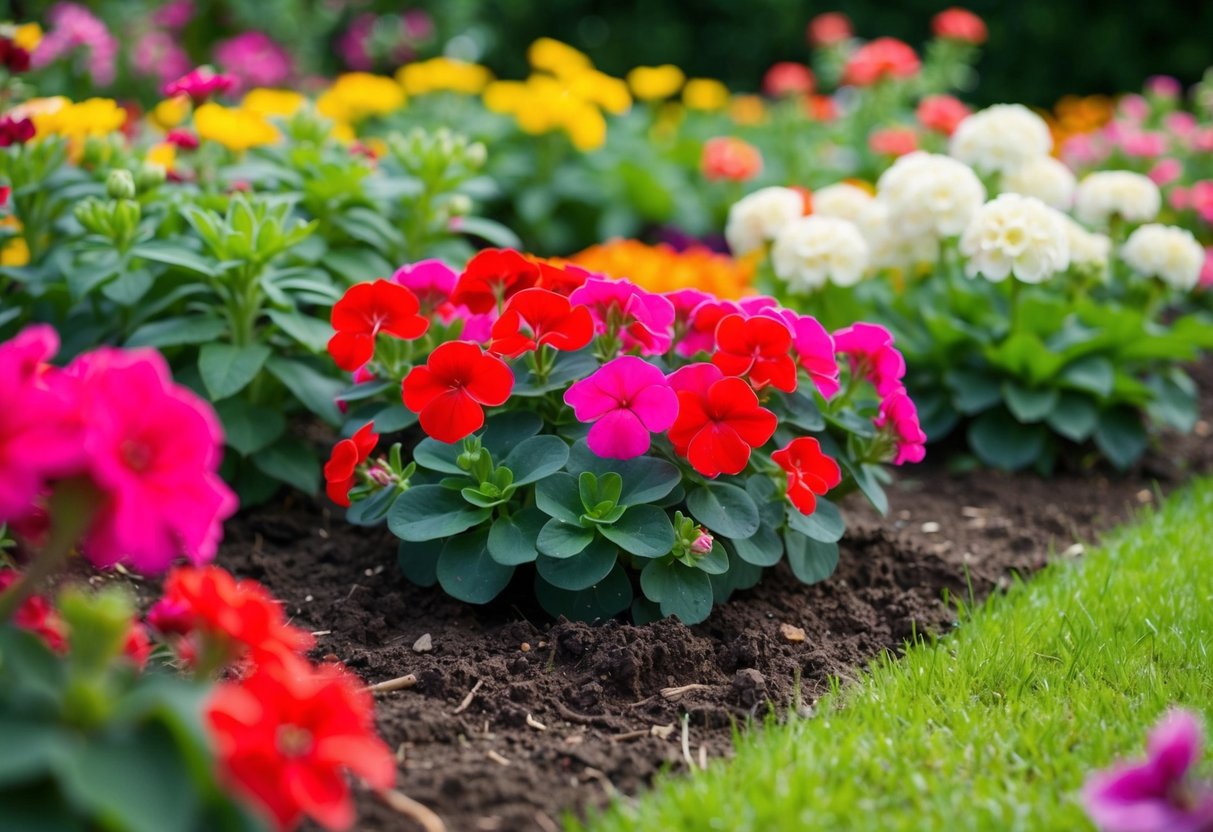
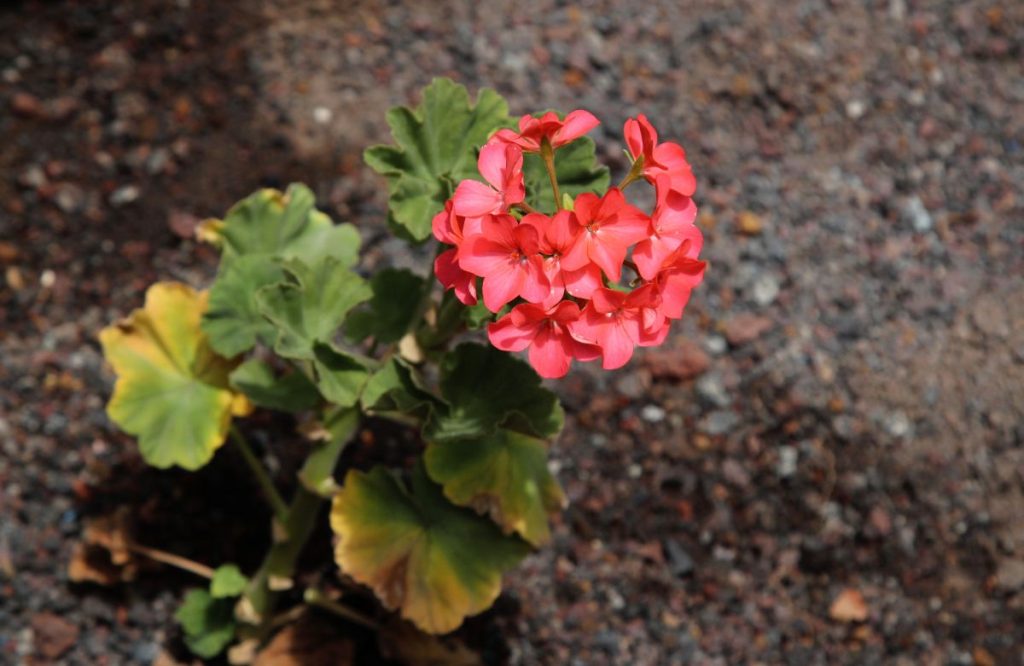
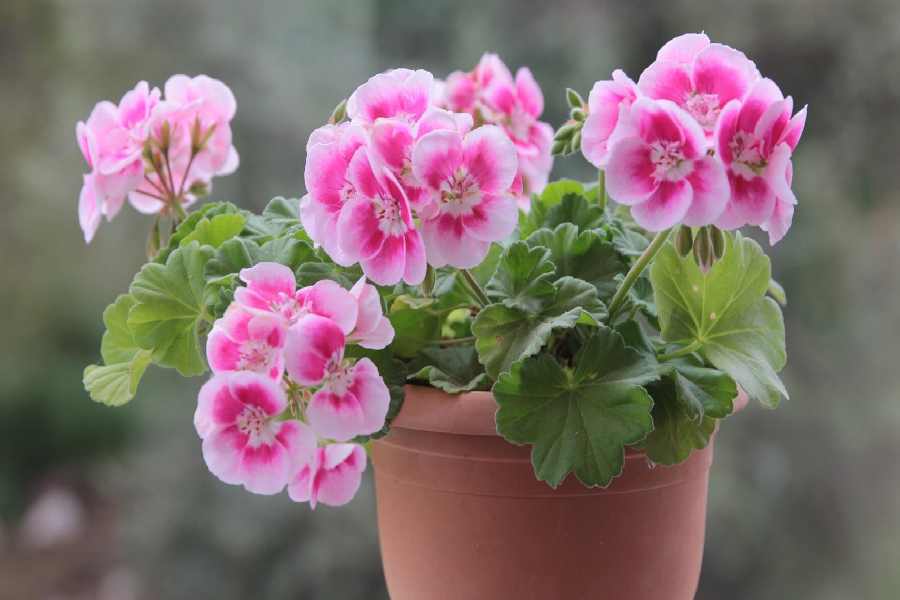
Yes, you can plant geraniums directly in the ground. Choose a sunny spot with well-drained soil, plant after the danger of frost has passed, and water when the soil begins to dry. In cold parts of the United States, common garden geraniums need winter protection or replacement in spring.
Across the United States, geraniums bring bright color to front yards, flower beds, walkways, and sunny spots beside porches. Red, pink, white, coral, and purple blooms can brighten a garden from spring into fall. Planting them in the ground is simple, but the best results depend on your local climate, soil drainage, and the type of geranium you grow.
There is one detail worth knowing before you start. The familiar geranium sold in many American garden centers is usually a Pelargonium, a tender plant that cannot survive a hard freeze outdoors. True hardy geraniums belong to the Geranium genus and include perennial plants that can return each spring in suitable growing zones. Choosing the right kind helps you avoid losing a whole bed when winter arrives.
Yes, common garden geraniums grow well in the ground when they have enough sun, suitable soil, and warm weather. They can fill a flower bed, edge a walkway, or add color around a mailbox. Planting in the ground also gives roots more room to spread than a small pot does.
The main limit is winter cold. Common bedding geraniums, often sold as zonal geraniums, are tender perennials that are commonly treated as annuals in much of the United States. A frost can damage their leaves and stems, while a hard freeze can kill the plant.
If you want flowers that return each spring, look at hardy geraniums, also called cranesbills. These plants belong to a different genus from common bedding geraniums. Many hardy types survive winter outdoors in suitable regions and can form useful clumps or ground cover.
Before planting, check the plant label. A label that lists Pelargonium usually refers to the familiar tender bedding plant. A label that lists Geranium usually refers to a true hardy geranium, though the plant’s exact growing needs still depend on its species and cultivar.
Source: georgeweigel.net
Common garden geraniums
Choose these for bold seasonal flowers in sunny beds. In cold regions, grow them as annuals or lift healthy plants before frost to keep them indoors.
Hardy perennial geraniums
Choose these when you want plants that can return after winter. Check their mature size, sun needs, soil needs, and hardiness before planting.
Ivy and trailing geraniums
These have spreading or cascading stems and may work along raised bed edges. Their growth habit and tolerance of garden conditions vary by cultivar.
When Is the Best Time to Plant Geraniums in the Ground?
Plant common garden geraniums outdoors after the local danger of frost has passed. These plants prefer warm conditions and can struggle when planted into cold soil. In many northern states, that means waiting until spring weather settles. In warmer parts of the South, planting may be possible much earlier.
Do not rely on one national planting date. Spring arrives at different times in Maine, Missouri, Texas, and California. Check your local frost dates and the short-term forecast before setting tender plants outside.
For hardy perennial geraniums, spring is often a useful planting time because the roots can settle in before summer heat. Many can also be planted in fall where the soil remains workable and roots have time to establish before severe cold. Avoid planting into waterlogged soil or during extreme heat.
Source: gardening.org
Northern and colder states
Wait until frost danger has passed before planting tender bedding geraniums. Keep new plants sheltered if nights are still cold.
Mid-Atlantic and central states
Use local frost dates rather than a fixed calendar date. A warm afternoon does not mean the risk of a cold night has ended.
Southern states
Mild winters may allow a longer planting season, but intense summer heat and humidity can reduce flowering or stress common geraniums.
Western states
Account for elevation, coastal weather, and local heat. A cool coastal garden may have very different planting conditions from an inland desert yard.
Should You Plant Geraniums in Spring or Fall?
For common bedding geraniums, spring is usually the safest choice in places with cold winters. The plants have a long warm season to grow and flower before the first fall frost. In mild regions, gardeners may also plant them during cooler parts of the year.
For hardy geraniums, spring and fall can both work. Spring gives plants time to grow through the season, while fall planting can suit areas with mild weather and moist, workable soil. In cold or wet locations, spring may be the safer option.
Best general choice
Plant tender bedding geraniums in spring after frost danger has passed.
For perennial types
Use spring or a suitable mild fall period, based on the plant label and your local climate.
Choose the Right Spot for Geraniums in the Ground
Most common garden geraniums bloom best in a sunny bed with soil that drains well. Aim for about six hours of direct sunlight each day. With too little light, plants may grow long, weak stems and produce fewer flowers.
Sunlight needs can change with the weather. In cooler northern areas, a spot with full sun often works well. In places with intense summer heat, some afternoon shade can reduce stress, especially during hot spells. A location with morning sun and light afternoon shade may help plants hold up better in a very warm climate.
Drainage matters just as much as light. Geranium roots need air as well as moisture. If water sits around the roots after rain, plants may develop root problems even when the soil looks rich. A slightly raised bed can help where the ground stays wet.
Think about air movement when choosing a planting site. Plants packed tightly against walls or crowded into a dense bed can stay damp for longer after rain or irrigation. Leave enough room for mature plants to grow without rubbing against each other.
Source: assets.telegraphindia.com
Sunlight
Choose a spot with several hours of direct sun. Give plants some afternoon shade where summer heat is intense.
Drainage
Avoid low areas where puddles remain after rain. Improve the bed or use a raised planting area if drainage is poor.
Airflow
Space plants so air can move around the leaves and stems. This helps the foliage dry after rain or watering.
Access
Plant near a path or bed edge if you want to remove faded flowers and inspect leaves without stepping on nearby plants.
Can Geraniums Grow in Partial Shade?
Yes, many common bedding geraniums can grow in partial shade, but flowering may be lighter than it would be in a sunnier spot. A few hours of direct morning sun can be helpful, especially when the rest of the day is bright.
Hardy perennial geraniums vary more widely. Some grow well in sunny borders, while others suit partial shade or shaded areas beneath trees. Read the plant label and match the species to the light in your yard rather than assuming every geranium needs the same conditions.
For more flowers
Give common bedding geraniums a bright, sunny site unless heat makes some shade necessary.
For shaded beds
Look for a hardy geranium cultivar known to grow in shade rather than forcing a sun-loving bedding type to cope with low light.
Prepare the Soil Before Planting
Geraniums need soil that holds some moisture but lets extra water drain away. A fertile garden loam often works well. Heavy clay can hold too much water, while very sandy soil may dry out quickly and need more organic matter.
Check the bed after a good rain or water the empty planting area and watch what happens. If water remains on the surface for a long time, the site may drain poorly. If the ground dries very fast, compost can help improve its ability to hold moisture.
Work a layer of mature compost into the soil before planting when the bed needs more organic matter. Mix it through the planting area instead of leaving a rich pocket just beneath each root ball. Avoid adding large amounts of fertilizer without a clear need, because excess nutrients can lead to soft growth and may not improve flowering.
Do not assume that all soil problems can be fixed by adding sand or fertilizer. Small amounts of sand mixed into heavy clay may not improve drainage and can make the soil harder. For a badly drained bed, a raised bed or a different planting site may be more useful.
Source: nature-and-garden.com
For heavy clay
Improve the soil with suitable organic matter and consider a raised bed if water remains around the roots.
For sandy soil
Mix in mature compost to help the soil retain moisture and nutrients without making it soggy.
For average garden soil
Loosen compacted areas and check drainage. Do not add extra materials if the soil already supports healthy plants.
Do Geraniums Need Acidic Soil?
Common garden geraniums generally do well in ordinary garden soil that drains well and contains useful organic matter. Extreme soil conditions can affect plant growth, so a soil test is helpful when a bed has repeated problems or the soil is known to be unusual.
Avoid adding lime, sulfur, or other soil amendments just to change the pH without checking what the soil needs. The best approach is to improve the conditions that actually limit the plant rather than treating every bed the same way.
How to Plant Geraniums in the Ground Step by Step
Planting geraniums in a garden bed does not take much equipment. A hand trowel, watering can or hose, and a little compost are often enough. The main goal is to give each plant a stable start without burying its crown or leaving the roots dry.
Source: thenatureofhome.com
Step 1: Water the plant
Water the geranium in its nursery pot before planting. Moist roots are easier to handle, and the root ball is less likely to dry during the move.
Step 2: Prepare the bed
Remove weeds, loosen compacted soil, and mix in compost if the bed needs it. Make sure extra water can drain away.
Step 3: Check the spacing
Read the plant label for mature width. Many common bedding geraniums can be spaced about 12 to 24 inches apart, depending on the cultivar and the look you want.
Step 4: Dig a suitable hole
Make the hole about as deep as the root ball and wide enough to fit the roots without forcing them into a tight space.
Step 5: Remove the pot
Gently slide the plant out. If the roots circle tightly around the root ball, loosen the outer roots carefully without tearing the whole root system apart.
Step 6: Set the plant at the right depth
Place the top of the root ball level with the surrounding soil. Do not bury the main stem or crown deeply, because excess moisture around the stem can cause rot.
Step 7: Fill the hole
Return the soil around the roots and press it gently into place. Firm the soil enough to remove large air gaps without packing it hard.
Step 8: Water thoroughly
Water slowly around the root zone so the soil settles around the roots. Check that water drains rather than pooling around the stem.
Step 9: Watch the plant
Check moisture over the next few days. Newly planted geraniums need steady moisture while their roots settle, but they should not sit in wet soil.
How Far Apart Should Geraniums Be Planted?
For many common bedding geraniums, spacing of about 12 to 24 inches works well. The right distance depends on the variety, its mature width, and whether you want separate rounded plants or a fuller bed.
Closer spacing can fill an area faster, but crowded plants may have less airflow and become harder to inspect. If you are unsure, follow the label and allow enough room for each plant to reach its expected size.
For a full flower bed
Use the plant’s mature width to plan a neat, even layout rather than placing plants too close together.
For small borders
Measure the available width before planting so leaves and flowers do not spill into a path you need to keep clear.
How to Water Geraniums Growing in the Ground
Water newly planted geraniums thoroughly, then adjust the schedule to the weather and soil. The goal is to keep the root zone moist enough for growth without leaving it saturated. Watering every day is not always needed, especially when rain has already soaked the bed.
Check the soil before reaching for the hose. Feel the top inch or two of soil near the plant. If it still feels damp, wait and check again later. If the soil is drying and the plant is becoming established, water slowly at the base.
Established geraniums can handle short dry periods better than waterlogged soil, but long spells without water may cause wilting, leaf drop, and fewer flowers. Sandy beds may need more frequent watering than loamy beds. Plants in intense summer heat may also use water faster.
Watering in the morning is a useful habit because the plant can take up moisture before the hottest part of the day. Direct water toward the soil rather than repeatedly soaking the leaves and flowers. This can help reduce the time foliage stays wet.
Source: dopegardening.com
Newly planted plants
Check soil moisture often during the first few weeks and water when the root zone starts to dry.
Established plants
Give a thorough soak during dry periods rather than using tiny amounts of water every day.
After heavy rain
Check the soil before watering again. Skip irrigation if the root zone is still wet.
During a heat wave
Check moisture more often and provide temporary afternoon shade if plants show heat stress.
Why Are My Geraniums Wilting?
Wilting can mean the plant needs water, but it can also happen when the roots sit in soggy soil and cannot function well. Check the soil before deciding which problem you have. Dry soil points toward a need for water, while wet soil and a soft or dark stem raise concern about root or stem damage.
If the soil is dry, water slowly and check the plant later. If the soil is wet, stop watering until the root zone starts to dry and check whether the bed drains properly. A plant with severe stem rot or widespread root damage may not recover.
Dry soil and limp leaves
Water the root zone and review the watering schedule, especially during hot or windy weather.
Wet soil and yellow leaves
Check drainage and reduce watering. Look for dark, soft stems or damaged roots.
Wilting only during peak heat
Check the soil again in the evening. Temporary heat stress may improve when temperatures fall.
Fertilizing Geraniums in a Garden Bed
Geraniums need nutrients for healthy leaves, roots, and flowers, but extra fertilizer does not always mean more blooms. Start with the condition of the soil and the growth of the plant. A bed with fertile soil and plenty of organic matter may need less added fertilizer than a poor, sandy bed.
If the soil needs feeding, use a balanced garden fertilizer according to its label. Follow the listed rate for the area you are treating. Too much fertilizer can harm roots, waste nutrients, and encourage leafy growth at the expense of flowers.
Container plants often need more frequent feeding than plants in garden beds because water drains through the pot and carries nutrients away. Geraniums planted in the ground usually have a larger area from which roots can draw water and nutrients.
If leaves turn yellow or growth slows, do not assume fertilizer is the answer. Excess water, poor drainage, low light, damaged roots, and normal aging of lower leaves can cause similar signs. Check the growing conditions first.
Source: gardening.org
Before planting
Add compost when needed to improve the soil. Use a soil test if you suspect a major nutrient imbalance.
During the growing season
Apply fertilizer only as needed and follow the label for rate, timing, and safe use.
When plants have lots of leaves but few flowers
Check sunlight and fertilizer use before adding more nutrients. Too much nitrogen may encourage leaf growth over flowering.
How to Keep Geraniums Blooming All Season
Consistent light, sensible watering, and the removal of faded flowers can help common bedding geraniums keep producing blooms. A healthy plant can continue flowering for much of the warm season when growing conditions suit its variety.
Deadheading means removing old flower clusters before they develop seed. Follow the flower stalk down to where it joins the main stem or a healthy branch, then pinch or cut it off with clean fingers or garden snips. Removing spent blooms also makes the bed look tidier.
Do not cut away healthy leaves just because an old flower has faded. Leaves help the plant make energy for new growth. Remove damaged or diseased foliage when needed, and avoid taking off large amounts of healthy growth at one time.
If flowering slows during hot weather, look at the whole growing site. High heat, dry soil, waterlogged roots, low light, and excess fertilizer can all affect bloom production. Correct the cause instead of feeding the plant more often without a clear reason.
Source: epicgardening.com
Remove faded flowers
Snip off spent flower stalks to tidy the plant and encourage continued flowering.
Keep sunlight suitable
Provide bright conditions while protecting plants from excessive afternoon heat where needed.
Check soil moisture
Keep the root zone from becoming bone dry or staying saturated for long periods.
Avoid excess fertilizer
Use nutrients to correct a real need rather than trying to force new flowers.
Should You Prune Geraniums in the Ground?
Common bedding geraniums usually need light pruning rather than a hard cutback during the growing season. Remove faded flowers, damaged stems, and weak growth when needed. If a plant becomes leggy, pinching back the tips can encourage a fuller shape, provided enough healthy growth remains.
Hardy perennial geraniums may respond well to a different approach. Some can be cut back after their main flowering period to encourage fresh leaves and, in some types, another flush of flowers. Check the needs of the particular cultivar before cutting it down.
For tender bedding geraniums
Remove spent flowers and trim only the stems that need shaping or repair.
For hardy perennial geraniums
Follow the cultivar’s pruning guidance. Some tolerate a stronger cutback after flowering.
Common Problems With Geraniums Planted Outdoors
Most geranium problems become easier to solve when you check light, moisture, drainage, and the condition of the stems before treating the plant. Yellow leaves or poor flowering do not point to one cause on their own. Look at the pattern of damage and how quickly it appeared.
Wet soil is a common source of trouble. Roots need air, and soil that remains saturated can lead to root or stem rot. Fungal and bacterial diseases can also affect foliage, especially when plants are stressed or leaves stay wet for long periods.
Aphids, whiteflies, spider mites, mealybugs, and other pests may attack geraniums. Inspect the undersides of leaves and the growing tips before choosing a treatment. A small pest problem may respond to a firm stream of water or removal of badly affected growth, depending on the pest and the plant’s condition.
Use any pesticide only when the pest has been identified and the product label allows its use on the plant and site. Follow the label directions and protect pollinators from exposure. Avoid spraying open flowers when the product label warns against it.
Source: thenatureofhome.com
Yellow leaves
Check whether the soil is too wet or too dry, whether the plant receives enough light, and whether older lower leaves are simply aging.
Few flowers
Review sunlight, temperature, watering, and fertilizer use. Low light and excessive nitrogen can reduce flowering.
Dark or soft stems
Check for excess moisture and possible rot. Improve drainage and avoid burying the crown.
Spotted leaves
Avoid wetting foliage, remove badly affected material when appropriate, and improve airflow. Seek a reliable diagnosis if the problem spreads.
Fine webbing or pale stippling
Inspect for spider mites, especially in hot, dry conditions. Confirm the pest before choosing a control method.
Why Are My Geraniums Not Growing?
Slow growth after planting can be normal while roots settle into the bed. Growth may also slow in cold weather, intense heat, or poor light. Give the plant suitable conditions and allow time for new roots to form before adding more fertilizer.
If the plant remains weak, gently inspect the surrounding soil and check whether water drains away. Look for damaged stems, pests, or signs of root rot. A plant with a healthy crown and firm stems may recover after its growing conditions improve, while a plant with severe rot may be beyond saving.
Check the roots and soil
Look for poor drainage, compacted soil, and roots that are dark or soft instead of firm.
Check light and temperature
Make sure the plant receives enough light without being exposed to conditions that cause severe heat stress.
Inspect for pests
Check both sides of leaves and the growing tips before using any pest treatment.
Can Geraniums Stay in the Ground Over Winter?
Whether geraniums survive winter depends on which kind you have and how cold your area gets. Common bedding geraniums are tender and usually cannot survive a hard freeze. Hardy perennial geraniums are more likely to return, but their winter survival still depends on the species, cultivar, and local growing conditions.
In colder parts of the United States, you can lift healthy common geraniums before the first frost and bring them indoors. Pot them in a container with drainage holes and place them in a bright window where they can receive enough light. Reduce watering to match slower winter growth, but do not leave the roots constantly wet.
Another option is to take healthy stem cuttings before frost and root them indoors. This can be useful when a large outdoor plant is too bulky to move. Keep cuttings in a bright place and use a suitable rooting medium that drains well.
In mild climates, common geraniums may survive outdoors for longer periods, especially in sheltered locations. Still, an unexpected freeze can cause damage. Watch the local forecast and be ready to cover or move plants when cold weather threatens.
For hardy perennial geraniums, winter care is usually simpler. Many can remain in the ground and return in spring if they are suited to the local hardiness zone and the bed drains well. Avoid leaving tender roots in saturated soil through winter, as cold, wet conditions can increase the risk of rot.
Source: nature-and-garden.com
Cold winter regions
Lift tender plants or take cuttings before frost. Do not assume that a thick mulch will protect a common bedding geranium from a hard freeze.
Mild winter regions
Outdoor survival may be possible in a sheltered bed, but protect tender plants when a freeze is forecast.
Hardy perennial types
Check the plant’s hardiness and drainage needs. Many hardy geraniums can remain outdoors through winter.
Should You Dig Up Geraniums Before Frost?
Dig up common bedding geraniums if you want to keep them and your area has freezing winters. Do this before frost damages the foliage and stems. Lift the root ball carefully, remove dead or diseased growth, and pot the plant in a clean container with drainage holes.
If you do not want to keep the plants indoors, you can treat them as seasonal flowers and replace them in spring. This is often the simplest option when the plants are inexpensive, healthy annual displays rather than long-term landscape plants.
To keep a favorite plant
Bring it indoors before frost or propagate healthy cuttings while the plant is still growing well.
For a simple seasonal bed
Remove the tender plants after the growing season and plant fresh ones after frost danger ends the following spring.
Are Geraniums Better in Pots or in the Ground?
The ground is a good choice when you want to fill a garden bed with seasonal color and have soil that drains well. In-ground plants have more space for their roots and may need less frequent watering than plants in small containers. A garden bed also makes it easy to arrange several plants in a row or group.
Pots are more useful when drainage is poor, space is limited, or you need to move tender geraniums indoors for winter. A container also makes it easier to control the soil mix and change the position of the plant as sunlight shifts through the seasons.
Neither method is always better. A sunny, well-drained bed can be ideal for a large display, while a container may be the practical choice for a cold region or a yard with heavy clay. The right option is the one that matches your soil, space, and winter weather.
Source: dopegardening.com
Choose the ground
Use a garden bed when you have suitable drainage, enough sunlight, and room for the plants to reach their mature size.
Choose pots
Use containers when you need more control over drainage, want to move plants indoors, or have limited planting space.
Use both
Grow hardy perennial geraniums in the ground and keep tender favorites in pots that can be moved before cold weather.
A Simple Care Routine for In-Ground Geraniums
A small amount of regular care can keep geraniums looking neat without turning the flower bed into a daily chore. Check the plants when you water, remove faded blooms, and look for changes in leaves or stems. These quick checks help you spot problems before they spread.
Adjust the routine as the weather changes. Plants may need more attention during a dry spell and much less water during a rainy week. In cooler weather, growth may slow, so avoid feeding or watering on a fixed schedule without checking the soil and plant condition.
Source: georgeweigel.net
Each time you check the bed
Look at soil moisture, inspect leaves for pests, and remove any fallen or badly damaged plant material.
During active flowering
Remove faded flower clusters and keep weeds from competing with the geranium roots.
After heavy rain
Check whether water drains freely and avoid adding more water until the soil begins to dry.
Before frost
Identify tender plants you want to save and prepare to lift them or take cuttings before cold weather arrives.
At the end of the season
Remove spent annual plants, clean the bed, and leave hardy perennials in place if they are suited to your climate.
Frequently Asked Questions
Q
Do geraniums spread when planted in the ground?
Some geraniums spread more than others. Common bedding geraniums usually form upright or rounded clumps, while trailing types can spread across the soil. Many hardy perennial geraniums also spread into wider clumps or ground cover. Check the mature width of your variety and leave enough room for it to grow.
Q
How deep should you plant geraniums in the ground?
Plant a nursery-grown geranium so the top of its root ball sits level with the surrounding soil. The hole should be deep enough to support the roots without burying the main stem or crown. Planting too deeply can trap moisture around the stem and increase the risk of rot.
Q
Can geraniums grow in the ground all year?
Hardy perennial geraniums can remain in the ground year-round in regions that suit their hardiness needs. Common bedding geraniums are tender and usually need to be brought indoors before frost in cold climates. In warm regions, some may survive outdoors, but severe cold can still damage or kill them.
Q
How often should you water geraniums in the ground?
There is no single watering schedule that suits every garden. Check the top inch or two of soil and water when it starts to dry, taking recent rain, temperature, and soil type into account. Newly planted geraniums need closer checks while their roots establish. Avoid keeping the soil constantly wet.
Q
Do geraniums need full sun to flower?
Most common bedding geraniums flower best with several hours of direct sunlight, often around six hours a day. They can grow in partial shade, but flowering may decrease. In very hot areas, some afternoon shade can protect plants from heat stress. Hardy perennial geraniums vary, and some grow well in partial or full shade.
Q
Can you leave geraniums in the ground during winter?
It depends on the plant type and local winter temperatures. Many hardy perennial geraniums can stay in the ground when their growing needs and hardiness match the region. Common bedding geraniums are tender and generally need frost-free conditions to survive winter. In cold areas, lift them before frost if you want to save them.
Q
Why are my in-ground geraniums turning yellow?
Yellow leaves can result from overwatering, poor drainage, drought, low light, nutrient problems, or natural aging of older leaves. Check the soil first. Wet soil suggests that drainage or watering may be the problem, while dry soil points toward a need for water. Inspect the stems and roots if the plant is also wilting or declining.
✦ Wrapping Up
Conclusion
Geraniums in the ground can bring months of color to American gardens when you match the plant to the site and local climate. Choose a sunny spot with well-drained soil for most common bedding geraniums, plant after frost danger has passed, and water based on soil moisture rather than a rigid schedule.
Keep the plants tidy by removing faded flowers, check leaves and stems for early signs of trouble, and use fertilizer only when it is needed. If you want geraniums to return each spring, choose a hardy perennial type suited to your region or plan to protect tender bedding plants before winter.
💡 Key Takeaway
Before planting, check three things: the geranium’s exact type, the drainage of your garden bed, and your local frost dates. These simple checks will help you choose the right planting time and give your geraniums a better start.