To cultivate grape vines, choose a sunny spot with well-drained soil, plant a suitable grape variety, add a strong support, water the roots as needed, and prune the vine each year. Good pruning and climate-appropriate variety selection are key to a healthy crop.
Across the United States, grape vines grow in home gardens, along fences, over sturdy arbors, and in small backyard vineyards. The right approach depends on your local climate. A gardener in warm Texas has different needs from someone growing grapes in cold Minnesota or a damp part of the Pacific Northwest. Start by matching the grape variety to your region, then give the vine sun, room, and firm support.
Grapes are woody perennial plants. A well-cared-for vine can live for many years, but it will not produce its best fruit without regular care. The work is not just planting and watering. You also need to guide young shoots, keep leaves from becoming too crowded, watch for disease, and remove much of the old growth during the dormant season. These steps help the vine put its energy into healthy new shoots and fruit.
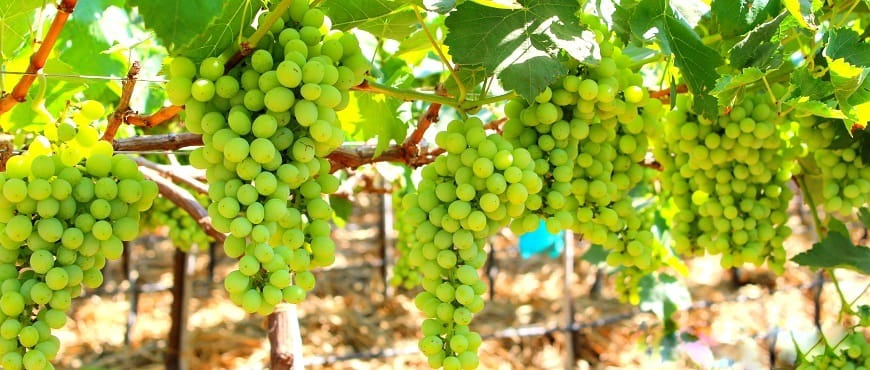
The first step in learning how to cultivate grape vines is choosing a variety that can thrive where you live. Grapes differ in cold hardiness, heat tolerance, fruit flavor, seed content, ripening time, and disease resistance. A vine that performs well in California may struggle in a humid garden in the Southeast or a short growing season in the northern states.
Think about how you plan to use the grapes before you buy a plant. Table grapes are grown for fresh eating, juice grapes suit drinks and preserves, and wine grapes are selected for their flavor and juice chemistry. Some grape varieties can serve more than one purpose, but not every variety gives the same results.
Source: krishibazaar.in
Table grapes
Choose these if you want to eat fresh fruit. Seedless types are popular, but check their cold hardiness and disease resistance before planting.
Juice and jelly grapes
These varieties are useful for juice, jams, and homemade preserves. Some American grape types handle cold winters better than many European wine grapes.
Wine grapes
Wine grapes often need more careful variety selection, pruning, and disease management. Match the cultivar to your growing region rather than choosing it by name alone.
Muscadine grapes
Muscadines suit many warm areas of the southeastern United States. They have different growth habits from bunch grapes, so check pollination needs, spacing, and pruning advice for the chosen cultivar.
Check Your Local Growing Conditions
Find out which grape varieties are recommended by your state university Extension service or a trusted local nursery. Check the length of your growing season, winter temperatures, summer heat, and the usual pressure from fungal diseases. These details can matter more than a variety’s general reputation.
In cold regions, winter injury may damage buds or canes. In hot regions, fruit may ripen quickly, while intense heat and dry soil can stress the vine. In humid regions, a variety with better disease resistance can save time and reduce the need for repeated treatments.
Before buying
Confirm the variety’s hardiness, ripening season, disease resistance, and pruning type.
For a small garden
Choose a variety suited to your intended use and available trellis space. A vigorous vine can quickly outgrow a narrow support.
2. Pick a Sunny Planting Site
Grape vines need full sun for strong growth and good fruit ripening. Choose a spot that receives about six to eight hours of direct sunlight each day, preferably more during the growing season. Morning sun is helpful because it dries dew from the leaves and can reduce the time foliage stays wet.
Air movement matters too. Avoid a cramped corner where leaves remain damp after rain. A low spot that collects cold air may increase frost damage in spring. Also check for nearby trees that cast shade or compete with grape roots for water.
Think about the support structure before you dig. A fence, trellis, or arbor should be placed where the mature vine can spread without blocking paths, windows, or garden beds. Grapevines become heavy as their woody stems grow and fruit clusters form.
Source: gardentabs.com
Sunlight
Choose an open site with direct sun for most of the day.
Airflow
Leave room between plants so air can move through the foliage.
Drainage
Avoid places where rainwater sits around the roots for long periods.
Support
Make sure the site can hold a durable trellis or another strong structure.
Can You Grow Grapes in Partial Shade?
A grape vine may survive with less sun, but fruit production and ripening can suffer. Shaded vines may also develop weaker growth and stay damp for longer. If your garden has limited sunlight, look for the brightest open area before planting.
Growing a vine mainly for shade over an arbor is a different goal from growing ripe fruit. If you want both, favor a sunny location and plan the support so the leaves do not form a dense roof that blocks all light from the fruit.
Best approach
Measure sunlight at the proposed site over a normal day before buying the vine.
3. Prepare the Soil Before Planting
Grapes grow in several soil types, provided the soil drains well. Deep, loose soil gives roots room to spread, while waterlogged ground can harm roots and weaken the vine. Heavy clay is not always a problem, but poor drainage needs to be addressed before planting.
A soil test is a useful first step. It can show soil pH and nutrient levels, helping you avoid adding fertilizer or lime that the soil does not need. Many backyard grape guides favor slightly acidic soil, but the ideal range can vary with the grape type and local conditions.
Clear grass and weeds from the planting area. These plants compete with young vines for water and nutrients. If the soil is compacted, loosen the planting area without making a deep hole filled with a different soil mix that may hold water around the roots.
Source: homesandgardens.com
How to Prepare the Planting Area
Remove weeds, test the soil, and improve drainage where needed. Add compost if it helps improve soil structure, but do not fill the hole with rich compost alone. The roots should grow outward into the surrounding soil rather than remain in a small pocket of amended material.
Raised beds can help where the ground drains poorly or has a shallow layer over hard material. However, a raised bed is only useful if it provides enough root depth and does not dry out too quickly in summer.
Test first
Use a soil test to guide pH changes and fertilizer choices.
Improve drainage
Choose a better site or consider a raised planting area if water remains around the roots.
Remove weeds
Keep the immediate planting zone clear, especially while the vine is young.
4. Plant the Grapevine at the Right Time
In much of the United States, early spring is a good time to plant dormant bare-root grape vines once the soil can be worked. Potted vines can often be planted later, after the risk of hard frost has passed. Local weather and the plant’s condition should guide the final timing.
Buy healthy plants from a nursery that identifies the cultivar clearly. Look for firm roots, sound stems, and no obvious signs of disease or drying. Bare-root vines should not be left exposed to wind or sun while you prepare the planting hole.
Spacing depends on the variety, training system, and available space. Many home garden guides use roughly six to eight feet between vines, though some cultivars and systems need more room. Follow the spacing guidance for your chosen variety and leave enough room to reach both sides of the trellis.
Source: freshharvesthaven.com
Step-by-Step Planting Instructions
Start by soaking dry bare roots in clean water for a few hours if needed. Remove broken or damaged root tips with clean pruning shears. Dig a hole wide enough to spread the roots without bending them sharply.
Set the vine at the depth recommended by the nursery or local Extension guidance. Spread the roots outward, fill the hole with the native soil, and press gently to remove large air pockets. Water well to settle the soil around the roots.
If the vine is grafted, keep the graft union above the soil line as directed for that plant. Burying the union can encourage roots to form above the graft and may defeat the purpose of the selected rootstock. Add a stake to guide the young trunk, and tie the stem loosely so it does not rub against the support.
Step 1
Keep the roots moist until planting and remove damaged parts.
Step 2
Dig a wide hole and spread the roots naturally.
Step 3
Refill with soil, water deeply, and check that the plant sits at the right depth.
Step 4
Stake the vine and attach it loosely to its support.
5. Build a Strong Trellis and Train the Young Vine
Grapevines need support because their long shoots and mature wood can become heavy. A trellis also spreads the leaves and fruit across an open area, making pruning, watering, and harvest easier. A sturdy fence or properly built arbor can work, but it must be strong enough to carry the mature vine and its crop.
Install the support before the plant becomes large. Posts should be firmly set, wires should be suitable for the load, and the structure should resist sagging. A trellis is a long-term garden feature, so building it well at the start can prevent costly repairs later.
Source: www.youtube.com
Train the Vine During the First Two Years
During the first growing season, focus on building roots and a straight main trunk. Tie the strongest suitable shoot to a stake and guide it upward. Remove competing shoots when needed, but follow local advice for your grape type and training system.
In the next dormant season, select the strongest trunk and begin forming the permanent framework. Depending on the trellis design, this may involve training one or two horizontal arms along a wire or preparing canes for a cane-pruned system. The exact method depends on the cultivar.
Do not let the vine form a tangled mass at the base. A clear trunk and well-spaced arms make future pruning easier. Remove ties that begin to constrict the stem as it thickens.
Use soft ties
Secure shoots without cutting into the stem, and check ties as growth continues.
Guide new shoots
Keep the main trunk upright and attach new growth to the intended wires.
Build a lasting frame
Train the plant in line with the support system you plan to maintain.
6. Water Grapevines Without Overwatering
New grape vines need steady moisture while their roots become established. Water after planting, then check the soil often during dry weather. The aim is to keep the root zone moist enough for growth without leaving it waterlogged.
There is no single watering schedule that works for every garden. Sandy soil dries faster than heavy soil, and a vine in a hot, windy location may need more water than one in a cool climate. Rainfall, root depth, plant size, and the stage of fruit development all affect water needs.
Water slowly near the root zone so moisture can soak into the ground. Drip irrigation or a soaker hose can help deliver water without wetting the leaves. Avoid brief, shallow watering that only moistens the surface.
Source: healthy-juice.co
How to Tell When a Vine Needs Water
Check the soil a few inches below the surface rather than judging only by how dry the top looks. If the root zone is still moist, wait and check again. If it is dry, water deeply and allow excess water to drain.
Leaves that wilt during a hot afternoon may recover as temperatures fall, so one midday check does not always mean the plant needs water. Persistent wilting, dry soil, weak growth, or small fruit can signal a water problem. Yellow leaves and constantly wet soil may point to poor drainage or another issue rather than a need for more water.
Water deeply
Apply water slowly so it reaches the active root zone.
Check the weather
Reduce irrigation after useful rainfall and increase checks during hot, dry spells.
Avoid waterlogging
Do not let the roots sit in standing water or keep the soil constantly soaked.
7. Feed the Vine Only When It Needs Nutrients
Grapevines do not always need heavy feeding. Too much nitrogen can produce long, leafy shoots at the expense of balanced growth and fruit quality. Excessive growth can also create a dense canopy that traps moisture and makes disease management harder.
Use the soil test as your starting point. If the soil has enough nutrients and the vine grows well, extra fertilizer may not help. If growth is weak, first check watering, drainage, sunlight, root health, and weeds before assuming the plant needs more food.
Apply any fertilizer according to its label and local grape-growing guidance. Keep concentrated fertilizer away from the trunk and roots, and water as directed. Compost can improve soil structure, but it should not be treated as a complete replacement for a nutrient plan when a soil test shows a specific deficiency.
Source: wineflavorguru.com
Look at growth
Healthy, moderate growth is usually more useful than very long shoots with few fruit clusters.
Avoid excess nitrogen
Do not keep adding fertilizer when the vine already grows strongly.
Follow local advice
Fertilizer needs vary with soil, climate, vine age, and cultivar.
Should You Mulch Around Grapevines?
Mulch can help limit weeds and conserve moisture, especially in hot or dry areas. Use it in a way that suits your soil and climate, and keep material from piling against the trunk. In cool, wet, or highly fertile soils, heavy mulch may keep the root zone too wet or encourage excessive growth.
If you use organic mulch, check the soil beneath it before watering. Mulch slows surface drying, so a vine may need less frequent irrigation than bare soil nearby.
Keep the trunk clear
Leave a small open ring around the base to reduce excess moisture against the stem.
8. Prune Grapevines Every Year
Annual pruning is one of the most important parts of grape cultivation. Without it, a mature vine can become crowded with old wood and excess shoots. This makes the canopy harder to manage and may reduce fruit quality.
Grapes generally produce fruit on shoots that grow from suitable buds on one-year-old canes. A cane is a woody shoot from the previous growing season. A cordon is a permanent arm trained along a wire, while a spur is a short section of cane left with a small number of buds.
For many bunch grapes, dormant pruning takes place in late winter or early spring before active growth begins. The exact timing depends on your climate and the risk of winter injury. In areas with harsh winters, waiting until the coldest weather has passed can help you judge damage before making final cuts.
Source: storage.googleapis.com
Basic Pruning Steps for a Mature Vine
Start by removing dead, broken, diseased, or badly placed wood. Then identify the permanent trunk and arms that form the vine’s framework. Keep healthy fruiting wood in positions suited to your chosen training system.
Many mature grapevines need most of the previous season’s growth removed during dormant pruning. Some home garden guides describe removing around 80 to 90 percent of the new growth. That amount is a general guide, not a rule for every variety or training system.
For spur pruning, retain short sections of suitable one-year-old wood along the permanent arms. For cane pruning, keep a few healthy, well-positioned canes and remove most of the rest. The correct bud count depends on the cultivar and vine vigor, so use a variety-specific guide when available.
Use sharp, clean pruning tools and make deliberate cuts. Do not leave a crowded tangle just because the vine looks bare after pruning. Grapevines can regrow vigorously, and removing excess wood helps direct that growth into a manageable framework.
Remove damaged wood
Cut out dead or diseased parts and clear away old fruit clusters.
Keep suitable fruiting wood
Choose healthy canes or spurs based on the variety’s pruning needs.
Open the canopy
Leave enough room for sunlight and airflow to reach leaves and fruit.
Clean up after pruning
Remove diseased plant waste from the growing area and clean tools when moving between suspect plants.
Why a Young Vine Needs Different Pruning
A newly planted vine should focus on roots and trunk growth, not a heavy crop. During the first year, remove flower clusters if they form and follow a training plan that builds a strong framework. In the next season, continue shaping the trunk and permanent arms.
The exact number of buds to leave depends on plant health, climate, and the selected system. If the vine grows poorly, do not force it to carry a large crop. A strong framework is the base for future harvests.
First year
Build a healthy root system and a straight main trunk.
Second year
Develop the main arms or canes and keep growth tied to the support.
Established vine
Prune annually to renew fruiting wood and control the canopy.
9. Protect Grapevines From Pests and Diseases
Grapevines can face fungal diseases, insects, birds, and damage from nearby lawn treatments. Early checks help you spot trouble before it spreads. Walk past the vines regularly and look at both the upper and lower sides of the leaves, the young shoots, and the fruit clusters.
Common grape diseases include powdery mildew, downy mildew, and black rot. Which problems appear depends on the grape variety, weather, and region. Humid conditions and long periods of wet foliage can raise the risk of some fungal diseases.
Good plant spacing, careful pruning, and removal of diseased plant waste can reduce disease pressure. These steps will not prevent every infection, but they help keep the vine easier to inspect and manage. Choose disease-resistant varieties when local growing guides recommend them.
Source: www.youtube.com
Common Warning Signs
White or gray growth on leaves and shoots may indicate a fungal problem, while dark spots on leaves or shriveled fruit can have several causes. Yellow leaves may result from nutrient problems, root stress, disease, or chemical injury. A single symptom is rarely enough to identify the cause with confidence.
If a problem spreads quickly, affects many vines, or causes fruit to rot, take clear photos of the whole vine and affected parts. Compare the symptoms with a trusted state Extension diagnostic guide or ask a local plant clinic for help before applying a pesticide.
Fungal disease
Improve airflow, remove infected debris, and follow local disease guidance for the variety.
Insect damage
Check leaves and shoots for feeding marks, webbing, eggs, or visible insects before choosing a control method.
Bird damage
Use suitable fruit netting when grapes begin to ripen, and secure it so wildlife does not become trapped.
Herbicide injury
Prevent spray drift from nearby lawn or landscape treatments. Grapes can be highly sensitive to some herbicides.
Use Pesticides Carefully
Do not spray a product just because the leaves look unhealthy. First identify the likely problem, then check whether the product is labeled for grapes and the pest or disease you need to control. Follow the label, including protective gear, application limits, pollinator precautions, and the required interval before harvest.
For persistent or unclear symptoms, a local Extension office or qualified plant health professional can help identify the cause. Correct diagnosis can prevent unnecessary treatments and protect beneficial insects.
Identify first
Match symptoms to a reliable diagnosis before treating the vine.
Read the label
Use only products permitted for the crop and follow all directions.
10. Know When and How to Harvest Grapes
Harvest grapes when the berries have reached the expected color, flavor, and ripeness for their variety. Color alone is not enough. Some grapes turn their final color before they develop full sweetness, while others remain green or yellow when ripe.
Taste a few berries from different parts of a cluster when you think harvest is near. Grapes on the same vine may ripen unevenly because of shade, crop load, or weather. The fruit should taste right for its intended use, whether that means fresh eating, juice, or wine.
Use clean garden shears to cut the cluster stem rather than pulling the bunch from the vine. Handle the fruit gently to avoid crushing berries. Harvest during dry weather when possible, and place the clusters in a clean container out of direct sun.
Source: www.homedepot.com
How Long Does It Take for Grapevines to Produce Fruit?
A grapevine may produce a few clusters in its first or second year, but a useful harvest often takes longer. Many gardeners focus on building the vine during the first two growing seasons, with more meaningful production developing around the third year. The timeline varies with variety, climate, vine health, and pruning.
If a young vine forms flowers, removing them can help the plant put more energy into roots and its permanent framework. Do not judge the long-term value of the vine by its first small crop. Strong growth and a sound structure matter more at the start.
First season
Focus on root growth, a healthy trunk, and support.
Second season
Continue training and develop the permanent framework.
Later seasons
Manage crop size, prune each year, and harvest when the fruit is ripe.
Store Fresh Grapes Properly
Refrigerate harvested grapes promptly if you are not eating them right away. Keep them dry and avoid washing them until you are ready to eat them, unless local food safety advice for your situation says otherwise. Remove damaged or rotting berries before storage.
Grapes for juice or preserves should be processed soon after harvest for the best quality. For wine grapes, harvest timing may also depend on acidity and sugar levels, so use guidance suited to the grape and the style you intend to make.
Handle gently
Cut clusters from the vine and avoid crushing the berries.
Keep fruit cool
Refrigerate fresh grapes and check stored clusters for spoiled berries.
11. Fix Common Grapevine Growing Problems
When a grapevine struggles, start with the basics before adding fertilizer or applying a treatment. Check the soil moisture, sunlight, drainage, trellis ties, and the condition of the leaves and roots. These checks often narrow down the cause and help prevent the wrong fix.
The Vine Has Lots of Leaves but Few Grapes
Excessive leafy growth can result from too much nitrogen, too much shade, poor pruning, or a vine that is still young. Review your fertilizer use and make sure the plant gets enough direct sun. Check whether last year’s growth was pruned according to the variety’s fruiting habit.
What to do
Reduce unnecessary nitrogen, improve light and airflow, and use a suitable dormant pruning method.
The Leaves Turn Yellow
Yellow leaves can point to water stress, poor drainage, nutrient imbalance, disease, or herbicide damage. Look for patterns. If only one side of the vine is affected, nearby chemical exposure or a localized root issue may be worth checking. If the soil stays wet, improve drainage before watering again.
What to do
Check soil moisture and drainage, inspect the leaf pattern, and use a soil test or local diagnosis before adding nutrients.
The Grapes Stay Sour
Fruit may remain sour because it has not ripened fully, the cultivar is not suited to the local climate, or the vine receives too little sun. A heavy crop can also delay or reduce ripening. Give the fruit time, check the expected harvest period, and assess the canopy for excess shade.
What to do
Check ripeness by taste and variety, then review sunlight, crop load, and local growing conditions.
The Vine Grows Slowly After Planting
Slow early growth is not always a problem because a young grapevine needs time to establish its roots. However, prolonged weak growth may reflect poor drainage, drought, root damage, competition from weeds, or an unsuitable site. Inspect these conditions before feeding the plant.
What to do
Keep the root zone moist but not wet, remove competing weeds, and make sure the plant has adequate sun and a sound support.
12. Follow a Simple Year-Round Grapevine Care Plan
A seasonal routine makes grape cultivation easier. The exact months depend on your location, because spring arrives earlier in warmer states and later in cold regions. Use the plant’s growth stage and your local weather rather than following a fixed calendar blindly.
Late winter to early spring
Prune dormant vines, inspect the trellis, replace damaged ties, and plant bare-root vines when the soil is ready.
Spring
Guide new shoots, remove unwanted growth, check moisture, and watch for late frost damage.
Early to midsummer
Tie shoots as needed, control weeds, monitor pests and disease, and water according to soil conditions.
Late summer to fall
Check fruit ripeness, protect clusters from birds if needed, and harvest at the right stage.
After harvest and during dormancy
Remove diseased fruit and plant debris, inspect the support structure, and plan the next pruning season.
Signs That Your Grapevine Is Doing Well
A healthy vine should develop firm new shoots, leaves suited to the variety, and a trunk that grows steadily along its support. Established vines should have a manageable canopy and fruit clusters that progress toward normal ripeness for the cultivar.
No single sign guarantees a good harvest. Weather, pollination, crop load, disease, and winter injury can affect fruit production. Use the whole plant’s condition to guide care, and keep brief notes on pruning dates, watering, symptoms, and harvest timing.
Steady growth
Shoots develop well without excessive, weak, or tangled growth.
Open canopy
Leaves and clusters have room for light and air to reach them.
Healthy fruit
Berries develop toward the expected size, color, flavor, and ripeness for the variety.
Frequently Asked Questions
Q
What is the best month to plant grape vines?
In much of the United States, early spring is a good time to plant dormant bare-root grape vines once the soil can be worked. Potted vines can often be planted after the risk of hard frost has passed. The best timing depends on your local climate, soil conditions, and the plant’s type.
Q
Can you grow grape vines from store-bought grapes?
You can try growing a vine from seeds inside store-bought grapes, but it is not the most reliable way to get a plant like the parent. Seedlings may differ in fruit quality, and some commercial grapes have seeds that are difficult to germinate. A named nursery vine is usually more predictable for a home garden.
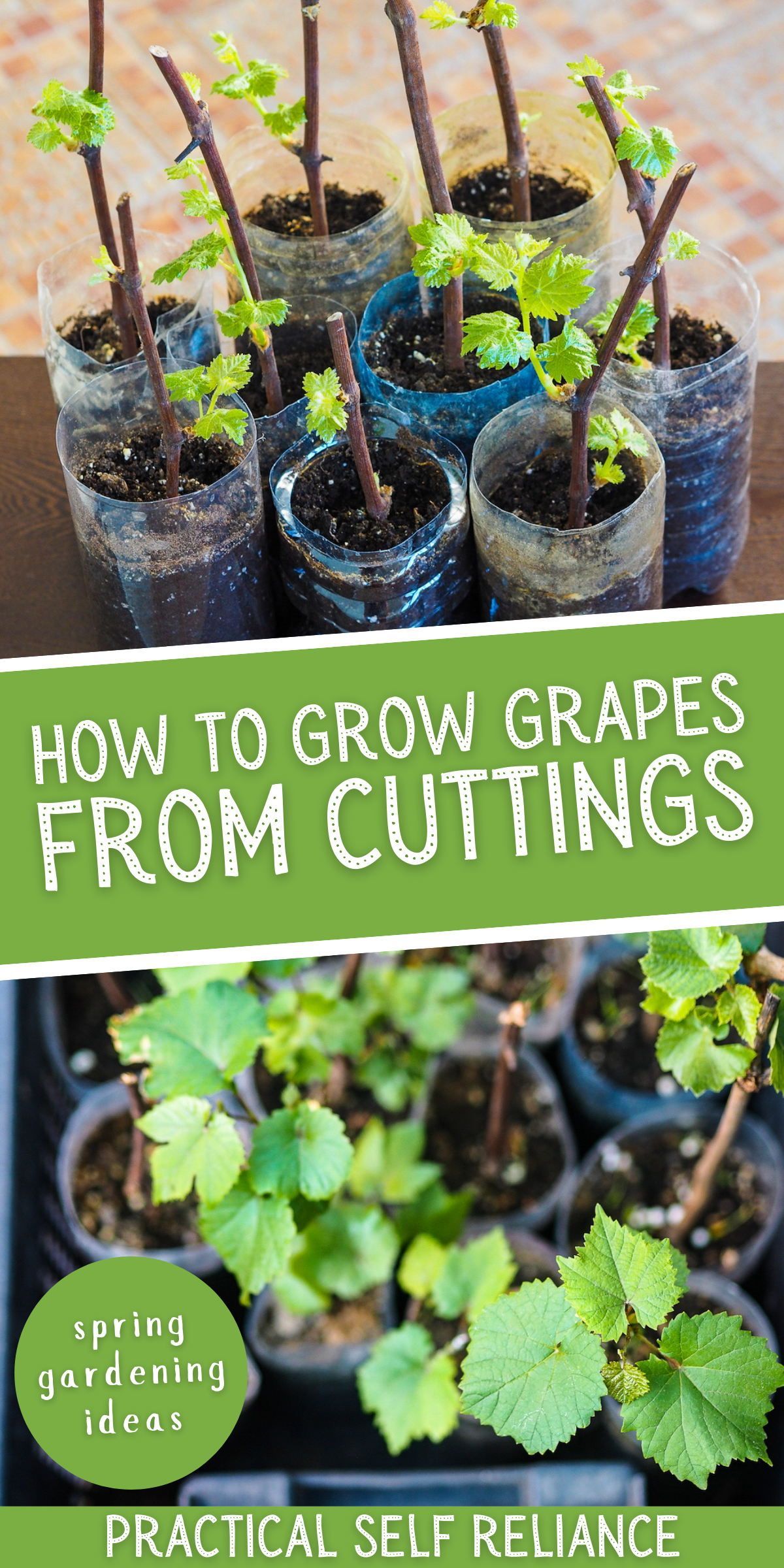
Cuttings from a healthy grapevine can also be propagated, but success depends on timing, plant health, and the right method. Check that you have permission to take cuttings and choose disease-free material.
Q
How much sunlight do grape vines need?
Grape vines generally need at least six to eight hours of direct sunlight a day for good fruit production. More sun can help fruit ripen, depending on the local climate and variety. A site with morning sun and good airflow can also help leaves dry after dew or rain.
Q
How often should grape vines be watered?
Watering needs depend on soil type, rainfall, temperature, root depth, and vine age. Check the soil below the surface and water deeply when the root zone begins to dry. Newly planted vines need closer attention, while established vines may need less frequent watering when the soil holds moisture well.
Q
Do grape vines need pruning every year?
Yes. Most cultivated bunch grape vines need annual pruning to renew fruiting wood and keep growth manageable. Grapes form fruit on shoots that develop from suitable buds on one-year-old canes. The exact pruning method and number of buds to retain depend on the variety and training system.
Q
How long does it take to grow grapes?
A grapevine may produce a few grapes in its first or second year, but a more useful harvest often takes about three years. The timeline varies with the cultivar, local climate, planting stock, pruning, and general care. Let young vines build strong roots and a lasting trunk before allowing a large crop.
Q
Can grape vines grow in pots?
Yes, some grape varieties can grow in large containers if they have enough root space, drainage, sunlight, and a strong support. Container vines usually need closer watering checks because pots can dry out faster than garden soil. Choose a suitable variety and a container large enough for long-term growth.
✦ Wrapping Up
Conclusion
Learning how to cultivate grape vines starts with a suitable variety, a sunny site, and soil that drains well. Plant with care, guide the young trunk, and build a sturdy support before the vine becomes large. Regular checks of soil moisture, leaves, shoots, and fruit help you spot problems early.
The biggest long-term task is pruning. Each year, remove unsuitable old growth and keep healthy fruiting wood according to the variety’s needs. Be patient with young plants, avoid excess fertilizer, and adjust care to your local weather. A well-trained vine can become a lasting part of your garden and provide fresh grapes for many seasons.
💡 Key Takeaway
Before planting, check your local grape variety recommendations, choose a sunny and well-drained site, and plan the trellis. Once the vine is in the ground, focus on root growth and trunk training first, then follow a suitable annual pruning plan.