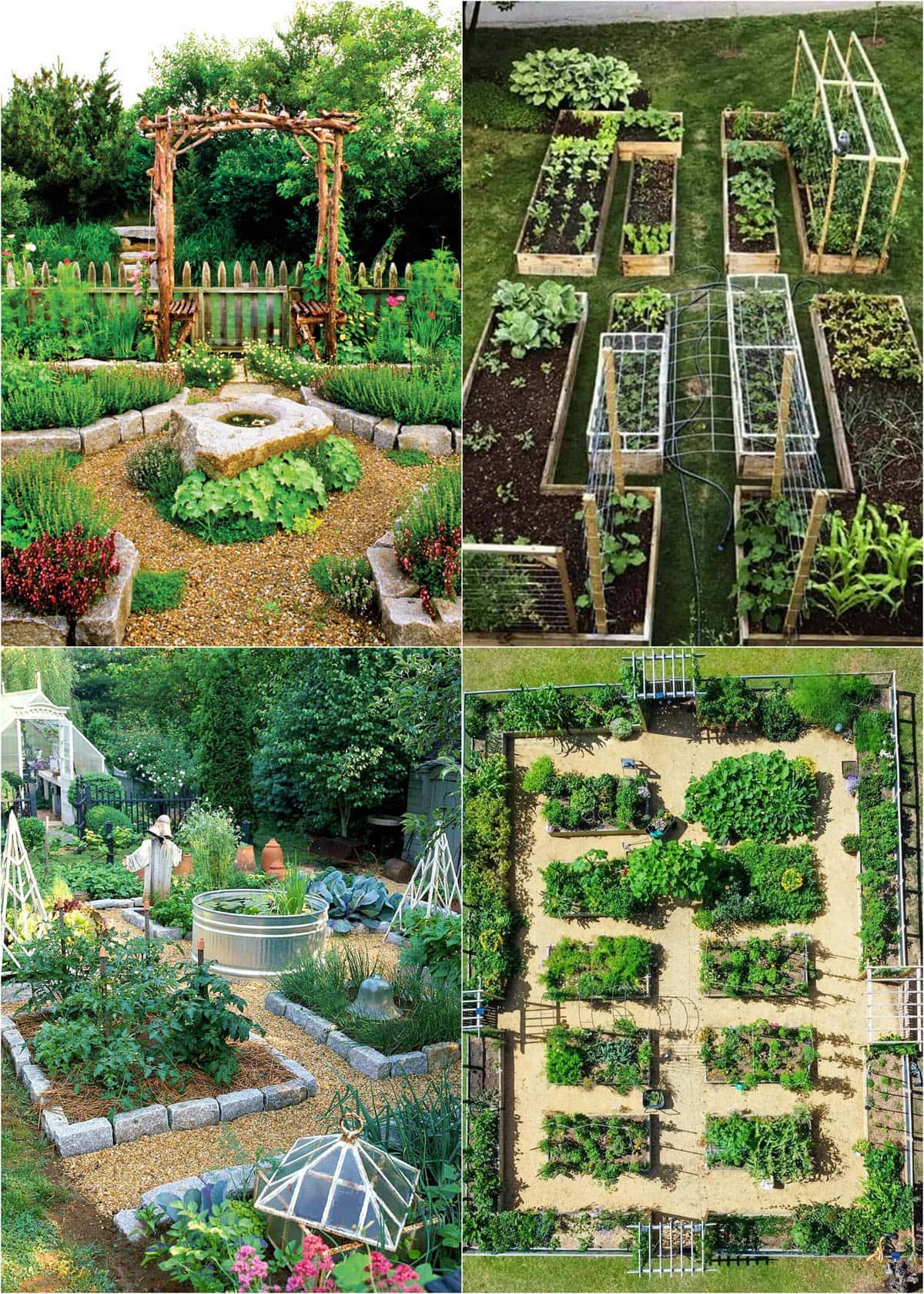
The best landscaping vegetable garden ideas combine sunny planting beds, clear paths, useful plants, and simple design features. A well-planned garden can look neat while giving you fresh food through the growing season.
Across the United States, a vegetable garden can fit into a small city yard, a wide suburban lawn, or a country home with plenty of open space. You do not need a large plot or costly materials to make one look good. A few smart choices can turn a plain patch of ground into a space that grows food and adds charm to your home.
Start by checking sunlight, soil, drainage, and access to water. Then choose a layout that fits your yard and the crops you want to grow. Raised beds, curved paths, neat borders, flowers, and climbing plants can all help shape the space. The best design is one that suits your climate, makes daily care easy, and leaves enough room for plants to grow.
Source: storage.googleapis.com
1. Plan a Vegetable Garden That Fits Your Yard
A good garden layout starts with the space you have, not the design you saw online. Walk around your yard and note sunny spots, shady corners, slopes, gates, and nearby trees. Check where water collects after rain. These details help you choose a layout that supports healthy plants and makes daily work less tiring.
Most fruiting vegetables, such as tomatoes, peppers, cucumbers, and squash, need about six to eight hours of direct sun each day for strong growth and good yields. Leafy crops such as lettuce and spinach can often handle some shade, especially in hot regions. Observe the site through the day before setting out beds.
Source: storage.googleapis.com
Check sunlight
Track direct sun at several times of day. Place crops with high light needs in the brightest area.
Test the soil
A soil test can show pH and nutrient levels. Use the results to guide soil changes rather than adding fertilizer at random.
Plan water access
Place beds within reach of a hose or irrigation line. Water access matters more during hot, dry spells.
Leave room to move
Make sure you can reach plants, carry harvest baskets, and move a wheelbarrow if needed.
Choose a Layout Before You Dig
Sketch the yard on paper and mark the main features. Add beds, paths, a compost area, and a spot for tools. Keep the plan simple at first. You can add a trellis, seating, or more beds after you learn how the space works through a full season.
Use a few compact beds or large containers near a sunny wall or patio.
For a wide yard
Group beds in rows with clear paths between them and a wider route for moving supplies.
For a sloped yard
Consider professionally planned terraces or carefully placed beds that follow the slope without blocking drainage.
2. Use Raised Beds for a Clean, Tidy Look
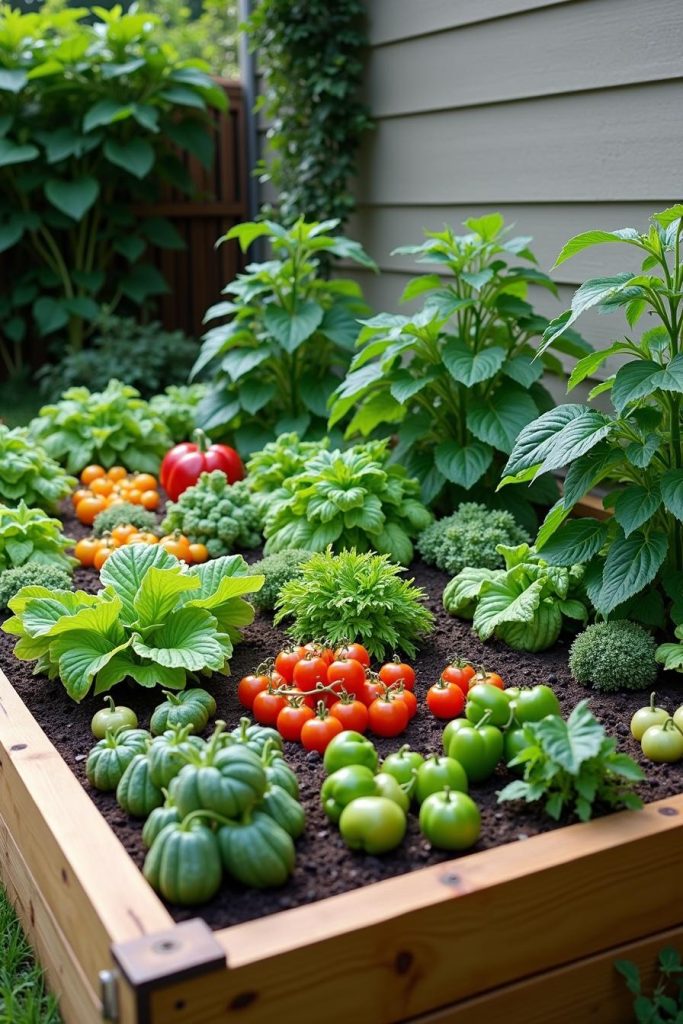
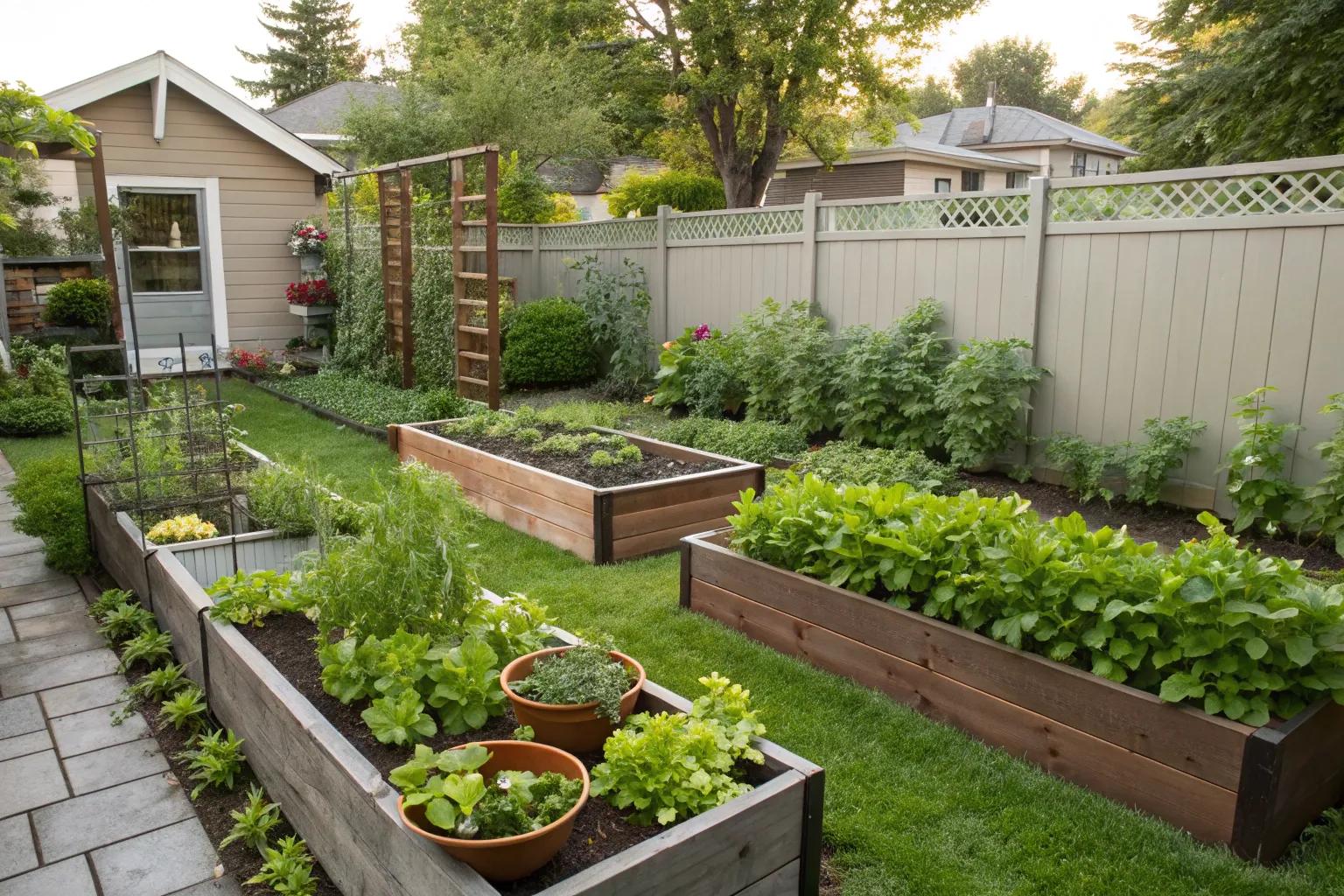
Raised beds give a vegetable garden clear lines and a neat shape. They help separate crops from lawn grass and make it easier to plan where each plant belongs. They can also help gardeners manage soil in places with poor native soil, though they dry out faster than in-ground beds in some conditions.
Wood, untreated lumber, stone, brick, and other suitable materials can form the sides. Choose materials that can stand up to local weather and soil contact. Avoid wood treated with chemicals not intended for food-growing beds. Fill the beds with a suitable growing mix and leave enough space around them to reach each crop.
Source: storage.googleapis.com
Keep beds easy to reach
A width of about three to four feet often works for beds that can be reached from both sides. Make one-sided beds narrower so you do not need to step into them.
Use a simple shape
Rectangles are easy to build, plant, cover, and water. L-shaped beds can work around a patio or fence.
Repeat materials
Using the same bed material throughout the yard creates a consistent design.
Pick Bed Materials That Suit Your Budget
Untreated wood can offer a warm, natural look at a moderate cost. Stone and brick can blend with established landscaping, but they may cost more and take longer to install. Metal beds can create a crisp, modern style, yet they may heat up in direct sun. Compare durability, local climate, safe use, and ease of repair before choosing.
Wood
A flexible choice for simple shapes and a natural finish.
Stone or brick
Useful for a lasting border that matches a patio or garden wall.
Metal
Suitable for a clean modern look when the material and finish are appropriate for food-growing use.
3. Add Garden Paths for Beauty and Easy Care
Paths make a vegetable garden look planned and help you reach crops without walking on the growing soil. They also create a clear route for watering, weeding, and harvesting. Choose a surface that suits your budget, rainfall, and how often you use the garden.
Wood chips, straw suited to garden paths, gravel, stepping stones, and compacted suitable path materials can all work. Keep path edges clear so grass and weeds do not spread into beds. In wet areas, avoid materials that become slippery or block proper drainage. Leave wider routes where you need to carry compost or move a cart.
Source: storage.googleapis.com
Wood chips
A natural-looking option that feels soft underfoot. Add more as the material breaks down.
Gravel
Creates a crisp finish and can drain well when the base and site are suitable. Use an edge to keep it in place.
Stepping stones
Work well in small gardens and informal layouts. Set them firmly so they do not rock or trip visitors.
Grass paths
Blend with a lawn but need mowing and can become muddy or worn in busy areas.
Make Paths Part of the Garden Design
Straight paths create a formal look and make rows easy to organize. Curved paths can soften the design in a larger garden, but avoid curves so tight that they waste growing space. Keep the main route direct from the house or gate to the beds you use most.
For a formal garden
Use straight paths, matching bed shapes, and repeated borders.
For a cottage garden
Use gently curved routes, mixed flowers, and informal planting groups.
4. Blend Vegetables With Flowers and Herbs
An edible landscape mixes food plants with flowers and other garden plants. This approach can make a vegetable plot feel like part of the wider yard instead of a separate work area. It also gives you more ways to add color, height, scent, and seasonal interest without giving up the main goal of growing food.
Try basil beside tomatoes where both receive enough sun, or plant chives near a path for easy harvest. Add marigolds, calendula, or other flowers suited to your climate for color. Flowering plants can attract pollinators and other beneficial insects, but no single flower guarantees pest control. Choose plants based on bloom time, local conditions, and the space they need.
Source: storage.googleapis.com
Use herbs as edging
Compact herbs such as thyme or chives can soften bed borders when their light, water, and soil needs match the site.
Add colorful flowers
Choose blooms that fit the growing season and leave room for vegetables to spread.
Mix plant heights
Place tall crops where they will not shade shorter plants that need full sun.
Plan for pollinators
Include a range of flowering plants with different bloom times when space permits.
Try a Cottage-Style Vegetable Garden
A cottage-style vegetable garden feels relaxed and full of life. Mix leafy greens with herbs, edible flowers, and crops that have different leaf shapes. Keep a clear path and enough space for each plant to mature. The aim is a planned mix, not a crowded bed where plants compete for light and air.
Good plants to consider
Leaf lettuce, kale, basil, chives, calendula, and compact bush beans can add varied colors and textures when suited to your local season.
5. Grow Up With Trellises and Vertical Gardens
Vertical growing lets you use height instead of spreading every crop across the ground. It is useful in narrow yards, small patios, and gardens where floor space is limited. A trellis can also give a vegetable plot a strong visual feature while keeping climbing crops easier to find and harvest.
Peas, pole beans, and many cucumbers can grow on suitable supports. Some small-fruited squash varieties may also climb when the support is strong enough and fruit weight is managed. Check the plant’s growth habit before buying a trellis. Install sturdy supports before sowing or planting so you do not damage roots later.
Source: toolzgeek.com
Use a fence or trellis
Place climbing crops along a suitable fence or a freestanding frame that can support their mature growth.
Train plants early
Guide young stems toward the support and check ties often so they do not cut into growing stems.
Watch the shade
Place tall trellises where they will not block sunlight from crops behind them.
Build a Vertical Garden for a Small Yard
A simple vertical setup can use a sturdy frame, garden netting, or a trellis suited to the crop. Secure the structure well, especially in windy areas. Avoid attaching a heavy frame to a weak fence. For balconies or patios, check load limits and local rules before adding large containers or fixed structures.
For peas and beans
Choose supports with openings that young tendrils can grip.
For cucumbers
Use a firm support and check that the chosen variety suits vertical growing.
For tomatoes
Use cages, stakes, or a strong trellis suited to the variety and expected fruit load.
6. Make a Small Vegetable Garden Feel Bigger
A small vegetable garden can still look rich and orderly when each part has a clear job. Instead of filling the whole yard with beds, focus on crops you eat often and choose varieties that fit the available space. Containers, compact raised beds, and vertical supports can help you grow more without blocking walkways.
Place a few large containers near a sunny door or patio, then group them by water needs. Use a consistent color or material for pots to create a calm look. Leave enough room for mature leaves, fruit, and access to the plants. A garden feels crowded when containers touch, leaves block paths, or watering becomes awkward.
Source: storage.googleapis.com
Choose compact crops
Look for bush beans, patio tomatoes, compact peppers, and container-friendly varieties with clear space needs.
Use containers with drainage
Choose pots with drainage holes and a suitable potting mix. Containers may need more frequent watering than garden beds.
Group pots in odd or balanced clusters
Use a few sizes for visual interest while leaving space to tend each plant.
Grow in stages
Replace a harvested crop with a suitable new crop when the weather and growing season allow.
Use Succession Planting to Keep Beds Productive
Succession planting means sowing small amounts of a crop at different times or replacing one crop with another after harvest. It can keep a small garden useful for more of the season. For example, a spring bed of radishes or leaf lettuce may later hold a warm-season crop if the timing and local climate suit both plants.
Plan by season
Use local planting calendars and seed packet guidance to choose crops for spring, summer, and fall.
Avoid overcrowding
Wait until the first crop is ready to harvest or remove it before planting the next crop in the same space.
7. Choose Plants for Your US Climate and Growing Season
Plant selection should match your local weather, not just the look of a garden photo. The United States includes cool northern regions, humid southern areas, dry western climates, and many places with very different frost dates. A design that works well in coastal California may need major changes in Minnesota or Florida.
Use the USDA Plant Hardiness Zone Map to understand the average annual extreme minimum winter temperature in your area. This map helps with perennial plant choices, but it does not tell you the full vegetable planting schedule. For vegetables, also check local frost dates, seasonal temperatures, rainfall, and your county extension service’s planting calendar.
Source: storage.googleapis.com
Cool-season crops
Lettuce, peas, spinach, radishes, and many brassicas often grow best in cool weather, though timing depends on the region and variety.
Warm-season crops
Tomatoes, peppers, beans, cucumbers, and squash generally need warmer soil and air conditions.
Hot-climate adjustments
In very hot areas, use suitable shade during harsh heat, mulch the soil, and choose varieties adapted to local conditions.
Dry-climate adjustments
Group plants by water needs and consider drip irrigation to deliver water close to the roots.
Create a Garden That Looks Good Through the Seasons
Plan for changes in height, color, and harvest time. Spring greens can fill beds before summer tomatoes and peppers grow large. In suitable regions, fall crops can take over after summer plants finish. A seasonal plan helps avoid long stretches of bare soil and gives you a clear reason to refresh the design each year.
Spring
Use cool-season crops and early herbs when local weather allows.
Summer
Feature heat-loving vegetables, climbing crops, and flowers suited to the local climate.
Fall
Plant cool-season crops based on the expected first frost and the time each variety needs to mature.
8. Add Edging, Mulch, and Simple Garden Features
Small finishing touches can make a vegetable garden look complete without adding much work. Edging separates beds from paths, mulch helps protect exposed soil, and a few well-placed features can give the space a clear focal point. Choose each feature for a practical reason as well as its appearance.
Use clean, suitable mulch around plants to help conserve moisture and limit weeds. Keep it away from direct contact with plant stems, and avoid using materials that may contain herbicide residues or contaminants. Add a simple bench, a pot of herbs, or a small sign if you want the garden to feel more personal. Keep decorative items out of paths and work areas.
Source: apieceofrainbow.com
Define bed edges
Use a clear border to keep lawn grass out and make mowing easier.
Mulch exposed soil
Apply an appropriate layer of organic mulch, adjusting it for the crop and local weather.
Add a focal point
Use a trellis, small bench, or attractive container where it will not shade crops or block access.
Keep tools in one place
A small storage box or nearby tool hook can reduce clutter and make routine care easier.
Use Compost and Fertilizer With Care
Healthy soil supports plant growth, but more fertilizer is not always better. Start with a soil test when possible, then follow its recommendations and the product label. Excess nutrients can harm plants and may wash into nearby waterways. Use finished compost from a reliable source and avoid adding fresh manure directly before harvesting crops unless it has been properly managed for safe use.
Test before adding nutrients
Check soil pH and nutrient levels so you can address actual needs.
Use finished compost
Choose mature compost with an earthy smell and no obvious fresh waste.
Follow label directions
Apply fertilizers and other garden products only as directed, keeping them away from children and pets.
9. Avoid Common Vegetable Garden Landscaping Mistakes
A garden can look lovely on planting day and still become hard to manage a few weeks later. The usual causes are poor access, crowded crops, unsuitable soil, weak supports, and plants placed in the wrong light. Planning for mature plant size and routine care can prevent many of these problems before they start.
Do not copy the exact spacing or crop mix from a photograph without checking the plant labels. A mature zucchini plant needs far more room than a small herb. Tall crops can shade low plants, while a path that looks wide before planting may become blocked by sprawling vines. Leave open space where you will need to work.
Source: storage.googleapis.com
Mistake: planting too close
Follow spacing guidance for each variety. Crowded plants compete for light and airflow and can be harder to inspect.
Mistake: ignoring drainage
Avoid placing beds where water stays for long periods unless you first address the site conditions appropriately.
Mistake: choosing looks over use
A decorative layout is less helpful if the plants are hard to water, reach, or harvest.
Mistake: using unsafe materials
Check the intended use of lumber, soil, compost, and garden products before growing food in them.
Mistake: forgetting mature size
Allow room for vines, tall crops, and roots according to reliable growing instructions.
What to Do When Plants Do Not Grow Well
If plants look weak or leaves turn yellow, check the basics before adding fertilizer. Look at soil moisture, drainage, light, plant spacing, and signs of insects or disease. Yellow leaves can have several causes, so the color alone does not identify the problem. Compare symptoms with trusted local extension guidance before treating the plants.
Check watering first
Feel the soil below the surface and adjust watering based on crop needs and weather.
Inspect leaves and stems
Look for chewing damage, spots, wilting, or pests. Identify the cause before using a treatment.
Review light and spacing
Move containers if needed and thin crowded seedlings according to crop guidance.
10. Build Your Vegetable Garden in Simple Steps
You do not need to complete every part of the landscape at once. A staged plan helps you spread the cost and learn what works before expanding. Start with the main beds and paths, then add decorative features when the garden is growing well.
Before buying materials, measure the site and write down the crops you want to grow. Check local rules if you plan to build a permanent structure, alter drainage, or place a garden near a property line. Once the main design is set, install beds and paths, prepare the soil, and plant at the right time for your region.
Source: apieceofrainbow.com
Step 1: Measure the site
Mark sunny areas, existing trees, paths, water access, and any drainage concerns.
Step 2: Choose a few crops
Start with vegetables and herbs your household uses often and that suit your local growing season.
Step 3: Set out the beds
Use string or temporary markers to test bed size and path width before building.
Step 4: Prepare the soil
Use a soil test and suitable amendments. Avoid working wet soil when doing so would compact it.
Step 5: Plant and label
Follow seed packets or nursery instructions for depth, spacing, and timing.
Step 6: Set a care routine
Check moisture, weeds, supports, and plant health on a regular schedule.
A Simple Example for a Small Backyard
Imagine a sunny backyard with room for two raised beds, a narrow path, and three containers near the back door. One bed holds tomatoes, basil, and peppers with enough room for mature growth. The second holds lettuce, radishes, and bush beans in a sequence that follows the local season. The containers hold herbs or compact crops that are easy to reach.
This sample layout is a starting point, not a fixed plan. Adjust the crop mix for your climate, household needs, and available light. Keep the main path open, place tall plants where they will not shade smaller crops, and add flowers along the edges only where they will not crowd the vegetables.
Main growing area
Use the sunniest spot for crops that need the most direct light.
Easy harvest area
Place herbs and frequently picked crops near the door or a clear path.
Decorative border
Use a few flowers or low herbs to soften the edges without blocking access.
Frequently Asked Questions
Q
How do I make a vegetable garden look attractive?
Use a clear layout with defined beds, tidy paths, and plants grouped by height and care needs. Add a few flowers, herbs, or a trellis for color and structure. Keep weeds under control and leave enough room for crops to reach their mature size.
Q
What is the best layout for a backyard vegetable garden?
The best layout depends on sunlight, yard size, soil, and the crops you plan to grow. Rectangular raised beds with paths between them work well in many yards because they are easy to reach and maintain. Small yards may work better with containers and vertical supports.
Q
Can I mix flowers and vegetables in the same garden?
Yes. Flowers can add color and provide food for pollinators and other beneficial insects. Choose plants that suit your climate and avoid letting large flowers crowd vegetables or block sunlight. Flowering plants can support garden biodiversity, but they do not guarantee pest control.
Q
How much sunlight does a vegetable garden need?
Many fruiting vegetables grow best with about six to eight hours of direct sunlight each day. Leafy crops can often tolerate partial shade. Check the needs of each crop and observe your site before deciding where to place the beds.
Q
Are raised beds better than planting directly in the ground?
Raised beds can make layout, access, and soil management easier, especially where native soil is poor. In-ground beds may cost less and can hold moisture longer in some settings. Compare soil quality, drainage, budget, mobility needs, and local weather before choosing.
Q
How can I landscape a vegetable garden on a low budget?
Start with a small in-ground bed or a few simple containers, use locally available suitable materials, and make paths with affordable mulch. Grow a short list of crops you eat often. Add decorative features later, after you know which parts of the garden need improvement.
✦ Wrapping Up
Conclusion
The most useful landscaping vegetable garden ideas bring together good growing conditions and a design that fits daily life. Raised beds, simple paths, mixed flowers, vertical supports, and well-placed containers can help a garden look neat without making it hard to care for. The right design also leaves room for plants to grow and for you to reach each crop with ease.
Start with the sunniest suitable area, check the soil, and choose a few crops that match your climate and meals. Build the main beds and paths first, then add color and decorative details as the garden takes shape. A small, well-planned garden can be more rewarding than a large plot that takes too much time to manage.
💡 Key Takeaway
Measure your sunny growing area today, sketch two or three possible layouts, and choose a simple first-season plan with accessible beds, clear paths, and crops suited to your local growing season.