
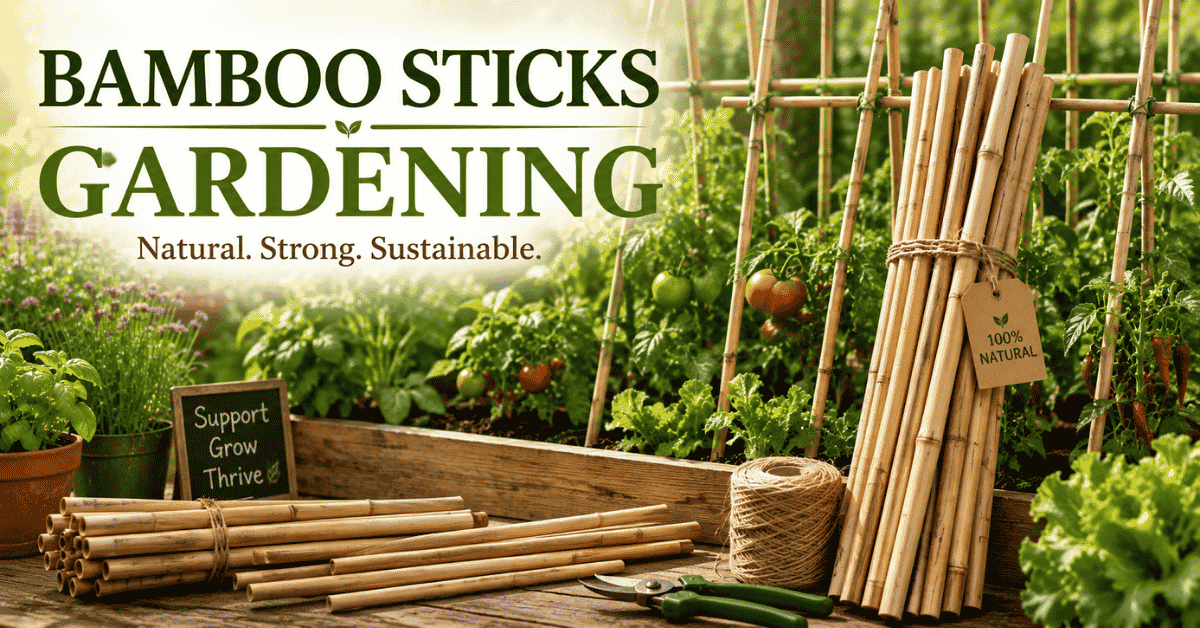
Buy strong bamboo sticks gardening kits to support heavy vines. Read my review to build cheap plant stakes, save money, and grow massive home vegetables today!
I stood in my backyard last June after a huge storm. My tall tomato plants lay flat in the mud, snapped in half. I felt sick to my stomach as I saw the waste. That dark day forced me to find a better, stronger way to prop up my crops. I found a cheap, natural fix that changed everything for me. Now, I will show you how to use simple wood stakes to keep your yard safe from high winds.
Is Using Bamboo Sticks Gardening Methods Really Worth It?
Yes, because natural wood stakes are strong, cheap, and last for years. If you leave your tall plants to grow flat on the ground, pests will eat your food.
When I first started out, I bought pricey plastic cages from the big store. They bent under the weight of my squash and cracked in the hot summer sun. Swapping to raw bamboo poles saved my budget and gave my vines a firm grip. They blend in beautifully with the green leaves and do not rust when heavy rain hits. You can build frames of any size to fit a small backyard or a large raised bed setup.
Building the Best Support Frames for Your Veggies
You do not need complex blueprints to build a strong frame for your plants. A few simple poles and some soft string will do the job perfectly.
Making a Simple Teepee Frame
This is my absolute favorite shape for growing climbing green beans. I push three or four long poles deep into the dirt in a circle.
-
Tilt the tops inward so they meet at a single point.
-
Tie the peak tight with a piece of soft jute twine.
-
Plant your small seeds right at the base of each outer pole.
Setting Up a Single Stake Line
For heavy bush crops, a single thick pole is often all you need. I drive a five-foot stake two inches away from my central plant stem.
Creating a Grid Net for Peas
Peas love to climb up thin, rough paths as they grow tall. I push two thick poles into the ends of my rectangular bed. Then, I weave thin green string between them to create a simple climbing wall.
Finding the Best Pole Sizes for Your Backyard
Not all wood stakes are built to handle the same type of plant weight. Choosing the wrong size can lead to a sad collapse later in the year.
Thin Poles for Light Herbs
Small three-foot stakes work best for pepper plants or heavy flower stems. They keep the low blooms from drooping into the wet dirt after a morning splash.
Thick Stakes for Heavy Vines
For giant cherry tomatoes, you need poles that are at least six feet tall. I look for stakes that are an inch thick so they do not snap when the fruit grows big.
Comparing Plant Supports for Home Gardens
Daily and Weekly Maintenance for Staked Beds
Keeping your frames standing tall takes just a few minutes of care each week. I check my stakes every Saturday morning while sipping my warm coffee.
Checking the Depth of Your Stakes
High winds can loosen the dirt around the base of your frames. I give each pole a gentle push to ensure it sits deep in the ground. If a stake feels loose, I tap it down further with a rubber mallet.
Tying Stems With Soft Green Twine
Never use thin metal wire to tie your tender green vines to a hard pole. The sharp metal will slice into the skin when the wind blows hard. I use soft cotton strings or strips of old t-shirts to tie my plants loosely.
Seven Stake Blunders I Wish I Had Avoided
Pushing Stakes Into Dry Ground
If you try to force a hollow pole into hard dry clay, the bottom will split wide open. I ruined a whole pack of stakes this way during a dry spell in May. Always water your soil deeply before you try to set up your frames.
Waiting Too Long to Support Vines
Do not wait until your plants are huge and falling over to add your stakes. It is much harder to tie up a messy bush without breaking the main stems. Put your poles in the dirt the exact same day you set out your small seedlings.
Tying the Stems Too Tight to the Pole
Plants need room to move, grow thick, and flex in the daily breeze. If you wrap your string too tight, you will choke the stem and kill the crop. Always leave a loop the size of a coin between the wood and the plant skin.
Storing Wet Poles in a Dark Shed
Bamboo will grow black mold and rot if you store it away while soaking wet. At the end of the fall season, I wipe my stakes down with a dry rag. Let them sit out in the bright sun for a day before packing them away.
Using Short Poles for Tall Crops
A tomato plant can easily grow seven feet tall in a good summer season. If your stake is only four feet tall, the top of the plant will bend over and snap. Plan ahead and buy stakes that look too tall at the start of the spring.
Forgetting to Clean the Pole Tips
Diseases can cling to old wood stakes and infect your fresh new plants next spring. I dip the tips of my used poles in a bucket of water mixed with a splash of soap. This simple step keeps my yard clean and free of dark leaf spots.
Placing Stakes Too Far From Roots
If your support pole is two feet away from the plant, the branches cannot reach it. Place the stake a few inches from the base of the stem when the plant is still small. This ensures the main vine can climb straight up without stretching out.
FAQs
How deep should I push bamboo stakes into the dirt? Drive your poles at least eight to twelve inches into the ground. This keeps them steady when heavy winds hit your yard. Learn more about stake depth.
Can I reuse my natural wood poles next spring? Yes, clean them well and store them in a dry shed over the winter months. They will last for two or three years easily. Learn more about pole care.
What is the best string for tying vines to stakes? Soft jute twine or strips of old cloth work best for tender crops. They do not cut into the growing green stems. Learn more about soft twine.
Will bamboo poles rot in wet backyard soil? They will hold up well for a few seasons before the bottom starts to soften. Keep them dry in winter to extend life. Learn more about rot fix.
How do I stop my tall stakes from splitting at the top? Use a soft rubber mallet instead of a heavy metal hammer to tap them down. This protects the wood fibers from shattering. Learn more about tool tips.