Discover simple ways to grow plants on shelves. Bring life to any space with these clever shelf gardening tips and tricks.
What is shelf gardening?
Shelf gardening is such a wonderful way to bring greenery into my life, even when I don’t have a lot of yard space. It’s essentially growing plants on shelves. Think of it as a vertical garden, but on a smaller, more manageable scale.
I started with just a few pots on an old bookshelf in my living room, and honestly, it changed everything. My apartment felt so much brighter and more alive. It’s perfect for small apartments, balconies, or even just that awkward empty corner in your kitchen.
You can grow herbs, flowers, small vegetables, almost anything you can get a pot for! It’s a game-changer for plant lovers who want more green without more lawn.
Why Should I Try Shelf Gardening?
Shelf gardening is a fantastic idea for so many reasons, especially if space feels tight. I know for me, my balcony is tiny, and my windowsills are already full. Shelf gardening totally solved that problem.
It lets me grow more plants than I ever thought possible. Plus, it adds such a beautiful, natural touch to any room. It’s not just about having plants; it’s about creating a little green oasis wherever you are.
It also makes plant care super easy. Everything is right at eye level. You don’t have to bend down or reach way back.
Watering, pruning, and just enjoying your green friends becomes a simple, everyday joy. It’s a simple solution that offers a lot of beauty and peace.
Expanding Your Growing Space
When you live in a small place, every inch counts. Shelves are just waiting to be used! They let me double, or even triple, the number of plants I can have.
I used to think I only had room for three plants. Now, with some clever shelving, I have over twenty! It feels like I’ve unlocked a secret level of plant ownership.
It’s amazing how much green you can fit into a small footprint. This is especially great for growing your own herbs right in your kitchen. You can have fresh basil, mint, and parsley just steps away for cooking.
This simple method lets you maximize your growing potential without needing a big garden plot. It has truly saved my plant-loving heart from space limitations.
Adding Natural Beauty and Serenity
Plants just make a space feel better. They bring life and color. Shelf gardening takes this even further.
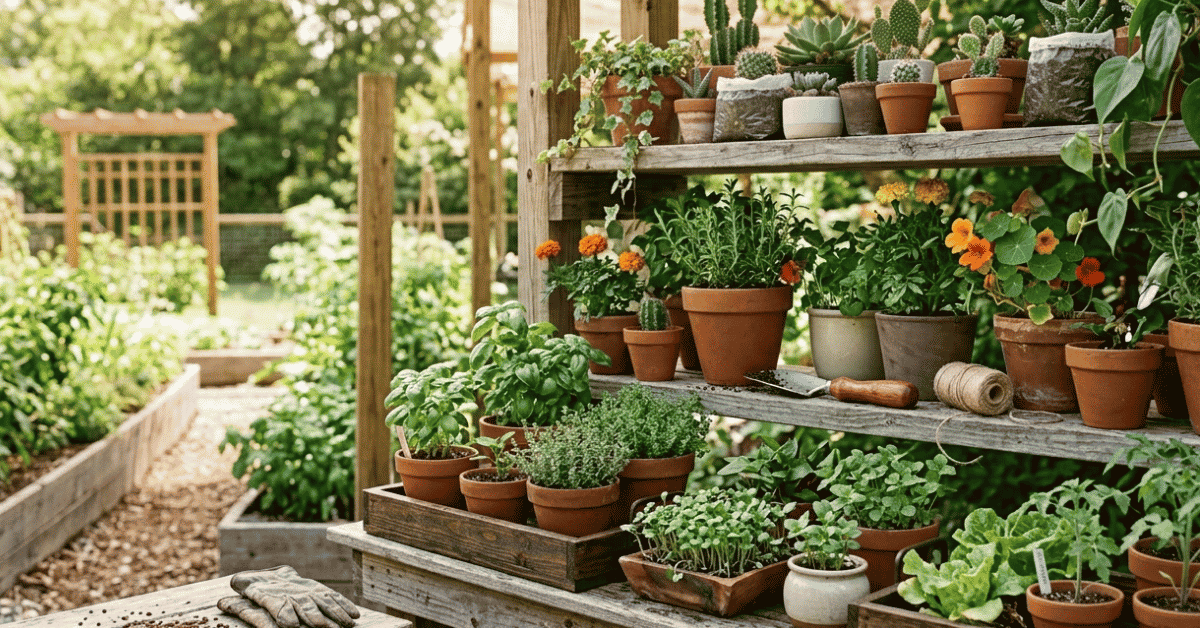
You can create stunning displays. Imagine a cascade of ivy tumbling down from a high shelf. Or a row of cheerful succulents lined up neatly.
It’s like bringing a bit of the outdoors inside. For me, the sight of my plants on shelves after a long day is incredibly calming. It’s a little escape.
It makes my home feel more like a sanctuary. It’s a constant reminder of nature’s beauty, even when I’m surrounded by city buildings. This approach to gardening is as much about aesthetics as it is about growing.
Easy Access and Maintenance
One of the biggest wins with shelf gardening is how easy it is to care for your plants. When everything is at a reachable height, watering is a breeze. No more stretching or precarious balancing acts.
I can easily check the soil moisture. Pruning becomes quick and simple. Harvesting herbs is effortless.
This ease of access makes me more likely to actually do the important plant care tasks. It helps prevent problems before they start. You can also easily move pots around if one plant needs more or less light.
It makes tending to your green companions a pleasure, not a chore. It’s a very hands-on approach that feels natural.
Setting Up Your Shelf Garden: What You Need
Getting started with shelf gardening is surprisingly simple. You don’t need a lot of fancy equipment. My first shelf garden used things I already had around the house.
Choosing the Right Shelving
The type of shelf you use matters. You’ve got options!
- Bookcases: Old wooden or metal bookcases are a common choice. They offer multiple levels and good stability. I repurposed an old dresser, removing the drawers to create open shelves.
- Wall-mounted shelves: These are great for saving floor space. You can install them at any height. Just make sure they are securely attached to the wall for safety.
- Freestanding shelves: These come in many styles, from simple metal racks to decorative units. They are easy to move if you want to change your room layout.
- Tiered plant stands: These are designed specifically for plants and often have a stylish look.
When picking shelves, think about the weight of your plants when they are watered. You want something sturdy. Also, consider the space you have and how much light your area gets.
If you have a sunny spot, you can use deeper shelves. If it’s shady, shallower shelves might let in more light.
Selecting Pots and Containers
The pots you choose can also add to the look of your shelf garden.
- Terracotta pots: These are classic, breathable, and look great. They also help prevent overwatering.
- Plastic pots: These are lightweight and retain moisture well. They come in many colors and styles.
- Self-watering pots: These are fantastic if you tend to forget to water or travel often. They have a reservoir that keeps the soil moist.
- Hanging baskets: Some shelves can accommodate small hanging baskets, adding another dimension.
Make sure all your pots have drainage holes. This is critical to prevent root rot. If a pot doesn’t have holes, you can drill some yourself or use it as an outer cachepot with a smaller plastic pot inside that does have drainage.
Soil and Drainage Essentials
Good soil is key for healthy plants. I always opt for a good quality potting mix. It’s formulated for containers and provides the right balance of aeration and moisture retention.
Avoid using garden soil in pots; it compacts too much and drains poorly.
For drainage, a layer of gravel or pebbles at the bottom of the pot used to be a common tip. However, many plant experts now advise against this. It can actually create a perched water table, making the soil too wet.
The best way to ensure good drainage is to simply have those drainage holes in your pots and use a good potting mix. Adding a small piece of broken pottery or a coffee filter over the drainage hole can help prevent soil from washing out while still allowing water to escape.
What Can You Grow on Your Shelves?
The beauty of shelf gardening is its versatility. You can grow so many things! My kitchen shelves are usually overflowing with herbs, while my living room shelves host a mix of decorative plants.
Herbs for Your Kitchen
Herbs are a classic choice for shelf gardens, especially in the kitchen.
- Basil: Loves warmth and sun. Pinch back regularly to encourage bushier growth.
- Mint: Easy to grow but can be aggressive. Best kept in its own pot.
- Parsley: Likes consistent moisture and can tolerate some shade.
- Chives: Almost foolproof. They are hardy and grow back quickly after cutting.
- Rosemary: Needs good drainage and plenty of sun. Avoid overwatering.
- Thyme: Prefers drier conditions and lots of light.
Having fresh herbs right at your fingertips for cooking is a game-changer. It makes meals taste so much fresher.
Small Vegetables and Edibles
You might be surprised at what small vegetables you can grow on shelves.
- Cherry tomatoes: Look for compact or dwarf varieties. They can produce a surprising amount of fruit.
- Peppers: Small pepper varieties, like chili peppers or ornamental peppers, do well in pots.
- Leafy greens: Lettuce, spinach, and arugula can be grown almost year-round. Just harvest the outer leaves as needed.
- Strawberries: Small strawberry plants can be grown in hanging baskets or pots on shelves.
This allows you to have a mini-harvest from your shelves. It’s so rewarding to eat something you’ve grown yourself. This simple gardening trick has saved my crops from going bad too quickly.
Decorative and Air-Purifying Plants
Shelf gardens are perfect for adding aesthetic appeal.
- Succulents and Cacti: These low-maintenance plants come in endless shapes and colors. They thrive in bright light and well-draining soil.
- Pothos: Also known as Devil’s Ivy, these are incredibly easy to care for and have trailing vines that look great on shelves.
- Spider Plants: These are popular for their air-purifying qualities and the little baby plants they produce.
- Ferns: Many types of ferns prefer shadier spots, making them ideal for shelves away from direct sun.
- Orchids: With the right care, orchids can add a touch of elegance to any shelf display.
These plants add life and color to your space. They can also help improve your indoor air quality.
Tips for a Thriving Shelf Garden
Keeping your shelf garden happy is all about a few key practices. I’ve learned these through trial and error, and they really make a difference.
Light Requirements
This is probably the most important factor. Observe your space.
- Sunny spots: South-facing windowsills or areas with direct, bright light are best for fruiting plants and many herbs.
- Partial shade: East or west-facing windows can work for many leafy greens and some decorative plants.
- Low light: North-facing windows or areas further from a window may suit plants like Pothos, Snake Plants, or some ferns.
If natural light is limited, consider using grow lights. LED grow lights are energy-efficient and can be positioned easily above shelves. This expands your options considerably.
Some simple bamboo stakes can even help support plants needing a bit of extra upright growth.
Watering Wisely
Overwatering is a common mistake. It’s better to underwater slightly than to drown your plants.
- Check the soil: Stick your finger about an inch into the soil. If it feels dry, it’s time to water. If it feels moist, wait.
- Water thoroughly: When you water, do so until water drains from the bottom of the pot.
- Empty saucers: Don’t let plants sit in standing water. Empty saucers after about 30 minutes.
- Adjust for season: Plants need less water in winter when growth slows down.
My watering schedule changes with the seasons. I water my herbs almost daily in the height of summer but only once a week in winter.
Feeding Your Plants
Most potting mixes contain nutrients for a few months. After that, you’ll need to feed your plants.
- Liquid fertilizer: A balanced liquid fertilizer is a good choice for container plants. Dilute it according to package directions.
- Frequency: Feed most plants every 2-4 weeks during the growing season (spring and summer). Reduce or stop feeding in fall and winter.
Using a fertilizer designed for your specific type of plant, like a tomato fertilizer or an herb food, can give them an extra boost. This has really changed my plot for the better.
Shelf Gardening Features: A Comparison
Here’s a quick look at different shelving types for your plant projects.
| Feature | Bookcase Shelves | Wall-Mounted Shelves | Freestanding Shelves | Tiered Plant Stand |
|---|---|---|---|---|
| Space Saving | Moderate | Excellent | Moderate/Good | Moderate |
| Stability | Good (if sturdy) | Excellent (if installed well) | Varies (check weight capacity) | Good |
| Versatility | High (adjustable levels common) | High (customizable height) | Moderate (fixed shelf spacing) | Moderate (fixed tier height) |
| Aesthetics | Can be functional or decorative | Clean, minimalist look | Wide range of styles and materials | Often designed to be attractive |
| Cost | Can be very low (repurposed) | Moderate (requires installation) | Moderate to high | Moderate to high |
| Ease of Use | Good access | Good access | Good access | Good access |
This makes it easy to decide what works best for your space and needs. I’ve found that a mix of wall-mounted and freestanding shelves works well for me. This hidden dark corner suddenly became a jungle thanks to these.
Troubleshooting Common Shelf Gardening Problems
Even with the best intentions, you might run into a few snags. Don’t worry, most problems are fixable!
Yellowing Leaves
Yellow leaves can mean several things.
- Overwatering: Roots are drowning and can’t take up nutrients. Check soil moisture.
- Underwatering: Plant is too dry. Water thoroughly.
- Nutrient deficiency: Plant needs food. Fertilize.
- Not enough light: Plant isn’t getting enough sun. Move to a brighter spot or add a grow light.
Observing your plant and its environment is key to figuring out the cause. This simple gardening trick truly saved my plot from a similar issue.
Pests
Tiny bugs can sometimes find their way onto your plants. Common pests include:
- Spider mites: Look for fine webbing and tiny dots on leaves.
- Aphids: Small, soft-bodied insects, often green or black, clustering on new growth.
- Fungus gnats: Small, dark flies hovering around the soil. They are more of a nuisance than harmful to healthy plants.
Often, a strong spray of water can dislodge pests. For more persistent problems, use insecticidal soap or neem oil, following the product instructions carefully.
Leggy Growth
If your plants are stretching tall and thin with few leaves, they usually need more light. They are reaching for the sun. Move them to a brighter location or supplement with a grow light.
Trimming back leggy growth can also encourage bushier, stronger stems. This is one area where simple bamboo stakes have really helped my plot stay strong.
Frequently Asked Questions About Shelf Gardening
What’s the easiest plant for a beginner shelf gardener?
Pothos plants are very forgiving and tolerate a range of light conditions, making them ideal.
Do I need special grow lights for shelf gardening?
Not always. Many plants thrive in natural light, but grow lights are helpful for darker spaces.
How often should I water plants on shelves?
Water when the top inch of soil feels dry. This might be daily in summer or weekly in winter.
Can I grow root vegetables on shelves?
Root vegetables like carrots or potatoes are generally not suitable for standard shelf gardens.
How do I prevent plants from getting too crowded on shelves?
Choose dwarf varieties and prune plants regularly to keep them compact and healthy.