
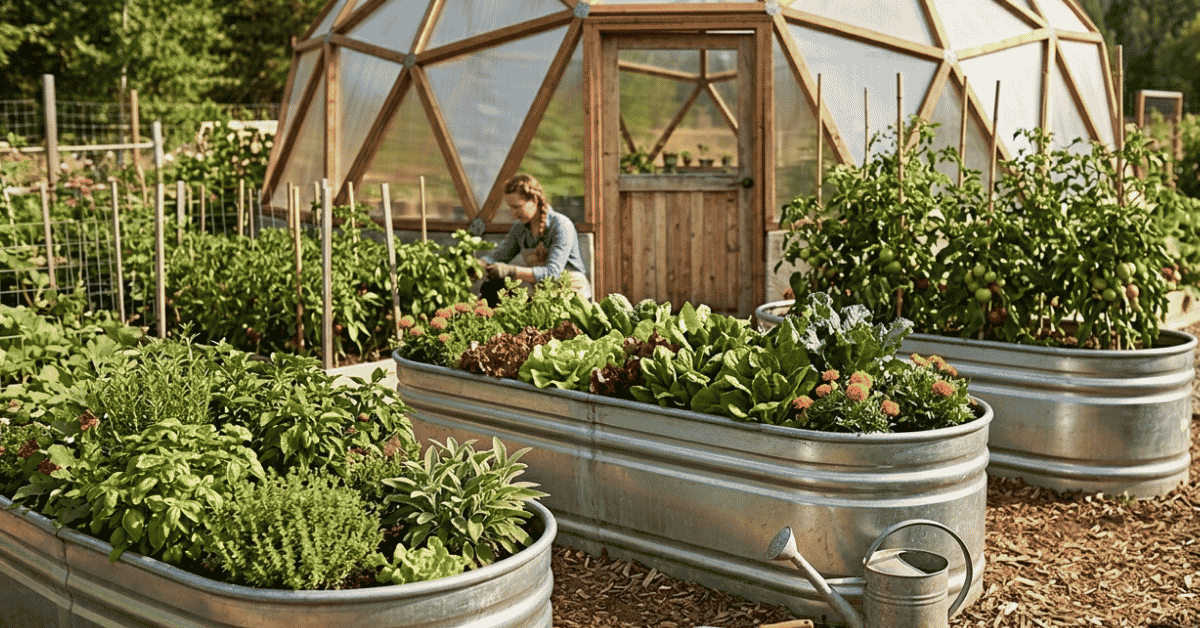
Ever look at those old, forgotten horse troughs and think, “That’d make a killer garden bed!”? Me too. Like, just the other day, I was staring at one rusting in a field and my brain just clicked.
It’s not just about looks, though. These things are tough, they’re practical, and they can totally change how you garden. I’ve been using them for a few years now, and honestly, they’ve saved my plot more times than I can count.
Let me show you how incredibly easy and effective they are.
Why Are Horse Troughs the Best for Gardening?
Honestly, if you’re tired of fighting with flimsy raised beds or dealing with soil that just washes away, you’ve got to consider using a horse trough. My first one was a scratched-up, faded green metal beast. I was skeptical.
But my crops? They thrived. The depth is perfect.
The material is super strong. And they look seriously cool. Plus, they’re a breeze to set up.
They Hold So Much Soil, So Easily
This is the big win. Most raised beds are maybe 8-12 inches deep. That’s okay for a lot of plants.
But horse troughs? They can be 18, 24, even 30 inches deep! Think about root vegetables like carrots or parsnips.
They need space to grow down. With a deep trough, you don’t have to worry about their roots hitting dense, compacted soil or rocks. They just go down, straight and beautiful.
I remember planting potatoes in mine last spring. The yield was double what I usually get from my in-ground patch. The tubers were huge!
Built Tough for Years of Use
These aren’t flimsy plastic. They’re made of thick, galvanized steel or sometimes heavy-duty plastic. They’re designed to hold thousands of pounds of water, so holding dirt and plants is no problem.
They can handle the weight of wet soil, plants, and even a good jump from a horse (though hopefully, yours won’t be doing that!). I’ve had mine outside through brutal winters and scorching summers. They don’t warp, crack, or rot.
They just sit there, ready for action. This durability means you buy it once and you’re good for years. This simple garden bed hack saved my plot last year.
Quick Setup, Less Sweat
Forget assembling complicated wooden frames or digging out massive areas. Once you get a horse trough where you want it, you just need to make sure it has drainage. Drill a few holes in the bottom, fill it with good soil, and you’re ready to plant.
It’s honestly one of the fastest ways to get a garden bed up and running. My last one took me less than an hour from start to finish. It’s such a simple backyard plot solution.
Different Types of Horse Troughs for Your Garden
Not all horse troughs are created equal, but for gardening, most will work. The key differences are usually the material and the shape.
Galvanized Steel Troughs
These are the classics. They’re usually round or rectangular and made of thick, galvanized steel. They’re incredibly strong and durable.
The galvanization helps prevent rust. Over time, they might get a bit of surface rust, which I actually think adds to their rustic charm. They conduct heat, so the soil can warm up a bit faster in spring, which is nice.
My first trough was steel, and it stood up to everything.
- Pros: Super strong, long-lasting, rustic look.
- Cons: Can be heavy to move, might have sharp edges if not careful, can heat up soil.
Rubber or Polyethylene Troughs
These are often lighter than steel. They’re made from thick, durable plastic. They won’t rust, and they don’t conduct heat as much as steel, which can be a plus in really hot climates to keep roots cooler.
They’re usually black or dark green. They’re lighter, making them easier to position. While they’re tough plastic, some cheaper ones might become brittle over many years in intense sun.
- Pros: Lighter, won’t rust, less heat transfer.
- Cons: Can be damaged by sharp objects, over many years in harsh sun they might become brittle.
How to Choose the Right Size and Shape
Think about what you want to grow.
- Round troughs are great for a central feature. They give you access from all sides. A 5-foot diameter trough is a nice size for a good amount of plants.
- Rectangular troughs often look more like traditional raised beds and fit nicely against walls or fences. A 6-foot long one is super popular.
Consider the depth. Most standard tanks are 18-24 inches deep. This is plenty for most vegetables.
If you’re planning to grow really deep roots, look for even deeper ones.
Setting Up Your Horse Trough Garden
This is where the fun really begins. It’s pretty straightforward, and that’s what I love about it. This strange garden hack saved my crops last season.
Step 1: Drainage is Key!
This is the MOST important step. If water can’t escape, your plant roots will rot.
- For metal troughs: Use a drill with a metal drill bit. Drill several holes, at least 1/2 inch in diameter, across the bottom. Space them out every 6-12 inches.
- For plastic troughs: Use a regular drill bit. Again, drill plenty of holes. Plastic can be a bit more forgiving, but more drainage is always better.
Step 2: Positioning Your Trough
Think carefully about where it’s going. Once it’s full of soil, it will be incredibly heavy.
- Sunlight: Most vegetables need at least 6-8 hours of direct sun. Pick a spot that gets plenty of light.
- Water Access: Make sure it’s relatively close to a water source like a hose or rain barrel.
- Level Ground: Try to place it on as level ground as possible. This helps ensure the soil and water are distributed evenly.
Step 3: Filling It Up Right
Don’t just grab dirt from your yard. You need good quality soil that drains well.
- Drainage Layer (Optional but Recommended): I like to put a layer of gravel, broken terracotta pots, or even large wood chips at the very bottom, over the drainage holes. This helps prevent the holes from getting clogged. It also adds a bit more air circulation.
- Soil Mix: A good mix is crucial. I usually use a blend of:
- Compost: About 40-50%. This is the magic ingredient for nutrients and soil structure.
- Topsoil: About 30-40%. Provides a good base.
- Potting Mix or Perlite/Vermiculite: About 10-20%. This helps with drainage and aeration. You can also use coconut coir.
I’ve learned that using a good quality potting mix specifically for containers or raised beds works wonderfully. It’s already balanced for drainage and nutrients. This hidden dark beauty changed my plot for the better.
Step 4: Planting Your Garden
Now for the best part! You can plant almost anything in a horse trough.
- Vegetables: Root crops like carrots, beets, and potatoes love the depth. Leafy greens, tomatoes, peppers, beans, and herbs all do exceptionally well.
- Flowers: Create a stunning flower display!
- Strawberries: They trail beautifully over the sides.
Consider companion planting to maximize your space and deter pests.
Pros and Cons: Is a Horse Trough Garden Truly Worth It?
Like anything in gardening, there’s always a balance of good and not-so-good. But for me, the good heavily outweighs the bad.
| Feature | Galvanized Steel Trough | Rubber/Poly Trough | Notes |
|---|---|---|---|
| Durability | Excellent | Very Good | Steel is tough; plastic can weaken over extreme time in harsh sun. |
| Weight | Heavy | Lighter | Steel is difficult to move once full. Plastic is easier. |
| Cost | Varies; often affordable | Varies; can be affordable | Look for used ones, they are a steal! |
| Drainage | Excellent (with holes) | Excellent (with holes) | Essential for both types. |
| Heat Transfer | Higher | Lower | Steel heats soil faster; plastic keeps roots cooler in hot climates. |
| Aesthetics | Rustic, industrial | Simple, functional | Subjective, but both look great with plants growing in them. |
| Setup Ease | Good | Good | Drilling holes is the main step. |
Frequently Asked Questions About Horse Trough Gardens
What’s the best soil to use in a horse trough planter?
A mix of compost, good topsoil, and perlite for drainage works best. Avoid heavy garden soil alone. Learn more about soil blends.
Can horse troughs rust?
Galvanized steel troughs can develop surface rust over time, but it rarely compromises their structure. Rubber ones won’t rust at all. Learn more about trough care.
How do I prevent my plants from drying out too quickly in a trough?
Mulch well, water consistently, and consider adding a water-retaining gel to your soil mix. This simple garden hack saved my plot. Learn more about water retention.
Should I put something under the drainage holes to stop soil from washing out?
Yes, a layer of gravel, broken pottery, or coarse wood chips helps prevent clogging. This strange garden hack saved my crops. Learn more about garden drainage.
What plants grow best in horse trough gardens?
Almost anything thrives! Root vegetables, tomatoes, peppers, herbs, and flowers do exceptionally well due to the depth and well-draining soil. Real joy demands simplicity for gardening now.
Learn more about planting ideas.