
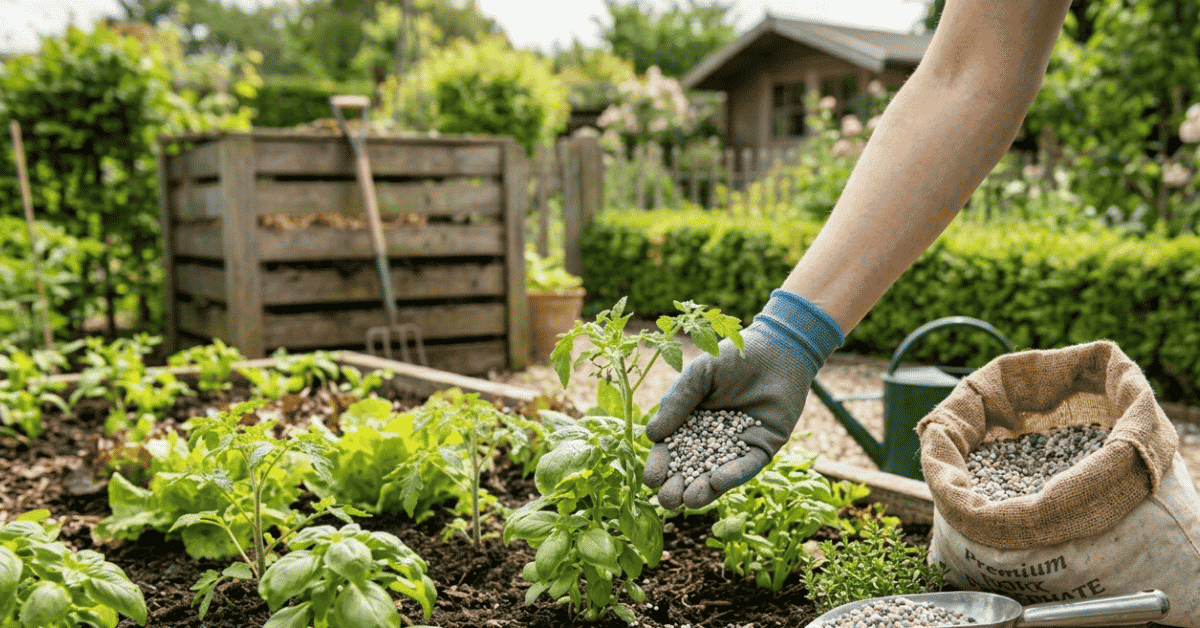
Want stronger roots and vibrant blooms? This essential nutrient gives your plants the boost they need. Get ready to transform your garden!
Why Do You Need Phosphorus for Gardening?
Honestly, I used to overlook phosphorus. I’d focus on vibrant green leaves or pretty flowers and kind of forget about what was happening underground. Then, one year, my tomatoes were just… sad.
They grew, sure, but the fruits were small, and the plants felt weak. My neighbor, a seasoned gardener, took one look and said, “You’re missing phosphorus.” It hit me then, I was feeding the above-ground show, not the root system that holds it all up. Phosphorus is like the unsung hero for your plants.
It’s crucial for energy transfer, DNA formation, and that magical process called photosynthesis. Without enough of it, your plants just can’t reach their full potential. Think of it as the fuel for their growth engine, especially in those critical early stages.
For flowers, it’s the secret to big, bright blooms. For vegetables, it means bigger harvests and healthier fruits and veggies. It also helps plants develop strong root systems, which means they can better find water and nutrients themselves, especially when things get a bit dry.
This is something I’ve seen firsthand; plants with good phosphorus levels bounce back much faster after stress.
Building Strong Foundations: Root Development
Phosphorus is incredibly important for root growth. It helps develop a robust root system, which is the backbone of any healthy plant. When roots are strong, they can anchor the plant firmly in the soil and reach deeper for water and nutrients.
I remember planting some new shrubs one spring, and I made sure to add a good phosphorus source to the planting holes. Those shrubs took off like rockets that summer, putting out way more growth than some I had planted the year before with less attention to phosphorus. It’s not just about more roots; it’s about better roots.
They’re more efficient at their job.
Fueling the Bloom: Flowers and Fruit Production
This nutrient is absolutely key for flowering and fruiting. It plays a big role in flower bud formation and the development of fruits and seeds. If you’re aiming for a spectacular rose display or a bumper crop of juicy tomatoes, you’ll want to ensure adequate phosphorus levels.
I’ve found that when my fruit trees are a bit shy on fruit set, a boost of phosphorus in the fall or early spring makes a noticeable difference in the following season. It’s like giving them the green light to produce.
Energy Transfer and Plant Metabolism
Think of phosphorus as the energy currency of the plant. It’s a core component of ATP (adenosine triphosphate), which is the molecule that stores and supplies energy for all biochemical reactions in the plant. This energy is vital for everything from germination to flowering.
Without enough phosphorus, a plant can’t efficiently use the energy it gets from sunlight, leading to stunted growth. It impacts how well they process food and grow.
Signs of Phosphorus Deficiency in Your Garden
Catching a phosphorus deficiency early is key to fixing it. Sometimes, it’s subtle. Other times, it’s pretty obvious.
I’ve learned to look for a few specific signs in my own garden over the years.
Stunted Growth and Slow Development
One of the first things I notice is just how slow things are moving. Plants might look okay at first glance, but they’re not growing as vigorously as they should. They might appear smaller than plants of the same age or variety, and development seems to take forever.
This often happens in cooler soils, where phosphorus uptake is slower. I’ve had seedlings that just seemed to be stuck in place for weeks.
Dark Green or Purplish Leaves
This is a classic sign, especially in younger plants or along the undersides and stems of older leaves. The plant produces compounds that give it this purplish hue when it’s struggling to process sugars due to low phosphorus. I once had a patch of young pepper plants that all turned a deep, almost blue-green, with purple veins.
It was a stark visual clue that something was wrong.
Poor Flowering and Fruiting
As mentioned before, if your plants aren’t producing as many flowers or fruits as you expect, phosphorus could be the culprit. You might see fewer flower buds forming, or existing buds might drop off before they open. For fruiting plants, the fruits might be smaller or take longer to ripen.
My blueberry bushes have been notorious for this. When they don’t get enough phosphorus, the berries are few and far between.
Sources of Phosphorus for Garden Plants
There are several ways to get phosphorus into your garden. You can use organic methods or specific amendments. Choosing the right one depends on your gardening style and what your plants need.
Organic Phosphorus Sources
Organic options are my personal favorite. They release nutrients slowly and help build up the soil over time.
- Bone Meal: This is a classic. It’s a byproduct of the meat industry. It’s a great source of both phosphorus and calcium. I like using it when planting, especially for bulbs and root vegetables. It breaks down fairly slowly, providing a steady release.
- Rock Phosphate: This is ground-up phosphate rock. It’s a slower-releasing form of phosphorus than bone meal, making it ideal for incorporating into compost piles or directly into the soil where it can break down over time. It’s especially good for long-term soil building.
- Compost and Manure: Well-rotted compost and manure also contain phosphorus, though usually in lower concentrations. While not a primary source, they contribute to overall soil health and nutrient availability. Adding finished compost is always a win.
- Fish Emulsion: While often higher in nitrogen, some fish emulsion products do contain a decent amount of phosphorus. It’s a liquid and works quickly for a supplemental boost.
Synthetic Phosphorus Fertilizers
These are readily available and offer a quick P boost. They are often labeled with an N-P-K ratio. The middle number is phosphorus.
- Superphosphate (0-20-0): This is a concentrated source of phosphorus. It’s fast-acting and readily available to plants. I use this sparingly, usually for a specific crop or to correct a known deficiency, as it can be quite potent.
How to Apply Phosphorus in Your Garden
Applying phosphorus correctly ensures your plants get the most benefit without causing harm. How and when you apply it matters.
When to Apply Phosphorus
The best time to apply phosphorus is often during planting or in the early stages of growth.
- At Planting Time: Mixing bone meal or rock phosphate into the soil when planting new plants, trees, shrubs, or bulbs is highly effective. This gives the roots direct access to the nutrient as they establish. I always add bone meal to my tulip and daffodil bulbs.
- Early Spring: Applying phosphorus-based amendments in early spring, before active growth begins, helps prepare plants for the season ahead. This is particularly useful for perennials and trees.
- During the Growing Season (with caution): For quick correction of deficiencies, liquid or water-soluble phosphorus fertilizers can be applied during the growing season. However, always follow label instructions carefully.
Application Methods
- Incorporation into Soil: The most effective way to apply solid phosphorus amendments like bone meal and rock phosphate is to mix them thoroughly into the soil. This ensures even distribution and accessibility for roots. I like to dig it into the top 6-8 inches of soil.
- Band Application: For row crops, you can apply phosphorus in a band near the seeds or seedlings at planting time. This places the nutrient close to where the young roots will grow.
- Top Dressing: For established plants, you can lightly scratch amendments into the soil surface around the plant, keeping them a few inches away from the main stem. It will then wash down with rain or watering.
Phosphorus and Soil pH
This is a crucial point I learned the hard way. Phosphorus availability in the soil is heavily influenced by pH.
- Acidic Soils (Low pH): In very acidic soils, phosphorus can bind with iron and aluminum, making it unavailable to plants.
- Alkaline Soils (High pH): In highly alkaline soils, phosphorus can bind with calcium, again reducing its availability.
- Ideal Range: The sweet spot for phosphorus availability is generally between a pH of 6.0 and 7.0. If your soil pH is too high or too low, your plants might struggle to absorb phosphorus, even if it’s present in the soil. That’s why soil testing is so important. If my pH is off, I’ll adjust it first, maybe with lime for acidity or sulfur for alkalinity. This makes the phosphorus I add much more effective.
Here’s a quick look at how different soil conditions affect phosphorus:
| Soil Condition | Phosphorus Availability | Notes |
|---|---|---|
| Optimal pH (6.0-7.0) | High | Easily absorbed by plant roots. |
| Acidic (Below 5.5) | Low | Binds with iron and aluminum. |
| Alkaline (Above 7.5) | Low | Binds with calcium. |
| Cold Soil | Low | Slower nutrient release and plant uptake. |
Avoiding Phosphorus Over-application
While phosphorus is essential, too much can be harmful. It can lead to imbalances with other nutrients and even cause environmental issues.
Environmental Concerns
Excess phosphorus that isn’t taken up by plants can leach into waterways. This can cause eutrophication, leading to algal blooms that deplete oxygen and harm aquatic life. This is a significant concern, and it’s why I’m always mindful of how much I’m adding.
Nutrient Imbalances
Over-application of phosphorus can interfere with the uptake of other essential micronutrients, such as zinc and iron. This can lead to new deficiencies, even though the soil might be rich in phosphorus. It’s a delicate balance.
Proper Soil Testing
The best way to avoid problems is to test your soil regularly. A soil test will tell you the current levels of phosphorus and other nutrients, as well as your soil’s pH. This information allows you to amend your soil precisely, adding only what your plants need.
My local extension office offers soil testing kits, and I find it invaluable for planning my garden amendments each year.
Frequently Asked Questions about Phosphorus for Gardening
Is bone meal a good source of phosphorus for plants?
Yes, bone meal is an excellent organic source. It releases nutrients slowly and is great for root development. Learn more about organic gardening.
How do I know if my soil has enough phosphorus?
Signs include stunted growth and purplish leaves. A soil test is the most reliable way to check phosphorus levels.
Can I add too much phosphorus to my garden?
Yes, over-application can harm plants and the environment. Always follow label directions and test your soil.
When is the best time to add phosphorus to garden soil?
Apply when planting or in early spring to support root and initial growth.
What pH is best for phosphorus absorption by plants?
Plants absorb phosphorus best in soil with a pH between 6.0 and 7.0.