Want a garden that thrives and looks amazing? Metal garden beds are the secret weapon you need. Discover their magic and transform your backyard plot today.
Why Should I Choose Metal Gardening Beds?
I’ve been gardening for years, and let me tell you, metal gardening beds changed everything for me. Before, I struggled with soil that just wouldn’t drain. My plants often got root rot, and it was so frustrating.
Then, I switched to metal beds. It was like a light bulb went on! The soil drains perfectly now.
My vegetables grow bigger and healthier. Plus, they look so sharp and clean in my yard. It’s not just about looks, though; it’s about making gardening easier and more productive.
I felt like I finally had control over my growing space. If you’re tired of the same old struggles, metal beds are worth looking into.
The Amazing Benefits of Metal Gardening Beds
Metal garden beds offer so many good things. They make gardening easier and can really boost your harvest. I’ve seen it firsthand in my own garden.
Built to Last: Durability You Can Trust
One of the biggest wins for metal beds is how long they last. I’ve had mine for five years now, and they still look brand new. Unlike wood, which rots and warps after a few seasons, metal stands up to the elements.
Rain, sun, snow, it doesn’t matter. The metal is strong. It won’t break down.
This means less work for you in the long run. You won’t be replacing them every few years. I love knowing I made a good investment.
This saves me money and hassle. My first metal bed was a simple corrugated steel one, and it’s still going strong.
Warm Up Fast: A Longer Growing Season
Metal heats up quicker than other materials. This is a huge advantage, especially in cooler climates or at the start of spring. Think about it: the soil warms up sooner inside a metal bed.
This means you can plant earlier. Your seeds sprout faster. Your plants might even mature sooner.
I noticed I could get my first tomatoes in the ground a whole week or two earlier. That extra warmth gives your plants a real head start. It’s like giving them a cozy blanket on a chilly day.
I’ve even extended my harvest into the fall because the beds retain heat longer.
Keeping Critters Out: A Natural Barrier
Metal beds are fantastic for keeping out unwanted guests. Rabbits, deer, even some burrowing pests have a hard time getting into your precious plants. The solid sides act as a physical barrier.
This means fewer nibbled leaves and stolen harvests. I used to fight off rabbits constantly. Now, they just hop by.
They can’t get to my strawberries or my lettuce. It’s also much harder for slugs and snails to cross the metal. This little feature alone has saved so much of my produce.
Better Drainage: Happy Roots, Healthy Plants
This is a big one for me. Soil in metal beds drains incredibly well. This is crucial for preventing root rot.
Water doesn’t just sit there and suffocate the roots. It drains away freely. This means your plants can breathe.
Their roots stay healthy. You get stronger, more productive plants. This is especially helpful if you have heavy clay soil in your yard.
I used to have puddles in my old garden beds. Now, with my metal beds, the soil is always just right. It’s moist but not waterlogged.
Aesthetically Pleasing: Style for Your Yard
Let’s be honest, they look great! Metal garden beds have a clean, modern look. They can really elevate the appearance of your backyard.
You can get them in different colors and finishes. Some look sleek and industrial. Others have a rustic charm.
They make your garden look organized and intentional. I chose a deep green color for mine. It blends in beautifully with the plants.
It makes my whole yard feel more like a designed space, not just a plot of dirt. It’s like dressing up your garden.
Different Types of Metal Gardening Beds
There are a few styles of metal garden beds you can choose from. Each has its own look and feel.
Corrugated Metal Beds
These are probably the most common. They are made from corrugated metal sheets. They have that classic, ridged look.
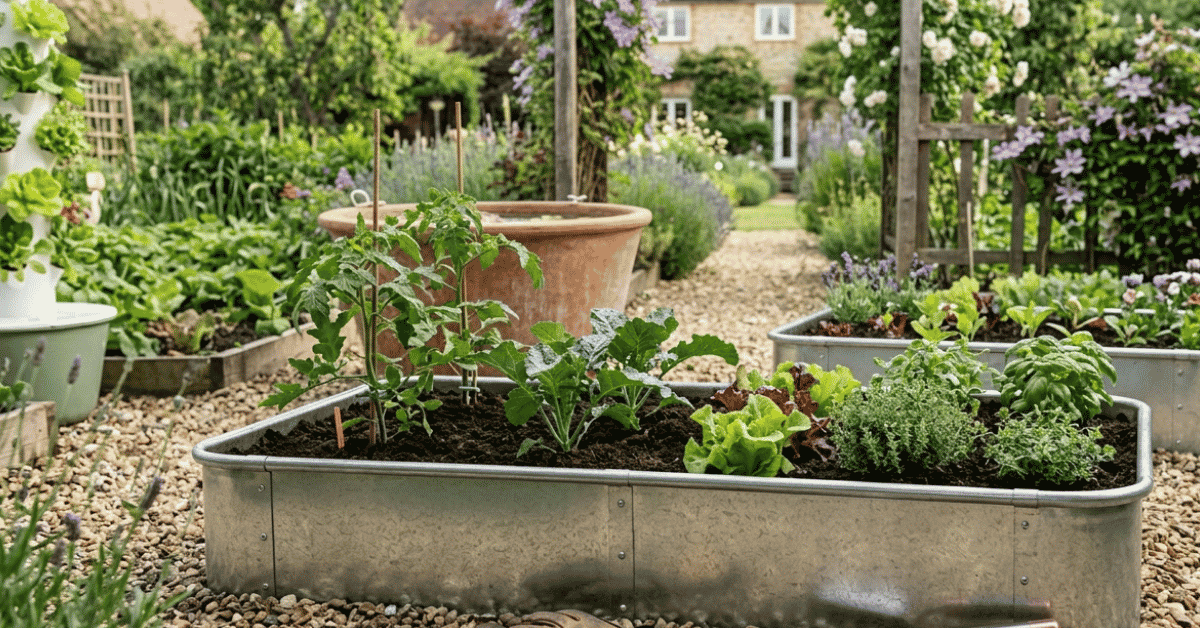
They are sturdy and come in various heights. I started with a simple corrugated metal bed. It was easy to assemble and looked great.
They often come in kits. This makes putting them together a breeze. You can find them in galvanized steel, which is very durable.
Powder-Coated Steel Beds
These beds have a smooth finish. They are coated with a protective layer of powder. This coating offers great protection against rust and corrosion.
It also comes in a rainbow of colors. This lets you really customize your garden’s look. I saw some bright red ones that looked amazing.
They have a more refined appearance than corrugated beds.
Galvanized Steel Beds
Galvanized steel is treated with a zinc coating. This coating protects it from rust. It’s a very popular choice for garden beds because of its durability.
The zinc coating is safe for growing food. Many corrugated beds are made of galvanized steel. It’s a solid, no-fuss option.
Corten Steel Beds (Weathering Steel)
Corten steel is a bit different. It’s designed to rust but in a controlled way. It forms a stable, protective rust-like layer.
This gives it a beautiful, earthy orange-brown patina over time. It looks very natural and rustic. They have a unique look that many gardeners love.
It’s a more premium option, but it’s stunning.
Setting Up Your Metal Gardening Bed: A Simple Guide
Putting together a metal garden bed is usually pretty straightforward. I’ve done it a few times myself.
Choose Your Location Wisely
First, pick the right spot. Most vegetables need at least six to eight hours of sunlight daily. Think about where the sun tracks across your yard.
Also, consider drainage. You don’t want water pooling around your new bed. Make sure it’s level.
This helps with stability.
Assemble the Bed Frame
Most metal beds come in pieces. You’ll usually have sides and corner posts. Follow the instructions that come with your kit.
Often, it involves bolting the sides together. I found using a wrench made it much easier and faster. It’s good to have a friend help.
It’s easier to hold pieces in place that way.
Prepare the Ground
Once the frame is in place, you need to prepare the inside. If you’re placing it on grass or weeds, you can lay down cardboard first. This smothers the existing growth and is good for the soil.
Make sure the cardboard is plain, with no glossy ink or tape.
Fill with Good Soil
This is where the magic happens. Don’t just use plain dirt from your yard. Use a good quality soil mix.
A blend of compost, topsoil, and maybe some peat moss or coir works wonders. You want a mix that’s rich and drains well. Fill the bed to the top.
The soil will settle over time.
Consider Adding a Weed Barrier
Some people like to add a layer of landscape fabric or thick cardboard at the bottom. This helps prevent weeds from growing up from underneath. It’s especially useful if you have persistent weeds in your yard.
I used thick cardboard in my new beds. It worked like a charm.
Key Features to Look For in Metal Gardening Beds
When you’re shopping, keep an eye out for these important features. They’ll help you pick the best bed for your garden.
| Feature | Benefit | My Experience |
|---|---|---|
| Material Type | Durability, rust resistance, aesthetics (galvanized, powder-coated) | Galvanized steel is tough; powder-coated offers cool colors. |
| Height | Easier access, better drainage, fewer weeds | Taller beds (12 inches or more) are easier on my back. |
| Depth | Allows roots to grow deep, better for certain plants | Deep beds are best for root vegetables like carrots and potatoes. |
| Gauge of Metal | Thicker metal means greater sturdiness and longevity | I prefer beds made with thicker gauge metal; they feel much more robust. |
| Assembly | Ease of putting it together | Kits with clear instructions and pre-drilled holes are the easiest to build. |
| Corner Brackets | Adds extra stability and reinforces the structure | Good corner brackets make a huge difference in how sturdy the bed feels. |
Common Concerns and How to Solve Them
Sometimes people worry about metal beds. I’ve had a few questions myself. Here’s how I dealt with them.
Will the Metal Get Too Hot?
This is a common concern. Yes, metal can get warm in direct sun. However, the soil inside usually stays a few degrees cooler than the metal itself.
The quick drainage also helps prevent overheating the roots. I haven’t had issues with plants getting too hot. I make sure my soil is moist, which also helps keep things cool.
Mulching on top of the soil helps a lot too.
Is the Metal Safe for Growing Food?
Absolutely. Most metal garden beds are made from galvanized steel, powder-coated steel, or Corten steel. These materials are considered safe for growing food.
The zinc on galvanized steel is non-toxic. Powder coatings are also non-toxic. Just make sure you buy from a reputable manufacturer.
Look for beds specifically made for gardening.
Can Metal Beds Rust?
Galvanized and powder-coated steel beds are made to resist rust. They have protective coatings. Corten steel is designed to rust, but it forms a protective layer.
If you see minor rust spots on a galvanized bed, it’s usually not a big deal and won’t harm your plants. You can even touch it up with a bit of food-safe paint if it bothers you. My beds haven’t shown any significant rust.
How Do I Prevent Pests Climbing Up?
Metal beds already offer a great barrier. For extra protection, you can add a wire mesh layer at the very bottom. This can deter burrowing pests.
I haven’t needed this, but it’s an option. The smooth sides make it hard for most climbing bugs to get a foothold.
Frequently Asked Questions About Metal Gardening Beds
Are metal garden beds more durable than wood beds?
Yes, metal beds generally last much longer. They resist rot and pests better than wood.
Can I put metal garden beds on uneven ground?
It’s best to level the ground first for stability. You can use shims if needed.
What is the best soil to fill a metal garden bed with?
Use a mix rich in organic matter, like compost and good topsoil.
Will metal garden beds attract insects?
They can be less attractive than wood. Some bugs might explore, but they offer less hiding space.
Are metal garden beds expensive?
The upfront cost can be higher, but their longevity makes them cost-effective over time.