Need solutions for your garden? Discover how the right gardening sticks can make your plants thrive. Let’s dig in!
Why Do I Need Gardening Sticks?
Honestly, I used to think gardening sticks were just for fancy gardeners. My own plants always seemed to sag or sprawl. Then, one particularly damp spring, my tomatoes went completely wild.
They were tripping me over and flopping everywhere! I felt so frustrated. That’s when I finally decided to try some basic gardening sticks.
What a difference! Suddenly, my plants had support. They weren’t fighting gravity or each other anymore.
The leaves got more sun. The fruit developed better, too. It’s really about giving your plants a helping hand.
They can’t always stand up straight on their own, especially when they start producing flowers or fruit.
Types of Gardening Sticks You Can Use
Gardening sticks come in many shapes and sizes. Picking the right one depends on your plant and what you want it to do. I’ve tried quite a few over the years.
Some worked great, others not so much. It’s a bit of trial and error.
Bamboo Stakes
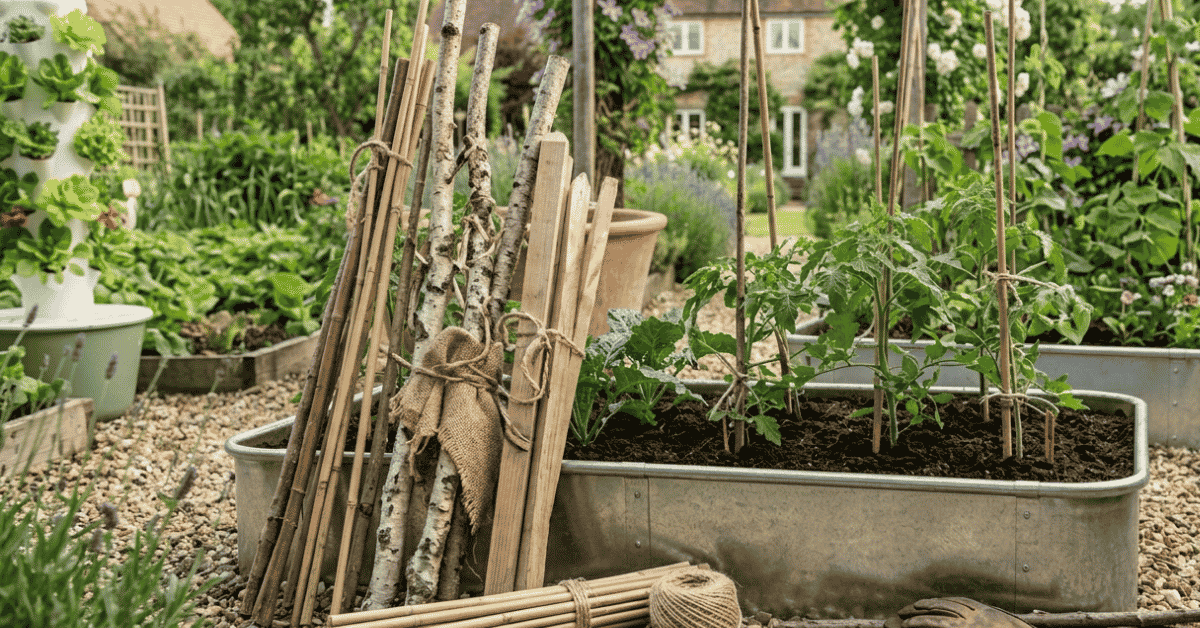
These are probably the most common. They are natural and look nice in the garden. I find them very affordable, too.
- Pros: Lightweight, easy to cut, inexpensive, eco-friendly.
- Cons: Can rot over time, especially in wet soil. May not be strong enough for very heavy plants. Sometimes they splinter, which is a pain when you’re tying things. My first big batch of bamboo stakes warped after a heavy rain. They looked like sad, leaning trees themselves!
Wooden Stakes
Similar to bamboo, but often thicker and more durable. You can find them in pine, cedar, or even treated wood. My dad always used thick cedar posts for his larger vegetables.
They lasted for ages.
- Pros: Stronger than bamboo, can last longer, readily available.
- Cons: Can also rot, treated wood might not be ideal for food gardens, can be heavier.
Metal Stakes
These are built to last. You’ll find them in steel, often coated to prevent rust. I use some sturdy metal rods for my climbing beans.
They’ve been in the ground for years now.
- Pros: Very strong, won’t rot or bend easily, reusable for many seasons.
- Cons: Can be expensive, can get hot in the sun which might damage delicate stems, heavier to handle. I once accidentally nudged my arm on a bare metal stake in peak summer. Ouch! It was super hot.
Plastic Stakes
These are lightweight and can be quite cheap. They are often hollow or ribbed. I’ve used them for smaller plants, like young tomato starts.
- Pros: Lightweight, waterproof, won’t rot, generally affordable.
- Cons: Can be brittle and break easily, not always strong enough for larger plants, can look a bit cheap in the garden. I found some plastic ones just snapped in half when I pushed them into firm soil.
Specialty Stakes
This covers a whole range of supports. Think of things like tomato cages, obelisks, or netting poles. These are often designed for specific plants or growing methods.
I have a beautiful metal obelisk for my clematis. It’s more decorative than just a stick, but it does the job wonderfully.
- Pros: Designed for specific support needs, can be very decorative, offer excellent stability.
- Cons: Can be pricey, might take up more space.
How to Choose the Right Gardening Stick for Your Plants
Making the right choice really comes down to a few things. I look at the plant’s eventual size, its weight, and how I plan to grow it. It’s like picking the right shoes for an activity; you need the right tool for the job.
Consider Plant Size and Weight
A tiny herb needs a very different stick than a giant pumpkin vine. For small herbs or young peppers, a thin bamboo stake will do. But for a heavy tomato, a thicker wooden or metal stake is essential.
My experience with sunflowers taught me this fast. They grow so tall and then their heavy seed heads just bend them over if they don’t have sturdy support. I ended up using old broom handles for those!
Understand Your Soil Conditions
If your soil is very wet or boggy, wooden or bamboo stakes might rot quickly. In those cases, metal or plastic stakes are a better bet. I live in an area with a lot of rain, so I tend to favor stronger materials for stakes that stay in the ground all season.
Think About Longevity and Reusability
Are you looking for something for one season, or do you want stakes that will last for years? Metal stakes are the best for longevity, but they cost more upfront. Wooden stakes can last a few years if you take care of them.
This simple bamboo stake can save my plot this year, but I know I won’t be using it the same way for more than 2-3 seasons.
Aesthetics Matter Too!
Sometimes, you want your garden to look good. Natural materials like bamboo and wood blend in nicely. Metal stakes can add a modern touch.
Plastic ones are often just functional. My vegetable patch is quite visible from my kitchen window, so I do try to make it look tidy.
How to Use Gardening Sticks Effectively
Putting a stick in the ground is easy. Using it the right way makes all the difference. I learned these tricks through a lot of trial and error.
How Deep to Place Them
You want to push the stake deep enough so it’s stable. About 6-12 inches into the soil is a good rule of thumb. The deeper it is, the less likely it is to wobble or fall over when your plant gets heavy.
I always feel like I’m digging for treasure when I’m burying stakes firmly.
Proper Staking Technique
Don’t tie your plant too tightly to the stick. Use soft ties like twine, fabric strips, or special plant ties. You want to give the stem room to grow.
As the plant grows, you’ll need to add more ties. I like to tie the main stem to the stake every foot or so. My mistake early on was tying too high up and too tight.
The stem couldn’t grow properly.
Supporting Different Plants
- Tomatoes: Train the main stem up the stake. Tie it loosely every few inches. You can also direct heavy branches onto supports.
- Peppers: Often need support as their fruits get heavy. A single stake per plant usually works.
- Daisies and Peonies: These tall flowers often flop. A stake or a plant ring can help them stand tall.
- Climbing Beans: Need a framework to climb. Tall sticks arranged in a tipi or a row can work.
- Cucumbers: Can be trained up a trellis made from stakes.
Maintenance and Care for Your Gardening Sticks
Taking care of your sticks means they’ll work better next year. It’s not a lot of work, but it pays off. This strange gardening stick might save my crops next season, but only if I clean it properly.
Cleaning After Use
After the growing season, pull out your stakes. Brush off any excess soil. If you used them for diseased plants, it’s a good idea to wash them or even give them a light soak in a mild disinfectant solution.
This stops diseases spreading.
Storage
Store your stakes in a dry place. Wood and bamboo can rot if left damp. Metal stakes should be stored where they won’t rust.
I keep mine in a corner of the shed, sorted by type.
Replacing Damaged Stakes
If a stake is broken, rotting, or bent beyond repair, it’s time to replace it. Continuing to use a weak stake is just asking for trouble. It’s better to buy a new one than risk your plant falling over.
This simple gardening stick can give your easy backyard plot a whole new look, but only if it’s strong enough.
Common Problems and Solutions with Gardening Sticks
Sometimes things don’t go as planned. I’ve run into a few snags over the years.
Stakes Falling Over
- Problem: Soil is too loose, or the stake isn’t deep enough.
- Solution: Re-stake, pushing deeper into the soil. If the soil is very loose, you might need to add more soil around the base or use a thicker stake.
Plant Stem Damaged by Ties
- Problem: Ties are too tight or made of rough material.
- Solution: Loosen ties immediately. Switch to softer tie materials. Ensure you’re using a figure-eight tie when attaching to a stake so the plant can grow without constricting.
Stakes Rotted Too Soon
- Problem: Using wood or bamboo in very wet conditions without proper treatment.
- Solution: For very wet areas, switch to metal or plastic stakes. For wood or bamboo, look for treated options or seal them yourself if you’re comfortable.
Pests Attracted to Stakes
- Problem: Ants or other pests might nest in or climb stakes.
- Solution: Certain types of treated wood are less attractive. Keeping stakes clean can help. Sometimes, natural deterrents like peppermint oil applied to the stake can discourage them. This hidden dark gardening stick may have changed my plot, but I had to make sure bugs weren’t moving in.
Final Thoughts on Gardening Sticks
Using gardening sticks might seem like a small detail. But for me, it’s made a huge difference in how my garden looks and performs. It’s the simple things that often bring the most satisfaction.
When my plants stand tall and strong, it just feels right.
How long should gardening sticks be?
Most gardening sticks should be long enough to go 6-12 inches into the soil and support the plant’s mature height.
Are metal gardening sticks safe for vegetable gardens?
Yes, metal gardening sticks are safe, just make sure they are coated to prevent rust and don’t get excessively hot.
Can I reuse old wooden stakes?
Yes, you can reuse old wooden stakes if they are not rotted or damaged. Clean them well before storing.
When is the best time to stake plants?
It’s best to stake plants when they are young, before they start to lean too much and damage themselves.
Do all plants need gardening sticks?
No, not all plants need gardening sticks. Low-growing or naturally self-supporting plants often do fine without any support. Learn more about plant needs.