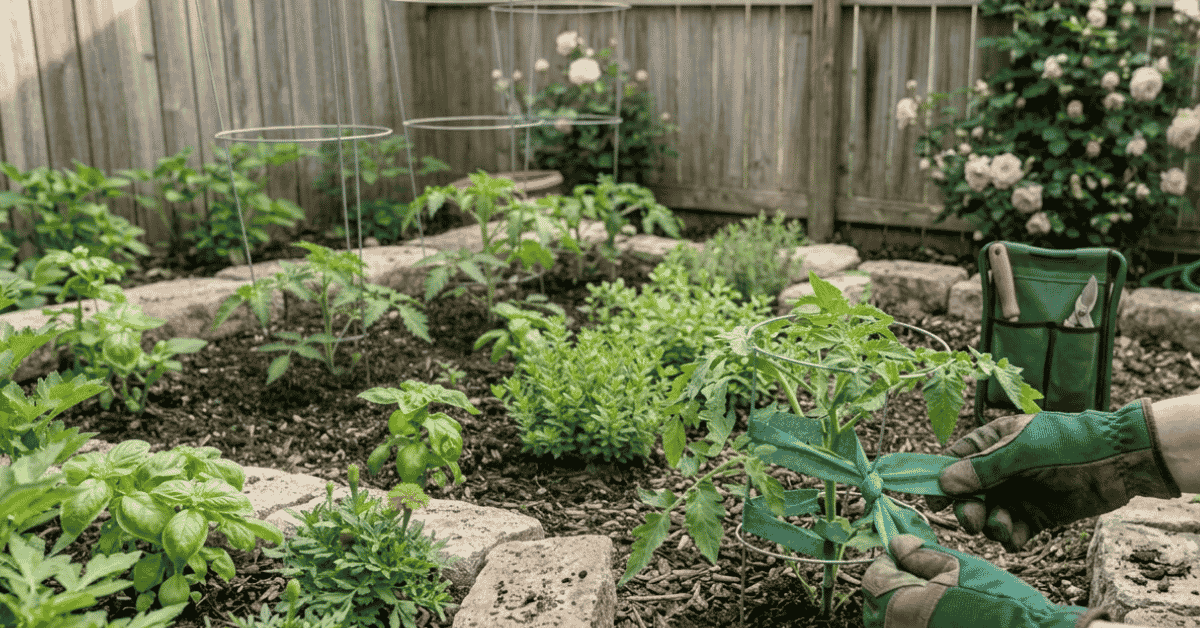
I used gardening tape last week, and honestly, my little tomato plant is already looking happier. It’s such a simple fix, really, but it made me think about how many gardeners might be overlooking this handy little tool. Let me show you why gardening tape can be your secret weapon for stronger, healthier plants this season.
It all comes down to giving your plants the right kind of support exactly when they need it.
What Exactly Is Gardening Tape?
You might be picturing the tape you use for wrapping presents. Nope, we’re talking about something specifically designed for your green pals. Gardening tape is a flexible, sometimes stretchy, band.
Its whole job is to gently hold plant stems to stakes, trellises, or other support structures. Think of it as a soft hug for your plants. I’ve used it on everything from floppy cucumbers to unruly berry bushes.
It’s not sticky like regular tape, which is key. We don’t want to damage delicate stems.
Why Use Gardening Tape?
This is where the magic happens. When you’re growing things, especially vining plants or those with heavy fruits, you often need to give them a helping hand. Letting them sprawl unsupported can lead to broken branches, disease from moisture sitting on the ground, and just generally sad-looking plants.
Gardening tape offers a gentle, secure way to guide their growth. It’s like having tiny, invisible arms holding them up just right.
I remember one particularly windy spring. My young bean plants were getting tossed around like crazy. I was worried they’d just snap.
I grabbed some gardening tape and tied them loosely to their poles. By the next morning, they were standing tall again, a little wobbly still, but upright. That experience really sold me on its importance.
It’s not just for big, established plants, either. Even seedlings can benefit from a little early support as they start to climb.
Different Types of Gardening Tape
You’ve got a few main options when you head to the garden center or shop online. They all do a similar job, but some might suit your specific needs better.
- Self-Adhesive Grafting Tape: This is super common. It’s a bit stretchy and sticks to itself. You wrap it around the stem and stake, and it seals itself. I like this for its ease of use. It’s quick and secure.
- Rubber Band Style Tape: These are often made of a flexible rubber or silicone material. They loop through themselves to create a tie. These are great because they’re very forgiving and won’t dig into stems as they grow. They also have a bit of give.
- Fabric or Paper Tape: Some tapes are made from natural, biodegradable materials. These are awesome if you’re worried about plastic waste or want something that will break down over time. They might not be as durable in wet conditions as rubber or plastic options, though.
- Pre-cut Strips: You can find tape already cut into handy lengths. This saves you the step of cutting. Perfect for when you’re in a hurry on a hot garden day.
I usually have a mix in my gardening shed. For most jobs, the self-adhesive grafting tape is my go-to. But for young, tender vines, I might use the rubber band style because I know it won’t constrict them too much as they thicken up.
When to Use Gardening Tape
Gardening tape isn’t just for when things look dire. It’s a proactive tool. You can use it from the moment you plant to the final harvest.
Supporting Young Seedlings and Plants
When you first plant out your seedlings, especially tomatoes, peppers, or cucumbers, they can be a bit fragile. A gentle tie to a small stake can prevent them from flopping over. This helps them establish strong roots without stress.
I did this with my pepper starts this year, tying them to little bamboo canes. They’ve really taken off, standing straight and strong. It’s about building a solid foundation from the start.
Training Vining Plants
This is perhaps the most common use. Think of your indeterminate tomatoes, pole beans, cucumbers, peas, and even some types of squash. These plants want to climb!
You need to give them something to cling to. A trellis, netting, or sturdy stakes are ideal. Gardening tape is the perfect way to attach the main stem or side shoots to the support structure.
This keeps them off the ground. It also ensures they get good sunlight and air circulation. Without it, you risk getting diseased fruit or broken vines.
I find that weaving the stems through the trellis and then taping them in place works wonders.
You can learn more about some surprising gardening tool benefits that include support systems.
Securing Heavy Fruiting Branches
Some plants, like certain varieties of tomatoes or even fruit trees, can develop branches laden with heavy fruit. These branches can bend or even snap under the weight. Gently taping these branches to a sturdier part of the plant or a nearby support can save your precious harvest.
It’s a simple way to prevent those ripening tomatoes from crashing to the ground. My neighbor had a huge zucchini plant last year. One main stem was getting so overloaded with fruit.
He used gardening tape to tie it to a thicker, supporting branch. He saved a lot of zucchini that way!
Grafting and Repairing Plants
This is a more advanced use, but gardening tape is also used in grafting. When you join two plant parts together, tape holds them in place while they fuse. Skilled gardeners also use it for minor repairs, like splinting a broken stem.
The tape provides support while the plant heals. I tried grafting a tomato variety onto a more disease-resistant rootstock last season. The grafting tape was essential for keeping the union secure.
It’s amazing how it can help plants recover. It really highlights how versatile this simple tool is.
What Not to Do with Gardening Tape
While gardening tape is fantastic, there are a few things to watch out for. Misusing it can cause more harm than good.
Don’t Tie Too Tightly
This is the biggest mistake I see people make. Gardening tape is meant to be a gentle support, not a chokehold. If you wrap it too tightly, it will cut into the plant’s stem.
This restricts water and nutrient flow. It can even kill the part of the plant above the tie. I always aim for a snug but not constricting fit.
You should be able to slide a finger easily between the tape and the stem.
Another thing to consider is how plants grow. They get thicker. What feels snug at first might become too tight later.
That’s why checking your ties regularly is so important, especially on fast-growing plants. You might need to loosen or re-tie them as the season progresses.
Avoid Using Regular Tape
Please, please don’t use duct tape or packing tape! These are way too strong. They have very aggressive adhesives.
They will absolutely damage your plant’s delicate outer layer (the phloem and cambium). This damage can be irreversible. It can invite disease and stunt growth.
Gardening tape is specifically designed to be non-damaging and gentle. It’s worth the small investment for proper tools. You can find some fantastic black gardening tape that is designed for this purpose.
Over-Taping or Taping in the Wrong Place
You don’t need to tape every single leaf or tiny sprout. Focus on the main stem or the key branches that need support. Taping too much can actually hinder a plant’s natural movement and growth.
It can also look messy. Sometimes, less is more. I’ve seen gardeners go a bit overboard, creating a mummified-looking plant.
Stick to supporting the primary structure. It’s about guiding, not restricting.
Gardening Tape vs. Other Plant Supports
You have other options for supporting plants, of course. Let’s compare gardening tape to some of them. This can help you choose the best tool for the job.
| Support Type | Pros | Cons | Best For |
|---|---|---|---|
| Gardening Tape | Gentle, flexible, adaptable, easy to use, won’t damage stems, affordable | Can degrade over time (especially natural types), requires checking/adjustment | Most vining plants, young seedlings, securing heavy fruit, temporary supports |
| Twine/String | Cheap, readily available | Can cut into stems if not buffered, might degrade unevenly, can tangle | Larger branches, sturdy stakes where you can buffer with cloth, less delicate plants |
| Stakes/Canes | Provide primary structure | Don’t attach plants to them, require secondary support | Creating a frame, individual plant support (needs tape/twine to secure plant to it) |
| Wire Ties | Sturdy, reusable | Can be too rigid, might damage stems if not careful, can rust | Securing trellises to posts, more robust plant structures |
| Fabric Strips/Old T-shirt | Biodegradable, soft, readily available from scraps | Can rot quickly in damp conditions, need frequent replacement, less refined | Gentle ties for less vigorous plants, short-term support |
My personal experience is that gardening tape is the most user-friendly for directly attaching a plant stem to a support. Twine can work, but you often need to add a bit of padding (like a piece of old fabric) to prevent it from cutting in. Stakes are essential, but they don’t hold the plant to the stake on their own.
Gardening tape bridges that gap beautifully. You can also find some great solutions like the one-simple-black-gardening-tie.
Creative Ways to Use Gardening Tape
Beyond the obvious, I’ve found a few other neat tricks for gardening tape. It’s a surprisingly versatile little item.
Creating Mini Greenhouses
Sometimes, a delicate seedling needs a bit of protection from wind or light frost. You can use a small stake and then loosely wrap some gardening tape around the base of a clear plastic bag or bottle. This creates a simple mini-greenhouse effect around the plant.
It keeps the moisture in and the elements out, giving the little guy a chance to thrive. It’s like a tiny, breathable dome.
Bundling Seedling Starts
When you buy multiple seedlings in one tray, they can get tangled. Gently using a piece of gardening tape to loosely bundle the stems together for transport home can prevent damage. Once you get them to their destination, you can untie them and plant them out.
This is especially helpful for things like parsley or cilantro.
Securing Climbing Edibles to Kitchen Utensils
Okay, this sounds weird, but hear me out! If you have a small herb pot on your windowsill and an adventurous basil plant aiming for the ceiling, you can use a piece of gardening tape to gently attach it to a small decorative stick or even, yes, a sturdy cooking utensil. It keeps your herbs contained and looking neat.
It’s a little hack for keeping things tidy, indoors or out.
Repairing a Broken Garden Tool Handle (Temporarily)
This is a very temporary fix, but in a pinch, if a wooden handle on a trowel or small spade gets a minor crack, you can wrap it tightly with gardening tape. It won’t last forever, but it might just get you through a few more tasks before you need a replacement. This is one of those emergency garden fixes, like using a 5-gallon bucket as a smart growing hack.
Making Your Own Gardening Tape (DIY)
While ready-made gardening tape is affordable and effective, sometimes you’re in a bind. You can create a serviceable substitute with a few common items. The key is to avoid anything too sticky or too stiff.
- Fabric Strips: Cut up old t-shirts or other soft cotton fabrics into thin strips, about half an inch wide. These are soft and biodegradable. They work well for gentle ties.
- Paper Bags: Cut strips from brown paper grocery bags. These are biodegradable and softer than plastic. They work best in drier conditions.
- Natural Fiber Twine (buffered): If you use twine, always buffer it. Wrap it around the stem first, then add a small piece of soft fabric or a leaf between the twine and the stem before tying. This prevents friction and damage.
My experience with DIY tape is that it’s great for temporary situations or for plants that don’t need super strong support. For tomatoes or heavy melons, I’ll always reach for the commercial stuff. It’s just more reliable and provides better support.
Remember, the goal is to support without harming.
Final Thoughts on Gardening Tape
I truly believe gardening tape is one of those unsung heroes in the garden. It’s inexpensive, easy to use, and incredibly effective at helping your plants thrive. It promotes healthier growth, better fruit production, and can even help save damaged stems.
Don’t underestimate the power of a gentle, well-placed tie. It makes a world of difference. So, next time you’re out in the garden, consider adding this simple tool to your arsenal.
You won’t regret it. It’s a small step that yields big results, just like understanding black gardening tape for your yard work magic.
Are there different types of gardening tape?
Yes, common types include self-adhesive grafting tape, rubber band styles, and fabric or paper tapes, each with unique benefits for plant support. Learn more about…
Can regular tape be used for plants?
No, regular adhesive tapes like duct tape or packing tape are too strong and will damage delicate plant stems, unlike specialized gardening tape. Learn more about…
How tight should gardening tape be applied?
Gardening tape should be snug but not constricting, allowing you to slide a finger between the tape and the stem to avoid restricting growth or nutrient flow. Learn more about…
When is the best time to use gardening tape?
Gardening tape is useful from early seedling stages for support, to training vining plants, and securing heavy fruit-laden branches as the season progresses. Learn more about…
Can gardening tape be used for repairing plants?
Yes, beyond basic support, gardening tape is used in grafting and for temporarily splinting broken plant stems to aid in healing and recovery. Learn more about…