Ever felt totally overwhelmed trying to keep your garden lush and green? I know I have. Between work and life, watering my plants feels like a chore.
That’s where my gardening sprinkler changed everything. It’s a total game-changer for happy plants.
What’s the Deal with a Gardening Sprinkler?
Honestly, a good gardening sprinkler isn’t just a plastic hose attachment. It’s your secret weapon for a thriving yard. I used to spend hours lugging a hose around.
Sometimes I’d forget spots, and other times I’d drown the poor things. My grass got patchy, and my flowers drooped. It was pretty discouraging.
My sprinkler changed all that. It waters evenly, reaching every corner of my garden. This means my plants are healthier.
They look fuller and brighter. Plus, I save so much time and energy. This is key for my busy schedule.
Picking the Perfect Gardening Sprinkler
Choosing the right sprinkler can feel like a jungle. So many options! Let me break it down for you based on my own trial and error.
Types of Sprinklers
There are a few main kinds of sprinklers you’ll see. Each has its own strengths.
- Oscillating Sprinklers: These move back and forth. They cover a rectangular area nicely. They’re great for lawns and flower beds. I find they are usually pretty gentle on young plants.
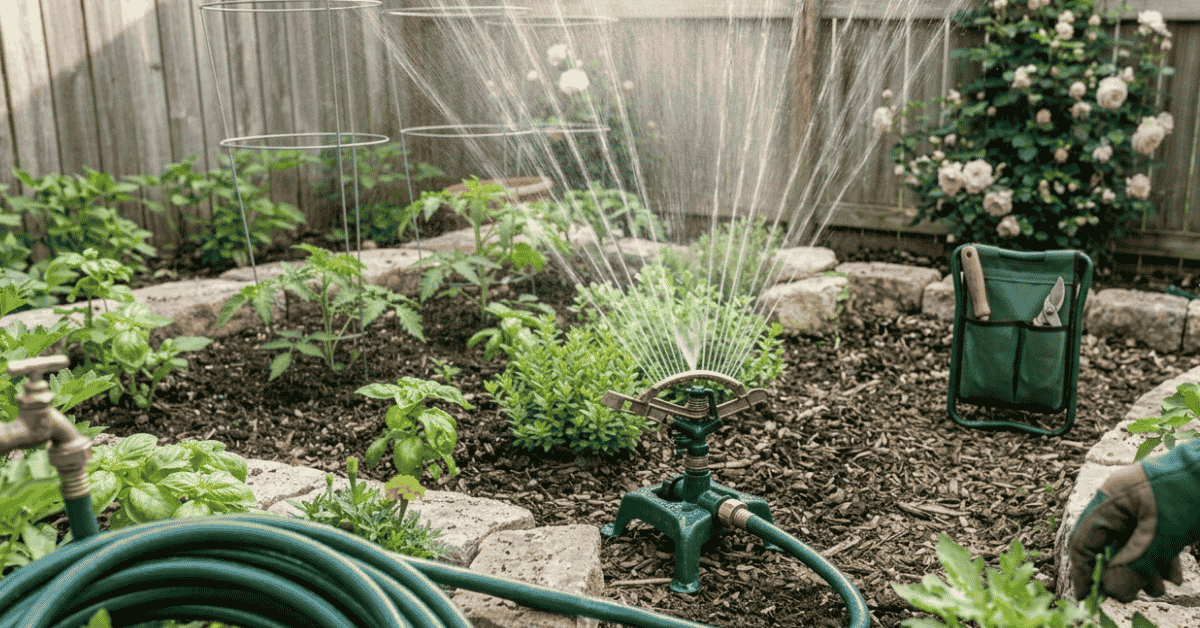
- Impulse Sprinklers: These spin around with a “chopping” sound. They can shoot water quite far. They’re good for larger areas. The stream can sometimes be strong, though. Be careful with delicate plants.
- Rotary Sprinklers: These spin more continuously. They cover larger, irregular shapes. They are good for big yards. Some can be a bit noisy.
- Stationary/Drip Sprinklers: These sit in one spot and drip water slowly. They are super efficient for specific plants or small beds. They deliver water right to the roots. This is perfect for my vegetable garden. It wastes nothing.
I’ve tried them all. Oscillating sprinklers were my first love for my lawn. But for my flower beds and my new herb garden, I’ve really come to love drip systems.
They’re so precise.
Sprinkler Features to Consider
Beyond the type, think about these things.
- Coverage Area: How big is your garden? Get a sprinkler that matches. Some cover a few feet, others a whole yard.
- Water Pressure: Your home’s water pressure matters. A weak hose might not power a big sprinkler.
- Adjustability: Can you control the spray pattern, distance, and angle? This is super important. I need to avoid my walkways and my neighbor’s prize roses! Easy adjustments save a lot of hassle.
- Durability: Will it last? Metal parts are usually better than cheap plastic. I’ve had plastic ones crack in the sun. That was a waste of money.
- Ease of Use: Can you hook it up easily? Is it simple to adjust? I don’t want a wrestling match every time I water.
I remember buying a cheap sprinkler once. It leaked from day one. Then the spray arm snapped off.
Never again! Now, I look for well-made ones, even if they cost a little more upfront. It saves frustration later.
Making Your Gardening Sprinkler Work Harder
Once you have a sprinkler, how do you get the most out of it? It’s all about smart watering.
Watering Wisely
The best time to water is early morning. The sun isn’t as hot. This means less water evaporates.
It also helps prevent fungal diseases that love wet leaves overnight. I used to water mid-day. My plants looked stressed afterwards from the heat and water.
Now, I set my timer for dawn. It’s a small change but makes a huge difference.
Proper Placement is Key
Don’t just stick the sprinkler anywhere. Think about your plants. Do they need deep watering or just a light sprinkle?
Place sprinklers so they cover your garden beds evenly. Avoid watering sidewalks or driveways. That’s just wasting water and money.
I use mine to create zones. My lawn gets one type, my flower beds another. This caters to their different needs.
Sprinkler Maintenance
Even the best sprinkler needs a little TLC.
- Clean the Nozzles: Clogged nozzles mean uneven watering. I use a small brush or a toothpick to clear mine.
- Check for Leaks: Fix any leaks promptly. They waste water and reduce pressure.
- Winterize: If you live somewhere cold, drain your sprinkler before winter. This stops it from freezing and breaking. I learned this the hard way one year. Had to buy a new one in spring!
A little maintenance goes a long way. It keeps your sprinkler working efficiently for years.
Sprinkler Systems vs. Manual Watering
I’ve wrestled with hoses for years. Now, I’m a huge fan of automatic or semi-automatic systems.
| Feature | Manual Watering (Hose) | Gardening Sprinkler System |
|---|---|---|
| Time Input | High; constant attention required. | Low; set it and forget it (mostly). |
| Water Use | Can be inefficient; easy to over/underwater. | Highly efficient; customizable for plant needs. |
| Plant Health | Variable; dependent on user consistency. | Consistent; even watering promotes robust growth. |
| Effort | Physically demanding; carrying hose, moving sprinklers. | Minimal; mostly setup and occasional adjustments. |
| Cost | Lower initial cost (hose, nozzle). | Higher upfront cost; potential for expansion. |
| Coverage | Limited by hose length and user reach. | Can cover large or complex areas precisely. |
My commitment to my garden has grown since I stopped fighting with the hose. Having a good sprinkler system just makes it easier and more rewarding. It’s like having a little helper.
I’ve found that investing in smart tools like a good sprinkler is just as important as choosing the right plants. It’s part of the whole gardening puzzle. Knowing my plants are getting the water they need, exactly when they need it, gives me peace of mind.
It’s a small thing, but it really makes my gardening life better. Thinking about your garden’s needs and how a sprinkler can meet them is a big step. It really makes gardening feel less like a chore and more like the joyful hobby it should be.
Protecting Your Investment
Sometimes, you might see sprinklers that look a bit odd. Maybe they have a unique color. I’ve found that some specialized gardening tools, like certain types of buckets or even specific gardening plastic, can be really durable and beneficial.
I used a special black gardening bucket once for seedlings. It warmed the soil faster. It made a surprising difference.
It’s the same with sprinklers. Some might have features that offer surprising benefits. For example, a sprinkler head designed to minimize wind drift can save a lot of water during breezy days.
It’s about looking for those clever details that make a real difference in the long run. I’ve also learned that simple, well-designed tools can be incredibly effective. Sometimes, a single, simple black watering can can be a breakthrough for targeted watering for very specific plants!
It’s about finding what works best for your garden and your lifestyle.
The Joy of a Well-Watered Garden
It might sound silly, but seeing my garden thrive is truly a joy. The vibrant colors of my flowers, the lush green of the lawn, the healthy growth in my vegetable patch, it all starts with consistent, proper watering. My gardening sprinkler is the silent hero behind that success.
It takes the guesswork out of it. It saves me precious time. And it ensures my plants are as happy and healthy as they can be.
It really is one of the smartest purchases I’ve made for my yard.
Frequently Asked Questions About Gardening Sprinklers
What’s the best time to water my garden with a sprinkler?
Early morning is best. It reduces evaporation. This helps prevent plant diseases.
Learn more about smart watering times.
How do I choose a sprinkler for a small garden?
Look for adjustable spray patterns. Drip systems or oscillating sprinklers work well. They give precise coverage.
Explore sprinkler types that fit your space.
My sprinkler isn’t reaching all my plants. What can I do?
Check your water pressure and nozzle for clogs. You might need a sprinkler with a wider throw. Consider adding another sprinkler.
Discover ways to improve sprinkler reach.
How often should I water with a sprinkler?
This depends on weather and plant type. Aim for deep watering less often. Feel the soil.
Learn more about watering frequency.
Is a sprinkler system expensive to set up?
Initial costs vary. Simple hose-end sprinklers are cheap. Drip systems or in-ground systems cost more.
Find the right sprinkler for your budget.