I used to dread certain garden tasks. Weeding tight spots? A real pain.
Loosening soil around delicate plants? Terrifying. But then I discovered the gardening claw.
This simple tool changed how I garden. It’s not fancy, but it works wonders. It has become my go-to for many tough jobs.
Why Do I Need a Gardening Claw?
You need a gardening claw because it makes hard work easy. I’ve found it’s incredibly versatile. It does so much more than just dig.
It helps me tackle tough soil. It’s great for getting weeds out with their roots. Plus, it makes planting small things a breeze.
My hands don’t get as tired anymore. It truly is a garden game-changer for me.
The Gardening Claw’s Mighty Strengths
This tool is a true workhorse in my garden. Its design makes it perfect for many jobs. I really rely on it for a few key reasons.
Precision Weeding Power
One of the biggest reasons I love my gardening claw is for weeding. Especially in those annoying, tight spots. Think between pavers or right next to prize-winning petunias.
Those flimsy fingers are perfect for gently loosening soil around a weed. Then, I can just lift it right out. The roots often come with it!
This saves me so much time and frustration. I remember one particularly bad patch of clover. It had woven itself under my rose bushes.
My gardening claw was the only thing that could reach in and pull it all out without damaging the roses. It felt like a true victory!
- Gets into tight spaces: The narrow design allows access where trowels can’t go.
- Loosens soil effectively: Helps dislodge weeds without ripping surrounding plants.
- Removes roots: Often pulls out the entire weed, preventing regrowth.
Aerating Compacted Soil
My garden soil gets pretty compacted, especially after a dry spell or heavy rain. Using a big shovel can be too much. It might disturb plants I want to keep.
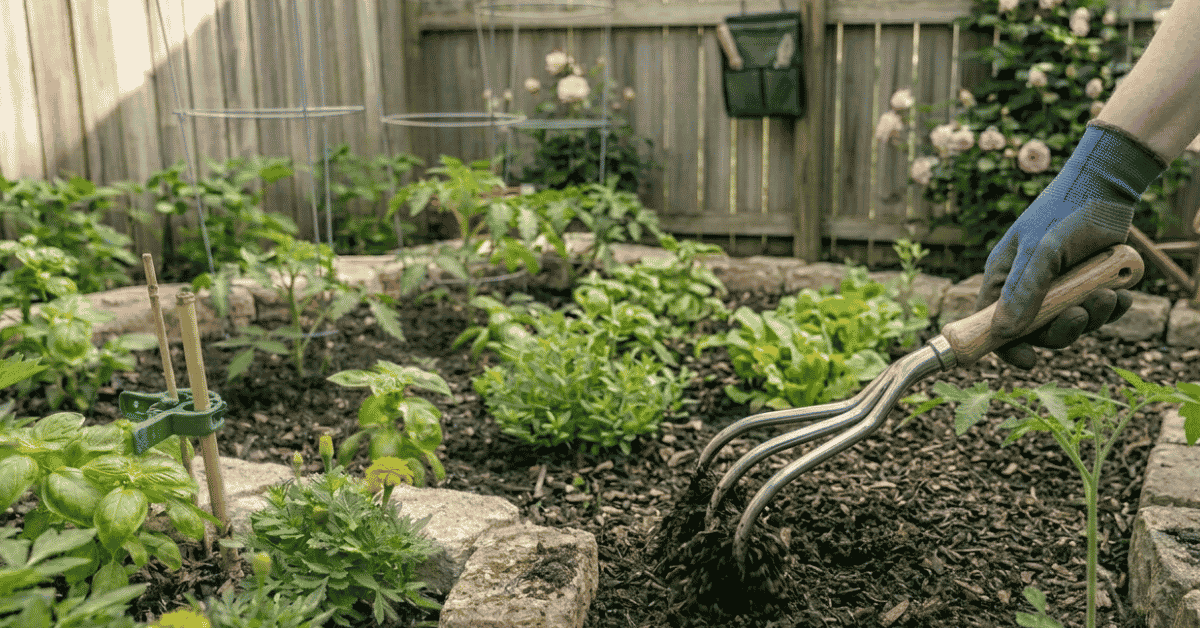
My gardening claw is ideal for this. I poke the tines into the soil and gently wiggle them. This breaks up the hard crust.
It lets air and water reach plant roots better. My plants seem to perk up so much faster when I do this. I noticed a huge difference in my tomato plants last year after I used the claw to aerate around their base.
They were stronger and produced more fruit.
Gentle Soil Cultivation
When I’m planting smaller seeds or tiny seedlings, I need to be gentle. I don’t want to blast all my careful work away. The gardening claw lets me cultivate the soil surface lightly.
I can create small furrows for seeds or fluff up the topsoil before transplanting. This creates a nice, loose bed for new life. It’s far less disruptive than a hoe or a larger fork.
Mixing in Amendments
Adding compost or fertilizer to existing beds can be tricky. I don’t want to dig too deep and shock the plants. My gardening claw is perfect for gently mixing in amendments.
I can poke the tines in and move them around to blend things into the top few inches of soil. This makes sure nutrients are available to the roots without major disturbance. It’s a great way to give your plants a little boost when they need it.
Aiding Drainage
In areas that tend to get waterlogged, I use my gardening claw to break up the dense soil. This creates channels for water to escape. It’s not a full drainage solution, but it certainly helps improve water flow.
It’s a simple step that makes a big difference for plants that hate soggy feet.
Features That Make It Great
My gardening claw has a few features that make it stand out. The handle is usually comfortable. It’s often made of wood or rubber.
This gives me a good grip. The metal part is strong but not too heavy. It needs to be sturdy enough to dig into tough dirt.
But I also need to be able to control it easily. Many have three or four tines. They are curved slightly.
This shape really helps grab and lift soil effectively.
Think about the difference between trying to pick up loose sand with your bare fingers versus using a rake. The rake’s shape helps gather and lift. That’s what the gardening claw’s tines do for soil.
Different Types of Gardening Claws
While the basic idea is the same, you’ll see a few variations. Most look quite similar. But there are some differences to consider.
The Classic Hand Claw
This is the most common type. It usually has 3 or 4 metal tines attached to a handle. It’s the one I use most often.
It’s perfect for almost all the tasks I mentioned. It’s small enough to fit in a tool belt or a pocket of my gardening apron.
The D-Handle Claw
Some gardening claws are bigger. They have a long handle, often with a D-shaped grip on the end. These are closer to a small cultivator.
They’re good for working larger areas of soil or breaking up tougher ground that’s a bit further away. I don’t use this one as much for delicate work, but it’s great for general soil turning.
The Rake Claw Hybrid
You might also see tools that look like a cross between a hand rake and a claw. These often have wider, more spread-out tines at the end of a shorter handle. They are good for raking loose debris and also gently loosening soil.
They’re a nice option if you want something for a couple of jobs.
Gardening Claw vs. Other Tools: A Quick Look
When you’re deciding if a gardening claw is right for you, it helps to see how it stacks up. I’ve tried many tools over the years.
| Tool | Best For | Gardening Claw’s Edge |
|---|---|---|
| Trowel | Digging holes, transplanting small plants | Precision weeding, aerating tight spaces |
| Hand Rake | Gathering leaves, leveling small areas | Loosening soil, getting weeds with roots |
| Garden Fork | Turning over large beds, breaking up dense soil | Delicate work around existing plants, targeted aeration |
| Weeder Tool | Specific weed removal (e.g., dandelion puller) | Versatile weeding, soil loosening, aerating |
As you can see, the gardening claw really shines in its versatility. It’s not a replacement for all tools, but it covers a lot of ground that others struggle with. I’ve found it complements my other tools perfectly.
It’s often the tool I reach for when others are too clumsy. For example, when I need to aerate soil around my young lavender plants, the trowel is too wide, and a fork would be disastrous. The gardening claw, however, is just perfect.
Caring for Your Gardening Claw
Taking care of your gardening claw isn’t hard. But a little effort goes a long way. I make sure my tools last by following a few simple steps.
- Clean it after use: Always brush off dirt and debris. A stiff brush works well. This stops soil from drying on and becoming harder to remove.
- Dry it thoroughly: If it gets wet, dry it completely. This prevents rust. I usually wipe it down with an old towel.
- Store it properly: Keep it in a dry place. A shed or garage is ideal. Hanging it up is good. This keeps it off damp surfaces.
- Oil metal parts occasionally: For metal parts, a light coating of oil can prevent rust, especially if it’s going to be stored for a while. I use a bit of WD-40 or mineral oil. It works wonders to keep it looking new.
By taking these small steps, my gardening claw has stayed in great shape for years. It’s still as effective as the day I bought it. This is true for many of my gardening tools.
Taking care of them means they take care of me.
Common Questions About Gardening Claws
Let’s address some frequent questions people have about this handy tool.
What makes a gardening claw so effective?
Its tined design easily breaks up tough soil and grips weeds. This makes planting and cleaning beds much simpler. Learn more about its surprising benefits.
Can a gardening claw truly help with drainage?
Yes, by poking holes in compacted soil, it creates channels for water. This helps prevent waterlogging and keeps roots healthier. Discover one simple breakthrough in soil care.
Is a gardening claw safe for delicate plants?
Absolutely. You can use it with precision to loosen soil around them. This avoids damage to roots and stems.
See the hidden wins of using specialized gardening tools.
How does a gardening claw compare to a garden fork?
A claw is for precise, smaller tasks and aeration. A fork is for turning larger areas of dense soil quickly. Explore more about black gardening tools for yard work magic.
Should I get a metal or plastic gardening claw?
Metal claws are far more durable and effective for hard soil. Plastic ones can be lighter but may break easily. Learn about the benefits of gardening plastics.
I hope this helps you see just how amazing a gardening claw can be. It’s a small tool with a huge impact. It’s definitely earned its spot in my gardening toolkit.