
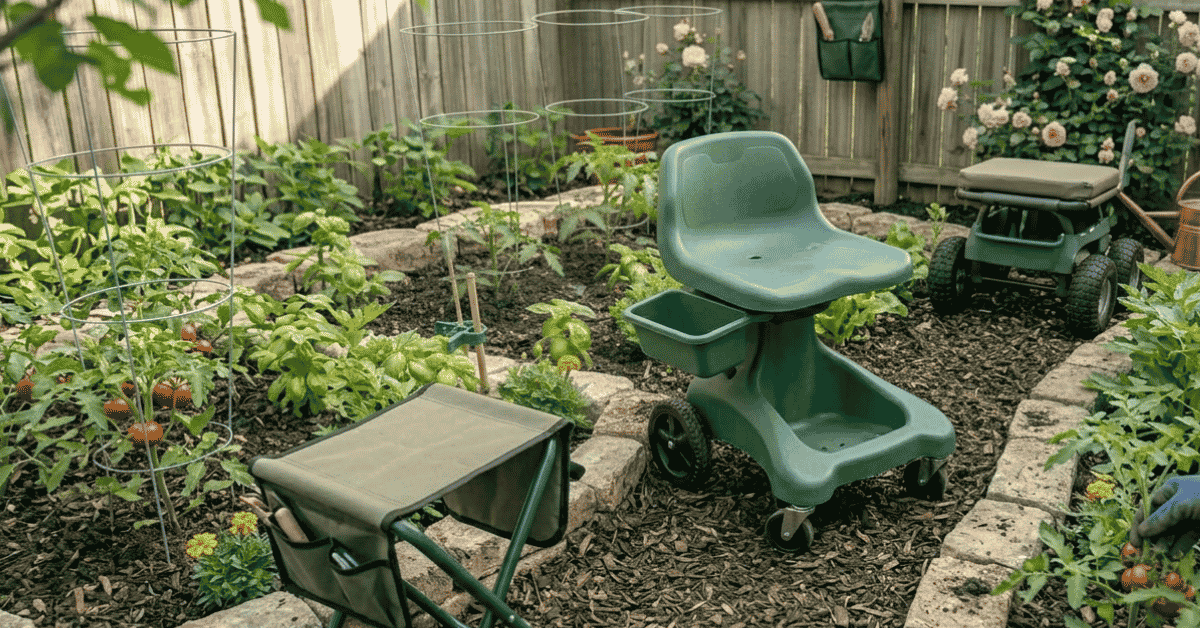
Finding the perfect gardening chair can make all the difference on a sunny afternoon. Discover why these simple seating solutions are a must-have for any green-thumbed enthusiast and how to pick the best one for your needs.
Why Do I Need Gardening Chairs?
Honestly, before I had a proper gardening chair, I used to perch on an old upturned bucket or just sit right on the grass. My knees complained a lot after a while. Then, I got my first real gardening chair.
It was a revelation! Suddenly, I could spend hours weeding, planting, or just admiring my handiwork without my back aching or mud sticking to my trousers. These chairs aren’t just for sitting; they’re essential tools that make gardening more enjoyable and accessible.
They give your body a much-needed break, letting you focus on the task at hand, not the discomfort. Plus, they can really elevate your outdoor space.
Picking My Ideal Gardening Chair
Choosing the right gardening chair depends on what you do most in your garden and what your body needs. I’ve tried a few, and what works for me might be different from what works for someone else. Think about how you like to garden and what you want from your seating.
For Kneeling and Reaching: The Gardener’s Helper
Many gardening chairs are designed with kneeling in mind. They often have a padded top that you can flip over to become a padded kneeling pad. This is a game-changer for me.
It protects my knees from the hard ground and keeps my clothes much cleaner. When I’m doing a lot of low-level planting or weeding, I can kneel on it easily. Then, when I need to sit up for a moment, it becomes a sturdy, comfortable seat.
- Pros: Great for reducing strain on knees and back. Often lightweight and portable. Doubles as a seat and a kneeler.
- Cons: Might not be high enough for some tasks. Can get a bit muddy.
- My Experience: I love this type for my flower beds. I can easily transition from kneeling to sitting to check on my plants. It’s also super light, so I can move it around the garden without a fuss.
For Simple Seating: The Lightweight Lounger
Some gardening chairs are just straightforward, light seats. Think of a small, foldable stool or a low-profile chair. These are perfect if you mostly need a spot to sit for a bit, perhaps while pruning a rose bush or even just enjoying a cup of tea amidst your greenery.
They are usually very portable and easy to store.
- Pros: Very light and easy to carry. Simple to fold and store. Good for quick breaks.
- Cons: Not ideal for tasks requiring prolonged kneeling or reaching close to the ground. May lack back support.
- My Experience: I keep one of these by my back door. It’s perfect for when I just want to sit outside for five minutes, watch the birds, or have a quick chat with a neighbor passing by without committing to a long sit. It’s also handy for putting on muddy boots.
For Added Comfort: The Padded Seat
If comfort is your top priority, look for chairs with extra padding. Some gardening chairs come with thick cushions or ergonomic designs that offer better back support. These are ideal if you spend long hours in the garden or if you have back issues.
- Pros: Maximum comfort for extended periods. Good for people with back pain.
- Cons: Can be heavier and bulkier. Padding might get damp if left out in the rain.
- My Experience: When I’m tackling a big project, like turning over a vegetable patch, a chair with a bit more padding makes a world of difference. I can work for longer without feeling restless.
For Durability: The Sturdy All-Rounder
Some gardening chairs are built tough. They might be made from robust metal frames or strong plastics. If you garden in all sorts of weather, or if you need something that will last for years, a durable option is key.
- Pros: Built to last. Can withstand various weather conditions. Reliable for heavy use.
- Cons: Might be heavier. Less focus on plush comfort.
- My Experience: I have an old metal one that’s seen better days, but it’s still going strong. It’s not the prettiest, but if I know I’m going to be doing some heavy-duty work, like moving soil or rocks, it’s the one I reach for. It feels solid.
Key Features to Consider for Your Gardening Chair
Beyond the basic type, several features can make a gardening chair truly shine. I always check for these when I’m looking for a new one.
Material Matters
The material of your gardening chair affects its durability, weight, and how it holds up to the elements.
- Metal: Often strong and durable, but can rust if not treated.
- Plastic: Lightweight and weather-resistant, but can become brittle over time or in extreme heat.
- Fabric: Comfortable and often breathable, but needs to be waterproof or quick-drying.
Portability and Storage
If you have a small garden or limited storage space, consider how easy the chair is to fold, carry, and store. Some chairs have built-in handles or come with carrying bags. I find that anything that folds flat easily is a winner.
Height and Support
Think about the tasks you do. Do you need a low seat or something higher? Do you need back support?
Many gardening chairs are low to the ground, which is great for planting but might not be ideal for everyone. I’ve found that chairs with some back support are better for longer sessions.
Extra Features
Some chairs come with handy extras like pockets for your tools, cup holders, or even integrated coolers. These little additions can make your gardening sessions even more convenient.
My Personal Gardening Chair Comparison
Here’s a quick look at a few common types I’ve encountered.
| Chair Type | Best For | Portability | Durability | Comfort Level |
|---|---|---|---|---|
| Kneeler/Seat Combo | Low planting, weeding, general garden tasks | High | Medium | Medium-High |
| Basic Folding Stool | Quick breaks, light tasks, easy transport | Very High | Medium | Low-Medium |
| Padded Garden Seat | Extended work, comfort-focused gardeners | Medium | Medium | High |
| Heavy-Duty Garden Chair | Frequent, strenuous tasks, long-term use | Medium-Low | High | Medium |
Beyond the Chair: Other Garden Comforts
While a gardening chair is essential, I’ve found that other items can enhance my overall comfort and efficiency in the garden. For instance, having the right gloves makes a big difference in protecting my hands from thorns and dirt. Good quality gardening tool benefits are also crucial, making tasks easier.
Sometimes, all you need is a simple black gardening tool or a handy 5 gallon bucket for carrying supplies. And let’s not forget the practical benefits of gardening plastic in various forms; it’s surprisingly versatile. Even thinking about a one simple black solution can lead to unexpected improvements.
Frequently Asked Questions About Gardening Chairs
Are gardening chairs worth the money?
Yes, a good gardening chair offers comfort and support, making garden tasks much more enjoyable and accessible for longer periods. Learn more about their benefits.
What is the best material for an outdoor garden chair?
Durable materials like powder-coated metal or sturdy, UV-resistant plastic offer good longevity and weather resistance for outdoor use.
How do I store my gardening chair?
Most foldable gardening chairs store easily in a shed, garage, or even against a wall outdoors, taking up minimal space.
Can a gardening chair help with back pain?
Yes, chairs designed with lumbar support or a good kneeling pad can significantly reduce strain on your back during garden work.
What should I look for in a portable garden seat?
Consider weight, ease of folding, and whether it offers enough stability and comfort for your typical garden activities.