
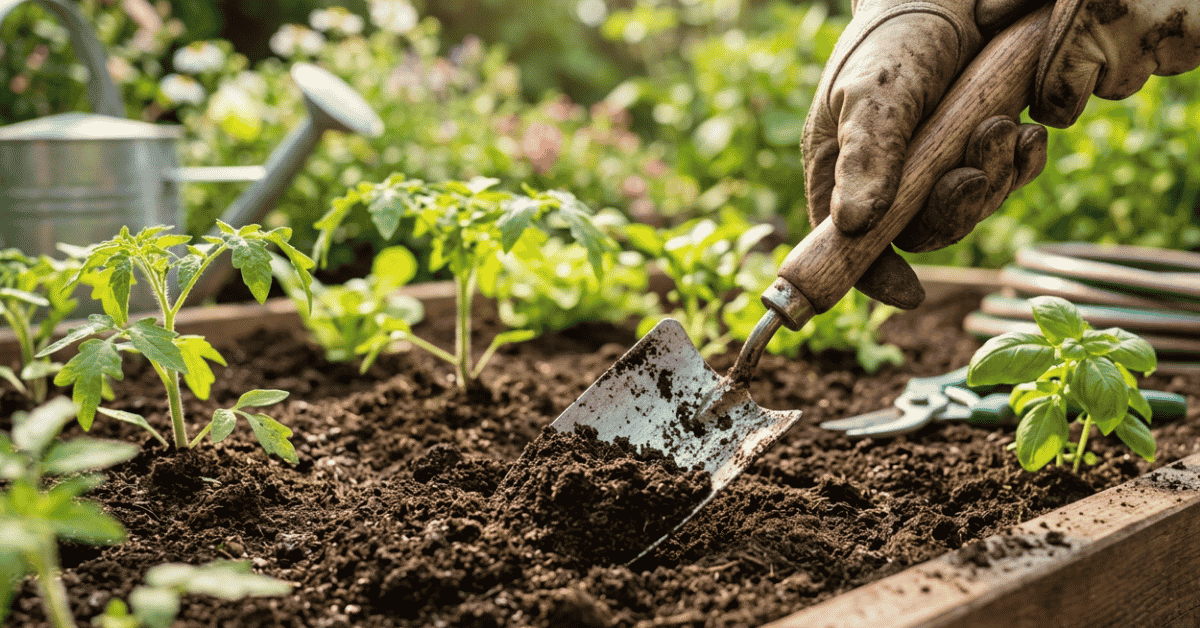
Tiny tools change everything in the garden. I found myself looking for a smaller shovel the other day. My big one felt too much for my potted herbs.
It was just too clunky. This led me down a rabbit hole. I wanted to know all about small shovels.
They aren’t just miniature versions of big ones. They have some surprising benefits. Let’s dig into why you might need one for your own green space.
Why Do I Need a Gardening Shovel Small?
I used to think only big shovels mattered. But my experience with a gardening shovel small has really changed my tune. They’re perfect for tight spots.
Think about your container gardens or raised beds. A giant shovel is just awkward there. It can damage plants or knock over pots.
A small garden shovel, though? It’s nimble. It lets me get right where I need to go.
I’ve used mine to scoop soil into hanging baskets without making a mess. I’ve also used it to gently loosen soil around delicate plant roots. It feels precise.
It’s not about brute force; it’s about control. If you’ve ever struggled to maneuver a big shovel in your flower beds or around small trees, you’ll understand. It’s about making gardening easier and more enjoyable, especially when you’re working in confined areas or doing precise tasks.
For me, it’s become an essential tool in my shed.
Types of Small Garden Shovels and Their Uses
There are a few main types of small garden shovels. Each one is designed for slightly different jobs. Knowing them helps you pick the best one for your needs.
Trowels: The Little Diggers
Trowels are probably the most common type of small garden shovel. They have a pointed blade and a handle. They’re really good for digging small holes for seedlings or bulbs.
I use my trowel all the time for planting herbs in pots. It makes a neat little hole. It also helps me lift plants without disturbing their roots too much.
They’re also great for weeding. You can get right under a weed’s roots and pry it out. Some trowels have a wider, flatter blade.
These are better for scooping soil. Others have a narrower, sharper blade. These are better for tougher soil or making precise cuts.
Hand Scoops: For Bulk Lifting
Hand scoops are different. They have a deeper, cup-like blade than a trowel. Think of it like a small dustpan with a handle.
These are fantastic for moving larger amounts of soil. I use my hand scoop when I’m filling raised garden beds or emptying bags of compost. It lets me move more dirt in one go than a trowel.
It also keeps the soil contained better. It feels less messy. If you’re transplanting larger plants or mixing soil, a hand scoop is super handy.
It’s my go-to for filling planters quickly and efficiently.
Cultivators: For Loosening Soil
Cultivators aren’t strictly shovels, but many small hand tools function similarly. They usually have three or four tines. These are great for breaking up compacted soil.
I use mine after planting or when I notice my soil getting hard. It loosens the top layer without deep digging. This helps air and water reach plant roots.
They’re also good for mixing in amendments like compost. While not for heavy scooping, they prepare the soil bed nicely. They help make the soil more welcoming for plant growth.
Specialized Small Shovels
Beyond these, there are some more specialized small shovels. You might find small transplanting shovels. These are often narrower and have markings on the blade to help you dig to a specific depth.
They’re perfect for moving young plants without shocking them. Some come with serrated edges. These are good for cutting through tough roots or soil.
Factors to Consider When Buying a Gardening Shovel Small
Picking the right small shovel can make a big difference. It’s not just about size. You need to think about a few other things.
The Handle
This is super important. The handle should feel comfortable in your hand. If it’s too small or too big, it’ll be awkward.
I prefer handles with a bit of grip. Sometimes, my hands get sweaty, and I don’t want the tool slipping. Wood handles feel nice and classic.
But they can sometimes splinter or rot if not cared for. Metal or composite handles are often more durable. Some have ergonomic shapes.
These can really help reduce hand strain, especially if you’re gardening for a while. I’ve tried handles that were just a simple stick of wood. They were okay, but ones with a slightly wider, rubberized grip make the job much easier.
The Blade Material
Most small garden shovels have blades made of steel. This is a good, strong material. Stainless steel is great because it resists rust.
That means your tool will last longer, especially if you forget to dry it after use. Carbon steel is also strong but can rust if not maintained. Some very lightweight garden tools might use aluminum.
These are good for very light tasks but aren’t as durable. I’ve found that a good quality stainless steel blade is worth the little extra cost. It holds up well over time.
I also like blades that are not too thick. A thinner blade can cut into soil more easily.
Durability and Construction
You want a tool that won’t break after a few uses. Look for a solid connection between the blade and the handle. A full tang design, where the metal of the blade extends all the way into the handle, is usually the strongest.
If the blade looks like it’s just crimped or glued on, it’s likely to fail. I’ve had tools break on me mid-dig. It’s frustrating!
Checking reviews or feeling the tool in person can help. I tap on the connection point. It should feel solid, not wobbly.
This is a place where spending a bit more upfront saves you money and headaches later.
Ergonomics and Comfort
This ties back to the handle but also the overall balance of the tool. A well-balanced small shovel feels good in your hand. It doesn’t feel like it’s fighting you.
If you have arthritis or hand pain, ergonomic designs are a lifesaver. Some handles have contoured grips. Others are wider.
Small things can make a huge difference when you’re gardening. I remember using a cheap, flimsy trowel once. My hand ached for hours afterward.
Now, I look for tools that feel natural to hold and use. It’s a small detail, but it contributes hugely to the joy of gardening.
Why Small Garden Shovels are Great for Specific Tasks
These little digging tools are more than just cute. They excel at certain garden chores.
Potting and Container Gardening
This is where a small shovel shines. Filling pots with soil is so much easier with a hand scoop or a sturdy trowel. You can get the soil right into the pot without spilling.
It’s also great for adding soil around new plants in containers. A small shovel lets you work gently. You don’t want to damage those delicate roots.
I love how precise it is for this. It feels like miniature construction work for my plants. It reminds me of how a good 5 gallon bucket can be a smart growing hack.
Seed Starting
When you’re starting seeds in trays or small pots, a trowel is perfect. You can make tiny holes for each seed. Then, you can gently cover them with soil.
It’s so much more accurate than trying to do it with your fingers. It also keeps the seed in the exact spot you want it. It’s a level of control you just don’t get with bigger tools.
This precision helps ensure the best start for your little seedlings.
Weeding in Tight Spots
Weeds love to hide in crowded flower beds or between pavers. A small shovel or trowel can get right in there. You can get under the weed’s roots and pull it out cleanly.
It’s better than just yanking by hand, which often leaves the root behind. For weeds growing near prize plants, a small shovel is key. It lets you remove the weed without disturbing your main plant.
It’s a delicate operation, and the small shovel is the perfect instrument.
Delicate Planting and Transplanting
Moving young plants from one pot to another, or from a nursery pot to the ground, can be tricky. A small trowel helps you loosen the soil around the roots gently. You can lift the entire root ball with minimal disturbance.
This reduces transplant shock. It’s also good for planting bulbs. You can dig a perfectly sized hole for each bulb.
This ensures they’re planted at the right depth for successful growth.
Comparing Small Garden Shovels to Other Tools
It’s helpful to see how these small tools stack up against their larger counterparts or other hand tools.
| Tool Type | Primary Use | Suitability for Small Spaces | Dirt Moving Capacity | Precision |
|---|---|---|---|---|
| Gardening Shovel Small | Digging, scooping, planting in confined areas | Excellent | Moderate | High |
| Standard Garden Shovel | Heavy digging, moving large amounts of soil | Poor | High | Low |
| Trowel | Small holes, weeding, scooping small amounts | Excellent | Low | Very High |
| Hand Scoop | Moving bulk soil in containers, filling raised beds | Good | Moderate-High | Moderate |
| Garden Fork (Handheld) | Loosening soil, aerating | Good | Low | Moderate (for breaking up clumps) |
As you can see, the “gardening shovel small” category really hits a sweet spot. It’s more capable than a tiny trowel for moving soil, but much more manageable than a big shovel in tight spaces. It’s a versatile workhorse for many common gardening tasks.
This middle ground is why I find myself reaching for it so often. It’s a tool that fits perfectly into that niche between delicate planting and serious digging.
Maintaining Your Small Garden Shovels
To keep your small garden shovels working well for years, a little care goes a long way. It doesn’t take much time. It really shows you’re invested in your tools.
First off, always clean your tools after use. Wipe off dirt and mud. This prevents rust and keeps the tool in good working order.
If the blade is really caked with mud, a stiff brush is your friend. For tougher dirt, a bit of water and a scrub should do it.
Next, dry the tools thoroughly, especially if they are made of steel. Moisture is the enemy of metal. Keeping them dry prevents rust from forming.
I usually just give them a quick wipe with an old rag.
If you notice any rust spots, don’t panic. You can usually remove them with steel wool or a wire brush. Once the rust is gone, rub a little oil onto the metal part.
This helps protect it. I’ve used a light machine oil or even vegetable oil in a pinch.
Store your tools properly. Keep them in a dry place, like a shed or garage. Don’t leave them lying around outside.
This exposes them to the elements. Hanging them up is a great idea. It keeps them organized and prevents the blades from getting damaged.
It also means you know exactly where to find them. This kind of tool care makes a big difference. It extends the life of your tools and makes gardening more enjoyable.
A well-maintained tool just feels better in your hand. Have you ever thought about how much black gardening tools can add to your yard work magic? It’s about more than just looks; it’s about good design and functionality.
When to Choose a Small Shovel Over Other Tools
Sometimes the choice is clear. On a bright, sunny Tuesday that felt perfect for gardening, I was repotting my tomato starts. They were getting too big for their initial cells.
I needed to move them to slightly larger pots for a few more weeks before they went into the ground. My big shovel would have been ridiculous. A tiny trowel would have taken ages to scoop enough soil.
My gardening shovel small was just right. I could scoop a good amount of potting mix quickly, but still have control. It let me fill the new pots efficiently.
I could also gently tuck the soil around the base of the young plants. This ensured they settled in nicely. This is exactly the kind of task where a small shovel really shines.
It bridges the gap between delicate hand work and more substantial digging. It’s about having the right tool for the specific job at hand. This also reminds me of the 9 surprising benefits of using gardening tools.
They’re often overlooked, but so vital.
FAQs About Small Gardening Shovels
Is a small gardening shovel good for heavy clay soil?
Not ideal for a lot of heavy clay. They’re best for lighter soils or pre-dug holes. Try a tougher tool for pure clay.
Learn more about soil types.
Can I use a small gardening shovel for transplanting trees?
No, transplanting trees needs a much larger, stronger shovel for root ball access. Small shovels are for smaller plants. Learn more about transplanting methods.
Are small garden shovels better than trowels?
It depends on the task. Trowels are for tiny holes. Small shovels are for scooping more soil and light digging.
Learn more about garden hand tools.
What makes a small garden shovel durable?
Look for stainless steel blades and a sturdy, full tang handle connection. Good materials and build quality matter. Learn more about tool construction.
Do I need a specific small shovel for succulents?
No, a general-purpose small garden shovel or trowel works well for succulents and cacti. Their needs are usually simple. Learn more about succulent care.