
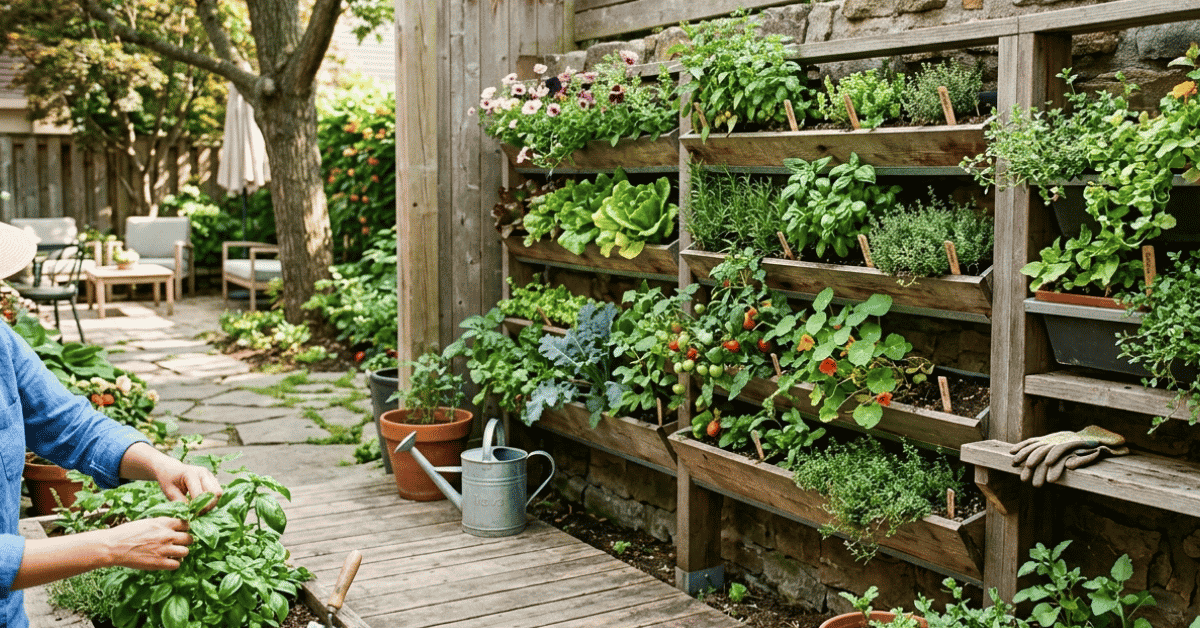
Smart Gardening Walls: Transform Your Space!
I used to look at my bare garden walls and just feel… meh. Grey, boring, and a total waste of space. Then, I discovered the magic of a gardening wall.
It’s not just a pretty face; it’s a living, breathing part of my garden. Stick around, and I’ll show you how this simple change saved my plot.
What Exactly is a Gardening Wall?
Honestly, when I first heard the term “gardening wall,” I pictured something super complicated. But it’s really quite simple. A gardening wall is basically a structure that lets you grow plants vertically.
Think of it as a garden that goes up instead of just out. My first one was just a simple wooden trellis against my brick wall. Now, I’ve got more advanced systems.
They can be made from wood, metal, or even recycled materials. Some are free-standing, while others attach directly to existing walls. They all serve one purpose: to give plants more space to grow upwards, making use of vertical areas that would otherwise be empty.
Why Choose a Gardening Wall for Your Green Space?
There are so many reasons why I absolutely love having gardening walls. They’ve changed the way I garden.
Maximizing Small Spaces
This is the biggest win for me. My backyard isn’t huge. Before, I felt really limited in what I could plant.
A gardening wall lets me pack so much more into a small area. I grow herbs, small veggies, and flowers all in one spot. It’s like getting a whole new garden bed without taking up extra ground.
I remember one summer, I was able to grow enough fresh basil for pesto all season long right on my patio wall. That would have been impossible without the vertical space.
Gorgeous Visual Appeal
Let’s be real, a wall covered in lush greenery is stunning. It adds so much color and life to any garden. It can act as a beautiful living screen, hiding unsightly fences or simply making a plain wall a focal point.
I’ve seen friends transform drab sheds with climbing roses and vibrant wall gardens. It feels less like a chore and more like art.
Improved Air Quality and Environment
Plants are natural air purifiers. The more plants I have, the fresher my air feels. A gardening wall puts a lot of plants in a concentrated area.
They also help cool down the surrounding area, which is a nice bonus on hot summer days. It creates a microclimate that’s great for both plants and me.
Boosting Biodiversity
My gardening wall is a magnet for beneficial insects. Bees buzz around the flowers, and ladybugs love to hide amongst the leaves. It’s like a little ecosystem I’ve created.
This helps my other plants too, as these visitors pollinate and keep pests in check. It’s amazing how a few well-placed plants can support so much life.
Potential for Food Production
This is a huge draw for many people, including me. You can grow so many things on a gardening wall! Think about fresh strawberries hanging down, or walls of lettuce and spinach.
It’s a fantastic way to get fresh produce right outside your door. My daughter loves picking cherry tomatoes right off the wall as she walks by. It connects us to our food in a really direct way.
You can even explore specific systems like a simple bamboo structure for your climbing beans, which has worked wonders for me.
Types of Gardening Walls Explained
Not all gardening walls are the same. Here’s a look at some popular options I’ve explored or seen in action.
Trellis Systems
These are probably the most common. A trellis is a framework, often made of wood or metal. You lean it against a wall or mount it flat.
Plants like climbing roses, clematis, and beans grow up and through it. My first gardening wall was a simple wooden trellis. It was cheap and easy to set up.
It really saved my plot from looking so bare.
Pocket Planters (Fabric or Modular)
These are great for smaller plants and herbs. They are often made of durable fabric or modular plastic units. You fill the pockets with soil and plant directly into them.
They hang on the wall. I’ve seen these used for fantastic herb gardens, creating a fragrant wall of flavor. You can easily swap out plants too.
Vertical Garden Towers
These are more freestanding structures. They often have multiple levels or tiers where you can plant. They are a good option if you don’t have a suitable wall or want a movable garden feature.
Some look like tall, narrow shelving units. Others are more sculptural.
Living Walls (Green Walls)
This is the most advanced type. These are systems with integrated irrigation and a growing medium. Plants are grown in modules that are attached to a frame.
They create a solid mat of greenery. They are often seen on commercial buildings but can also be used in homes. My neighbor installed one, and it looks absolutely incredible, like a natural waterfall of leaves.
DIY Options
Don’t rule out creating your own! Old pallets, repurposed gutters, or even hanging shoe organizers can become fantastic gardening walls with a little creativity. I’ve seen amazing creations made from old wooden ladders and reclaimed chicken wire.
The key is to ensure it’s sturdy enough to hold the weight of soil, plants, and water.
Crafting Your Own Gardening Wall: A Step-by-Step Guide
Building your own gardening wall can be incredibly rewarding. I’ve done it a few times, and it’s easier than you think.
1. Choose Your Location Wisely
Think about sunlight. Most plants need at least six hours of sun a day. Also, consider wind exposure.
A very windy spot can dry out plants quickly. Make sure there’s easy access for watering and maintenance. My south-facing wall gets the best sun.
2. Select Your Structure Type
Decide what kind of gardening wall you want. Will it be a simple trellis? A modular system?
A DIY project? Consider your budget and the look you’re going for. For my first attempt, I used simple bamboo stakes, which were surprisingly effective.
They are cheap and easy to find.
3. Prepare Your Wall or Structure
If you’re attaching to a wall, ensure it’s sound. You might need to add a waterproof barrier behind the garden system if it’s right against masonry. For freestanding structures, make sure they are stable and won’t tip over.
4. Choose the Right Plants
This is crucial! Select plants that suit your light conditions and the size of your container or planting space. Drought-tolerant plants are good for sunny, exposed walls.
For shady spots, consider ferns or hostas. Don’t forget to think about trailing plants for a lush look.
Here’s a quick look at some plant types that do well on gardening walls:
| Plant Type | Best For | Notes |
|---|---|---|
| Herbs | Kitchen gardens, culinary use | Mint, basil, rosemary, thyme, chives |
| Leafy Greens | Salads, quick harvests | Lettuce, spinach, arugula, kale, Swiss chard |
| Strawberries | Edible displays, sweet treats | Everbearing varieties work well |
| Flowering Vines | Color, beauty, attracting pollinators | Clematis, jasmine, morning glory, honeysuckle |
| Succulents | Low maintenance, drought tolerant | Requires good drainage, specific soil |
| Small Veggies | Limited space, fresh produce | Cherry tomatoes (compact varieties), peas, beans |
5. Install and Plant
Follow the manufacturer’s instructions for pre-made systems. For DIY, ensure everything is securely fastened. Fill your pockets or containers with good quality potting mix.
Plant your chosen plants, giving them space to grow. Water them in well.
6. Ongoing Care
Watering is key, especially for walls that get a lot of sun and wind. Check the soil moisture regularly. You might need to fertilize your plants, too.
Also, keep an eye out for pests and diseases. Pruning helps keep plants healthy and encourages growth.
Popular Plants for Your Gardening Wall
Picking the right plants can make or break your gardening wall. I’ve learned a lot through trial and error.
- Herbs: Mint, basil, parsley, chives, and thyme are fantastic. They are easy to grow and provide constant flavour for cooking. They also smell amazing close up.
- Lettuce and Spinach: These grow quickly and won’t take up much space. You can harvest the outer leaves and let the plant keep producing. It’s a great way to have fresh salads daily.
- Strawberries: Trailing strawberry plants look beautiful cascading down. They offer a sweet reward too. Just make sure they get enough sun to produce fruit.
- Succulents: If you have a sunny, dry spot, succulents are perfect. They need very little water and look striking. You can create amazing patterns with different shapes and colours.
- Small Flowering Plants: Pansies, petunias, and even some bedding plants can add a burst of colour. They brighten up the wall and attract beneficial insects.
- Ferns: For shadier spots, ferns provide lush, green foliage. They add a touch of woodland charm to a wall.
When I first started, I tried to grow things that weren’t suited to my wall’s conditions. My tomatoes struggled in the shade, and my mint tried to take over everything. Learning to match plants to light and space is essential.
For a truly unique look, consider a simple bamboo structure for your climbing greens.
Overcoming Challenges with Your Gardening Wall
It’s not always smooth sailing, but problems are usually manageable.
Watering Woes
Vertical gardens can dry out faster than ground-level ones. I found that a simple drip irrigation system was a game-changer for me. You can also use self-watering planters or simply be very diligent with your watering can.
Check the soil with your finger. If the top inch is dry, it’s time to water.
Pest Problems
Like any garden, pests can show up. Inspect your plants regularly. Often, a strong jet of water can dislodge aphids.
Introducing beneficial insects like ladybugs can also help. Organic pest sprays are also an option. My battle with spider mites was intense, but it was worth it to save my plants.
Structure Stability
Make sure your gardening wall structure is strong and securely attached. Wind and the weight of wet soil can cause problems. If you’re unsure, consult a handyman or someone experienced in construction.
A wobbly wall is a hazard.
Plant Choice Errors
Sometimes a plant just doesn’t thrive. Don’t be afraid to swap it out for something else. It’s part of the learning process.
This could be due to too much or too little sun, or incorrect watering. My experience taught me that a simple gardening wall can save a plot, but the right plants are key.
Frequently Asked Questions
How often should I water my gardening wall?
Water daily or every other day, depending on weather. Check soil moisture before watering. Learn more about watering techniques…
Can I grow vegetables on a gardening wall?
Yes! Leafy greens, strawberries, and compact tomatoes work well. Focus on smaller, vining varieties.
Learn more about planting edibles…
What’s the best type of soil for a gardening wall?
Use a lightweight, well-draining potting mix. Avoid heavy garden soil which can compact. Learn more about soil mixes…
How do I prevent my gardening wall from falling over?
Ensure it’s securely anchored to a wall or has a stable, wide base if freestanding. Proper installation is key. Learn more about garden structures…
When is the best time to plant my gardening wall?
Plant after the last frost in spring or in early fall for cooler-season crops. Research your local planting dates. Learn more about seasonal planting…