Want to grow a stunning garden but short on space? Discover the simple secrets of plastic gardening containers. They’re the secret weapon for lush plants and thriving vegetables, making gardening easy for anyone.
Why Are Plastic Gardening Containers So Popular?
I’ve been gardening for years, and plastic containers are always my go-to. They’re everywhere for good reason. They make growing plants simple and affordable.
You can find them in so many sizes and shapes. This means you can grow anything, from tiny herbs on your windowsill to big tomato plants on your patio. I remember starting out, feeling overwhelmed by garden beds.
Plastic pots changed everything for me. They let me experiment without a huge commitment.
Best Places to Use Plastic Gardening Containers
You can put these pots anywhere you want to grow things. They are super versatile.
Small Balconies and Patios
My friend Sarah lives in a city apartment. She has a tiny balcony. She uses lots of plastic pots to grow bright flowers and even some herbs.
It looks amazing. She uses different sizes to layer the look. Small pots for mint, medium for basil, and larger ones for cherry tomatoes.
She says it’s her little green oasis.
Rooftop Gardens
Rooftops can be windy and hot. Plastic containers hold soil well. They are lighter than ceramic for these spaces too.
My cousin has a rooftop garden in Chicago. He grows a lot of vegetables in large plastic pots. He’s always amazed at how much he can harvest.
He uses darker colored pots to absorb heat. This helps his plants grow faster in the cooler months.
Windowsill Herbs
You don’t need a yard to grow fresh herbs. Small plastic pots are perfect for kitchens. They fit right on the windowsill.
I love having fresh basil for my pasta. It’s right there when I need it. Just snip and cook!
It’s so much better than store-bought.
Raised Garden Beds (as Inserts)
Sometimes, I use plastic containers inside larger raised beds. This helps control soil. It also stops roots from getting too wild.
It’s a good way to separate different types of plants. Especially if they have different needs.
Key Features of Great Plastic Gardening Containers
What makes a plastic pot a good choice? It’s not just about the plastic.
Drainage Holes Are Essential
This is super important. My first ever plant died because the pot had no holes. The roots just rotted.
Good drainage prevents waterlogging. You want excess water to escape easily. Look for pots with multiple holes at the bottom.
Some pots have raised bottoms. This helps water drain away faster.
Material Quality Matters
Not all plastic is the same. Cheaper plastic can crack in the sun. It can also become brittle.
I look for thicker, UV-resistant plastic. It lasts longer. It stands up to the weather better.
This means you buy them less often. It saves money in the long run. My oldest plastic pots are about five years old.
They still look great.
Size and Depth for Your Plants
Big plants need big pots. A tiny herb won’t like a huge bucket. A giant tomato needs more than a small seedling pot.
Think about the mature size of your plant. I check plant tags for recommendations. A good rule of thumb is to choose a pot at least 10-20% larger than the root ball.
If I’m starting seeds, I use smaller starter pots. I then transplant them into larger ones later.
Lightweight and Easy to Move
This is a huge plus for plastic. I can move pots around my yard. I can follow the sun.
I can bring tender plants inside when it gets cold. Or even rearrange my patio for a party. Trying to move heavy ceramic pots is a workout!
Plastic Gardening Containers: A Comparison
Here’s how plastic stacks up against other common container materials.
| Feature | Plastic Containers | Terracotta Pots | Fabric Pots | Wooden Planters |
|---|---|---|---|---|
| Cost | Low | Medium | Medium | High |
| Weight | Very Light | Heavy | Light | Heavy |
| Durability | Good (UV-resistant) | Breakable | Very Good | Good |
| Drainage | Excellent (with holes) | Good (porous) | Excellent | Varies |
| Insulation | Poor | Good | Good | Good |
| Water Loss | Low | High | Medium | Medium |
| Freeze/Thaw | Can crack | Can crack | Excellent | Can split |
Choosing the Right Plastic Container for Your Needs
There are many types of plastic pots. Which one is best for you?
Standard Plastic Pots (Nursery Pots)
These are the most common. You often buy plants in them. They are simple and cheap.
They come in many sizes. They usually have basic drainage holes. I use these a lot for starting seedlings.
You can also elevate them slightly in a decorative outer pot. I’ve found that adding a few extra drainage holes always helps. This is a simple trick that saved my plot from waterlogged soil once.
this simple garden hack saved my plot
Resin or Resin-Coated Pots
These often look like ceramic or stone. But they are much lighter. They are made from plastic with a coating.
They are very durable. They are also more decorative than plain nursery pots. I like to use these for display.
They dress up my patio nicely. They feel heavier and more substantial.
Self-Watering Planters
These have a water reservoir at the bottom. A wicking system draws water up to the soil. This is great if you forget to water.
Or if you go away for a few days. It keeps the soil consistently moist. I used one for my peppers last year.
They got huge! I only had to fill the reservoir every few days. It’s one of those strange garden inventions that really saved my crops.
this strange garden invention saved my crops
Grow Bags (Fabric Pots)
While not strictly “plastic containers,” many grow bags are made of durable, synthetic fabric. They offer excellent aeration. This prevents root circling.
They are very lightweight. They are great for balconies because they don’t hold a lot of water. They dry out faster though.
I use them for root vegetables like carrots.
Large Tubs and Buckets
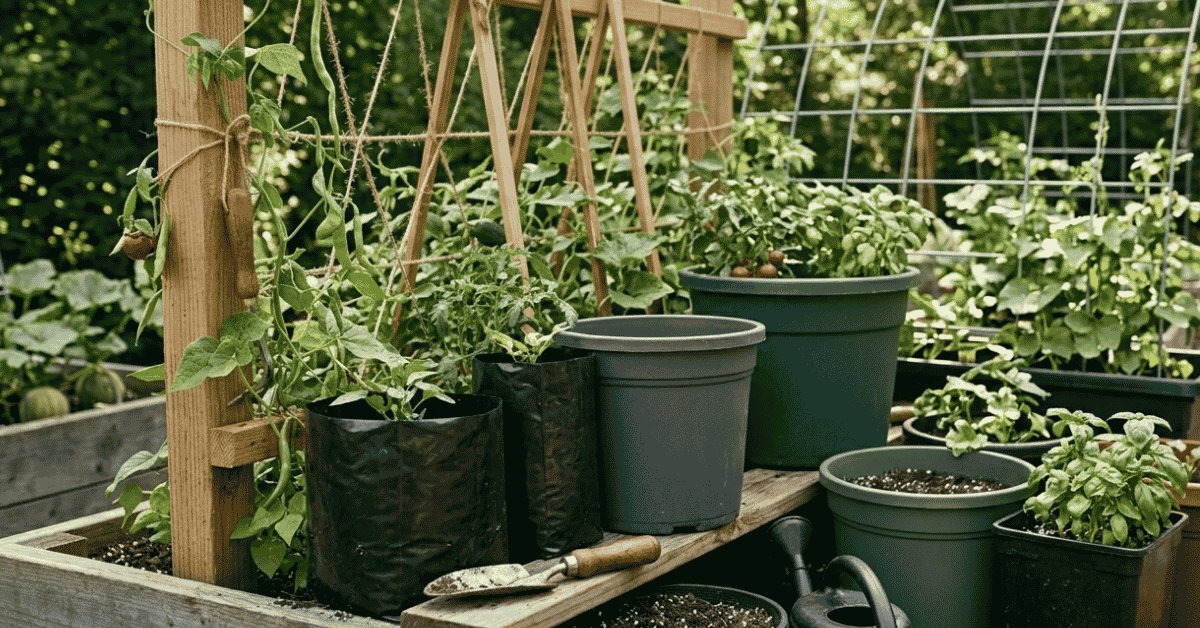
For bigger plants like tomatoes, squash, or small trees, large plastic tubs are fantastic. Old food-grade buckets work well. Just make sure you clean them thoroughly.
Add plenty of drainage holes. These give roots lots of room to grow. I repurposed some large storage tubs.
They turned my backyard into an edible garden. It was a simple garden solution for my easy backyard plot. this simple garden solution for my easy backyard plot
Care and Maintenance for Plastic Gardening Containers
Taking care of your plastic pots makes them last longer.
Cleaning Your Pots
It’s good to clean pots when you reuse them. This stops diseases from spreading between seasons. Wash them with soapy water.
A stiff brush helps remove old soil. For tougher stains or algae, a diluted bleach solution can work. Rinse them very well afterward.
I learned this lesson the hard way. A hidden dark spot on a pot once transferred a problem. this hidden dark spot transfered a problem
Protecting Them from the Sun
UV rays can make plastic brittle over time. If possible, choose pots labeled UV-resistant. You can also paint them.
A light color reflects heat. Dark colors can overheat the soil and roots. This is especially true in very sunny spots.
Overwintering Plastic Pots
In cold climates, plastic can crack if left outside filled with soil. Empty them. Clean them.
Store them in a shed or garage. Some people store them upside down. You can also wrap them in bubble wrap for extra protection if you must leave them outside.
DIY Plastic Container Gardening Projects
You can repurpose many plastic items. Get creative!
The “No-Dig” Container Garden
Use large plastic storage bins. Cut drainage holes in the bottom. You can layer them with compost and soil.
This is a quick way to set up a garden. No heavy tilling needed. I did this once with a few bins.
It was surprisingly productive. It’s amazing how bamboo stakes helped support the growing plants. simple bamboo stakes saved my plot
Vertical Garden from Bottles
Cut plastic bottles in half. Poke drainage holes. Hang them on a wall or fence.
You can grow small plants like lettuce or strawberries. This saves so much ground space. It’s a fantastic solution for tiny areas.
Frequently Asked Questions About Plastic Gardening Containers
- Are plastic gardening containers safe for vegetables? Yes, especially food-grade plastic tubs or pots. Always check for recycling symbols like #2, #4, or #5. Learn more about safe container choices…
- How do I stop plastic pots from cracking? Use thicker, UV-resistant plastic. Avoid cheap, thin pots. Store them inside during harsh winters. Learn more about container care…
- Can I use old plastic buckets for gardening? Yes, but clean them well. Ensure they have plenty of drainage holes. Look for food-grade buckets if possible. Learn more about upcycling…
- Do plastic pots harm the environment? While plastic has an impact, reusing them for many years reduces waste. Opt for durable, recycled plastic options when possible. Learn more about sustainable gardening…
- What is the best size plastic pot for tomatoes? A minimum of 5 gallons is recommended. Larger is better, like 10-15 gallons, for stronger plants. Learn more about growing tomatoes…
The real joy of gardening is making it work for you. For a lot of us, that means using plastic gardening containers now. real joy demands easier gardening now