
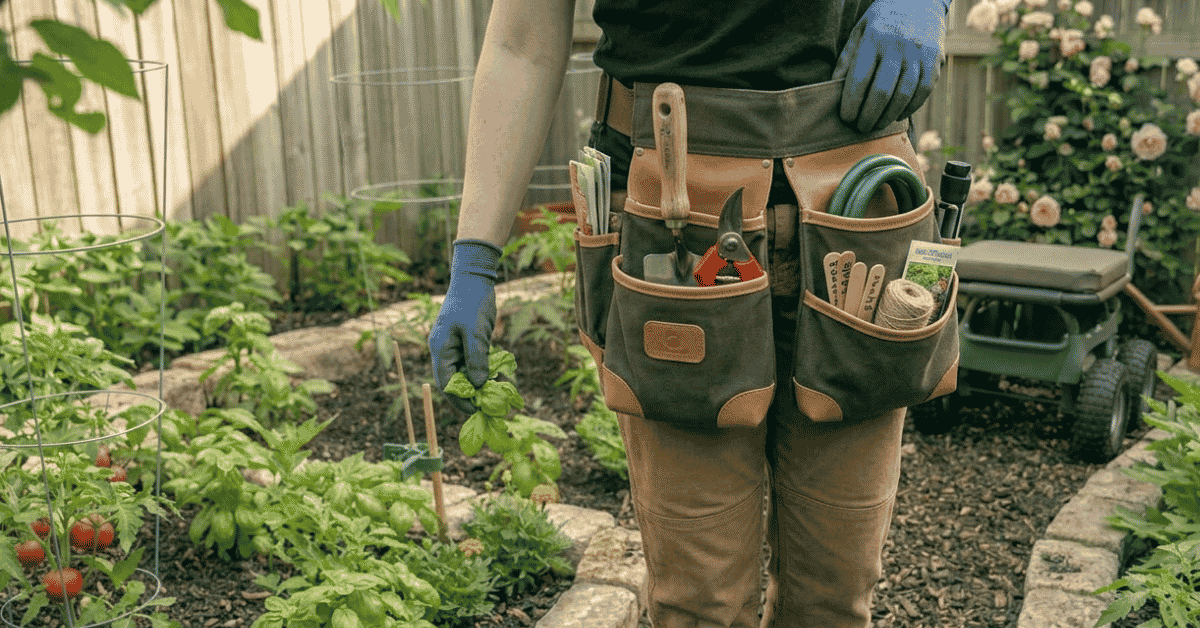
Ever felt like your garden tools scattered everywhere? I get it. That feeling of digging through a messy shed or struggling to find the right trowel makes gardening less fun.
This article is your guide to organizing everything with a simple, yet effective, gardening belt. Let’s get your tools within easy reach!
What Exactly is a Gardening Belt?
So, what’s this “gardening belt” I’m talking about? Imagine a sturdy belt, often made of canvas or leather. It has loops, pockets, and sometimes even special holders.
You wear it around your waist. It’s designed to keep your most-used garden tools right there, attached to you. Think of it as your mobile command center for your yard.
I’ve used one myself for years, especially when I’m doing extensive planting or weeding. It made such a difference in my workflow. Instead of trotting back and forth to the shed, I had my dibber, my small trowel, my snips, and even some seed packets right on me.
It felt really practical.
Why You Need a Gardening Belt
This isn’t just some fancy accessory. There are real, practical reasons to add one to your gardening routine. It saves you time and effort.
Plus, it can make your work safer and more enjoyable.
Hands-Free Convenience
This is the biggest win for me. When I’m out in the garden, my hands are usually busy. They’re holding a plant, pulling a weed, or digging.
Trying to juggle a tool while doing that is a nightmare. A gardening belt frees up my hands. I can just reach down and grab what I need.
It’s like having an extra set of helpful hands. For example, when I’m transplanting seedlings, I need my small trowel and maybe my dibber to make holes. With the belt, I can hold the seedling gently in one hand and grab my trowel with the other, all without putting anything down or searching around.
It’s truly a game-changer for multitasking in the garden.
Essential Tools Always Within Reach
No more searching through bins or drawers! Your most critical tools are right there. This means less mental load and more focus on the task at hand.
I used to spend so much time looking for my favorite secateurs or my garden twine. Now, they have their designated spots on my gardening belt. I know exactly where they are.
This is especially helpful when I’m trying to work quickly or when the light is fading. Everything having its place makes the whole process smoother.
Improved Efficiency and Productivity
When you don’t waste time searching for tools, you get more done. A gardening belt streamlines your process. You can move from one task to the next with ease.
This means you can tackle bigger garden projects or simply enjoy more leisure time because your garden chores are done faster. I’ve noticed I can weed an entire flower bed in half the time. This is because I’m not stopping to go get a different tool.
My hand pruners are on my hip for errant growth, my hand fork for loosening soil around plants, and my trowel for digging out stubborn weeds. This one simple black gardening belt brought a shocking breakthrough to my productivity.
Safety First
Cluttered workspaces can be dangerous. Tripping over tools or reaching for sharp objects in a disorganized pile is an accident waiting to happen. A gardening belt keeps sharp tools secure and out of the way until you need them.
It also prevents you from having to bend down constantly to pick up fallen items. This is a huge benefit for my back, which isn’t as young as it used to be! Keeping tools secured also means they are less likely to get damaged or lost.
Comfort and Ergonomics
Many gardening belts are designed with comfort in mind. They distribute the weight of your tools evenly around your waist, reducing strain on your back and shoulders. This is a big plus for anyone who spends a lot of time gardening.
Some belts have padding or adjustable straps to ensure a good fit. This makes long gardening sessions much more comfortable. I found a padded belt made a world of difference compared to an old canvas one I tried years ago.
It wasn’t digging into my waist.
Types of Gardening Belts
Not all gardening belts are created equal. They come in various styles, materials, and designs to suit different needs.
Simple Tool Belts
These are often basic, sturdy belts with a few loops and pockets. They are great for carrying essential items like a hand trowel, pruners, and a small notebook. They are usually affordable and lightweight.
Multi-Pocket Tool Aprons/Belts
These are more elaborate. They feature numerous pockets of varying sizes. You can carry a wider array of tools, from small hand tools to larger items like a notepad, seed packets, or even a small gardening glove.
Some even have specialized slots for things like a soil knife or a water bottle. I’ve seen some really clever designs that include a holder for a small spray bottle.
Professional Grade Belts
Made from durable materials like heavy-duty canvas or leather, these are built to last. They often have reinforced stitching and robust attachments for heavier tools. These are for the serious gardener who needs something that can stand up to heavy use and carry a significant load.
Learning about the hidden wins of gardening with plastic made me think about durable materials for all my gardening gear.
Material Matters
- Canvas: Durable, often washable, and generally affordable. Good for everyday use.
- Leather: Very strong and durable, develops a patina over time. Can be a bit stiffer initially.
- Nylon: Lightweight, water-resistant, and quick-drying. Good for various weather conditions.
How to Choose the Right Gardening Belt for You
Picking the perfect gardening belt involves thinking about your specific needs and gardening style.
Assess Your Needs
- What tools do you use most often? Make a list. This will help determine the number and size of pockets you’ll need.
- What kind of tasks do you do? Are you mostly weeding, planting, pruning, or a bit of everything?
- How heavy are the tools you carry? This will influence the material and construction you need.
Consider Comfort and Fit
- Adjustability: Can you adjust the belt to fit snugly but comfortably?
- Padding: Does it have any padding to prevent it from digging into your waist?
- Weight: A heavy belt with few tools can be just as uncomfortable as a light belt with too many.
Durability and Material
- Reinforcement: Look for reinforced stitching in areas that will see a lot of stress.
- Weather Resistance: If you garden in wet conditions, a water-resistant material is a good choice.
Pockets and Compartments
- Variety: Do you need a mix of large and small pockets?
- Specialty Holders: Are there any specific holders for tools you use frequently, like a trowel or snips?
Personal Style
While function is key, you also want something you’ll enjoy wearing. Some belts come in various colors or have stylish designs.
Getting the Most Out of Your Gardening Belt
Once you have your belt, there are a few tricks to using it effectively.
Organize It Before You Go Out
Spend a minute organizing your tools in the belt before you head into the garden. Place your most frequently used items in easily accessible pockets. This saves you fumbling around when you’re in the middle of a task.
Don’t Overload It
It’s tempting to try and carry everything. But an overloaded belt can be uncomfortable and difficult to manage. Stick to the essentials for the task at hand.
You can always grab another tool if you truly need it. Carry only what you anticipate needing for the next hour or so of work.
Keep It Clean
After use, give your belt a quick wipe down. Remove any dirt or debris. If it’s washable, clean it periodically.
This will help it last longer and keep your tools from getting grimy. Black gardening belts can work yard work magic when they are kept clean and well-maintained.
Regular Tool Maintenance
A gardening belt is a great place to store your tools, but it’s also important to keep the tools themselves in good condition. Clean them after each use, sharpen them when needed, and oil them to prevent rust. This ensures they perform well and last a long time.
My trowel always stays sharp, and my snips cut cleanly thanks to this habit.
Alternatives to a Gardening Belt
While I’m a big fan of gardening belts, I know they aren’t for everyone. Here are a few alternatives you might consider.
Tool Aprons
Similar to a belt, but they cover more of your torso. They often have many pockets and straps for carrying tools. Some gardeners prefer this extra coverage and the spread of weight across their front.
Tool Vests
These are like vests with built-in pockets and loops. They distribute weight across your shoulders and chest. Good for carrying a lot of gear without putting all the weight on your waist.
Small Buckets or Caddies
For tasks where you’re staying in one spot, like potting up plants, a small bucket or a garden caddy can hold your tools. You can have everything within reach without wearing anything. A 5-gallon bucket can be a smart growing hack for many uses, including tool storage.
Dedicated Tool Bags
These are larger bags designed to hold a comprehensive set of garden tools. Great for storing tools in the shed or transporting them, but not ideal for keeping them on your person while actively gardening.
My Personal Experience with a Gardening Belt
I remember one particularly hot summer day. I was trying to deadhead a huge rambling rose bush. It had thorns everywhere, and I needed my long-handled pruners, my smaller snips for finer work, and thick gloves.
I also needed to collect the pruned branches. Before I got my gardening belt, I’d have had to constantly go back to the shed. I’d have probably scratched myself getting tangled in the branches while trying to hold too much.
With the belt, my snips were on my hip, ready for stray stems. My gloves went into a large pocket when I needed my bare hands to pull off larger dead blooms. The pruned branches I could gather in my arms as I worked my way around.
It saved me so much frustration. It wasn’t just about carrying tools; it was about making a difficult job manageable and even a little bit satisfying. It felt like I was really in control of my garden space.
Frequently Asked Questions
How do I choose the right size gardening belt?
Measure your waist where you want the belt to sit. Ensure it has enough adjustment for a snug, comfortable fit.
Can I wash a gardening belt?
Check the care label. Many canvas belts can be hand-washed or machine-washed on a gentle cycle. Leather belts typically need spot cleaning.
What are the best tools to keep on a gardening belt?
Focus on your most frequently used hand tools: trowel, hand fork, pruners, snips, a soil knife, and perhaps a small notebook and pen or seed packets.
Are gardening belts comfortable for long periods?
Yes, if you choose one with good padding and adjust it properly. Avoid overloading it to maintain comfort.
Where can I buy a good gardening belt?
Look at garden centers, hardware stores, online retailers, and specialized gardening supply websites.