
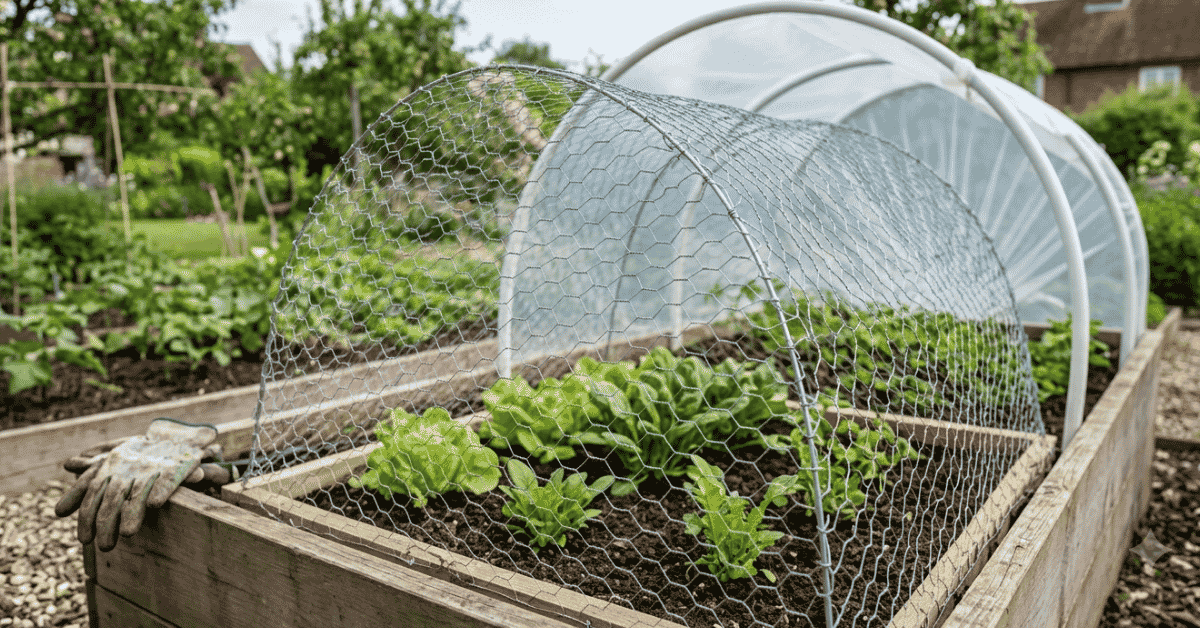
I’ve relied on chicken wire for years to keep my garden thriving. It’s a simple, classic tool that’s surprisingly versatile, and honestly, a game-changer for any gardener. This article dives deep into why this humble wire mesh is an absolute must-have.
Let’s make your garden the best it can be!
Why Do I Need Chicken Wire for Gardening?
You might be asking yourself, “Why chicken wire?” I get it. It sounds like something for farms, not my neat little backyard plot. But trust me, I’ve seen it work wonders.
Think of it as your garden’s personal bodyguard. It protects your precious plants from all sorts of garden critters. Rabbits are notorious for munching up lettuce.
Squirrels love to dig around where you’ve just planted seeds. And don’t even get me started on deer if you live closer to the woods. Chicken wire creates a physical barrier that sends them packing.
It’s not just about veggies, either. It can protect your flowers from being trampled or nibbled by hungry animals. For me, it was that one year the rabbits decimated my entire pea crop.
I felt so defeated. That’s when I learned about using chicken wire, and it completely turned things around. My peas grew tall and strong that next season, untouched.
It’s a simple fix, truly. It saves so much disappointment and wasted effort. Imagine harvesting all your hard-earned produce, not just what the local wildlife leaves behind.
That’s the real power of chicken wire for your gardening dreams. If you’re looking to secure your plot, this simple garden staple could be the answer.
Protecting Plants from Pests
Chicken wire does a fantastic job of keeping away common garden invaders. Its small mesh size is perfect for stopping smaller pests, while its strength deters larger ones.
Deterring Critters from Your Veggies
Rabbits are a big one. They’ll eat anything green in sight. I’ve had them go after my tender tomato seedlings and my juicy strawberries.
A simple fence made of chicken wire, sunk a few inches into the ground, stops them dead in their tracks. They can’t chew through it, and they find it too difficult to push through. Squirrels are another challenge.
They love to dig up freshly planted seeds or even unearth bulbs. A loose layer of chicken wire spread over newly sown areas can really help. It makes the digging process a lot harder for them.
If they can’t get to the seeds easily, they usually give up and move on to an easier meal. It’s a humane way to protect your efforts. I remember one spring, I was planting my carrots, and within hours, it looked like a rodent rave had happened.
Dug up and scattered everywhere. After installing some wire, my carrot harvests became consistently successful.
Guarding Your Flowers and Shrubs
It’s not just vegetables that need protection. Beautiful flowers can be appealing snacks for deer or even just clumsy pets. If you have a prized rose bush or delicate hostas, chicken wire can be a lifesaver.
You can create simple cages around them, especially when they are young and most vulnerable. This keeps them safe from being nibbled or trampled. Sometimes, even just a barrier around the base of a young tree can prevent deer from rubbing their antlers on the bark, which can seriously damage or kill the tree.
I once saw a beautiful young apple tree completely stripped of its bark by deer. It was heartbreaking. Now, I always use chicken wire around young fruit trees in my yard as a precaution.
Using Chicken Wire for Structural Support
Beyond just protection, chicken wire is surprisingly good at giving your plants the support they need to grow strong and healthy.
Supporting Climbing Plants
Tomatoes are a prime example. They need support as they grow tall and heavy with fruit. While bamboo stakes are great for smaller plants, tomatoes often need something more robust.
I’ve used chicken wire to create A-frame trellises or simple cylinder cages around my tomato plants. The vines can easily climb up the wire mesh, and it holds them upright. This keeps the fruit off the ground, which reduces rot and makes harvesting much easier.
Plus, good air circulation around the fruit helps prevent diseases. It also makes your garden look tidier, which I personally love! I’ve built quite a few of these over the years, and they really hold up.
Creating Seedling Protection Cages
When you first plant seedlings, they are fragile. They need protection from wind, heavy rain, and those same critters we discussed. You can create small, easily removable cages using chicken wire for your seedlings.
Just form a cylinder and stake it into the ground around the plant. This provides a mini-greenhouse effect and keeps the delicate young plants safe until they are a bit stronger. It’s a simple step that can significantly improve seedling survival rates.
I used to lose so many young peppers to late frosts or unexpected hailstorms before I started using these little cages.
Building Trellises and Garden Structures
Chicken wire isn’t just for protection; it’s a fantastic material for creating structures that make your garden more productive and enjoyable.
DIY Trellises for Vining Crops
Vining crops like cucumbers, beans, and peas absolutely thrive with a good trellis. Chicken wire makes building these incredibly simple and inexpensive. You can stretch it between posts to create a fence they can climb, or form it into arches.
I’ve made simple lean-to trellises where I lean chicken wire against a wall or a fence. The plants grow up and over it, creating a beautiful cascade of leaves and fruit. This maximizes your vertical gardening space, which is a blessing in smaller yards.
Honestly, seeing those pea tendrils start to grip the wire is such a satisfying moment. It’s a clear sign of success. A quick tip: Burying the bottom edge of your trellis can also deter burrowing pests from getting underneath.
Compost Bin Walls
Composting is essential for a healthy garden, but sometimes those compost piles can get a bit unruly. Chicken wire can be used to form the walls of a simple compost bin. You just create a cylinder or a square shape with the wire, no fancy construction needed.
This allows for excellent air circulation, which is vital for proper composting to break down your kitchen scraps and yard waste efficiently. It’s a quick, easy, and affordable way to manage your compost. I’ve built a couple of these for my garden, and they’re still going strong after several seasons.
Here’s a quick look at how chicken wire stacks up for some common garden uses compared to other materials:
| Feature | Chicken Wire | Bamboo Stakes | Metal Fence Posts |
|---|---|---|---|
| Cost | Very Low | Low | Medium to High |
| Durability | Good (1-5 years depending on galvanization) | Moderate (can rot or break) | Very High |
| Ease of Use | Very Easy to cut and shape | Easy to set, can bend | Requires tools, harder to work with |
| Pest Deterrence | Excellent (small mesh) | None | Excellent |
| Support Level | Good for vining plants | Good for individual plants | Excellent for large structures |
| Flexibility | High (can form curves) | Low | Low |
Installation Tips for Maximum Effectiveness
Getting chicken wire set up correctly is key to making it work its best for you in the garden. It’s not complicated, but a few steps make a big difference.
Burying the Wire
For pest deterrence, especially from burrowing animals like moles or groundhogs, burying the bottom edge of your chicken wire fence is crucial. I usually dig a shallow trench about 4-6 inches deep and place the bottom of the wire in it. Then, I backfill the soil over it.
This creates a subterranean barrier that they can’t dig under. It’s amazing how determined some critters are to get into your garden, and this simple step foils many of their plans. You can even bend the submerged part of the wire outwards to create an “L” shape underground, making it even harder to tunnel past.
I learned this trick after a particularly persistent gopher kept finding its way into my potato patch.
Securing the Wire Tightly
Loose chicken wire isn’t as effective. When you’re making a fence or a support, make sure you pull the wire taut. You can use stakes, posts, or even existing structures like fences to attach it securely.
I like using galvanized U-nails or hog rings to fasten it to wooden posts. For temporary cages, sturdy garden stakes work well. The tighter it is, the stronger the barrier it forms against pests and the better support it gives your plants.
I’ve found that a wobbly fence just invites trouble. The plants can lean on a taut wire structure without issue, but a loose one can flop over.
Choosing the Right Gauge and Mesh Size
Chicken wire comes in different thicknesses (gauge) and opening sizes (mesh). For general pest protection against rabbits and birds, a standard 1-inch mesh is usually sufficient. If you have larger animals like deer or raccoons to contend with, you might need a stronger, heavier gauge wire with a smaller mesh, or you may need to reinforce it.
For delicate seedlings, a finer mesh might be better. I usually opt for a medium gauge, around 19-20 gauge, for general use. It’s strong enough for most tasks but still easy enough to cut and manipulate.
The key is to match the wire to the specific problem you’re trying to solve in your garden.
Alternatives and When to Use Them
While chicken wire is fantastic, there are other options out there, and sometimes they’re a better fit.
When to Consider Other Materials
Sometimes, chicken wire just isn’t the right tool for the job. If you have very large animals, like deer or bears, you’ll need a much stronger, taller, and more robust fencing. For these situations, woven wire fencing or even electric fencing might be necessary.
Also, if you’re building a very large, permanent structure like an elaborate arbor, you might use more rigid welded wire mesh. For very small or delicate plants, a finer mesh might be preferable, though fine mesh options can be more expensive. I once tried to use chicken wire for a big dog run, and it just wasn’t strong enough.
I had to switch to a heavier gauge mesh for that.
When is Chicken Wire the Winner?
Chicken wire truly shines when you need a versatile, affordable, and easy-to-use solution for common garden problems. It’s perfect for protecting against rabbits, squirrels, and smaller birds. It’s excellent for creating simple trellises and supports for tomatoes, beans, and peas.
For most home gardens, where the main concern is smaller pests and providing basic plant support, chicken wire is often the most practical and cost-effective choice. It’s a staple in my shed for a reason! It’s incredibly adaptable for this type of yard protection.
Common Questions About Chicken Wire in the Garden
What size mesh is best for keeping out rabbits?
A 1-inch mesh is generally excellent for deterring rabbits. Its small openings make it difficult for them to get through. Learn more about…
How deep should I bury chicken wire to stop burrowing animals?
Burying it 4-6 inches deep is usually sufficient to stop most burrowing pests. Learn more about…
Can chicken wire rust?
Yes, standard chicken wire can rust over time, especially if not galvanized. Look for galvanized options for longer life. Learn more about…
Is chicken wire safe for organic gardening?
Yes, it’s very safe for organic gardening. It’s a physical barrier and doesn’t affect soil or plant health directly. Learn more about…
How do I cut chicken wire easily?
Heavy-duty wire cutters or tin snips are the best tools for safely and easily cutting chicken wire. Learn more about…