Tired of struggling with soil? Want your plants to thrive? Fork gardening might be your secret weapon.
Discover how this simple tool transforms your garden. Get ready for healthier plants and less backache.
What is Fork Gardening?
Fork gardening means using a gardening fork, not just for digging, but for lots of garden tasks. I’ve used my trusty fork for years. It’s more than just a tool.
It’s my go-to for aeration, loosening soil, and even moving light materials. It feels solid in my hands. It makes hard work feel a bit easier.
It’s great for breaking up tough clumps of earth. I find it much better than a shovel for certain jobs. It gets down into the soil without disturbing it too much.
My back thanks me for it.
The All-Around Garden Helper
My gardening fork does so much more than I first thought. I used to think it was just for turning compost. But I was so wrong.
It’s become my favorite multi-tool in the garden. It’s strong. It’s versatile.
It gets the job done. That’s what I love about it.
Why a Garden Fork is a Game Changer
I used to dread breaking new ground. The soil was always so packed. My old shovel just skimmed the surface.
Then I got a good garden fork. It was a revelation. Those strong tines pierce through the hardest soil.
They lift and loosen it. This lets air and water in. Your plants will thank you for it.
It makes a huge difference to root growth. I’ve seen it myself.
More Than Just Digging
Many people think a fork is only for digging. That’s not true at all. You can use it to move mulch.
You can use it to break up clods of soil. You can even use it to aerate your lawn. It’s a tool for many jobs.
What Can a Garden Fork Do For My Garden?
A garden fork is a powerhouse tool. It can truly improve your soil and your plants’ health. It’s not just for the heavy lifting.
It does delicate work too. My experience shows it’s invaluable.
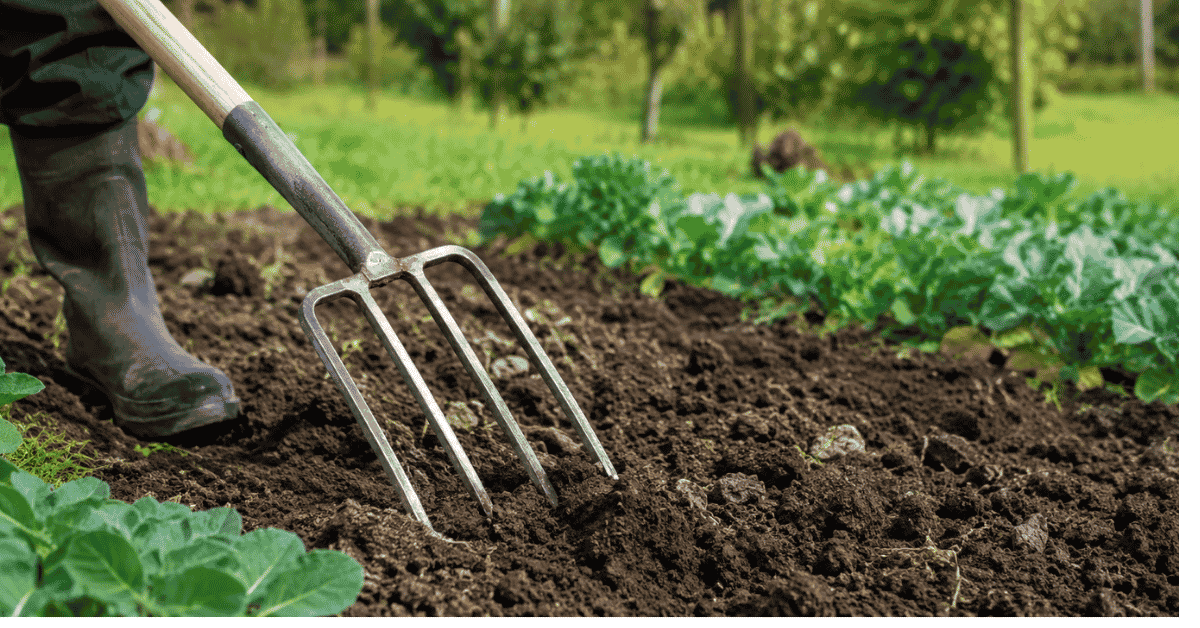
Loosening Compacted Soil
This is where a fork really shines. When soil gets stomped on or rained on hard, it packs tight. Roots can’t grow well.
Water can’t soak in. You can push a fork into the ground. Then you wiggle it around.
This lifts the soil without turning it over completely. It creates air pockets. This is amazing for plants.
It’s like giving them a deep breath. I do this every spring. It wakes up my beds.
I’ve linked to a great read on tool benefits. [this article]
Aerating Soil and Lawns
Soil needs air. Plants breathe through their roots. Compacted soil chokes them.
Poking holes with a fork lets air in. This is called aeration. I aerate my garden beds before planting.
I also aerate my lawn. It helps grass grow thicker. It makes the soil healthier overall.
It’s a simple step for big results.
Turning Compost and Manure
Compost piles get hot and can get dense. Turning them helps them break down faster. A fork is perfect for this.
Its tines grab the material. They lift and turn it. This mixes it up.
It adds air for the microbes. Moving compost feels less messy with a fork. It grabs material without making a huge pile of dust.
Weeding and Deeper Root Removal
Some weeds have deep taproots. A shovel might miss them or break them off. I use my garden fork to dig around tough weeds.
I can get the fork deep next to the root. Then I gently lever it up. This pulls out the weed and its main root.
I’ve had great success removing stubborn dandelions this way.
Moving Mulch and Bulky Materials
Mulch can clump together. Moving it with a shovel can be awkward. A fork lifts it easily.
You can scoop about half a cubic foot of mulch onto the tines. Then you carry it where you need it. It works for straw and shredded leaves too.
Even light stones are easier to move a short distance with a fork.
Types of Garden Forks and What They’re Best For
Not all garden forks are the same. They have different designs for different tasks. Knowing the types helps you pick the right one.
The Traditional Digging Fork
This is the most common type. It has four strong, square or flat tines. They are usually about 10-12 inches long.
The handle can be wood or metal. This is the best all-around fork for my needs. It’s strong enough for tough soil.
It’s not too heavy to use for long periods. This is the fork I reach for most often.
The Border Fork
These forks are smaller. They have shorter handles and tines. They are designed for working in tight spaces.
Think of narrow garden beds or around delicate plants. I use my border fork when I’m planting in raised beds. It’s less likely to damage plants.
It’s easier to maneuver. It feels less aggressive.
The Spading Fork
A spading fork looks a bit like a digging fork. But its tines are flatter and sharper. It’s designed to cut through roots and tough soil.
It’s also good for turning over sod. I’ve used a spading fork when I’m preparing a new bed that’s overgrown. It cuts through grass roots like butter.
It’s a more aggressive tool than a regular digging fork.
Leaf or Pitch Fork
These forks are much wider. They have many long, thin tines. They are designed for moving light, bulky materials like leaves or hay.
I wouldn’t use this for digging but it’s great for cleaning up. It scoops up a lot of leaves at once. It’s good for gathering bedding for animal pens too.
Choosing the Right Garden Fork
Picking out a fork can feel overwhelming. But it’s about finding what fits you and your garden. I always suggest trying tools out if you can.
Handle Material Matters
Handles are usually wood, fiberglass, or metal. Wood feels classic and comfortable to me. But it can break if you’re too rough.
Fiberglass is strong and lightweight. It doesn’t splinter. Metal handles are very durable.
But they can get hot or cold depending on the weather. I prefer a wooden handle. It just feels right in my hands.
Tine Type and Strength
Tines can be round, square, or flat. Square tines are very strong. They dig well into hard soil.
Flat tines are good for slicing through sod. Round tines can be easier on the soil. The width between tines is also important.
Wider gaps let more soil fall through. This is good for moving mulch.
Weight and Balance
A good fork should feel balanced. It shouldn’t be too heavy. You’ll be lifting it a lot.
I pick up a fork to see how it feels. Does it feel comfortable in my grip? Can I swing it easily?
It should feel like an extension of my arm.
Here’s a quick comparison of common fork types:
| Fork Type | Best For | Tine Shape | Handle Length |
|---|---|---|---|
| Digging Fork | General soil loosening, aeration | Square or Flat | Standard |
| Border Fork | Tight spaces, delicate plants | Square or Flat | Short |
| Spading Fork | Cutting sod, tough roots, breaking new ground | Flat and Sharper | Standard |
| Leaf/Pitch Fork | Moving light, bulky materials (leaves, hay) | Thin and Numerous | Long |
How to Use Your Garden Fork Effectively
Using a fork correctly makes your work easier and protects your back. It’s all about technique.
Proper Digging Technique
When you dig, stand with your feet shoulder-width apart. Keep your back straight. Bend your knees.
Push the fork tines into the soil with your foot. Then, use your body weight to push down. Lift your arms slightly.
Wiggle the fork to loosen the soil. Don’t over-reach. Move your feet forward instead.
This saves your back a lot of strain. I learned this the hard way. My back used to ache after gardening.
Now it’s much better.
Aerating with Your Fork
For aeration, simply push the fork tines into the soil about 6-8 inches deep. Wiggle it back and forth gently. Don’t lift large chunks of soil.
You just want to make holes. Move the fork a few inches over and repeat. I usually do this in a grid pattern.
It gives good coverage. It really helps water drain. This is a simple trick for healthier plants.
It’s a breakthrough for drainage. [This article] has more on this.
Moving Materials with a Fork
When moving mulch, scoop it onto the tines. Don’t try to get too much at once. Carry it close to your body.
If you’re moving large piles, take smaller loads more often. This is much safer. It prevents accidental spills and strain.
I use my fork to move compost. It’s much more efficient than a spade for that.
Maintaining Your Garden Fork for Longevity
Keep your fork clean and sharp. It will last for years. Good maintenance means good performance.
Cleaning After Use
Always clean your fork after each use. Brush off any dirt or mud. Wash it with water if needed.
Dry it thoroughly. This prevents rust. Rust weakens the metal.
It can make your fork less effective. I wipe mine down with an old rag. It takes two minutes.
Sharpening the Tines
If your tines get dull, they won’t dig as well. You can sharpen them with a metal file or a sharpening stone. Only do this if they are genuinely dull.
Over-sharpening isn’t necessary for most garden tasks. I only check mine once a year. It usually keeps its edge well.
Storing Your Fork
Store your fork in a dry place. A shed or garage is good. Hang it up if possible.
This keeps it out of the way. It also prevents the handle from rotting if it’s wood. Keeping it dry is the most important part.
Is a Garden Fork Right For You?
I believe every gardener can benefit from a good garden fork. It’s not just for heavy-duty digging. It’s a tool that makes many garden tasks simpler and more effective.
You’ll find yourself reaching for it more often than you expect. It improves soil health drastically. It can even save your back.
The Benefits in a Nutshell
- Easier Soil Loosening: Breaks up compacted soil effectively.
- Better Aeration: Lets air and water reach plant roots.
- Versatile Use: Great for composting, weeding, and moving materials.
- Back-Saving: Proper technique reduces strain.
- Improved Drainage: Helps prevent waterlogged soil.
I’ve seen firsthand how using a fork makes my garden thrive. It’s a tool that pays for itself in healthier plants and less effort. It’s fantastic for soil aeration, which is crucial.
[This article] talks about black tools, but the principles apply to any good tool.
When a Shovel Might Be Better
A shovel is better for moving large volumes of loose material. It’s also good for digging deep, narrow holes. For general turning of soil where you need a flatter surface, a shovel might be your first pick.
But for breaking down hard ground, a fork is superior. They really are different tools for different jobs. Sometimes I use both.
I might loosen areas with a fork, then use a shovel to move the loosened soil. These tools complement each other.
Frequently Asked Questions About Fork Gardening
What is the main purpose of a garden fork?
Its main purpose is to loosen soil, aerate beds, and turn compost. It works well in tough spots.
Can a garden fork replace a shovel?
No, they are different tools. A shovel moves more material. A fork excels at breaking up and aerating tough soil.
Learn more about choosing garden tools.
How do I prevent my garden fork from rusting?
Clean and dry your fork after each use. Store it in a dry place. Learn more about tool maintenance.
Is fork gardening good for clay soil?
Yes, fork gardening is excellent for clay soil. It helps break up compaction and improve drainage greatly. Learn more about soil types.
What is the most durable handle material for a garden fork?
Fiberglass and metal are generally the most durable. Wood can be comfortable but requires more care. Learn more about garden tool materials.