
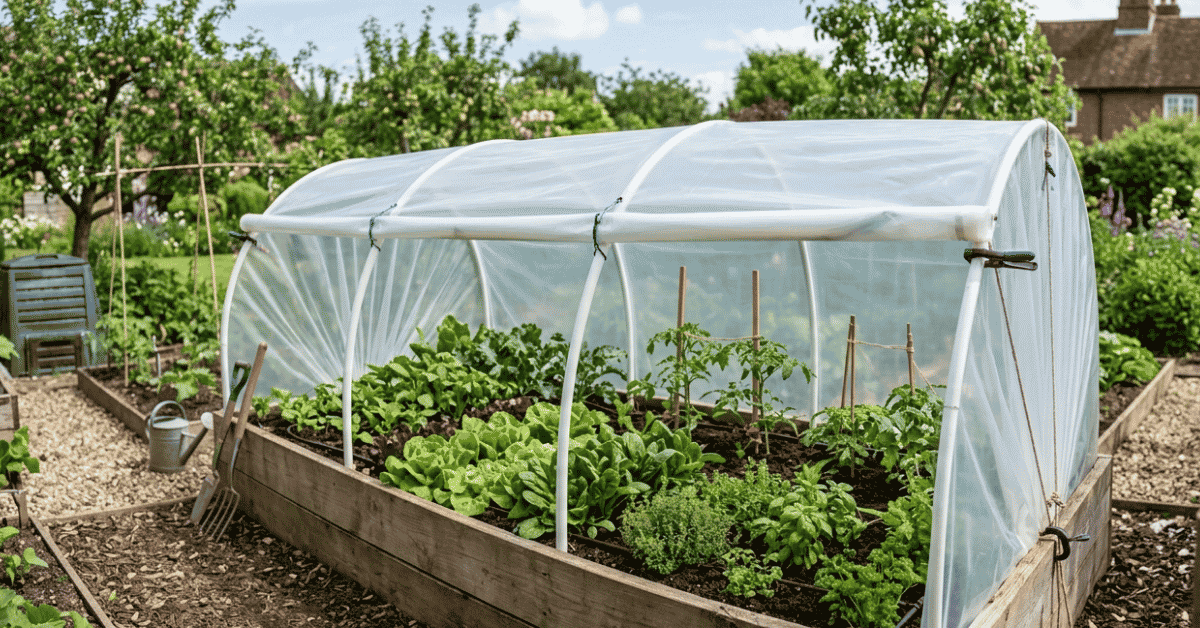
You’ll love these hoop raised bed gardens for easy veggies. My own plot has never looked better! Find out why this simple setup makes a huge difference for any gardener.
Why Choose Hoop Raised Bed Gardening?
I used to struggle with my garden beds. Weeds were everywhere. Plants didn’t get enough sun.
Then I discovered hoop raised bed gardening. It changed everything for me. It’s a simple way to grow more food with less work.
It really makes a big difference.
What Exactly IS Hoop Raised Bed Gardening?
Think of a raised garden bed. Now imagine it topped with hoops. These hoops create a frame.
You can cover it with plastic or netting. This protects your plants. It also helps them grow faster.
It’s like a mini greenhouse for your veggies. I’ve found it’s perfect for getting an early start. It also helps extend the growing season.
My tomatoes are still producing in late fall thanks to this.
My Personal Journey with Hoop Raised Beds
Last spring, I felt totally overwhelmed. My usual garden space was a mess. I had so many weeds.
The soil was compacted. I was thinking about giving up. Then, I remembered seeing hoop raised beds online.
I decided to try building one. It was much easier than I expected. I took some PVC pipes and bent them into arches.
I secured them into the sides of my existing raised bed. Then I draped some old plastic over them. It was a little drafty, but it worked!
My seeds sprouted much quicker. Nothing was nibbled by bugs. It felt amazing.
Finally, I was growing healthy plants. It truly saved my gardening year. I’ve since upgraded to more sturdy hoops.
I love how you can adapt them.
The Benefits I’ve Seen
Hoop raised beds offer a lot of perks. The protection they give is a big one. Frost can damage young plants.
Animals love to munch on tender greens. The hoops and covering stop all that. My little carrot tops stayed safe.
My lettuce grew strong.
Another bonus is the environment inside. The covering traps heat and moisture. It makes a perfect growing bubble.
This means things grow faster. I planted peas a full two weeks earlier than last year. They are already climbing their trellis.
Drainage is also better. Raised beds naturally drain well. The hoops help keep heavy rain from waterlogging the soil.
My soil stays light and airy. This is key for root growth. My potatoes are doing much better this year.
Less bending is a nice perk too. Raised beds are higher off the ground. You don’t have to stoop as much.
This is a lifesaver for my back. I can work in my garden for longer periods. Weeding is also less of a chore.
Are There Any Downsides?
Now, I wouldn’t be honest if I said it was perfect. There are a few things to consider. First, the cost.
You need the materials for the bed itself. Then you need the hoops and the covering. For me, it was worth the small investment.
But it’s more than just digging a hole in the ground.
You also need to think about ventilation. If you trap too much heat and moisture, you can get fungus. I learned this the hard way.
My basil got powdery mildew. Now, I make sure to open it up on warm days. I lift the edges of the plastic.
It’s easy to do.
The structure can also be damaged. Strong winds can be tough on hoops. I use sturdy, anchored hoops now.
This helps a lot. But you still need to be mindful of the weather.
Building Your Own Hoop Raised Bed Garden
Creating your own hoop raised bed garden is quite rewarding. It doesn’t take a lot of skill. It’s a project you can do in an afternoon.
Materials You’ll Need
Gathering your supplies is the first step. It makes building much smoother.
- Raised Bed Frame: You can use wood, metal, or even stackable planters. I started with scrap lumber.
- Hoops: PVC pipes are popular and affordable. Metal conduit is sturdier. You can even use flexible garden stakes.
- Connectors: For PVC, you’ll need elbows or T-fittings if you want a more complex frame. For other materials, you might use pipe clamps or wire.
- Covering: Reemay cloth, plastic sheeting, or netting work well. Choose based on your needs. Frost protection needs heavier plastic. Insect netting needs a finer mesh.
- Securing Method: Rebar stakes can hold PVC hoops firmly. You might use stakes for other hoop types.
Step-by-Step Construction Guide
Let’s get building. This is the fun part!
- Prepare Your Bed: Make sure your raised bed is ready. Clear out any old debris. Ensure it’s on level ground.
- Shape Your Hoops: If using PVC, cut your pipes to the desired length for the arch. Bend them into a U-shape.
- Install Hoops: Drive rebar stakes into the soil along the sides of your bed. The stakes should be spaced evenly. Slide the PVC hoops over the rebar. Make sure they are secure. You want them upright.
- Add Your Covering: Drape your chosen material over the hoops. Let it hang down the sides. Secure the edges. You can use rocks, bricks, or garden staples. You need it tight but not so tight it tears.
- Ventilation Access: Make sure you can easily lift or open the covering. This is crucial for airflow.
Choosing the Right Covering
The covering you pick really matters. It controls your mini-environment.
- Clear Plastic Sheeting: This is great for warmth. It traps heat effectively. Use it for early spring planting. It’s good for keeping frost out. Be sure to vent it on sunny days.
- Floating Row Covers (Reemay): This fabric breathes. It allows air and water through. It offers some frost protection. It also keeps out many insects. It’s a good all-around choice.
- Insect Netting: This has a finer mesh. It keeps out most flying pests. It doesn’t offer much warmth. It’s good for deterring cabbage moths. Or those annoying flea beetles.
Here’s a quick look at some common approaches:
| Feature | PVC Hoops with Plastic | Metal Hoops with Reemay | Bamboo Stakes with Netting |
|---|---|---|---|
| Cost | Low | Medium | Low – Medium |
| Durability | Good | Very Good | Good |
| Warmth | High | Medium | Low |
| Pest Control | Insect Control (basic) | Good Insect Control | Excellent Insect Control |
| Ease of Setup | Easy | Medium | Easy |
| Ventilation | Needs manual opening | Good natural airflow | Good natural airflow |
What to Grow in Your Hoop Raised Bed
Almost anything can thrive in a hoop raised bed. But some crops really shine.
Early Season Winners
These are the plants that benefit most from the extra warmth and protection.
- Leafy Greens: Spinach, lettuce, arugula, and kale sprout fast. They love the cooler spring air but need protection from frost.
- Root Vegetables: Carrots, radishes, and beets get a head start. The loose soil in raised beds is perfect for them.
- Peas and Beans: These love to climb. The hoops can provide early support. They grow much faster when protected.
Mid-Season and Beyond
As the season heats up, you can continue to use your hoop system.
- Tomatoes and Peppers: They need warmth to produce. A hoop house helps them ripen faster.
- Cucumbers and Melons: These vining plants can appreciate early season protection and support.
- Herbs: Many herbs grow well. Basil, parsley, and cilantro benefit from a bit of shelter.
Keeping Pests Away
My favorite part is the pest control. I used to fight off slugs and beetles constantly. Now, they find it much harder to get in.
The barrier is so effective. I’ve seen a huge reduction in damage. It makes a real difference to crop yield.
I found that https://gardeningtipsideas.com/this-simple-gard…ck-saved-my-plot/ was instrumental in helping me figure out how to keep critters out.
Maintaining Your Hoop Raised Bed Garden
Keeping your hoop garden in top shape is simple. A little attention goes a long way.
Watering and Ventilation
Remember that trapped moisture? You need to manage it. On warm, sunny days, open up the sides of your hoop structure.
Let the air circulate. This prevents fungal diseases. Water your plants deeply but less often.
The soil in raised beds dries out faster. Check the moisture with your finger. If the top inch is dry, it’s time to water.
Another great tip I learned was in https://gardeningtipsideas.com/this-strange-gar…k-saved-my-crops/. It explained how to gauge humidity inside your structure.
Hoop and Cover Care
Check your hoops regularly. Make sure they are still secure. If they look wobbly, reinforce them.
Clean your covering material occasionally. Dirt can block sunlight. You can use a mild soap and water.
Gently rinse it off.
Soil Health
The soil in raised beds can deplete over time. Amend it each season. Add compost or well-rotted manure.
This keeps your soil rich and your plants happy. This is a crucial step I learned from https://gardeningtipsideas.com/this-simple-gard…sy-backyard-plot/.
Frequently Asked Questions
Is a hoop raised bed good for beginners?
Yes, hoop raised beds are beginner-friendly. They offer protection and extend the growing season with simple setup. Learn more about easy gardening.
Can I use hoops on an existing raised bed?
Absolutely! You can easily adapt most existing raised beds to accommodate hoops. It’s a great way to improve your current garden.
Find out how to do it.
What is the best way to secure hoop supports?
Using rebar stakes driven into the ground is a common and effective method. It provides stability for PVC or metal hoops. Discover more garden hacks.
How often should I ventilate my hoop garden?
Ventilate on warm, sunny days to prevent overheating and fungal issues. Lifting the edges or opening flaps works well. Explore gardening tips.
What plants do best in a hoop raised bed?
Leafy greens, root vegetables, peas, beans, tomatoes, and peppers generally do very well. They benefit from the controlled environment. Read about high-yield crops.