
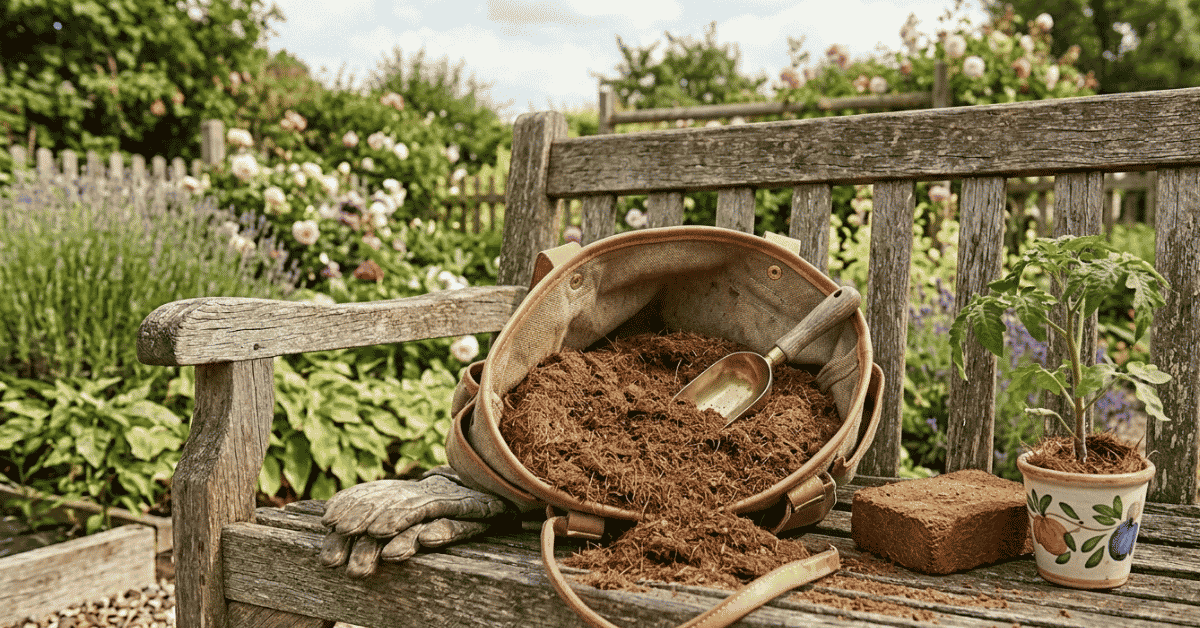
Coconut coir for gardening boosts soil health, holds water well, and helps roots thrive. Learn how to use it for stronger plants today.
I first tried coconut coir for gardening on a hot summer weekend. My pots dried out fast. I felt like I watered them all day. A friend suggested coconut coir. I mixed it into my soil and hoped for the best. Within weeks, my plants looked happier. The soil stayed moist longer. Since then, I have used it in containers, raised beds, and seed trays. Here is what I learned.
Is Coconut Coir for Gardening Worth It?
Yes. In my experience, coconut coir for gardening is one of the most useful soil amendments available.
The first thing I noticed was better moisture control. My plants needed less frequent watering. The soil also felt lighter and easier to work with.
Benefits include:
- Better water retention
- Improved air flow
- Healthier roots
- Cleaner growing medium
- Sustainable garden use
It is not perfect for every situation, but it works very well in many gardens.
What Is Coconut Coir for Gardening?
Many gardeners hear about coconut coir but are unsure what it is.
Coconut coir comes from coconut husks. It is a natural fiber left behind after processing coconuts.
How Coconut Coir Is Made
The husks are processed and broken down into fibers.
These fibers become:
- Coir blocks
- Coir bricks
- Loose coir
- Potting mix ingredients
When water is added, compressed coir expands into a fluffy growing medium.
The first time I hydrated a coir brick, I was amazed by how much it expanded.
Why Gardeners Use It
Plants need both water and oxygen.
Coconut coir helps provide both.
It supports:
- Moisture retention
- Root growth
- Soil structure
- Seed starting
This balance makes it useful for many gardening tasks.
Benefits of Coconut Coir for Gardening
There are several reasons why gardeners love coconut coir.
Holds Moisture Well
This is the biggest benefit I have seen.
Coir absorbs water and releases it slowly.
This helps:
- Reduce watering frequency
- Prevent dry soil
- Support plant growth
During hot weather, this feature becomes especially valuable.
Improves Soil Aeration
Roots need air to grow.
Dense soil can limit oxygen flow.
Coconut coir creates air pockets that improve:
- Root development
- Water movement
- Soil texture
Plants often respond with stronger growth.
Works Well for Seed Starting
I now use coir for many seedlings.
Benefits include:
- Light texture
- Good moisture balance
- Easy root growth
Young roots spread easily through the material.
Sustainable and Renewable
Unlike some growing materials, coconut coir comes from a renewable source.
Many gardeners appreciate this environmental benefit.
It makes good use of a product that might otherwise become waste.
Types of Coconut Coir for Gardening
Not all coir products are identical.
Knowing the differences helps you choose wisely.
Coir Bricks
These are compact and easy to store.
Pros:
- Space saving
- Lightweight
- Easy transport
Cons:
- Need water before use
This is the form I buy most often.
Loose Coconut Coir
This comes ready to use.
Pros:
- Convenient
- No soaking required
Cons:
- Takes more storage space
It works well for gardeners who want quick access.
Coir Chips
These are larger pieces of coconut husk.
Pros:
- Excellent drainage
- Good air flow
Cons:
- Lower water retention
Many orchid growers prefer coir chips.
Coir Fiber
This type contains longer fibers.
Pros:
- Improves structure
- Good drainage
Cons:
- Less common
It is often mixed with other growing materials.
How to Use Coconut Coir for Gardening
Proper use helps you get the best results.
Rehydrate Coir Bricks
Most bricks need water before use.
I place mine in a large container.
Then I:
- Add water slowly.
- Wait for expansion.
- Break apart the material.
Within minutes, the brick becomes fluffy and ready.
Mix With Potting Soil
I rarely use coir alone.
My favorite blend includes:
- Potting soil
- Compost
- Coconut coir
This creates a balanced growing medium.
Add to Raised Beds
Raised beds benefit from added moisture retention.
Coir helps:
- Improve texture
- Hold water
- Support roots
I often add it during spring bed preparation.
Use for Seed Starting
Seed trays perform very well with coir.
The material stays moist while remaining light.
This helps young plants establish quickly.
Coconut Coir for Gardening vs Other Soil Amendments
Each amendment has strengths and weaknesses.
Here is a simple comparison.
| Feature | Coconut Coir | Peat Moss | Compost |
|---|---|---|---|
| Water Retention | Excellent | Excellent | Good |
| Air Flow | Excellent | Good | Good |
| Renewable Source | Yes | No | Yes |
| Nutrients | Low | Low | High |
| Seed Starting | Excellent | Good | Fair |
| Soil Improvement | Good | Good | Excellent |
I often combine coir and compost for the best results.
Best Plants for Coconut Coir for Gardening
Many plants respond well to coir.
Vegetables
Vegetables often thrive in coir mixes.
Examples include:
- Tomatoes
- Peppers
- Cucumbers
- Lettuce
The improved moisture balance supports healthy growth.
Herbs
Many herbs enjoy the airy texture.
Popular choices include:
- Basil
- Parsley
- Cilantro
- Dill
I use coir in nearly all my herb containers.
Houseplants
Indoor plants benefit as well.
Coir helps:
- Reduce compaction
- Improve drainage
- Maintain moisture
Many tropical plants respond especially well.
Seedlings
Young plants need a stable environment.
Coconut coir provides:
- Consistent moisture
- Good aeration
- Easy root development
This makes it one of my favorite seed-starting materials.
Common Mistakes to Avoid
I made a few mistakes when I first started using coir.
Avoiding them will save you trouble.
Using Only Coconut Coir
Coir contains very few nutrients.
Plants still need food.
I always add:
- Compost
- Fertilizer
- Rich potting soil
Nutrition remains important.
Overwatering
Coir holds moisture well.
Some gardeners continue watering too often.
Check the soil before watering again.
Ignoring Product Quality
Not all coir products are equal.
Choose reputable brands when possible.
Good-quality coir usually performs better.
Forgetting Fertilizer
This is one of the most common errors.
Coconut coir improves structure but provides little nutrition.
Feed plants regularly for best growth.
Tips From My Garden
Years of experience taught me several useful tricks.
Blend It With Compost
This combination works beautifully.
The mix offers:
- Moisture retention
- Nutrient support
- Better soil structure
It has become one of my favorite garden recipes.
Use It in Containers
Containers dry out quickly.
Coir helps slow moisture loss.
That means less watering during hot weather.
Store Extra Coir Dry
Unused coir stores very well.
Keep it:
- Dry
- Covered
- Protected from moisture
A little preparation saves space.
Monitor Plant Growth
Every garden is different.
Watch how plants respond.
Healthy roots and strong leaves often signal a successful mix.
When Coconut Coir for Gardening May Not Be Ideal
Coir works well in many situations.
Still, it is not always the best choice.
It may not be ideal when:
- You need nutrient-rich material
- Soil already holds too much moisture
- Organic compost alone solves the problem
Understanding your garden helps determine the right approach.
No single amendment works everywhere.
FAQs
What is coconut coir for gardening used for?
Coconut coir for gardening improves water retention, boosts aeration, and supports healthy roots. It works well in containers and seed trays. Learn more about soil amendments.
Can coconut coir for gardening replace soil?
Coconut coir for gardening can be part of a growing mix, but it lacks nutrients. Most gardeners combine it with compost or potting soil. Learn more about soil blends.
Is coconut coir for gardening better than peat moss?
Coconut coir for gardening is renewable and offers excellent moisture retention. Many gardeners prefer it as a sustainable option. Learn more about growing media.
How often should I water plants in coconut coir?
Coconut coir holds water well, so plants often need less frequent watering. Always check moisture levels first. Learn more about watering practices.
Can coconut coir for gardening be used for seedlings?
Yes. Coconut coir for gardening provides moisture, air flow, and light texture, making it excellent for seed starting. Learn more about raising healthy seedlings.