Growing something beautiful is a dream for many. Southeastern gardening offers unique joys and challenges. I’ve spent years digging in this soil.
This guide shares my best tips for vibrant, thriving plants in our special climate. Let’s dig in!
What Makes Southeastern Gardening So Special?
This region feels like home to my green thumb. The heat, the humidity, the specific soil, it all shapes what grows best. It’s not like gardening up north or out west.
Here, we have to think about things like rain patterns and intense summer sun. But embrace it, and you get amazing results. I’ve watched my garden burst with life year after year, and it’s so rewarding.
It takes a bit of know-how, but the payoff is incredible blooms and harvests.
Understanding Your Southeastern Climate
Our climate is the big boss here. We get hot, steamy summers. Winters are usually mild, but we can get a hard freeze sometimes.
Spring and fall are our goldilocks seasons, perfect for planting and growing. We also get a lot of rain, but it doesn’t always sink in deep where the roots need it. So, knowing your specific microclimate, whether you’re on a coast, inland, or in the mountains, is key.
My backyard gets sun from dawn till noon, then shade. That’s crucial information for choosing plants.
Soil: The Foundation of Success
Most southeastern soils are a bit challenging. They tend to be clay-heavy. This means water can drain poorly.
Or, they can be sandy, which means water and nutrients drain away too fast. Either way, amending your soil is vital. I always add compost.
Lots of it. It improves drainage in clay and helps sandy soil hold moisture and food. Healthy soil means healthy plants.
It’s like giving your plants a good meal and a comfy bed. I mix compost into every planting bed.
Dealing with Pests and Diseases
Ah, the fun stuff! Our warm, humid weather is a buffet for bugs and diseases. You’ll battle things like aphids, tomato hornworms, and fungal issues.
My approach is to focus on prevention. Healthy plants are stronger. They can fight off pests better.
I also use organic methods first. Things like insecticidal soap or neem oil work well. Sometimes, I just pick bugs off by hand.
It’s a constant dance, but it’s manageable with a watchful eye.
Choosing the Right Plants for Your Zone
This is where the real magic starts. Not everything thrives everywhere. Knowing your USDA Hardiness Zone is Step One.
But it’s not the whole story for us. We also need to consider plants that love humidity and heat. Natives are often a great bet because they’re already adapted.
Native Plants: Nature’s Best
I sing the praises of native plants for a good reason. They are perfectly suited to our environment. They need less water.
They resist local pests and diseases. Plus, they support local wildlife like butterflies and bees. My butterfly garden is full of native coneflowers and milkweed.
It’s a buzzing haven. Once established, they are incredibly low-maintenance.
What Loves the Heat and Humidity?
Think about plants that feel at home in steamy weather. Zinnias are a classic for a reason. They bloom their hearts out in the heat.
Lantana is another tough one. It thrives in hot, dry spots. For shade, consider impatiens or coleus.
They bring vibrant color even in the deep shade. And don’t forget our amazing ornamental grasses. They add texture and movement and handle our climate beautifully.
Shade vs. Sun: Site-Specific Planting
Before you buy a single plant, look at your yard. Where does the sun hit hardest? For how long?
My front porch gets morning sun, perfect for some shade-loving ferns. My backyard is a sun-worshipper’s paradise. Match the plant to the spot.
A sun-lover in deep shade will just sulk. A shade-lover in full sun will scorch. It’s like dressing for the weather.
Essential Southeastern Gardening Techniques
Getting plants in the ground is just the start. How you care for them makes all the difference.
Watering Wisely in the South
With our rain, you might think watering isn’t a big deal. But often, rain can be shallow. Or it might be too much at the wrong time.
Deep watering is better than frequent, light sprinkles. Water in the early morning. This helps plants stay hydrated through the hot day.
It also reduces evaporation. Avoid wetting the foliage too much, especially at night, to cut down on diseases. My go-to is a soaker hose.
It puts water right at the roots.
Mulching: Your Garden’s Best Friend
Mulch is a superhero in southeastern gardens. It keeps the soil moist. It keeps weeds down.
It also regulates soil temperature, keeping roots cooler in the summer. I like to use pine straw. It breaks down nicely and adds a touch of acidity that some plants love.
Wood chips are good too. Just keep the mulch a few inches away from the plant stems. This prevents rot.
Fertilizing: Feeding Your Plants
Our soils often lack nutrients. Fertilizing feeds your plants, making them stronger and more productive. I prefer organic fertilizers.
They release nutrients slowly and improve soil health over time. Compost is a fantastic natural fertilizer. For fruiting plants like tomatoes, I use a balanced fertilizer.
For leafy greens, more nitrogen is good. Always follow the package directions. Too much fertilizer can harm plants.
Popular Southeastern Garden Features
What looks good and works well here? I love these options.
Veggie Gardens That Thrive
Growing your own food is so rewarding. Southeastern vegetable gardening is fantastic if you pick the right crops and timing. Tomatoes, peppers, and squash love our heat.
Bush beans and cucumbers do well. For cooler months, try leafy greens like collards and kale. Root vegetables like carrots can be tricky in heavy clay.
You might need raised beds for those. I always grow lots of herbs too. They are surprisingly resilient.
My my-raw-guide-to-vegetable-gardening/ has more details for you.
Flower Beds for Brilliant Color
Who doesn’t love a splash of color? Southeastern flower gardens can be stunning. For sun, try zinnias, petunias, and salvias.
Coneflowers and Black-Eyed Susans are native champs. For shady spots, impatiens, begonias, and hostas are reliable. Hydrangeas are iconic here.
They love our climate and come in so many beautiful colors.
Container Gardening Power
Don’t have a big yard? No problem! Container gardening is perfect for small spaces or for growing things that need special soil.
I grow a lot of my herbs and some peppers in pots. Make sure your pots have good drainage. Use a quality potting mix.
Keep containers well-watered; they dry out faster than in-ground beds. A simple gardening-for-beginners-successfully/ has more on starting out.
Common Southeastern Gardening Challenges and Solutions
Every garden has its struggles. Ours are often linked to our climate.
Dealing with Extreme Heat
Summer heat can be brutal. Plants can wilt, burn, and stop producing.
- Solution: Provide afternoon shade for sensitive plants. Use shade cloth. Mulch heavily to keep roots cool. Water deeply in the morning. Choose heat-tolerant varieties.
Managing Humidity and Fungal Diseases
Humidity encourages mold and mildew. It can ruin leaves and fruits.
- Solution: Improve air circulation by spacing plants properly. Water at the base of plants. Choose disease-resistant varieties. Remove affected leaves promptly. Organic fungicides can help.
Soil Drainage Issues (Clay and Sand)
Heavy clay holds too much water. Sandy soil loses it too fast.
- Solution: Amend heavily with compost. For clay, consider raised beds. For sandy soil, compost helps retain moisture. Avoid walking on wet soil; it compacts it further.
Specific Pest Problems
We have our share of creepy crawlies.
- Solution: Hand-pick larger pests like hornworms. Use insecticidal soap for aphids and mites. Encourage beneficial insects by planting flowers they like. Identify the pest before treating.
A Quick Comparison: Southeastern Gardening Styles
Here’s a look at some popular approaches.
| Feature | Raised Bed Gardening | In-Ground Gardening | Container Gardening |
|---|---|---|---|
| Soil Control | Excellent | Moderate | Excellent |
| Drainage | Very Good | Varies (needs amending) | Good (if holes are present) |
| Weed Pressure | Lower | Higher | Much Lower |
| Watering Needs | Moderate to High | Moderate | High |
| Best For | Root crops, Poor soil | Large areas, established plants | Small spaces, herbs, precise control |
My Experience with Raised Beds
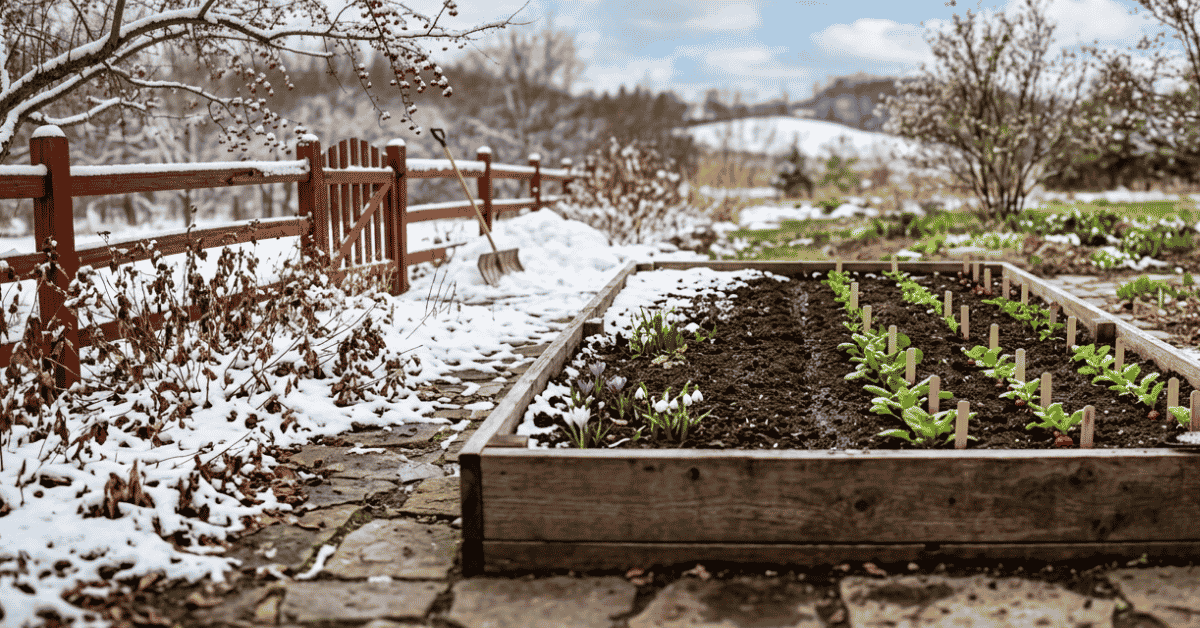
I’ve found raised beds to be a lifesaver for my vegetable garden. My clay soil is notoriously difficult. Building raised beds gave me complete control over the soil.
I fill them with a mix of compost, good topsoil, and some perlite for drainage. It made growing root vegetables so much easier. My my-all-new-square-gardening-success-secret/ touches on this for a different style.
The Joy of In-Ground Planting
For my flower beds and larger ornamental plantings, in-ground is still my go-to. Once I’ve amended the soil well, it’s much less work than filling raised beds. It allows for an expansive, natural look.
I focus on plants that are hardy enough for our native soil conditions. This is where choosing those native plants really pays off. You can read more about general garden reviews in my my-honest-encyclopedia-gardening-review/.
Containers for Flexibility
I use containers to fill in gaps or to grow plants that need very specific conditions. Little pots of basil on the patio, a striking red coleus by the door, or a small patio tomato plant are easy wins. They can be moved to catch the best sun or escape a harsh storm.
My my-best-all-new-gardening-book-review/ covers various planting methods.
Frequently Asked Questions About Southeastern Gardening
What are the best flowering plants for hardiness zone 8 in the Southeast?
Coneflowers, salvias, and zinnias bloom well. Hydrangeas and gardenias also thrive with proper care. Learn more about…
Can I grow tomatoes in containers in the Southeast?
Yes, smaller varieties or patio types do great. Ensure they get full sun and consistent water. Learn more about…
What is the biggest mistake new Southeastern gardeners make?
Planting without improving the soil is common. Also, choosing plants not suited for our heat and humidity. Learn more about…
How often should I water my new azaleas in my Southeastern garden?
Keep the soil consistently moist but not waterlogged. Deep watering once or twice a week is often enough. Learn more about…
Is it better to plant vegetables in spring or fall in the Southeast?
Both seasons are great, but for different crops. Spring for heat-lovers, fall for cool-season greens and roots. Learn more about…
Some of my other reviews like my-ultimate-encyclopedia-gardening-review/ might offer further advice.