
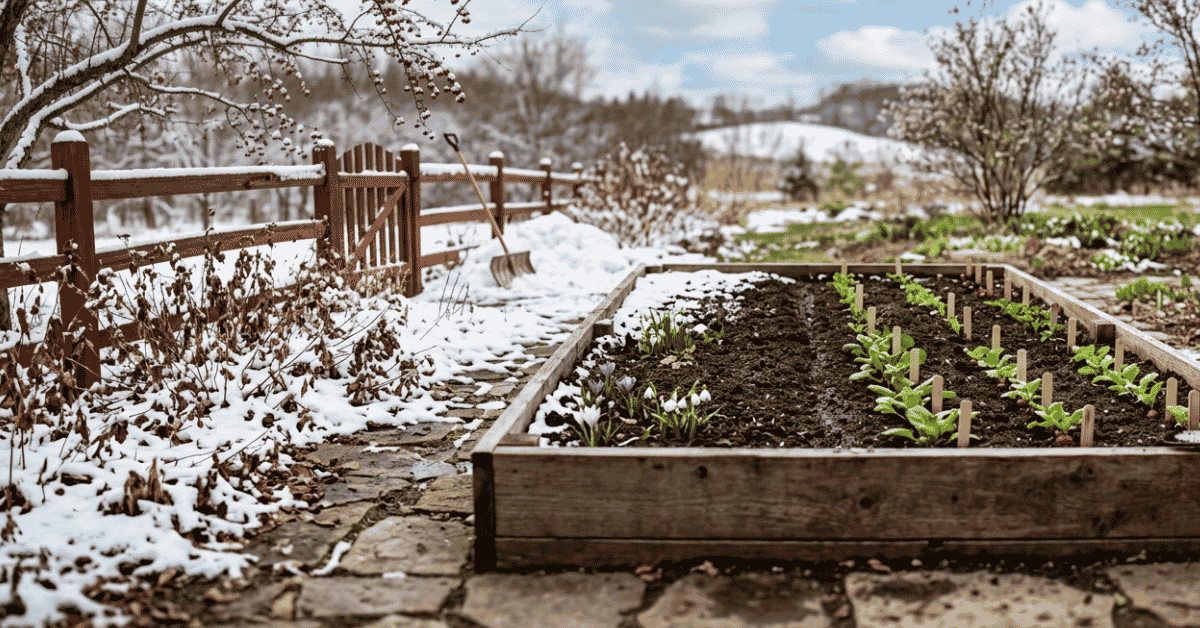
Minnesota’s Garden Magic by Month
Ready to unlock your best Minnesota garden? I’ve spent years digging, planting, and harvesting right here in our unique climate. This guide reveals my step-by-step plan, month by month, to help you grow like a pro, even with our short growing season.
Let’s get growing!
When Is Month by Month Gardening in Minnesota Most Important?
Honestly, it’s crucial in Minnesota pretty much all year! Our seasons are dramatic. Spring bursts open, summer shines bright, fall offers crisp beauty, and winter demands preparation.
Knowing what to do each month helps me make the most of a short growing window. It lets me avoid common pitfalls, like planting tender crops too early or missing the chance to prep for the next season. My garden’s success hinges on this month-by-month strategy.
It feels like a well-choreographed dance with nature.
January: Dreaming and Planning
This might seem odd, but January is a prime garden planning month. It’s cold outside, but inside, my mind is buzzing with possibilities. I spread out seed catalogs.
I sketch out garden layouts on paper. I think about what worked last year and what I want to try new. It’s also the time to order seeds.
Getting them early means I have the best selection.
Seed Selection
Choosing the right seeds is key for Minnesota. We need varieties that mature quickly. I look for descriptions that mention fast-growing or cold-tolerant traits.
Some of my favorites include:
- Tomatoes: Early Girl, Stupice, Glacier
- Peppers: Carmen, California Wonder, Jalapeño
- Beans: Bush Blue Lake, Provider
- Lettuce: Black Seed Simpson, Parris Island Cos
- Radishes: Cherry Belle, Sparkler
I also consider my family’s favorite vegetables. What do we eat the most? That’s what I want to focus on growing.
A garden should feed the soul as well as the body.
February: Indoor Seed Starting
As January’s dreams solidify, February is when the real action begins indoors. It’s still too cold to think about the outdoor soil, but my seedling trays are ready. I start seeds that need a long head start.
This includes things like tomatoes, peppers, and some herbs. Getting this done now means I’ll have strong seedlings ready when it’s time to transplant.
Starting Seeds Indoors
I use a simple setup. Clean trays, good quality seed-starting mix, and grow lights are my essentials.
- Trays: Recycled yogurt cups can work, but dedicated trays are easier to manage.
- Soil: A light, sterile mix is best. It drains well and prevents disease.
- Light: Seedlings need strong light. My grow lights are on timers. They keep the lights on for 14-16 hours a day.
- Water: Keep the soil moist but not soggy. I often water from the bottom.
I label everything clearly. Nothing is worse than mixing up your basil and your parsley!
March: Last Indoor Starts & Soil Prep Ideas
The hope of spring is in the air, even if the ground is still frozen solid. In March, I continue with my indoor seed starting. I might start quicker crops like broccoli or cabbage now.
The focus also shifts slightly to outdoor preparation. I’m thinking about soil. Even though I can’t dig yet, I can plan.
Indoor Seed Starting Continues
This month is for plants that are a bit quicker. Think about flowers, too! Petunias or marigolds started now will be lovely for summer.
Early Outdoor Soil Thoughts
I start gathering materials for soil amendments. Compost is gold. I might buy a load now and let it sit.
If I have any protected areas, I might even try to turn a small patch of soil. This is usually just a small test area. It helps warm it up a bit.
April: The Big Transition
April is my favorite month. It’s the turning point. The snow is melting.
The days are getting longer. The first tiny green shoots appear in protected spots. This is when I start thinking about moving seedlings outdoors for hardening off.
It’s also time for the earliest possible outdoor planting.
Hardening Off Seedlings
This is a crucial step. Seedlings started indoors are tender. They need to get used to the outdoor elements.
I put them out in a sheltered spot for a few hours each day. I gradually increase the time they spend outside. This prevents shock.
First Outdoor Plantings
Depending on the year and my location in Minnesota, I can often plant cool-season crops in April.
- Peas: These love cool weather.
- Spinach: It bolts (goes to seed) in heat, so early is best.
- Radishes: They grow super fast.
- Lettuce: Many varieties do well in cool temps.
- Onions (sets): These are fairly hardy.
I always have row covers ready. These protect against late frosts.
May: Planting Frenzy
May is the month most people associate with planting. It’s a busy time for me! The danger of hard frost is mostly past.
My hardened-off seedlings are ready for their permanent homes. I’m planting the heart of my garden now.
Transplanting Warm-Season Crops
This is when my tomato, pepper, and cucumber plants go into the ground. I follow planting guides for spacing. I make sure to plant them deep enough, especially tomatoes.
They can root along the stem.
Direct Sowing
Many things are sown directly into the soil now. This includes:
- Beans: Bush beans and pole beans.
- Corn: Needs to be planted in blocks for good pollination.
- Squash: Summer and winter varieties.
- Cucumbers: If not started indoors.
- Herbs: Basil, dill, cilantro.
I try to plant successive crops of things like lettuce and radishes. This gives me harvests over a longer period. My goal is a continuous supply of fresh produce.
It’s a big challenge but so rewarding.
June: Nurturing and Growing
June is all about growth. Everything is taking off! My plants are getting bigger.
I’m watching for weeds. Watering becomes a daily task. I also start thinking about succession planting more seriously.
Weeding and Watering
Consistent weeding is important. Weeds steal water and nutrients from my precious plants. I try to weed when the soil is moist.
It makes it easier to pull them out by the root. Watering deeply is better than shallow watering. It encourages strong root systems.
Succession Planting
I plant more beans, more lettuce, and maybe some quick-maturing carrots. This ensures a steady harvest. It’s a smart way to get more from your space.
My friend, Sarah, tried this last year. She said it doubled her lettuce harvest. She was thrilled.
It’s these little wins that keep me going. gardening-for-beginners-successfully is a great resource if you’re starting out.
July: Peak Harvest and Pest Patrol
July is the golden month for harvests. My garden is lush and productive. Tomatoes are starting to ripen.
Zucchinis are abundant. It’s also prime time for pests. I have to be vigilant.
Harvesting Regularly
I pick vegetables as soon as they are ready. This encourages plants to produce more. Harvesting tomatoes daily is a happy chore.
If I leave too many on the vine, they can split or rot.
Dealing with Pests
Aphids, squash bugs, and tomato hornworms are common. I inspect my plants closely. Early detection is key.
I often use organic methods to control pests. A strong blast of water can knock off aphids. Sometimes neem oil is effective.
For bigger problems, I might handpick them off. It’s not glamorous, but it works.
August: Preserving the Bounty
The harvest continues in August. But my focus starts to shift. I have so much produce now.
I need to think about preserving it. This means canning, freezing, or drying. It extends the enjoyment of my garden’s bounty.
Canning and Freezing
I dedicate days to canning tomatoes, making pickles, or freezing green beans. It’s a lot of work, but so worth it. My pantry shelves are my pride and joy in the winter.
Knowing I grew and preserved that food feels amazing.
Fall Crops
I also start thinking about fall. It’s time to plant or at least plan for cool-season crops that can mature before frost. This might include kale, spinach, or turnips.
September: The Golden Decline
September in Minnesota is beautiful. The leaves turn vibrant colors. My garden starts to wind down.
But there’s still harvesting to be done. I start clearing out spent plants. This prepares the ground for winter.
Last Harvests
I try to harvest as much as possible before the first hard frost. This includes things like peppers and any remaining tomatoes that are close to ripening. Root vegetables like carrots and beets can often be left in the ground longer.
The cooler weather can actually improve their flavor.
Garden Cleanup
I pull out old plants that have finished producing. I compost healthy material. Diseased plants should be disposed of differently.
Clearing the garden bed reduces overwintering pests and diseases.
October: Final Frosts and Winter Prep
October is often the month of the first hard frost. It signals the end of the main growing season. My focus is now entirely on winter preparation.
My garden needs to rest and be ready for next year.
Protecting the Garden
I might put down a layer of compost or mulch. This protects the soil over winter. It also adds nutrients.
I clean and store my tools. This keeps them in good condition.
Planning for Next Year
This is another good time to review what worked and what didn’t. I jot down notes about varieties, planting times, and any problems I encountered. This information is invaluable for planning next year’s garden.
My friend, Mark, always says planning is half the battle. I agree. He has a fantastic vegetable-gardening system.
November: Reflection and Dormancy
November is quiet. The garden is asleep. The world is often gray.
This is a time for reflection. What were the successes? What were the challenges?
I look through my notes from the past season.
Reviewing the Year
I think about which plants thrived and which struggled. Was it the weather? Was it my technique?
Did I plant things at the right time? This is all valuable learning.
Tool Maintenance
I make sure all my tools are clean and sharp. Sharpening blades on trowels and pruners makes them easier to use next spring. Oiling metal parts prevents rust.
December: Cozy Planning
As the year winds down, December brings a sense of cozy anticipation. The deep cold is here. But my mind is already turning towards the next spring.
I start flipping through seed catalogs again. It’s a cycle. A comforting rhythm.
Seed Catalog Browsing
This is often the first glimpse of next year’s garden. I look for new varieties or old favorites. I might start a wish list.
It keeps the gardening spirit alive during the cold months.
Research
I use this time to research new gardening techniques. Maybe I want to try container gardening on my deck. Or perhaps I’m interested in companion planting.
There’s always more to learn. My own gardening-review posts often spark new ideas.
Here’s a quick look at what to prioritize each month:
| Month | Key Gardening Activity (Minnesota) |
|---|---|
| January | Dream, plan, order seeds. |
| February | Start seeds indoors (tomatoes, peppers). |
| March | Continue indoor starts, early soil thoughts. |
| April | Harden off seedlings, plant cool-season crops. |
| May | Transplant warm-season crops, direct sow beans, corn. |
| June | Water, weed, succession plant. |
| July | Peak harvest, pest control, more succession planting. |
| August | Harvest, preserve, plant fall crops. |
| September | Last harvests, garden cleanup, prepare beds. |
| October | Final frosts, protect soil, final cleanup. |
| November | Review past season, tool maintenance. |
| December | Browse seed catalogs, cozy planning. |
Frequently Asked Questions
How early can I plant vegetables in Minnesota?
You can plant hardy crops like peas and spinach in April. Wait until mid-May for tender plants like tomatoes and peppers.
When should I start seeds indoors for Minnesota?
Start tomatoes and peppers 6-8 weeks before your last expected frost, usually in February or March.
What are the best methods for pest control in Minnesota gardens?
Integrated pest management works well. Use row covers, handpick pests, encourage beneficial insects, and use organic sprays like neem oil when needed.
Is square foot gardening suitable for Minnesota?
Yes, square foot gardening is excellent for Minnesota. It helps maximize space and produce in our shorter growing season. Learn more about square-foot-gardening-success-secret.
How do I prepare my Minnesota garden for winter?
Clean up spent plants, add compost or mulch to beds, and protect perennial plants. Store tools and clean them well.