An herb garden outdoor planter is an easy way to grow fresh herbs on a porch, patio, balcony, or in a sunny backyard. Choose a planter with drainage holes, use quality potting mix, and group herbs with similar needs. Basil, parsley, thyme, rosemary, and chives are useful choices for many home gardens across the United States.
Across the United States, fresh herbs can add flavor to home-cooked meals without taking up much space. A large backyard is not needed. One wide pot or a few small planters can hold the herbs you use most, right outside your kitchen door.
The best setup depends on your local climate, sunlight, and watering habits. A hot Texas patio needs a different care plan from a cool New England porch. Start with the light your space gets, then choose a planter and herbs that fit those conditions.
This guide covers planter styles, suitable herbs, soil, spacing, watering, and seasonal care. It also explains how to fix common problems, such as yellow leaves, dry soil, and mint that spreads into every open spot. The goal is a useful herb garden that stays easy to manage.
Source: media.diy.com
Why Grow an Herb Garden in an Outdoor Planter?
An outdoor planter makes fresh herbs easier to reach and care for. You can place it near a kitchen door, beside a grill, or along a sunny porch rail. This setup works well for renters, homeowners, and anyone with limited yard space.
Container growing also gives you more control over soil and plant placement. Poor native soil matters less when herbs grow in a pot filled with a suitable mix. You can move a small container to adjust light or shelter it from a storm.
There are limits, though. Pots dry out faster than garden beds, and roots have less room to spread. Large planters can also become heavy once filled with wet soil, so choose a stable location before planting.
Source: i.pinimg.com
Fresh flavor close at hand
Snip basil for pasta, chives for eggs, or thyme for roasted vegetables without walking to a distant garden bed.
A windowside patio, apartment balcony, or narrow deck can hold a compact herb garden if it receives enough light.
More control over growing conditions
You can choose the potting mix, group plants by their needs, and move portable pots when conditions change.
Where Should You Place an Outdoor Herb Planter?
Look for a spot that receives the amount of sun your chosen herbs need. Many common culinary herbs grow well with about six or more hours of direct sunlight, though parsley and mint can tolerate some afternoon shade. Watch the spot at different times of day before setting up the garden.
Keep the planter close enough to reach when cooking, but leave room to water and trim each plant. A wall can provide shelter from strong wind, yet a very hot wall may reflect extra heat onto leaves and dry the soil quickly.
Patio or deck
Use a stable, level surface and confirm that the structure can support the filled planter, especially with large soil boxes.
Apartment balcony
Check building rules, wind exposure, and weight limits before adding heavy pots or railing planters.
Backyard near the kitchen
Choose a sunny spot with a clear path and a nearby water source to make routine care easier.
Choose the Right Outdoor Herb Planter
The right planter has enough room for roots, drains well, and suits the space where it will sit. Material and appearance matter, but drainage and size matter more. A pretty pot that holds water around the roots can lead to poor growth.
For a first herb garden, one wide container is often easier to manage than many tiny pots. A width of roughly 18 to 24 inches can provide room for several compact herbs, depending on their mature size and spacing needs. Large plants such as rosemary may need a separate pot.
Check the planter’s depth as well as its width. Many small herbs do well in pots around 6 to 8 inches deep, while larger or woody herbs benefit from deeper containers. Always consider the plant label and expected root growth.
Source: i.pinimg.com
Terracotta pots
Unglazed clay allows moisture to escape through the sides, which can help herbs that dislike wet roots. The trade-off is faster drying in hot or windy weather.
Plastic containers
Plastic pots are light and tend to hold moisture longer than terracotta. Check drainage often, especially after rain.
Wooden planter boxes
Wood offers a natural look and works well for several herbs in one row. Use sound, garden-suitable materials and make sure excess water can escape.
Raised or tiered planters
These designs make use of vertical space and can keep plants within easy reach. Check that each level has enough soil depth and does not shade the plants below.
Metal planters
Metal can be durable and neat, but it may heat up in full summer sun. Choose a design with drainage and watch soil temperature during heat waves.
How Many Herbs Can One Planter Hold?
The number depends on pot size, plant type, and the space each herb needs when mature. A wide 18-inch pot might hold two or three compact herbs, while a larger rectangular box can fit more. Do not crowd plants just to fill every inch on planting day.
Read spacing guidance on seed packets or plant labels. Leave room for air to move between leaves and for your hand to reach each plant. Crowded herbs can be harder to water and trim, and damp foliage may stay wet longer.
Small planter
Grow one larger herb or two compact herbs that have similar sun and water needs.
Medium planter
Combine a few compact plants such as chives, parsley, and thyme when their spacing needs allow it.
Large planter box
Give larger herbs their own space and arrange plants by height so small herbs still receive enough sunlight.
The Best Herbs to Grow in an Outdoor Planter
Basil, parsley, chives, thyme, oregano, rosemary, and mint are common choices for an outdoor herb garden. Each offers a different flavor and growth habit. Choose herbs you already use in meals so you have a reason to harvest them often.
Some herbs prefer moist soil, while others need the mix to dry a little between waterings. Grouping plants with similar needs makes care simpler. Mint is best kept in its own container because its spreading roots can crowd neighboring plants.
Climate also affects the choice. Basil is tender and dislikes frost, while thyme and some rosemary varieties can be more tolerant of cool weather. Hardiness varies by species and variety, so check local planting guidance before leaving perennial herbs outdoors through winter.
Source: flowersbouquetideas.com
Basil
Basil likes warm weather, plenty of light, and evenly moist but well-drained soil. Pinch growing tips to encourage branching, and protect it from cold nights.
Parsley
Parsley grows well in sun or partial shade and prefers soil that does not dry out completely. It can be a useful choice for a container with some afternoon shade.
Chives
Chives form narrow, grasslike leaves and grow well in many containers. Cut leaves above the base as needed, leaving enough growth for the plant to recover.
Thyme
Thyme prefers a sunny position and well-drained soil. It is a good fit for a pot where the mix can dry somewhat between waterings.
Rosemary
Rosemary needs strong light and sharp drainage. A separate pot is often practical because the plant can become woody and much larger than small annual herbs.
Oregano
Oregano grows best with plenty of sun and well-drained soil. Trim it when growth becomes long or crowded, and give it room to spread.
Mint
Mint grows quickly and often likes steady moisture. Keep it in its own pot so its roots and runners do not take over a mixed planter.
Which Herbs Can Grow Together?
Basil and parsley can share a container when there is enough room and the soil stays evenly moist. Chives may also fit into this group. Check the mature size of each plant before arranging them.
Thyme, oregano, and rosemary prefer a sunnier, drier setup than basil and parsley. They may share a large, well-drained planter if their spacing and root needs match, but individual pots make watering easier to control.
Moisture-loving group
Consider basil, parsley, and chives in a roomy pot with consistent moisture and good drainage.
Drier-soil group
Consider thyme, oregano, and rosemary in a sunny planter that drains freely.
Keep mint separate
Use a dedicated pot to limit crowding and make its water needs easier to manage.
How to Set Up an Herb Garden Outdoor Planter
Start with a clean planter, a suitable potting mix, and healthy herb plants or seeds. Set everything in place before adding soil, because a large container becomes harder to move once it is full. If the planter will sit on a deck or balcony, check its expected weight when wet.
Use a container mix designed for pots rather than dense soil dug from the yard. Garden soil can compact in containers and restrict air and water movement. A good potting mix helps roots get both moisture and air.
Do not add a layer of gravel to the bottom as a substitute for drainage holes. Water can remain above the gravel layer rather than draining as expected. Keep the drainage holes open and use a suitable mix throughout the container.
Source: ruddingswood.co.uk
Step 1: Check the Planter and Drainage
Make sure the container has several working drainage holes or an appropriate drainage design. If you use a decorative outer pot without holes, place the planted pot inside it and empty any water that collects after watering. Roots should not sit in standing water.
Inspect the base
Clear blocked holes before filling the pot and place the planter where water can drain without causing damage.
Use a stable base
Set heavy planters on a level surface that can support their full weight.
Step 2: Fill With Potting Mix
Fill the planter with fresh container potting mix, leaving enough space near the rim for watering. Lightly settle the mix without pressing it into a hard mass. Moisten very dry mix before planting so water can spread more evenly.
Skip dense yard soil
Use a mix made for containers to help maintain air space and drainage around the roots.
Check fertilizer needs
Some mixes contain starter fertilizer, while others do not. Follow the product label and avoid adding extra fertilizer without checking what is already present.
Step 3: Arrange the Herbs
Place the plants on top of the mix while they are still in their nursery pots. Move them around until taller plants will not block light from shorter ones. Keep plants that need different watering routines in separate containers when possible.
Leave room to grow
Follow spacing guidance and allow for the mature width of each herb.
Keep roots near their original depth
Plant at the same depth as the nursery pot unless the plant’s growing instructions say otherwise.
Step 4: Plant and Water
Remove each herb carefully from its nursery pot and loosen only tightly circling roots. Set it in place, fill the gaps with potting mix, and gently firm the surface. Water until excess moisture begins to leave the drainage holes.
Check the soil afterward
Make sure the mix is moist through the root zone rather than wet only at the surface.
Allow excess water to drain
Empty saucers or decorative outer pots so the roots do not remain submerged.
Step 5: Give Plants Time to Settle
Place the planter in suitable light and check moisture each day during the first week. Some leaves may droop briefly after transplanting, but lasting wilting can signal a watering or root problem. Avoid heavy feeding or hard pruning while new plants adjust.
Watch new growth
Fresh leaves and firm stems are useful signs that the plants are settling in.
Adjust one factor at a time
If a plant struggles, check soil moisture and sunlight before making several changes at once.
Soil, Sunlight, and Watering Needs
Good herb growth depends on the right balance of light, moisture, and air around the roots. A planter may look dry on top while the lower mix remains wet. Check below the surface before adding more water.
Most popular culinary herbs grow well in bright outdoor conditions, but not every herb needs the same amount of sun. Mediterranean herbs such as thyme and rosemary generally prefer sunny sites and free-draining soil. Parsley and mint can tolerate some shade, especially where summer afternoons are very hot.
Container plants may need more frequent watering during hot, dry, or windy weather. Small pots and terracotta containers often dry faster than large plastic or glazed pots. Rainfall can reduce watering needs, but dense foliage may keep some of the soil sheltered from rain.
Source: greenryenthusiast.com
How Much Sun Do Outdoor Herbs Need?
Use six or more hours of direct sun as a starting point for many common culinary herbs, not as a rule for every plant. Basil, thyme, oregano, and rosemary generally benefit from strong light. Parsley and mint can often grow with less direct sun.
If the planter receives only a few hours of light, choose shade-tolerant herbs and watch their growth. Long, weak stems and pale leaves may indicate insufficient light, although poor roots or nutrient issues can cause similar signs.
Full-sun position
A good starting point for basil, thyme, oregano, and rosemary, with protection from extreme heat when needed.
Partial shade
Can suit parsley, mint, and chives, depending on local temperatures and the amount of available light.
How Often Should You Water a Herb Planter?
There is no single watering schedule that works for every outdoor herb planter. Check the top inch of mix and the moisture farther down, using a finger or a small moisture probe. Water when the mix has reached the level of dryness that suits the herb, then let excess water drain.
Basil and parsley usually need more consistent moisture than rosemary and thyme. Even so, no herb benefits from being kept in waterlogged soil. In hot summer weather, some containers may need water daily, while larger pots in mild weather may need much less.
Water slowly
Apply water across the soil surface so it reaches the root zone rather than running down one side.
Check after rain
Do not assume the pot is fully watered because the leaves are wet. Check the mix under the foliage.
Avoid a fixed calendar
Use soil moisture, plant condition, pot size, and weather to decide when to water.
Should You Fertilize Herbs in Containers?
Container herbs have a limited supply of nutrients, so some may need fertilizer during active growth. Start by checking whether the potting mix already contains fertilizer. Follow the label for any additional feed, since excessive fertilizer can lead to weak growth or less concentrated flavor in some herbs.
Use a product labeled for edible plants and follow its directions. Avoid applying more than the recommended amount in an attempt to speed up growth. Herbs grown in fresh, pre-fertilized mix may need little or no added feed at first.
Follow the label
Use the stated rate and schedule for the product and the type of plant.
Look for the cause first
Yellow leaves can result from too much water, poor drainage, or low light, not only a lack of nutrients.
Outdoor Herb Planter Ideas for Different Spaces
The best planter design fits the space you have and the way you cook. A small patio may need one compact pot, while a wide deck can support a longer box. Start with the herbs you want, then select a layout that makes them easy to reach.
A simple arrangement can look neat without much work. Use a few plants with different leaf shapes and heights, but do not let appearance take priority over sun, drainage, or root space. Healthy herbs will usually look better than an overcrowded display.
Source: m.media-amazon.com
1. A Simple Rectangular Herb Box
A rectangular planter works well along a patio edge or beside a kitchen entrance. It offers room for a short row of herbs and makes harvesting simple. Place taller plants toward the back if the planter sits against a wall, while shorter herbs can go near the front.
Good for
A small collection of cooking herbs in a single, easy-to-reach location.
Design tip
Leave enough room between plants and keep each herb’s watering needs in mind.
2. A Tiered Planter for Small Patios
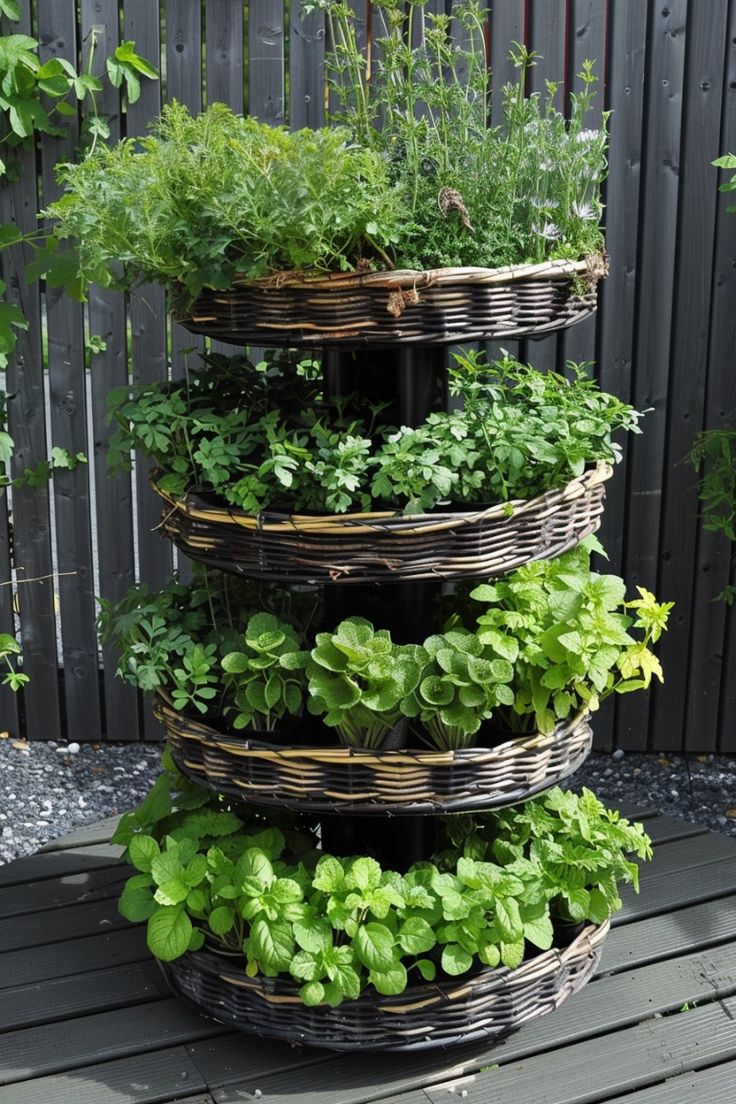
A tiered planter uses vertical space and can hold several kinds of herbs in a small footprint. It suits compact patios where a wide box would block a walkway. Check how much sun reaches each level, since upper tiers may shade plants below.
Good for
Gardeners who want several small herb groups without spreading pots across the whole patio.
Design tip
Place sun-loving herbs where they get direct light and reserve shadier levels for suitable plants.
3. A Raised Wooden Herb Planter
A raised planter can reduce the need to bend down and can define a clear growing area. It works well on patios and in yards where a ground-level bed is not practical. The box still needs suitable drainage, enough soil depth, and a safe, level base.
Good for
Gardeners who prefer a defined growing space with easy access to the plants.
Design tip
Check the weight of the filled box and choose materials suited to outdoor use.
4. Separate Pots for Different Herbs
Individual pots give you more control over water and soil conditions. Rosemary can have a well-drained mix, while basil can sit in a container that stays more evenly moist. You can also move each pot as light and weather change.
Good for
Beginners who want flexibility and fewer problems from herbs with different growing needs.
Design tip
Group pots on a tray or bench for a tidy look, but do not let water collect under the containers.
5. A Hanging Herb Planter
Hanging planters can free up deck or patio floor space, but they tend to dry quickly and may sway in the wind. Use a secure support rated for the filled weight and avoid placing heavy pots where they could fall onto people below. Hanging baskets are best for herbs that fit their limited root space.
Good for
Compact spaces with a safe, sturdy mounting point and suitable light.
Design tip
Check moisture often and make sure dripping water will not damage the surface below.
Care for Your Outdoor Herb Garden Through the Seasons
Outdoor herb care changes as temperatures rise and fall. In much of the United States, spring is a common time to plant tender herbs after the danger of frost has passed. Warm regions may allow an earlier start, while colder regions need to wait longer.
During summer, check containers more often and give plants relief from severe afternoon heat if they begin to wilt despite moist soil. In fall, harvest remaining tender herbs before cold weather and decide which perennial plants can stay outside. Winter survival depends on the herb, pot size, local climate, and exposure.
Source: i.pinimg.com
Spring: Start With Warmth and Healthy Growth
Before planting, clean used containers and check drainage holes. Add fresh potting mix as needed and begin with healthy plants. Tender herbs such as basil should go outdoors when temperatures are suitable and frost risk has passed.
Check local frost dates
Use local extension or weather guidance as a planning aid, while watching the actual forecast.
Acclimate indoor-grown plants
Gradually expose plants to outdoor sun and wind over several days to reduce transplant stress.
Summer: Protect Pots From Heat Stress
High temperatures and wind can dry containers quickly. Check soil moisture more often during heat waves, and consider moving portable pots away from harsh reflected heat. Water the soil rather than relying on a light spray over the leaves.
Check in the morning
Morning checks help you spot dry soil before the hottest part of the day.
Watch for heat damage
Crisp leaf edges, scorched patches, or repeated midday wilting can signal heat or water stress.
Fall and Winter: Know Which Herbs Can Stay Outside
Tender annual herbs may decline when nights turn cold, while some perennial herbs can survive winter in suitable climates. Roots in containers are more exposed to cold than roots in the ground. A plant that survives outdoors in a garden bed may need protection or a sheltered spot in a pot.
Check the hardiness of the exact herb variety and compare it with your local winter conditions. If you move herbs indoors, provide enough light and avoid placing them beside hot, dry heating vents. Inspect plants for pests before bringing them inside.
Protect suitable perennials
Use a sheltered location or other locally recommended protection when the plant and climate call for it.
Harvest tender herbs
Pick usable leaves before frost, then decide whether the plant can be kept indoors or should be replanted next season.
Common Herb Planter Problems and How to Fix Them
When herbs struggle, check the soil and roots before adding fertilizer or changing several conditions at once. Many common problems come from excess water, poor drainage, low light, or heat stress. The leaves can offer clues, but one symptom may have more than one cause.
Inspect plants often, especially the undersides of leaves and the soil surface. Remove dead growth with clean scissors and avoid using any pesticide unless its label allows use on the edible herb and the intended site. Follow all label directions, including harvest intervals.
Source: i.pinimg.com
Yellow Leaves
Yellow leaves may point to wet roots, poor drainage, low light, or a nutrient problem. Check the mix below the surface and make sure water leaves the pot freely. If the mix stays soggy, let it drain and review the watering routine before adding feed.
First check
Look for standing water, blocked holes, and soil that remains wet for too long.
Wilting Despite Watering
A wilted plant does not always need more water. Roots damaged by waterlogged soil may struggle to take up moisture, while a plant in a hot pot may lose water faster than its roots can replace it. Check soil moisture and the condition of the roots before watering again.
If the mix is dry
Water slowly and allow the mix to absorb moisture through the root zone.
If the mix is wet
Improve drainage and let excess moisture escape instead of adding more water.
Leggy Growth and Weak Stems
Long stems with wide gaps between leaves can indicate that a plant is reaching for more light. Move the planter to a brighter suitable location if possible. Pinching growing tips may encourage branching in herbs such as basil, but pruning cannot make up for a lack of light.
First check
Review the hours of direct sun and make sure taller neighboring plants are not blocking the light.
Pests and Damaged Leaves
Aphids, spider mites, and other pests can affect container herbs. Look for clusters of insects, fine webbing, sticky residue, or distorted new leaves. A small problem may respond to removing affected leaves or rinsing pests off with water, provided the plant can dry safely afterward.
Identify the pest before using a treatment. Choose only products labeled for the edible plant and follow the stated directions and any waiting period before harvest. Never assume that a product is suitable just because it is sold for garden use.
Inspect regularly
Check leaf tops, leaf undersides, and tender new growth at least during routine watering.
Keep plants spaced
Good airflow makes inspection easier and helps foliage dry after rain or rinsing.
Harvest Herbs Without Weakening the Plants
Harvest small amounts once the plants are established and growing well. Use clean scissors to snip leaves or stems as needed, and avoid removing too much growth at once. A young plant needs enough leaves to make energy and build a strong root system.
Basil often benefits from pinching the growing tip just above a pair of leaves, which can encourage side shoots. Chives can be cut near the base while leaving enough growth for new leaves. Woody herbs such as rosemary and thyme should be trimmed with care, without cutting deeply into old bare wood unless the plant’s growth habit supports recovery.
Wash harvested herbs under clean running water before use and dry them as needed for the recipe. Store fresh herbs in a way suited to the type, and discard leaves that show mold or decay. Harvest in the cooler part of the day when practical, after surface moisture has dried.
Source: i.pinimg.com
Harvest only what you need
Small, regular cuts help keep the plant useful without removing too much leaf area.
Use clean tools
Clean scissors reduce the transfer of dirt and plant disease between herbs.
Watch for flower buds
For leafy herbs such as basil, pinching flower buds may help maintain leaf production for a time.
How Can You Keep Herbs Producing More Leaves?
Give each herb enough light, steady care, and room to grow. Pinch or trim herbs according to their growth habits, and remove dead leaves when you see them. If growth slows, check the root space, moisture, and light before assuming the plant needs more fertilizer.
Trim with a purpose
Make small cuts that encourage new growth while keeping enough healthy foliage on the plant.
Refresh crowded containers
Move larger herbs to their own pots if roots or leaves begin competing for space.
A Simple Plan for Your First Outdoor Herb Planter
A small, well-planned herb garden is often easier to keep healthy than a large collection of plants. Start with three herbs you use often, then add more after you learn how quickly the container dries and how much light your space receives. This approach keeps the first season manageable.
For a sunny patio, consider a medium rectangular planter with basil, parsley, and chives if there is room and their care needs match. Use a separate pot for rosemary or thyme if you prefer a drier mix, and keep mint in its own container. Adjust the plant choices to your climate and available light.
Source: flowersbouquetideas.com
Before planting
Choose a stable location, check sun exposure, and confirm the planter has working drainage holes.
On planting day
Fill the container with potting mix, space the herbs according to their mature size, and water the root zone well.
During the first week
Check moisture daily, look for signs of transplant stress, and adjust the position if plants receive too much or too little sun.
After plants settle in
Keep a simple watering routine based on soil moisture, trim herbs as needed, and inspect leaves for pests.
A Practical Example for a Small Patio
Imagine a patio that gets about six hours of direct sunlight and has space for one rectangular box plus two small pots. Use the box for basil, parsley, and chives if its width and depth allow suitable spacing. Grow rosemary in one separate pot and mint in the other, then place each where its light and water needs are met.
This layout separates plants that may need different moisture levels while keeping the main cooking herbs together. It is an example, not a fixed planting recipe. The final number of plants should depend on the actual container size and the mature size of each herb.
Main planter
Basil, parsley, and chives, with room for each plant to grow.
Separate sunny pot
Rosemary in a well-drained mix, with protection from severe cold when needed.
Separate mint pot
Mint in a container where its spreading roots cannot crowd other herbs.
Frequently Asked Questions
Q
What is the best planter for an outdoor herb garden?
The best planter has working drainage holes, enough room for mature roots, and a stable base. Plastic, terracotta, wood, and glazed containers can all work when used correctly. Choose the material and size based on your space, local weather, and watering habits.
Q
Can I grow different herbs in the same outdoor planter?
Yes, if the herbs have compatible light, water, and soil needs and enough room to grow. Basil, parsley, and chives may work in one roomy container. Rosemary, thyme, and oregano prefer a drier setup, while mint is best kept in its own pot.
Q
How deep should an outdoor herb planter be?
Many compact herbs can grow in containers around 6 to 8 inches deep, while larger herbs often need deeper pots. Rosemary may need a roomier container as it matures. Check the plant label and allow enough space for healthy roots and stable growth.
Q
Can an outdoor herb planter get too much sun?
Yes. Strong sun combined with extreme heat can scorch leaves and dry small pots very quickly. Mediterranean herbs such as thyme and rosemary often like full sun, but tender herbs may need some relief during severe heat. Check the plant’s needs and move portable pots if they show signs of heat stress.
Q
Do outdoor herb planters need drainage holes?
Yes, drainage is essential for most container-grown herbs because excess water can deprive roots of air and cause root damage. If you use a decorative pot without holes, keep the herb in a separate draining container inside it and empty collected water after watering.
Q
Can I leave my herb planter outside during winter?
That depends on the herb variety, your local winter temperatures, and how exposed the container is. Tender herbs such as basil usually decline with frost, while some perennial herbs can survive in suitable climates. Check local growing guidance and protect or move pots when conditions fall outside the plant’s tolerance.
✦ Wrapping Up
Conclusion
An herb garden outdoor planter can bring fresh flavor to a patio, balcony, deck, or backyard without the work of a large garden bed. The key is to match the container to the plants, provide good drainage, and give each herb the light and moisture it needs. A simple setup with a few useful herbs is a good place to start.
As the plants grow, check the soil before watering, trim herbs with clean scissors, and watch for pests or signs of stress. Change your care routine as the seasons shift, especially during summer heat and winter cold. With steady care and sensible plant choices, your planter can stay useful through much of the growing season.
💡 Key Takeaway
Choose a sunny or suitably shaded spot, select a planter with drainage holes, and start with three herbs you use often. Use container potting mix, space the plants for mature growth, and check soil moisture before each watering.