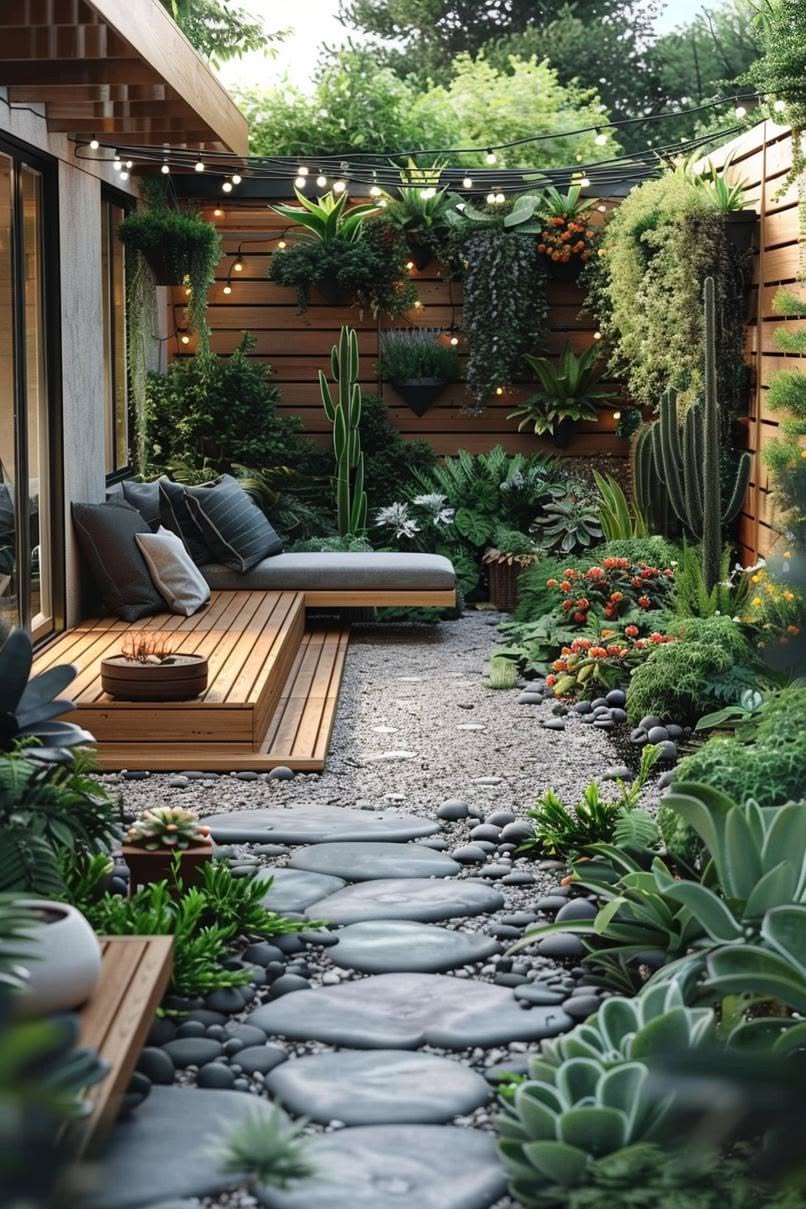
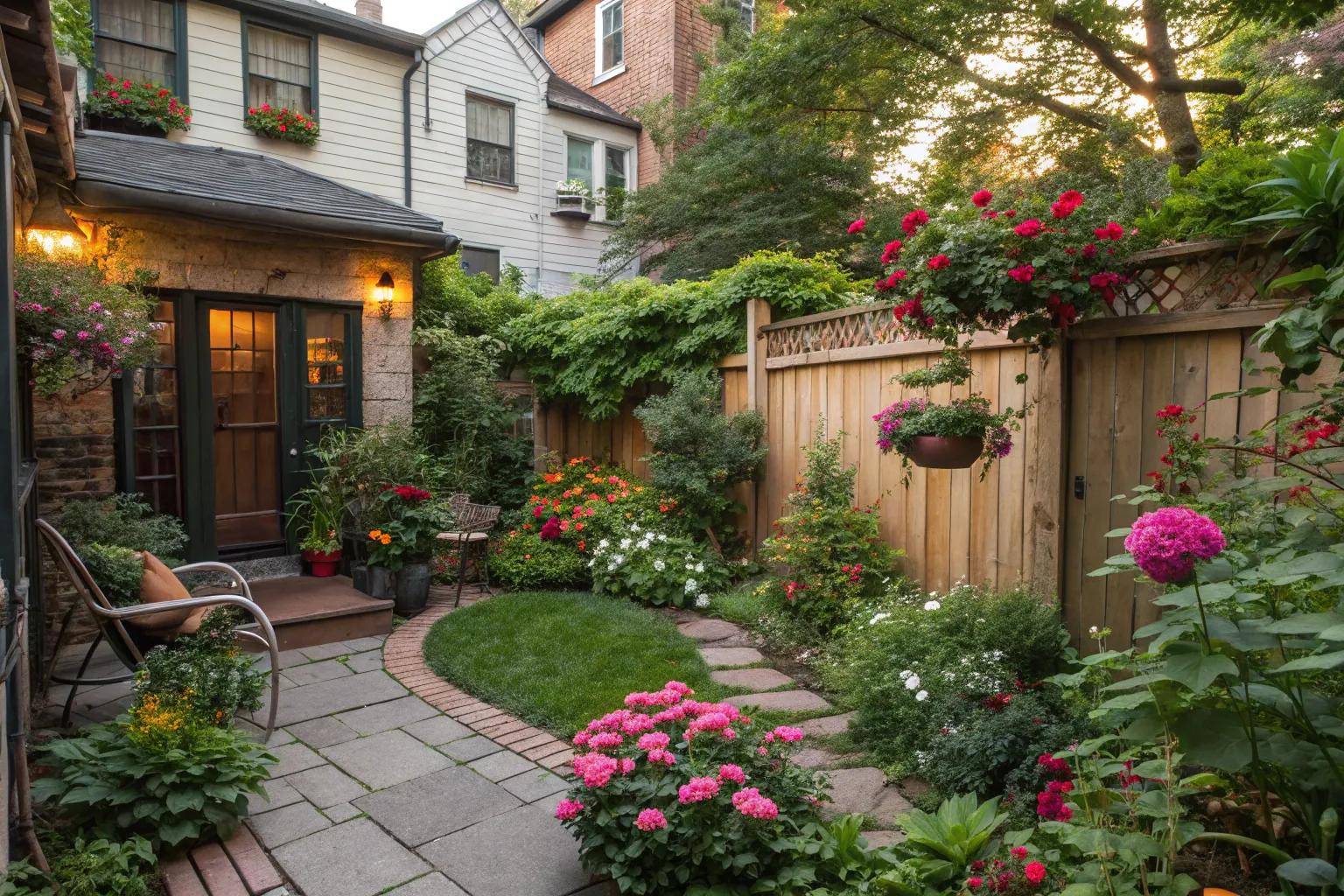
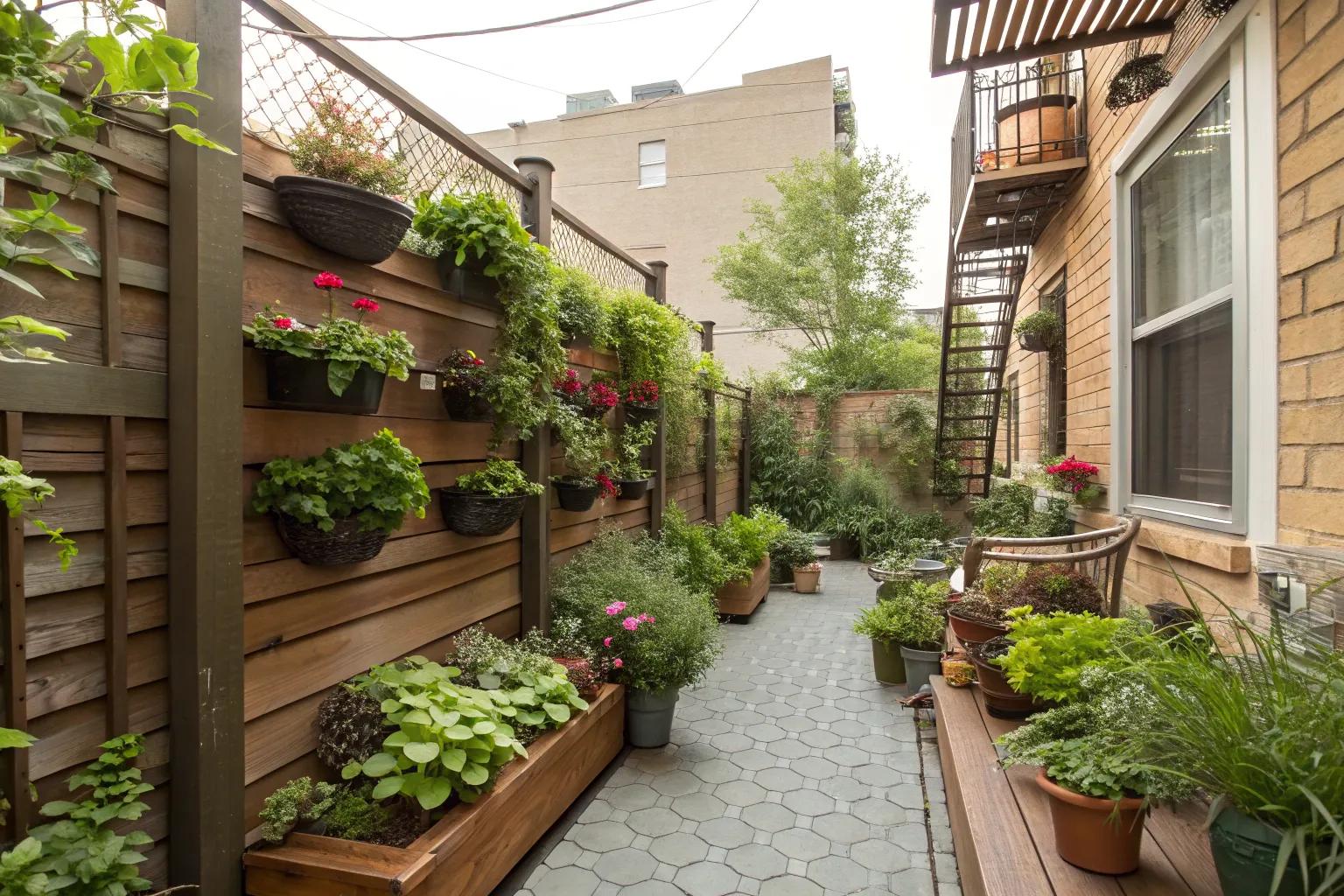
The best small home garden ideas use containers, wall space, raised beds, and easy-care plants to make the most of a tiny yard, patio, balcony, or sunny window. Start with the light you have, choose plants that fit your climate, and leave enough room to water and care for them.
Small home gardens can work in many parts of the United States, from sunny Florida patios to shaded New England yards and dry Southwest courtyards. You do not need a large lawn or a costly landscape plan to grow herbs, flowers, leafy greens, or a few fresh tomatoes. A small space can support a useful garden when each plant has the right amount of light, soil, water, and room to grow.
The first step is to look at the space you already have. A narrow strip beside the house, a rental apartment balcony, a front porch, or a patch of ground near a fence can all hold plants. The best layout depends on local weather, the direction of sunlight, access to water, and how much time you can spend on care. These small home garden ideas offer practical ways to begin without filling every open spot with pots.
Source: garden.eco
1. Start With a Simple Small Garden Layout
A good layout makes a small garden feel useful rather than crowded. Before you buy plants, measure the area and note doors, steps, windows, outdoor taps, and walking paths. Mark the spots that receive direct sun and the areas that stay in shade. These details help you decide where each plant will thrive.
Sunlight is one of the biggest factors in plant choice. Many fruiting vegetables, such as tomatoes and peppers, need several hours of direct sun to grow well. Leafy greens and some herbs can manage with less, although their growth still depends on the variety and local conditions. Check plant labels before placing pots in a dark corner.
In the United States, local weather matters just as much as garden size. A gardener in Arizona may need shade and frequent checks for dry soil, while someone in the Pacific Northwest may need to focus on drainage during wet months. Use your USDA hardiness zone to understand winter cold limits for perennial plants, but check local planting dates for annual crops.
Source: garden.eco
Measure the space
Record the length and width of the garden area. Keep room for paths, doors, chairs, and other daily needs.
Track the sunlight
Check the area at different times of day. Nearby walls, trees, fences, and buildings can cast more shade than expected.
Set one main goal
Choose whether you want fresh food, colorful blooms, privacy, or a mix. One clear goal makes plant selection easier.
Choose Plants for Your Local Climate
A plant that grows well in one state may struggle in another. Heat, humidity, winter cold, wind, and rain can change how well a garden performs. Read seed packets and nursery labels for temperature needs, mature size, and sun exposure. Native plants suited to your region can also be useful in small flower beds because they are adapted to local conditions.
For cold winters
Use suitable hardy perennials and plan to bring tender potted plants indoors before damaging frost.
For hot summers
Consider afternoon shade for heat-sensitive plants and check containers more often during hot, dry spells.
For wet regions
Use containers with drainage holes and avoid spots where rainwater collects around plant roots.
2. Grow Plants in Pots and Containers
Container gardening is one of the easiest ways to use a small patio, porch, balcony, or paved yard. Pots let you group plants, change the layout, and move some crops when the weather shifts. You can grow herbs, flowers, leafy greens, and even compact vegetables without digging into the ground.
Choose containers based on the plant’s mature root size, not just the size of the seedling. A small herb may fit in a modest pot, while a tomato plant needs a larger container with enough depth and soil volume. Check the plant label for spacing and container needs before planting.
Drainage matters. Use pots with holes so extra water can escape. Fill them with a suitable potting mix rather than heavy garden soil, which can become dense in a container. Add water until the mix is moist and excess water drains from the base.
Source: www.pinterest.com
Herb pots
Grow basil, thyme, chives, parsley, or mint in separate containers. Mint can spread quickly, so keeping it in its own pot helps control it.
Try dwarf tomatoes, peppers, salad greens, or radishes when the container size and sunlight match the crop’s needs.
Flower containers
Mix plants with similar water and light needs. Use a taller plant near the back and lower flowers near the pot’s edge.
Make a Small Container Garden Look Neat
Use a small number of pots in different heights rather than placing every container at the same level. Group pots with similar care needs so watering is easier. Keep the largest containers near a wall or corner, and place smaller pots where they receive enough light without blocking doors or paths.
Do not put a heavy pot on a balcony ledge or rail unless the setup is designed for that use. Wet soil can make containers much heavier than they appear. Check the balcony’s load limits and use secure, suitable supports for hanging planters.
Use matching pot colors
A small palette of colors can make mixed plants look more orderly without limiting plant variety.
Raise a few containers
Use stable plant stands to create height and make small pots easier to reach.
3. Use Vertical Gardening to Save Floor Space
Vertical gardening makes use of walls, fences, and sturdy frames when the ground is limited. It can free up walking space while adding greenery to a bare wall or narrow patio. Suitable options include wall-mounted planters, trellises, tiered stands, and hanging pots.
Choose the support based on the plant. Peas and some compact cucumbers can climb a suitable trellis, while herbs and small flowers may grow in wall planters. Climbing plants still need enough root space, light, water, and airflow. A vertical setup does not remove those basic needs.
Before fixing a planter to a wall, check the surface and use hardware made for the material and expected load. Water and wet growing mix add weight. Avoid attaching heavy planters to weak siding or a railing that was not designed to support them.
Source: www.pinterest.com
Wall-mounted herb planters
Place small herbs where they receive suitable light and where you can reach them easily for trimming and watering.
A trellis for climbers
Train suitable peas, beans, or compact cucumbers up a sturdy frame. Follow the crop’s spacing guidance.
Tiered plant stands
Use a stable stand to hold several small pots in one footprint. Place taller plants where they will not shade shorter ones.
Keep Vertical Gardens Easy to Water
Plants near the top of a wall may dry faster than those near the ground. Water can also drip onto lower pots or the patio below. Check each level rather than assuming every plant needs the same amount. Place the setup where spilled water will not damage wood, stain a wall, or bother neighbors.
Check upper pots first
Feel the growing mix and water when the plant’s needs and soil condition call for it.
Leave room for growth
Space plants so leaves do not become packed against a wall or block nearby containers.
4. Build a Compact Raised Bed
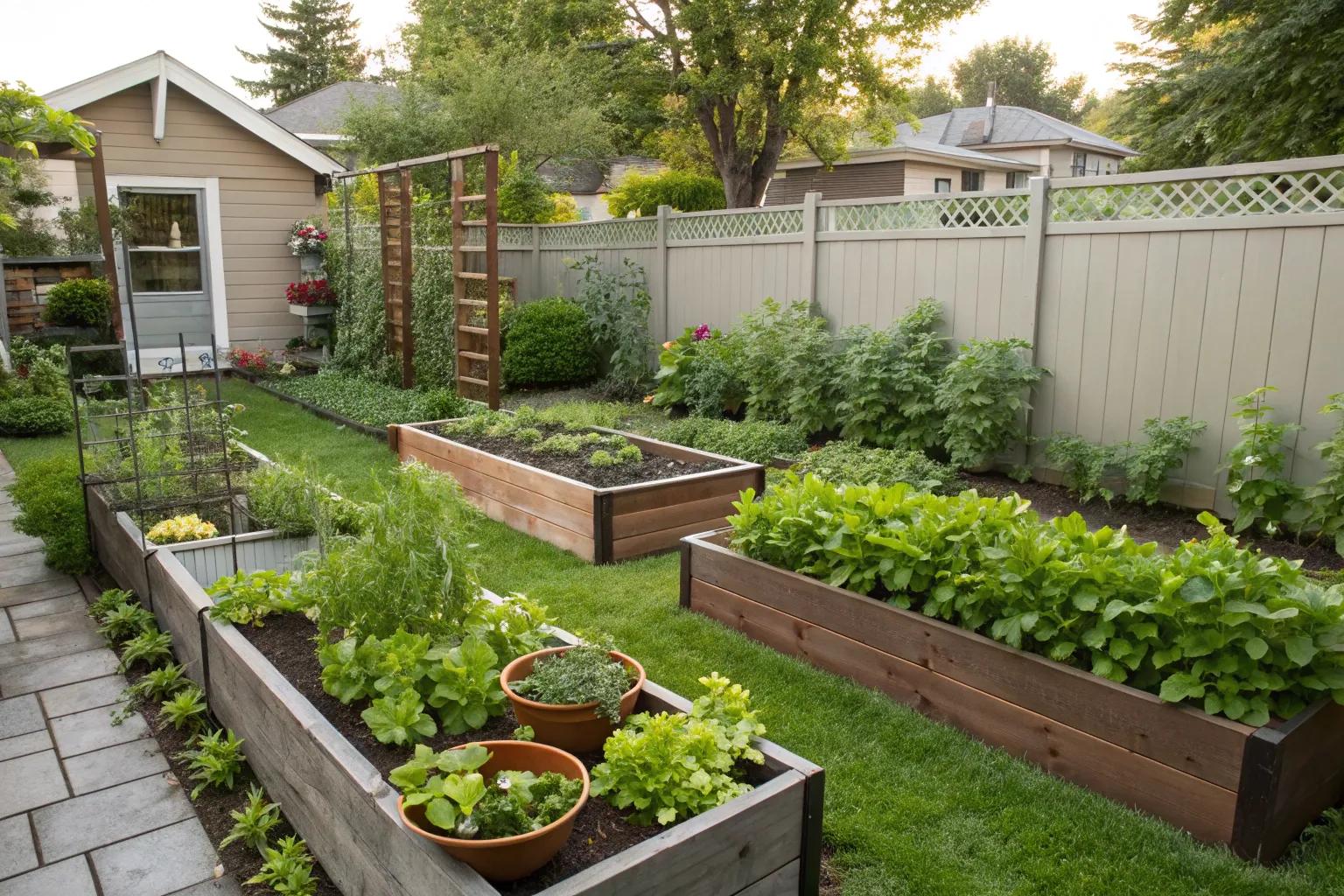
A small raised bed gives vegetables, herbs, or flowers a defined place to grow. It can be a good fit for a narrow backyard, a side yard, or an open patch of ground. A simple rectangular bed is often easier to plant and maintain than a complex shape with many tight corners.
Choose a spot that gets the light your crops need and has access to water. Check the ground below the bed for drainage and avoid areas where water stands after rain. If the soil may be contaminated, especially near an old building or a site with unknown past uses, get appropriate soil testing advice before growing food directly in it.
Fill the bed with a suitable growing mix and compost as needed. Do not assume that a deeper bed always produces a better harvest. Crop roots differ, and bed depth should match the plants and the quality of the soil below. Keep the width narrow enough that you can reach the center from the sides without stepping on the growing area.
Source: www.pinterest.com
A narrow vegetable bed
Grow leafy greens, radishes, herbs, or other compact crops in rows or small blocks according to their spacing needs.
A small flower bed
Combine low-growing flowers with a few taller plants that fit the available sunlight and mature size.
A mixed-use bed
Place herbs near the edge for easy harvest and taller plants toward the back, where they will not shade smaller crops.
Plan the Bed Before You Fill It
Sketch the bed on paper and mark the mature size of each crop. This prevents a row of tiny seedlings from turning into an overcrowded patch a few weeks later. Leave access to the bed’s sides so you can weed, water, and harvest without crushing the soil around the roots.
Check the site
Confirm sunlight, drainage, access to water, and any rules that apply to your yard or rental property.
Plan crop spacing
Use seed packets or plant labels for spacing rather than packing in extra plants.
5. Create a Small Vegetable Garden at Home
A small vegetable garden can supply fresh produce without taking over the yard. Start with crops you enjoy eating and that fit the growing season in your area. Leafy greens, radishes, herbs, and compact peppers can be useful choices, while tomatoes and cucumbers need more room and support.
In many parts of the United States, cool-season crops such as lettuce, spinach, and radishes grow best during cooler weather. Warm-season crops such as tomatoes, peppers, and beans need warmer conditions. Exact planting dates vary by region, local frost dates, and variety, so check guidance for your area before sowing.
Grow only as much as you can care for. A few healthy plants are often easier to manage than a crowded mix of crops with different needs. For a first garden, pick two or three crops and learn how each one responds to your space.
Source: storage.googleapis.com
Leafy greens
Try lettuce or other suitable greens in shallow containers or a small bed, with protection from harsh heat when needed.
Fresh herbs
Grow chives, parsley, thyme, or basil based on your light, climate, and cooking habits.
Compact fruiting crops
Select a dwarf or container-suitable tomato or pepper variety and provide the pot size and support it needs.
Use Succession Planting for a Longer Harvest
Succession planting means sowing a small amount of a crop at intervals instead of planting everything on one day. For suitable fast-growing crops, this can spread the harvest over a longer period. The timing depends on the plant, weather, and length of the growing season.
For example, you might sow a short row of radishes, then sow another row after the first has begun to grow. Keep track of planting dates and expected harvest times. Stop sowing when local temperatures or the remaining season no longer suit the crop.
Plant in small batches
Sow only the amount you can eat or share before the crop loses quality.
Record the dates
Use a simple notebook or calendar to track sowing, watering, and harvests.
6. Design a Tiny Flower Garden
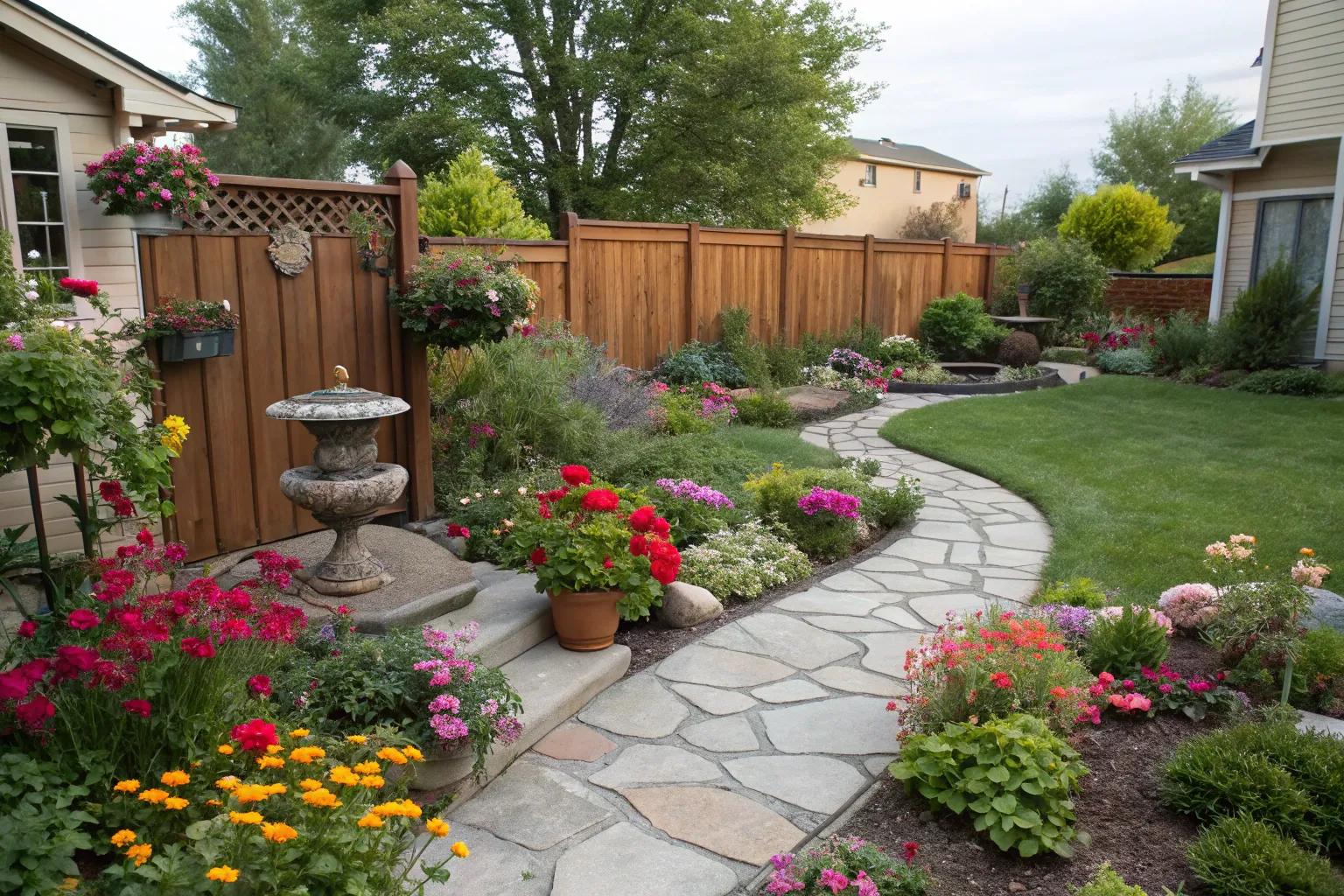
A small flower garden can add color and soften hard edges around a porch, walkway, or fence. You can grow flowers in a narrow border, a few pots, a window box, or one compact raised bed. Choose plants by their mature height, bloom season, and light needs rather than by flower color alone.
For a layered look, place taller plants at the back of a bed or in the center of a container that can be viewed from all sides. Add medium-height plants next, then use low-growing flowers along the edge. This arrangement can make a small planting feel fuller without blocking windows or paths.
Native flowers suited to your region may help support local pollinators. Choose species that fit the available space and avoid plants known to spread aggressively in your area. If you want flowers throughout the season, select plants with different bloom times rather than relying on one short burst of color.
Source: garden.eco
A simple color theme
Choose two or three main flower colors to give the space a calm, planned look.
A pollinator pot
Grow suitable flowering plants that provide nectar or pollen, and avoid pesticide use that could harm visiting insects.
A narrow border
Use compact plants along a path or fence, leaving enough room to walk and reach the plants for care.
Choose Flowers That Match Your Care Routine
Some flowers need frequent deadheading, feeding, or watering, while others need less attention once established. If you have limited time, select plants known to suit your climate and garden conditions. Read the label for mature width so the plants do not crowd one another as they grow.
For sunny spots
Look for flowers that suit full sun and local summer heat.
For shady spots
Choose shade-tolerant flowers rather than placing sun-loving plants where they will struggle.
7. Turn a Balcony, Porch, or Patio Into a Garden
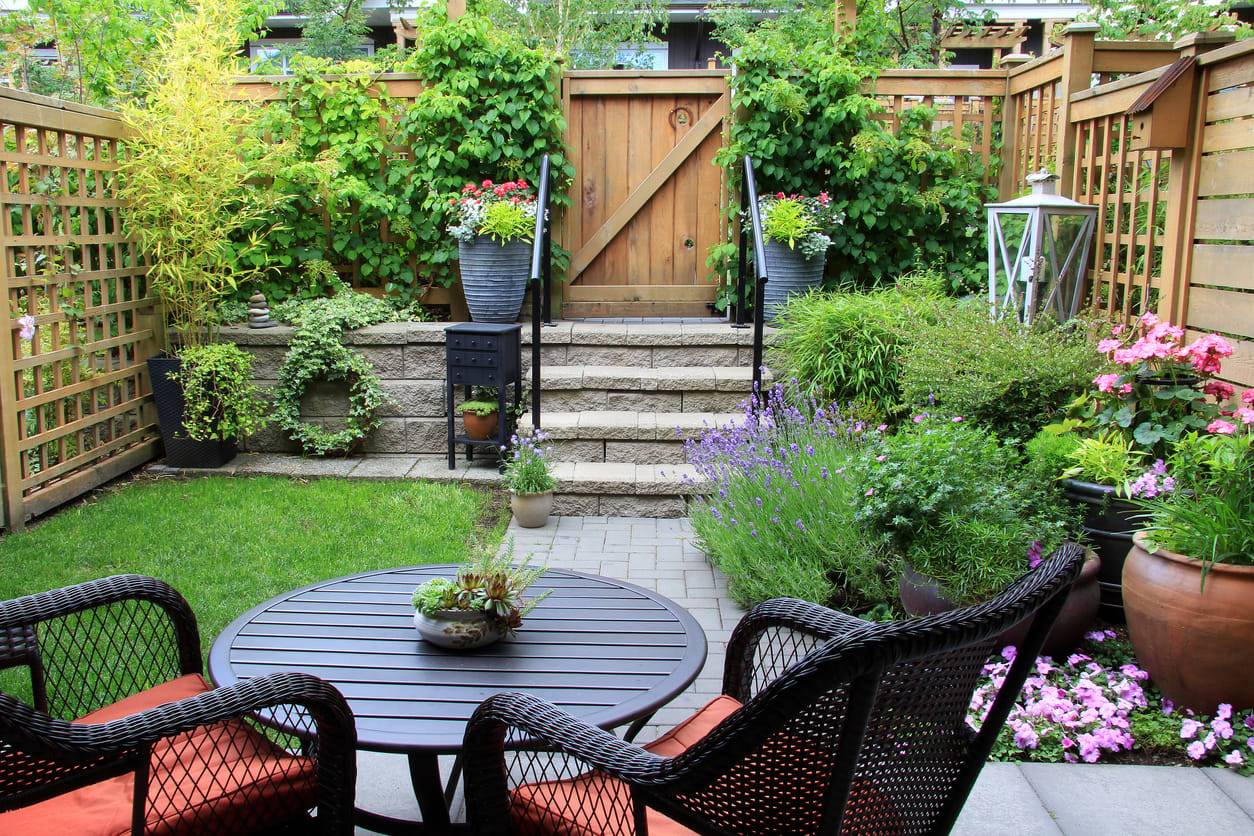
A balcony, porch, or patio can become a useful garden even when there is no bare soil. Start with a few pots near the brightest suitable spot and keep the main walking route open. This gives you a place to grow plants without making the outdoor area hard to use.
Wind can dry plants and knock over lightweight pots, especially on upper floors. Use stable containers, secure suitable supports, and check how wind moves through the space. Follow building rules for hanging baskets and balcony planters, and never place unsecured heavy items where they could fall.
Think about drainage before setting out the plants. Water that runs onto a neighbor’s balcony or stains a lower wall can cause problems. Use suitable saucers where appropriate, empty standing water when needed, and follow building guidance for watering.
Source: paradehomeandgarden.com
A porch herb corner
Keep a few herbs in easy-to-reach pots near the kitchen entrance, provided the light is suitable.
A patio container group
Arrange a large pot with smaller containers nearby, leaving enough room for chairs and foot traffic.
A window box
Use a box rated for the intended mounting method and fill it with plants suited to its sun exposure.
Make the Garden Work in a Rental Home
Renters can use freestanding pots, portable planters, and plant stands to avoid permanent changes. Check the lease or building rules before drilling into walls or attaching anything to a railing. Choose a layout that can be moved if the space needs to be cleared.
Choose movable containers
Use manageable pots rather than large structures that are difficult to move.
Protect the surface
Use suitable pot feet or trays to reduce stains and help water drain.
8. Make a Small Garden Look Bigger
A small garden can feel more open when the layout has clear edges and a few strong focal points. Too many small pots, colors, and decorations can make the space look busy. Grouping plants and keeping some open space can create a calmer view.
Use the garden’s shape to guide the layout. A narrow strip may look neat with a simple line of plants, while a small square patio may suit a central pot surrounded by open floor space. A mirror may reflect light in a sheltered area, but do not place it where glare could bother people or where it could create a hazard.
Keep taller plants from blocking key sightlines. A plant that grows much wider than its nursery pot may quickly crowd a small path. Check the mature dimensions before planting and prune only when the plant and season allow it.
Source: id.pinterest.com
Group similar pots
Place a few containers together instead of spreading them across every available surface.
Use one focal point
Choose a striking pot, small tree suited to a container, or colorful flower group to draw the eye.
Keep paths open
Leave enough clear space to walk, carry a watering can, and reach plants without knocking them over.
Use Height Without Blocking Light
Plant stands and trellises add height, but they can shade lower plants. Place taller structures where they will not block the light needed by smaller crops. If the garden receives sun from one main direction, check how shadows move during the day before settling on the layout.
Vary plant height
Combine low ground cover, medium plants, and a few taller specimens that fit the space.
Avoid overcrowding
Leave gaps based on mature plant size so air can move and leaves can dry after rain.
9. Try a Small Indoor Garden
An indoor garden can work for people who have no yard, balcony, or porch. A bright windowsill may support some herbs and small plants, while a grow light can help when natural light is too weak. Indoor growing still needs the right light, suitable containers, good drainage, and airflow.
Place plants near a window that matches their light needs, but watch for cold drafts and intense heat from glass. A sunny window can become hot in summer, while winter glass may be cold at night. Move plants when the conditions are unsuitable rather than assuming the brightest window is always best.
Use a potting mix made for indoor containers and avoid letting water sit around the roots. Protect the sill and floor from leaks. If you use a grow light, follow the product’s instructions for distance and timing, and keep electrical parts away from water.
Source: mx.pinterest.com
Kitchen herb shelf
Grow suitable herbs near a bright window where you can harvest small amounts while cooking.
A compact plant stand
Arrange small houseplants on a stable stand, with plants that need more light placed where they receive it.
A grow-light corner
Use a light designed for plant growth when window light is not enough for the chosen crop.
Prevent Common Indoor Garden Problems
Yellow leaves, slow growth, and damp soil can point to different problems. Check light levels, moisture, drainage, and signs of pests before adding fertilizer. More water or plant food will not fix every issue, and extra inputs can make some problems worse.
Check soil moisture
Feel the mix before watering and adjust the schedule to the plant and room conditions.
Inspect new plants
Look under leaves and around stems for pests before placing new plants beside existing ones.
10. Create a Small Garden on a Budget
A low-cost garden starts with a small plan, not a long shopping list. Begin with a few plants and containers, then add more when you know what grows well in your space. This approach helps avoid spending money on plants that do not suit your sunlight, weather, or care routine.
Reuse clean containers when they are suitable for growing plants. Make sure they are sturdy, have drainage holes, and have not held harmful chemicals. Containers that held paint, fuel, pesticides, or other hazardous products should not be reused for edible crops. If you use a recycled container, confirm that its material is suitable for the intended purpose.
Seeds can cost less than buying mature plants, although they take more time and care. Starter plants may be easier for crops with a long growing period or for gardeners who want a quicker start. Compare the time, space, and supplies needed before deciding how to grow each plant.
Source: garden.eco
Start with seeds
Choose crops that are easy to sow in your season and have enough room to grow from seed.
Reuse safe containers
Use clean, durable pots or planters with suitable drainage. Avoid containers with unknown chemical histories.
Make your own simple labels
Mark plant names and sowing dates with reusable labels so you can track what is growing.
Spend Money Where It Helps Most
Good growing mix, suitable containers, and a reliable way to water can matter more than decorative items. A basic hand trowel, pruning snips, and watering can may be enough for a small garden. Buy extra tools only when the garden’s needs justify them.
Prioritize plant health
Use suitable soil or potting mix and containers that drain well before adding ornaments.
Add plants in stages
Grow a few plants first, then use what you learn to guide later purchases.
11. Keep a Small Garden Healthy With Simple Care
Small gardens still need steady care, but the work can stay manageable with a simple routine. Check soil moisture, look for new growth, remove damaged leaves when appropriate, and inspect plants for pests. A short, regular check can help you catch problems before they spread.
Water based on the plant, container, weather, and soil condition rather than following a fixed schedule for every pot. Containers can dry faster than garden beds, especially in sun and wind. Water the root area when needed and let excess water drain away.
Feed plants only as needed and follow the fertilizer label. Too much fertilizer can harm roots or lead to weak growth. Fresh potting mix may already contain nutrients, so check its label before adding more.
Source: www.pinterest.com
Check moisture
Feel the growing mix and look at the plant before deciding whether it needs water.
Look for pests
Inspect the undersides of leaves and new shoots. Identify the problem before choosing a control method.
Prune with care
Remove dead or damaged growth when suitable, using clean tools and the right method for the plant.
Clear fallen leaves
Remove decaying plant matter when it harbors pests or disease, and keep drains and paths clear.
Troubleshoot Common Small Garden Problems
When a plant looks unhealthy, check the growing conditions before replacing it. The same symptom can have more than one cause, so look at soil moisture, light, drainage, temperature, and pests together. Change one likely cause at a time when practical so you can see whether the plant improves.
Yellow leaves
Check watering, drainage, light, and the age of the leaves. Yellowing alone does not prove that a plant needs fertilizer.
Wilting plants
Check whether the soil is dry or waterlogged before adding water. Both conditions can affect roots and cause wilting.
Slow growth
Review sunlight, temperature, root space, and growing season. Some plants grow slowly when conditions are too cold or too hot.
Crowded foliage
Thin or reposition plants when appropriate, following the crop’s spacing needs and avoiding unnecessary root damage.
Frequently Asked Questions
Q
What is the easiest garden to grow at home?
A small container garden with a few herbs or leafy greens is a useful starting point for many beginners. Choose plants that suit your sunlight, climate, and time for care. Use containers with drainage holes and a suitable potting mix, then add more plants after you learn how quickly the pots dry and how the plants grow.
Q
How do I make a small garden look nice?
Use a simple layout, group similar pots, and choose a small color theme. Mix a few plant heights while keeping paths and doors clear. Check the mature size of each plant so the garden stays balanced as it grows.
Q
Which vegetables grow well in small spaces?
Leafy greens, radishes, herbs, compact peppers, and container-suitable tomatoes can work in small gardens when their light, temperature, and root-space needs are met. Climbing crops may save ground space if you provide a suitable support. Check seed packets and plant labels for local planting times and spacing.
Q
Can I start a garden without a backyard?
Yes. A balcony, porch, patio, sunny windowsill, or indoor shelf can support suitable plants. Match the plants to the available light, use containers that drain well, and check any rental or building rules before attaching planters to walls or railings.
Q
How much sunlight does a small home garden need?
The amount depends on the plants you choose. Many fruiting vegetables need several hours of direct sunlight, while some leafy greens, herbs, and ornamental plants can tolerate partial shade. Check the specific plant’s growing instructions and observe how sunlight changes across your space.
Q
How can I make a small home garden on a low budget?
Start with a few seeds or starter plants, use safe reused containers, and grow crops that fit your conditions. Spend first on suitable growing mix, drainage, and basic watering supplies. Add decorative features only after the plants are growing well.
Q
How often should I water a small container garden?
There is no single schedule that works for every container. Check the growing mix and plant condition, and water when the plant needs it. Small pots may dry quickly in hot or windy weather, while large pots and cool, damp conditions may need less frequent watering.
✦ Wrapping Up
Conclusion
The best small home garden ideas make smart use of the space, light, and time you already have. Pots can turn a porch into an herb garden, a trellis can free up ground space, and a compact raised bed can support fresh vegetables or colorful flowers. You can also grow a few suitable plants indoors if outdoor space is not available.
Start by measuring your space and checking the sunlight. Pick a few plants that suit your local climate, provide enough room for their roots, and set up a simple watering routine. A small garden does not need to be full to be useful. Healthy plants and an easy layout matter more than the number of pots.
💡 Key Takeaway
This week, choose one sunny or shade-suitable spot, measure it, and start with two or three plants. Match their needs to the space, use containers with good drainage, and track how they grow before adding more.