The best backyard vegetable garden design gives each plant enough sunlight, room to grow, healthy soil, and easy access to water. Start with a sunny spot, choose a simple bed layout, and grow vegetables that suit your space and local climate.
Across the United States, a backyard vegetable garden can fit many kinds of homes. A small city yard may hold a few raised beds, while a larger suburban lot may have room for long rows, fruit plants, and a compost bin. You do not need a large plot or costly gear to grow fresh food at home.
Good design starts before you buy seeds or build beds. Watch where sunlight falls, check how water drains, and note the paths you use each day. These simple checks can help you avoid common problems, such as plants shaded by a fence, wet roots, or beds that are hard to reach.
Your garden should also match the way you cook and eat. If your family uses tomatoes, peppers, lettuce, and herbs each week, give those crops first place in the plan. Add other plants as space, time, and the growing season allow. A useful garden is one you can care for without turning every weekend into a chore.
Source: jagonews24.com
What Makes a Good Backyard Vegetable Garden Design?
A good backyard vegetable garden design balances plant needs with the way you use your yard. It gives crops enough light, leaves room for roots and leaves, and makes watering, weeding, and harvest easy. The best layout is not always the prettiest one. It is the one you can maintain and use.
Start with the space you have. Measure the area, mark fixed features, and note gates, doors, trees, fences, and outdoor seating. Keep paths open so you can carry tools, move a hose, and pick ripe food without crushing plants.
Think about the garden as a small work area. Beds hold the crops, paths give you access, and a nearby place for tools saves time. A clear plan also makes it easier to rotate crops from year to year.
Source: jugantor.com
Sunlight
Most fruiting crops, such as tomatoes, peppers, cucumbers, and squash, need a sunny site. Leaf crops may cope with less sun, though growth can slow.
Healthy soil
Use soil that drains well and has enough organic matter. Test the soil before adding large amounts of lime, fertilizer, or other amendments.
Easy access
Place beds where you can reach them from the paths. Keep water close enough that routine watering does not become a daily hassle.
Room to grow
Check the mature size of each crop. A tiny seedling can become a broad plant that shades nearby vegetables.
Check Sunlight Before You Pick a Layout
Watch your yard at several times during the day before choosing a spot. Record which areas get direct sun and which stay shaded by a house, tree, shed, or fence. A sunny site can change with the season as the sun’s path shifts.
Place crops that need the most sun in the brightest part of the garden. If the yard has only partial sun, try leafy greens and herbs that tolerate those conditions. Read the seed packet or plant label for crop-specific guidance.
Sunny areas
Reserve these spots for tomatoes, peppers, cucumbers, beans, and other crops that need strong light.
Partly shaded areas
Consider lettuce, spinach, and some herbs, while checking their local growing needs.
Choose the Right Vegetable Garden Layout
The best layout depends on your yard size, soil, budget, and ability to care for plants. Raised beds can make a tidy garden, while in-ground rows use the soil you already have. Containers work well on patios and other small spaces.
You can also combine these methods. For example, grow tomatoes in one raised bed, lettuce in containers near the kitchen door, and beans along a sturdy trellis. Mixing layouts lets you use awkward corners without crowding the main garden.
Source: jagonews24.com
Raised beds
Raised beds create clear planting areas and can help where native soil drains poorly or is hard to work. They need an initial supply of suitable soil and may dry out faster than ground soil.
In-ground rows
Rows suit larger yards and crops that need more room. They can cost less to set up, but the ground must be suitable for growing food and easy to drain.
Pots and grow bags suit patios, decks, and small yards. Pick containers with drainage holes and enough room for each crop’s roots.
Vertical gardens
Trellises and sturdy supports let climbing crops grow upward. They can save ground space, but supports must hold the mature plant and its fruit.
Raised Bed Vegetable Garden Design
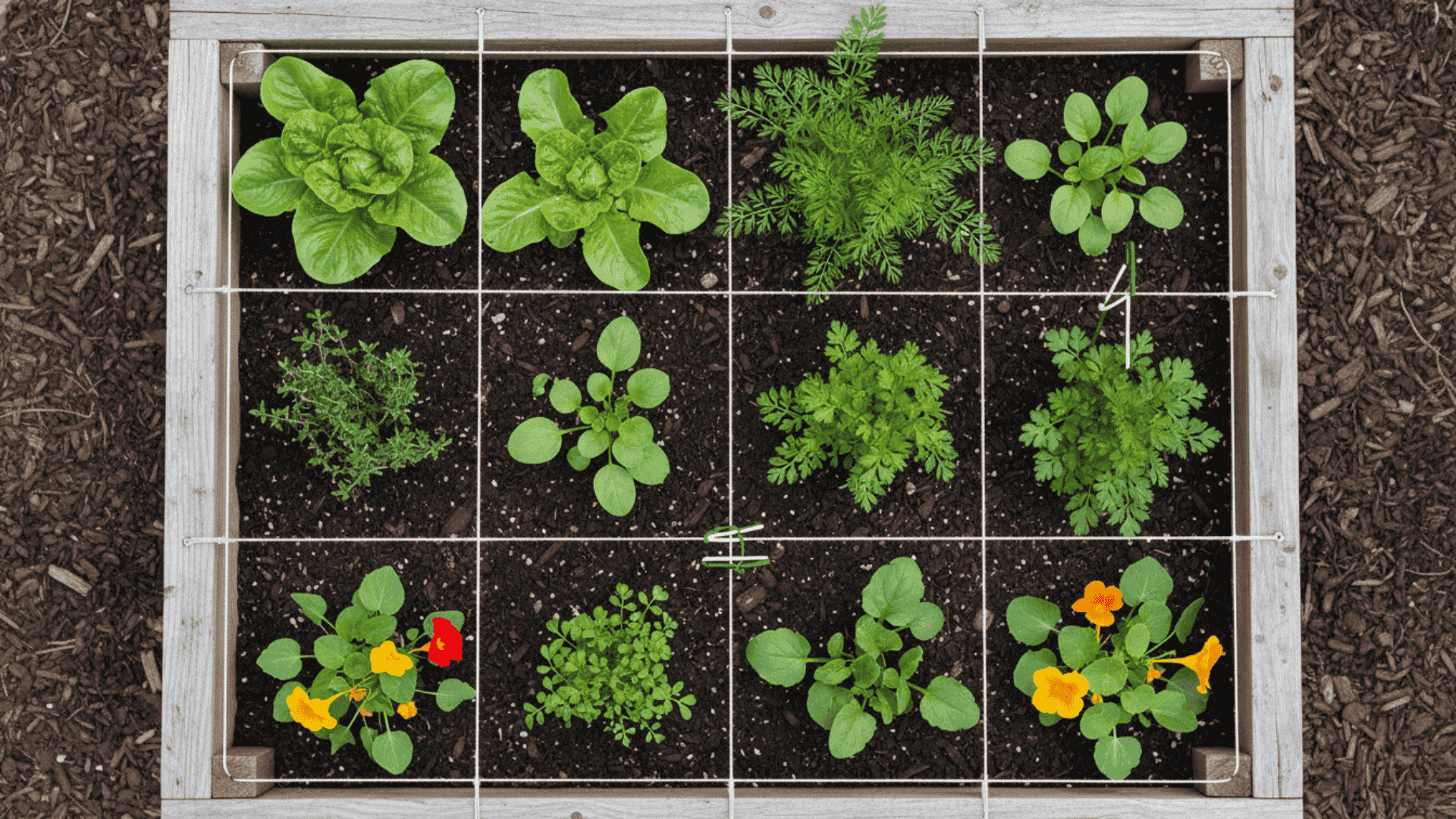
Raised beds are useful when you want a neat layout with clear paths. A common planning choice is a bed about 3 to 4 feet wide, depending on access from one or both sides. Keep the width narrow enough that you can reach the center without standing on the soil.
Bed length can match your yard. One short bed may be easier for a beginner than several long beds. Leave enough space between beds for safe walking, a wheelbarrow if needed, and full access to the plants.
Use untreated materials suitable for a food garden. Avoid wood that may contain harmful preservatives, and choose a safe location for any treated lumber. Fill the bed with a suitable growing mix that drains well and supports vegetable roots.
Reach each part of the bed from a path or open side.
Avoid soil compaction
Keep feet off the growing area so the soil stays loose enough for roots and water.
Check the fill
Use clean, suitable soil or growing mix. Do not assume any bulk soil is safe for food crops.
Small Backyard Vegetable Garden Layout
A small garden can still grow a useful range of food. Use one or two compact beds, containers, or a mix of both. Focus on crops that produce well in the space you can give them rather than trying to grow every vegetable at once.
Place tall crops where they will not shade shorter ones. Use a trellis for suitable climbing beans or cucumbers, and plant quick crops such as leaf lettuce where you can reach them often. Leave a clear path to every bed.
Use corners well
Put containers or compact herbs in corners that receive enough light.
Grow upward
Use a secure trellis for crops that naturally climb or can be trained to grow vertically.
Limit crop variety
Start with a few crops you enjoy eating, then add more when you understand the space and workload.
In-Ground Vegetable Garden Design
An in-ground garden can be a practical choice when the soil is suitable and the yard has room for paths between rows. Mark the planting areas with stakes and string before digging. This helps you judge the space and keep the layout straight.
Do not work soil when it is very wet, since digging or walking on it can damage its structure. Remove weeds, test the soil when needed, and add organic matter based on the soil’s condition. If the site has drainage or contamination concerns, address those before planting food crops.
Use clear rows
Space rows to match the mature size of the crops and the room needed to walk between them.
Keep paths firm
Use a stable path surface that is easy to walk on and does not wash into the beds.
How to Plan Your Garden Step by Step
A simple plan can prevent wasted space and extra work. You do not need a detailed landscape drawing. A rough sketch with bed sizes, paths, water access, and crop names is enough to guide your first season.
Plan the fixed features first, then fit the plants around them. Check seed packets and local planting advice before choosing dates. In much of the United States, the right planting time depends on frost dates, heat, and the crop.
Step 1: Measure the Space
Measure the length and width of the area you can use. Mark trees, fences, sheds, paved areas, and any place that collects water. Note the location of a hose or outdoor tap.
Draw the space on paper, using a simple scale if that helps. Add beds and paths, then check whether you can reach all planting areas. Leave enough room to open gates and move around without stepping on plants.
Mark fixed features
Include fences, walls, trees, drains, and other items that affect light or access.
Test the route
Make sure you can reach each bed with a watering can, hose, or garden tool.
Step 2: Test the Soil and Drainage
Soil affects root growth, water flow, and how well plants use nutrients. A soil test can help you learn the pH and nutrient levels. Use the results to guide any needed changes instead of adding fertilizer by guesswork.
Watch how water behaves after rain or watering. If it sits for a long time, the site may drain poorly. Raised beds or a different location may help, but first consider the cause of the problem.
Test before amending
Follow a local soil testing service’s sampling directions and use the results to guide changes.
Use clean materials
Choose compost and soil from sources that can explain their contents and intended use.
Step 3: Choose Crops for Your Region
Choose vegetables that fit your local growing season and the amount of care you can provide. A crop that thrives in a cool spring may struggle in summer heat. A warm-season crop may fail if you plant it before the soil and air are warm enough.
Use local university extension services for planting calendars and crop advice. The United States has many climate zones, so a planting date that works in Minnesota may not work in Florida, Arizona, or coastal California.
For new gardeners
Try a small set of crops suited to your climate, such as leaf lettuce, radishes, bush beans, or tomatoes when conditions fit.
For frequent harvests
Plant small amounts of quick-growing crops at intervals when local advice says the season permits.
For long-term crops
Give large or slow-growing plants enough room and plan for their full growing season.
Step 4: Draw Beds, Paths, and Supports
Put the plants with the greatest sunlight needs in the brightest spots. Place tall crops and trellises where they are less likely to shade short crops. Keep climbing plants away from narrow paths where vines could block movement.
Add labels to the sketch. Write each crop’s name, planned spacing, and expected planting time. This makes it easier to see whether you have allowed enough room before buying seed or seedlings.
Plan the tallest crops first
Use mature height and the sun’s path to decide where tall plants belong.
Leave room for harvest
Allow space to reach fruit, remove damaged leaves, and check plants for pests.
Step 5: Plant and Track Results
Prepare the beds, plant at the recommended depth, and water as needed. Keep labels in place so you know which crop is growing where. Check moisture and plant growth often while seedlings establish.
Write down what worked and what did not. Note shady areas, plants that grew too close together, and crops that needed more water than expected. These notes can guide next season’s layout.
Check plants often
Look for wilt, yellow leaves, insect damage, and signs of poor drainage.
Adjust the next planting
Use what you learn to change spacing, crop choice, or bed placement in the next cycle.
Pick Vegetables That Fit Your Space
The crops you choose will shape the whole garden design. Some plants stay small and grow fast, while others spread across the ground or need strong supports. Read the mature size and spacing details before deciding how many plants to grow.
A few well-placed plants can be more useful than a crowded bed full of struggling crops. Choose foods your household eats often, and leave space for paths, air movement, and harvest. If you have a short growing season, favor crops that can mature within it.
Source: dhakamail.com
Leafy greens
Lettuce, spinach, and similar crops can suit compact beds. Their best planting times depend on local temperatures.
Tomatoes and peppers
These crops need suitable warmth, sunlight, and room. Many tomato types benefit from a cage or stake.
Beans
Bush beans need ground space, while pole beans can climb a secure trellis.
Cucumbers
Some varieties can grow on a trellis, which may reduce the space vines use on the ground.
Carrots and radishes
These root crops need soil suited to their root growth. Remove stones and large clumps where they may block straight roots.
Herbs
Basil, parsley, and other useful herbs can fit near the kitchen door if the light and growing conditions suit them.
Use Plant Spacing to Prevent Crowding
Plant spacing is the room each crop needs to grow. Follow the spacing on the seed packet or plant label, then consider how the mature leaves and stems will spread. Plants that are too close can shade each other and make watering, harvest, and pest checks harder.
Do not fill every open gap with another plant. Some empty space is useful, especially around crops that grow large. You can use short-season crops in open areas when their harvest time will not interfere with the main crop.
Check mature width
Plan around the size of a full-grown plant rather than the size of a seedling.
Allow airflow
Use the recommended spacing to help leaves dry and make plants easier to inspect.
Create a Practical Garden Layout for Your Yard
A useful backyard layout makes the most of the light and space available. It should also fit the way you move around the yard. Keep paths clear, put tools where you can reach them, and avoid placing beds where roof runoff floods the soil.
A small sketch can help you compare several designs before you build anything. The examples below are planning ideas, not fixed rules. Adjust bed sizes and crop choices to match your site.
Source: jagonews24.com
Layout Idea for a Small Yard
Use one compact bed or a few large containers near a sunny wall or fence, provided the spot gets enough light. Put a trellis along a suitable edge for climbing crops. Keep the center open for a path or a small work area.
Avoid placing every pot in one tight cluster if doing so blocks light or airflow. Containers can be moved when needed, but large pots become heavy once filled and watered. Choose their final location with that weight in mind.
Main bed
Grow a few favorite vegetables with enough room for their mature size.
Container corner
Use pots for herbs or compact crops that suit the light available.
Vertical edge
Add a sturdy support for climbing crops without blocking a gate or walkway.
Layout Idea for a Medium Backyard
Two or three beds with paths between them can work well in a medium yard. Group crops with similar watering needs when practical. Place tall supports so they do not cast long shadows over short crops that need more sun.
Leave a clear area for compost, spare pots, or a tool box if you need one. Keep compost and garden supplies away from play areas and locations where they could block access.
Bed one
Use for crops that need strong sun, such as tomatoes or peppers.
Bed two
Use for leafy crops, beans, or other vegetables that fit the season and available space.
Service area
Keep watering tools and basic supplies close without narrowing the paths.
Layout Idea for a Large Backyard
A large yard can support longer rows, several raised beds, and a wider range of crops. Divide the area into clear sections rather than planting everything at once. This helps you manage watering, weed control, and harvest through the season.
Plan for crop rotation, which means changing where related crops grow from year to year. Rotation can help reduce the buildup of some crop-specific pests and diseases, though it does not solve every garden problem. Keep a simple record of each bed’s crops so the next plan is easy to make.
Group related tasks
Place crops with similar needs together when that makes care easier.
Leave service paths
Make sure you can carry compost, reach a hose, and move harvest baskets without walking through beds.
Expand in stages
Start with the area you can maintain, then add beds after you learn how much work the first area needs.
Use Companion Planting With Care
Companion planting means growing different plants near one another for a practical reason. Gardeners may group crops to use space, attract helpful insects, or make care easier. However, not every popular companion planting claim has strong evidence, and a mixed bed is not a substitute for sound soil and water care.
Start with combinations that make sense for growth and access. For example, a climbing crop may use a trellis above a low crop if neither plant blocks the other’s light or root space. Avoid crowding plants together just because a chart lists them as companions.
Source: jagonews24.com
Plan for Plant Height and Root Space
Place taller plants where they will not shade crops that need more sun. Consider both above-ground growth and the space roots need below the surface. Two plants can look compatible at first but compete for light, water, or nutrients as they mature.
Use plant labels and local growing guidance to check mature size. If a pairing creates too much shade or makes it hard to reach the soil, separate the crops in the next planting.
Match growth habits
Pair crops only when their mature height, spread, and support needs fit the same space.
Keep claims in perspective
Do not rely on companion planting alone to prevent pests or disease.
Plan Watering, Soil Care, and Maintenance
A garden layout should make routine care easy. Put beds within reach of a hose or another safe water source, and leave space to check soil moisture. The amount and timing of water depend on weather, soil, container size, and crop growth.
Water the root zone when practical, rather than wetting leaves without need. Check the soil before watering instead of following a rigid daily schedule. Containers and raised beds may dry out faster than in-ground beds, especially during hot, windy weather.
Healthy soil needs more than water. Add compost when appropriate, follow soil test guidance, and avoid excess fertilizer. Too much fertilizer can harm plants or cause nutrients to move into nearby water.
Source: jagonews24.com
Make watering easy
Place beds where a hose or watering can can reach without crossing fragile plants.
Check soil moisture
Feel the soil near the root zone and consider recent rain before watering again.
Mulch where suitable
A suitable layer of organic mulch can help limit weeds and reduce moisture loss. Keep mulch from pressing against plant stems.
Feed based on need
Use soil test results and crop guidance to decide whether fertilizer is needed and how much to apply.
Build a Layout That Is Easy to Maintain
Make sure each bed has enough access for weeding, pruning, and harvest. A narrow path may seem fine on paper but become awkward when plants spread or a hose lies across it. Plan paths for the tools and people who will use the garden.
Keep basic tools in a dry place near the growing area. A small basket for harvest and a simple record of watering or planting dates can save time. The goal is to make care easy enough that you can keep doing it.
Keep paths clear
Remove loose items that could cause trips or block access to the beds.
Check plant health
Look at leaves, stems, and soil often so you can spot problems early.
Harvest on time
Pick crops at the stage recommended for their variety and use.
Common Backyard Vegetable Garden Design Mistakes
Most garden design problems begin with a poor fit between the site and the crops. A bed may look tidy when first planted but become crowded, dry, or hard to reach as plants grow. A few checks before planting can prevent much of this trouble.
When a crop struggles, look at its growing conditions before adding more fertilizer or water. Check light, soil moisture, drainage, spacing, and signs of pests. Change one likely cause at a time when possible so you can judge what helps.
Source: dhakapost.com
Putting beds in too much shade
Move sun-loving crops to a brighter site when practical, or choose crops better suited to the light available.
Making beds too wide
Narrow the planting area or add access from another side so you can reach plants without stepping on the soil.
Planting too many crops
Reduce the number of plants and give each one the room listed on its seed packet or label.
Ignoring drainage
Check where water collects and address the cause before planting. A raised bed may help in some cases, but it does not fix every drainage issue.
Using unsafe soil or wood
Check soil sources and avoid materials that may introduce harmful chemicals into a food-growing area.
Forgetting crop rotation
Keep a record of crop families in each bed and change locations when space allows.
Not planning for heat
Choose crop varieties suited to the local season and prepare for periods of hot weather or drought.
What to Do When Plants Fail to Thrive
Yellow leaves, wilt, weak growth, or damaged fruit can have several causes. Check whether the soil is too wet or too dry, whether the plant gets enough light, and whether insects or disease signs are present. Do not assume that every yellow leaf means the plant needs fertilizer.
Use reliable local plant health resources to identify a likely cause before applying a treatment. Follow product labels if a pesticide or other garden product is needed, and avoid spraying when conditions or pollinator activity make it unsafe. If you cannot identify the issue, a local university extension service may help.
Wilted plants
Check soil moisture and root conditions first. Both dry soil and waterlogged roots can cause wilt.
Pale or yellow leaves
Review watering, light, and soil test results before adding nutrients.
Poor fruit set
Consider heat, cold, pollination, plant health, and variety needs before changing the layout.
A Simple Example of a Backyard Vegetable Garden Plan
For a small, sunny backyard, a simple plan might use two narrow raised beds, one trellis, and a few containers. This example is a starting point, not a universal design. Adjust the dimensions, crop choices, and planting dates to suit the site and local growing season.
Use the first bed for a few tomato or pepper plants if the climate and space allow. Use the second bed for leafy greens, bush beans, or other crops suited to the season. Put herbs in containers near the door, and place a trellis where climbing plants can grow without blocking the path.
Source: jagonews24.com
Bed one
Plant a small number of sun-loving crops, leaving the spacing recommended for their mature size.
Bed two
Grow seasonal greens or compact crops that fit the available light and planting window.
Trellis area
Use a stable support for a suitable climbing crop and keep it clear of the main walking route.
Herb containers
Grow a few herbs in pots with drainage holes and a suitable growing mix.
Path and tool space
Keep access open for watering, weeding, picking, and moving supplies.
How to Improve the Plan Over Time
Keep a short garden log during the season. Record which crops did well, where shade fell, and which areas needed more water. Note any beds that felt too crowded or paths that were too narrow.
At the end of the season, use those notes to adjust the next plan. You may decide to reduce the number of tomatoes, add a trellis, move a container, or grow more of a crop your household used often. Small changes can make the garden easier to manage.
Keep what works
Repeat crops and layouts that fit your space and care routine.
Change one problem area
Use your notes to target a clear issue rather than redesigning the whole garden without a reason.
Where to Find Reliable Local Gardening Advice
Local growing advice helps you choose planting dates, crop varieties, and care methods that fit your climate. The United States includes regions with very different frost dates, summer heat, rainfall, and soil types. A general planting chart may not fit your county or growing zone.
University extension services and public gardening resources can help you make a more useful plan. Check the date and location of the guidance, and use crop-specific advice when general tips conflict with your plants’ needs. For soil concerns, follow an appropriate soil testing service’s directions.
Local university extension
Look for planting calendars, vegetable growing guides, soil testing information, and pest management advice for your region.
Seed packets and plant labels
Use these for variety-specific spacing, planting depth, maturity estimates, and basic growing needs.
Local frost dates
Use local frost information as one planning tool, while also checking soil temperature and crop-specific requirements.
Adjust the Design to Your Climate
Gardeners in cooler northern areas may need to plan around a shorter warm season. Gardeners in hot southern areas may need to protect some crops from intense summer heat and choose planting windows that avoid the harshest weather. Coastal, mountain, and desert sites can have their own conditions.
Do not copy a planting calendar from another state without checking the details. Use your local climate, the crop variety, and the current season to decide when to sow or transplant. A flexible plan is more useful than a fixed date that does not fit your yard.
Cool climates
Focus on suitable short-season varieties and protect tender crops from cold when needed.
Hot climates
Check heat tolerance, water needs, and local planting windows before choosing crops.
Variable microclimates
Use observations from your own yard because walls, slopes, and trees can change light and temperature.
Frequently Asked Questions
Q
What is the best layout for a backyard vegetable garden?
The best layout is one that fits your sunlight, soil, yard size, and care routine. Raised beds suit gardeners who want clear planting areas, while in-ground rows can work well in larger yards with suitable soil. Containers are useful for patios and small spaces. Keep every bed easy to reach and leave room for paths.
Q
How much sun does a backyard vegetable garden need?
Many common fruiting vegetables, including tomatoes and peppers, grow best with plenty of direct sun. Leafy greens may tolerate some shade, though growth can change with light levels and temperature. Check the needs of each crop and observe your yard at different times before choosing the garden site.
Q
Are raised beds better than planting vegetables in the ground?
Neither method is best for every yard. Raised beds can improve access and let you control the growing mix, but they need suitable fill and may dry out faster. In-ground beds can use existing soil and cost less to set up, provided the soil is suitable and drains well.
Q
What vegetables are easiest to grow in a small backyard?
Leaf lettuce, radishes, bush beans, and some herbs can suit small spaces when the season and growing conditions are right. Compact tomato varieties may also work in large containers. Check mature plant size, sunlight needs, and local planting dates before choosing crops.
Q
How wide should a raised vegetable garden bed be?
A bed about 3 to 4 feet wide is a common planning range when it can be reached from both sides or from carefully planned access points. A bed reached from only one side should be narrower. The main rule is simple: you should be able to reach the planting area without stepping on the soil.
Q
Can I grow vegetables in a backyard with partial shade?
Yes, some vegetables can grow in partial shade, though the range of suitable crops may be smaller and harvests may change. Leafy greens are often better candidates than crops that need strong sun to produce fruit. Track the hours of direct light and select varieties suited to those conditions.
Q
How do I keep my vegetable garden from looking messy?
Use clear bed edges, paths, plant labels, and supports for crops that need them. Keep plants within their planned space and remove weeds and dead plant material as needed. A simple layout with fewer crops often looks tidier and is easier to care for than a crowded garden.
Q
When should I start planning my backyard vegetable garden?
Start planning before your local planting window. Use that time to measure the yard, check sunlight, test soil if needed, choose crops, and prepare beds. The right planting date depends on your region, crop type, weather, and soil conditions, so use local guidance instead of relying on one national date.
✦ Wrapping Up
Conclusion
A good backyard vegetable garden design starts with the space you have, not the garden you wish you had. Check sunlight, drainage, and soil first. Then choose a layout that gives each crop enough room and makes daily care easy.
Raised beds, in-ground rows, containers, and trellises can all work when they suit the site. Begin with a few vegetables you enjoy eating, follow local planting advice, and keep notes through the season. Your first layout does not need to be perfect. It needs to be clear, useful, and easy to improve.
💡 Key Takeaway
Measure your sunny growing area today, sketch one simple layout, and choose three vegetables that fit your local season. Before planting, check their spacing, sunlight needs, and mature size. Note: the supplied image list contains news photographs with unrelated subjects, not verified vegetable garden images. Replace those image URLs and their alt text with licensed, relevant garden photographs before publishing.