Gardening in fall and winter means growing cold-tolerant crops, protecting plants from frost, caring for soil, and preparing beds for spring. The best plan depends on your USDA hardiness zone, local first and last frost dates, and the amount of winter sun your garden gets.
Across the United States, fall does not bring the same garden weather to every yard. A gardener in Maine may face frozen soil and snow, while a gardener in Georgia may still pick leafy greens well into winter. In parts of Florida and southern California, mild weather can support a long cool-season crop cycle.
The key is to work with your local climate rather than follow one fixed calendar. Plant cool-season crops early enough to grow before days get too short, protect tender plants when frost threatens, and use the cooler months to build healthy soil. Even when outdoor growth slows, you can still tend bulbs, shrubs, containers, and garden tools.
Source: gardeningtutorials.com
What Gardening in Fall and Winter Involves
Fall and winter gardening covers two related jobs: growing plants that tolerate cool weather and helping the rest of the garden survive until spring. Some crops grow well in chilly air, while other plants need protection from frost, freezing soil, wind, or excess moisture.
The work also changes with the season. Early fall may be a good time to sow leafy greens or plant spring-flowering bulbs. Late fall is often better for cleaning beds, adding mulch, and planting suitable trees and shrubs. Winter may bring fresh harvests in mild regions, but in colder areas it is often a time for maintenance and planning.
A garden does not need to produce food every month to remain useful. Protecting soil, checking stored bulbs, cleaning tools, and managing water can all make the next growing season easier.
Source: rotected.com
Cool-season growing
Grow crops that tolerate cool weather and have enough time to mature before severe cold or low winter light slows them down.
Winter protection
Reduce cold stress with mulch, suitable covers, wind protection, and good drainage. Match each method to the plant and local weather.
Garden preparation
Clear diseased debris, manage weeds, improve soil where needed, and plan next season’s planting areas.
Plan Around Your USDA Hardiness Zone and Frost Dates
Start with your local growing conditions before buying seeds or setting planting dates. USDA hardiness zones describe average annual extreme minimum winter temperatures. They help you judge whether perennial plants are likely to survive winter, but they do not tell you the exact date to sow vegetables or predict every cold snap.
For annual crops, the expected first fall frost and the crop’s days to maturity are often more useful. Check the seed packet for the variety’s maturity time and any advice about fall sowing. Count backward from your likely harvest window, allowing extra time when days are short or growth is slow.
Your garden may also have a different climate from the nearest weather station. A sheltered wall can stay warmer than an exposed bed, while a low spot can collect cold air. Raised beds may warm and drain differently from heavy ground soil, so use local forecasts and observe your own site.
Source: secretlifeofhomesteaders.com
Cold-winter regions
In much of the northern United States and colder inland areas, plan early fall harvests, protect suitable overwintering crops, and use winter for bed care.
Middle-latitude regions
Parts of the Midwest, Mid-Atlantic, and upper South can support fall greens and root crops, but planting windows vary with elevation and local frost dates.
Mild-winter regions
In parts of the Gulf Coast, southern California, and the desert Southwest, winter can be a productive season for cool-season vegetables. Heat, rainfall, and local planting calendars still matter.
How to Set a Fall Planting Date
Find the estimated days to maturity on the seed packet, then compare that period with the time left before your likely harvest cutoff. A crop listed at 50 days to maturity may need longer in cool weather, especially as daylight declines. Treat the number as a guide rather than a promise.
Check the forecast
Look beyond the next few days when planning a new sowing. A sudden cold spell can damage young plants before they establish.
Allow for slower growth
Use extra time for crops planted late in the season because short days and cold soil can slow germination and growth.
What to Plant in Fall for a Winter Harvest
Choose crops that match your local climate, the time left in the season, and the level of frost protection you can provide. Many cool-season vegetables grow best during mild weather. Some tolerate light frost, while others can survive colder spells only when the variety, growing stage, and conditions are suitable.
In colder regions, the best time to sow many fall crops is often late summer or early fall, not the start of winter. Plants need time to develop roots and leaves before daylight and temperatures drop. In warmer parts of the country, gardeners may sow suitable crops later and harvest through winter.
Read the seed packet for spacing, maturity, and seasonal advice. A crop that thrives outdoors in a mild coastal garden may struggle in a windy inland yard with frozen ground.
Source: ourplatforms.com
Kale
Kale handles cool weather well and may keep producing after light frosts. Choose a suitable variety and protect plants during severe cold.
Spinach
Spinach grows well in cool conditions. Sow early enough for plants to establish, and use a cover if your local winter conditions require one.
Lettuce
Cold-tolerant lettuce varieties can grow in fall and mild winter weather. Very low temperatures and frozen soil can still stop growth or damage plants.
Carrots
Carrots can be a useful fall crop where the roots have enough time to develop before the soil freezes. Loose soil helps roots form well.
Radishes
Many radishes mature quickly and suit cool weather. Check the variety’s maturity time and avoid sowing when the soil is too cold for reliable germination.
Turnips and beets
These root crops can work in suitable fall planting windows. Their success depends on the variety, local frost timing, and remaining growing time.
Garlic
In many regions, garlic is planted in fall for harvest the following summer. Follow local planting guidance because timing and variety affect winter establishment.
Can You Plant Vegetables in Winter?
Yes, but winter planting depends on where you live. In mild parts of the United States, gardeners can often sow selected leafy greens and root crops during winter. In colder regions, outdoor sowing may fail because seeds need soil temperatures that support germination and young roots cannot establish in frozen ground.
In a cold climate, consider winter sowing in suitable containers outdoors, using a cold frame, or starting seeds indoors when the crop and timing support those methods. Winter sowing is not a guarantee of early growth; seeds still respond to temperature, moisture, and daylight.
Use a cold frame
A cold frame can shield crops from wind and some temperature swings while letting sunlight in. Vent it when the inside becomes too warm.
Try protected beds
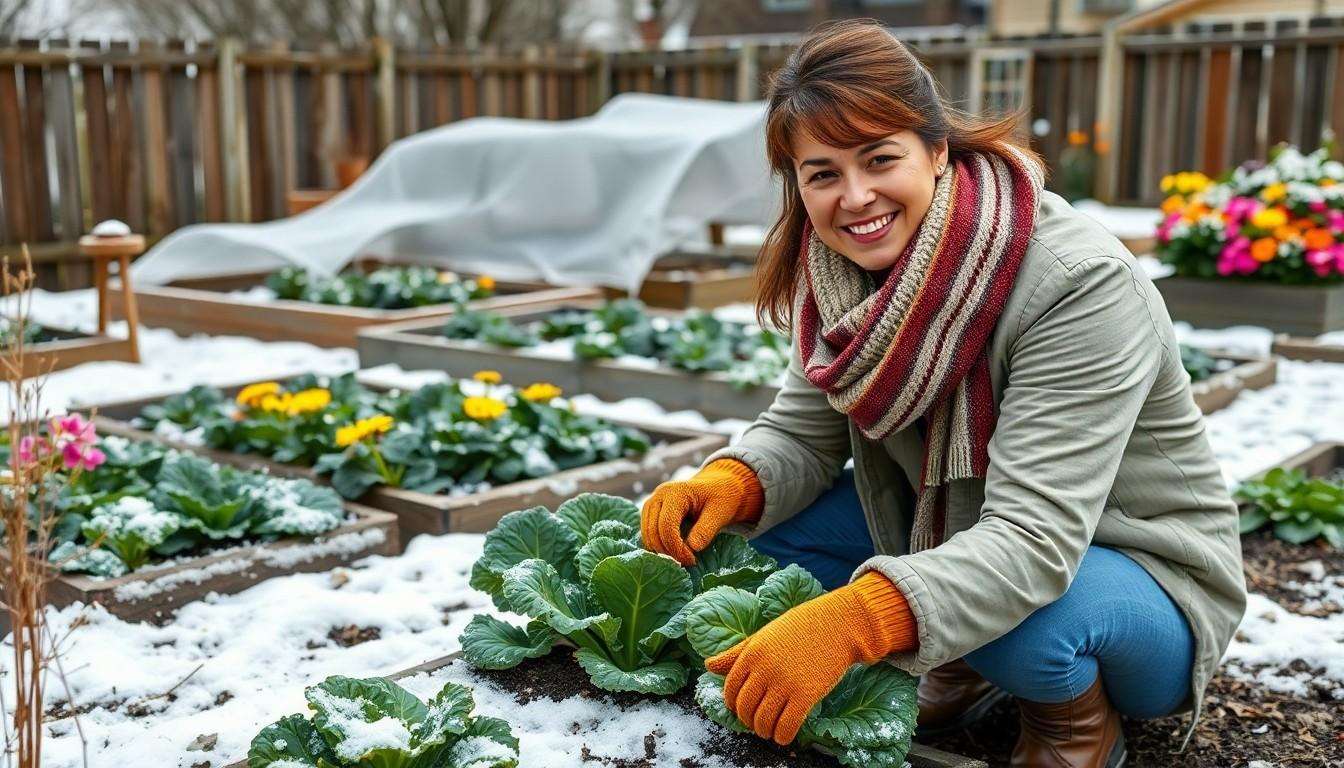
A low tunnel or row cover may extend the harvest period, but its protection has limits during hard freezes and strong winds.
Prepare Garden Beds Before the Ground Freezes
Fall is a good time to improve garden beds because many crops are finished and the soil is easier to assess. Remove spent plants that are diseased or heavily infested, pull troublesome weeds before they set seed, and check whether water drains away after rain.
Healthy plant roots and some disease-free stems can often stay in the soil and break down over time. Avoid stripping every bed bare just for appearance. Plant residue can protect the soil surface, although it should not be left in place when it may carry a serious pest or disease into the next season.
Do not work soil when it is wet enough to smear or compact under pressure. Heavy digging in wet clay can damage soil structure and leave hard clods that are difficult to manage later. If the bed is wet, wait for better conditions.
Source: chiyapuri.blogspot.com
Remove diseased material
Dispose of plants with serious disease or pest problems according to local guidance. Do not put suspect material in a home compost pile that may not reach suitable temperatures.
Add mature compost
Spread finished compost where soil needs organic matter. Compost improves soil structure and can support water retention, but it does not replace a soil test when nutrient needs are uncertain.
Cover bare soil
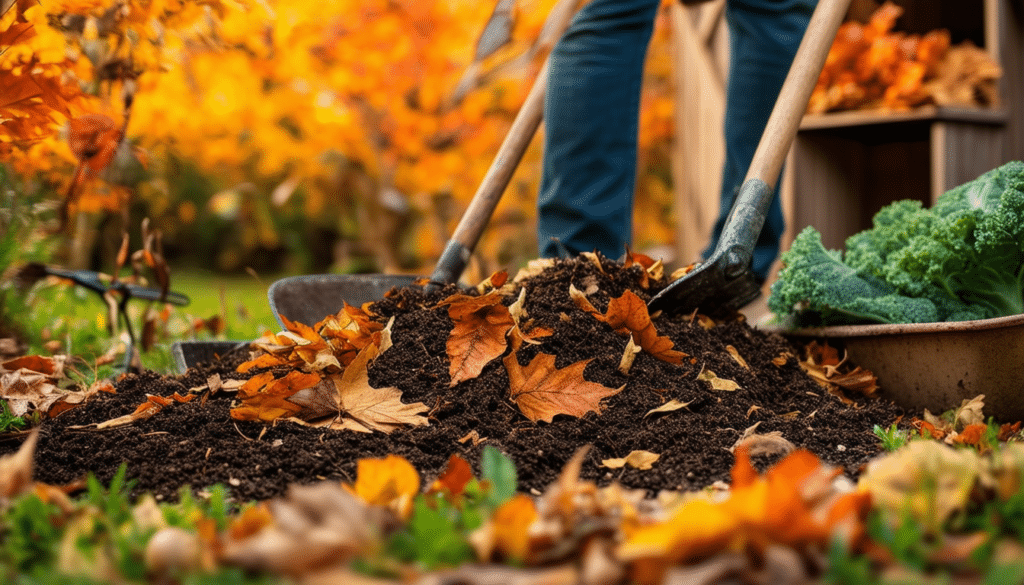
Use a suitable organic mulch or grow a cover crop when practical. Bare soil is more exposed to erosion, crusting, and weed growth.
Check drainage
Look for standing water after rain. Persistent wet soil can harm roots, so address drainage issues before adding more water or thick mulch.
Should You Till Your Garden in Fall?
Not every garden needs fall tilling. Repeated tilling can break soil aggregates and disturb soil life, while working wet soil can cause compaction. In a small home garden, removing weeds, adding compost to the surface, and using mulch may be enough.
Tilling can still have a role when you need to incorporate a soil amendment or prepare a new bed. Choose the method based on soil condition and the job at hand, rather than making tilling a yearly rule.
For established beds
Use low-disturbance methods when possible and avoid stepping on growing areas to limit compaction.
For a new bed
Remove persistent weeds, check soil texture and drainage, and use a suitable preparation method before planting.
Protect Plants From Frost, Snow, and Cold Wind
Protect plants before a damaging cold night, not after you find blackened leaves. Check the local forecast and learn which plants can handle light frost and which need shelter. A frost advisory is a useful warning, but actual damage also depends on plant type, exposure, soil moisture, and how low temperatures fall.
Row covers, frost cloth, cold frames, and suitable mulch can help reduce cold stress. Covers work by limiting heat loss and shielding plants from wind. They do not make tender plants immune to hard freezes, and a cover that touches sensitive foliage may provide less protection than one held above it.
Water needs also change in cold weather. Soil that is dry before a freeze can increase stress for some plants, but saturated soil can harm roots and freeze in ways that damage containers. Check moisture at root level instead of watering by a fixed weekly schedule.
Source: mizhelenscountrycottage.com
Use breathable plant covers
Choose a suitable frost cloth or row cover and secure its edges. Remove or vent it as needed on sunny days to prevent excess heat and moisture buildup.
Apply mulch at the right time
Mulch can buffer soil temperature and protect roots. After the soil begins to cool, apply an appropriate layer around plants without piling it against stems or tree trunks.
Move containers to shelter
Place vulnerable pots in a protected spot when practical. Small containers can cool faster than garden soil, and some ceramic pots may crack when wet soil freezes.
Protect young trees and shrubs
Keep roots watered during dry spells before the ground freezes. Use plant-specific protection where needed, and avoid wrapping plants in materials that trap moisture or restrict growth.
What to Do After a Frost
Wait until the damage is clear before cutting back every affected plant. Frost can blacken tender leaves while stems or roots remain alive. Check the plant over the next few days and follow pruning advice for that species.
If a plant in a pot has frozen soil, do not force the root ball out or pour hot water into the container. Move it to a suitable sheltered area if possible and let it thaw gradually. Check drainage and avoid keeping the roots soaked.
Assess before pruning
Remove clearly dead or diseased material when appropriate, but delay major pruning if it is unclear which stems have survived.
Check protected crops
Inspect row covers and cold frames for torn fabric, loose edges, excess moisture, and signs that plants were still exposed.
Use Mulch and Cover Crops to Care for Soil
Mulch and cover crops protect soil in different ways. Mulch forms a layer over the surface, while cover crops grow in the bed and hold the soil with their roots. Both can reduce erosion and help limit weeds when used in the right setting.
Common garden mulches include shredded leaves, clean straw, and suitable wood-based materials. Choose a material that fits the crop and local conditions. Keep mulch away from plant crowns and woody stems, and do not use material that may contain persistent herbicide residues or other contaminants.
Cover crops are living plants grown mainly to protect and improve soil rather than to harvest as food. Options can include cereal rye, oats, clover, and other regionally suitable species. The right choice depends on climate, planting date, rotation, and whether the crop can be killed or incorporated before spring planting.
Source: www.pinterest.com
Shredded leaves
Chopped leaves can form a useful protective layer and break down over time. Whole, wet leaves may mat together, so shredding can help improve airflow.
Clean straw
Straw can protect soil and root crops where suitable. Check that it is not contaminated with weed seeds or unwanted chemicals.
Cover crops
Use a species that suits your region and planting window. Plan how you will manage it in spring so it does not compete with vegetables.
Is It Too Late to Plant a Cover Crop?
It can be too late for some cover crops if the seed will not germinate or the plants cannot establish before winter. Cold-hardy species may work later than tender ones, but the local planting window matters. Check regional extension guidance for suitable species and sowing dates.
If the window has passed, use a suitable mulch to protect bare soil instead. A simple layer of clean organic material is often more practical than sowing a cover crop that is unlikely to establish.
Match the species to the season
Choose a cover crop that can germinate and establish in your remaining warm days and expected winter conditions.
Care for Perennials, Shrubs, Bulbs, and Containers
Many established perennials need less attention in winter than they do during active growth, but the right care depends on the species. Some benefit from leaving seed heads and stems in place, while others need diseased foliage removed. Avoid cutting every plant to the ground simply because the season has changed.
Fall is also a common time to plant spring-flowering bulbs in regions where the soil remains workable and the bulb species needs winter chilling. Planting depth and spacing vary by bulb, so follow the supplier’s instructions. In warm-winter areas, choose bulbs that suit local conditions rather than assuming all spring bulbs will perform well.
Container plants need extra attention because their roots have less soil around them for insulation. Grouping pots in a sheltered location, raising them above standing water, and protecting vulnerable containers can help. Some plants are best moved indoors, but only when their light and temperature needs allow it.
Source: uksn.org.uk
Leave healthy seed heads
Some ornamental plants provide food for birds and shelter for beneficial insects. Remove material when it is diseased or creates a specific maintenance problem.
Plant suitable bulbs
Choose bulb types suited to your region and plant while the soil is workable. Avoid leaving bulbs exposed to drying wind or storing them in damp, poorly ventilated conditions.
Protect potted plants
Check each plant’s cold tolerance, water needs, and light needs. A warm indoor room is not suitable for every outdoor plant.
Should You Prune Plants in Fall?
Pruning time depends on the plant, its flowering cycle, and the reason for pruning. Some shrubs flower on old wood, so cutting them back in fall can remove next season’s flower buds. Other plants may need limited removal of broken, dead, or diseased branches.
Use clean, sharp tools and avoid heavy pruning when a plant is entering dormancy unless a specific need or local guidance supports it. For trees with major limbs, disease concerns, or overhead hazards, seek a qualified arborist rather than attempting risky work.
Identify the plant first
Check when it flowers and whether it blooms on old or new growth before deciding when to prune.
Remove hazards safely
Do not climb unstable ladders or cut large branches near power lines. Leave hazardous work to trained professionals.
Adjust Watering, Weeding, and Pest Checks
Plants often need less water as temperatures fall and growth slows, but they do not all need the same amount. Rain may supply enough moisture in one region while dry winter winds leave soil parched in another. Check the soil before watering, especially around newly planted trees, shrubs, and overwintering vegetables.
Water when the root zone is dry and the ground is not frozen. Watering early enough in the day can allow foliage to dry before a cold night. Avoid routine watering when the soil is already saturated or when the plant is dormant and the ground cannot absorb the water.
Weeds can keep growing during mild weather, particularly in southern regions. Remove them before they set seed, but avoid disturbing wet soil. Continue checking plants for slugs, aphids, fungal symptoms, and other problems when the weather allows.
Source: gardeningdream.com
Check soil moisture
Feel the soil near the roots instead of relying only on the surface. The top layer may look dry while deeper soil remains wet.
Watch for poor drainage
Yellowing leaves and weak growth can have several causes. Check soil moisture, drainage, and root condition before adding fertilizer or water.
Keep pest checks simple
Look under leaves and around stems. Remove affected material when appropriate and identify the problem before using any pest treatment.
Store Tools and Garden Supplies for Winter
A little tool care in late fall can prevent rust and make spring work easier. Soil and plant sap left on metal parts can hold moisture, while wet wooden handles may crack or weaken over time. Clean and dry tools before putting them away.
Drain hoses and watering equipment before freezing weather arrives. Water left inside can freeze, expand, and damage fittings or hose parts. Store these items in a place that keeps them out of harsh weather when possible.
Check seed packets, plant labels, stakes, and protective covers before storing them. Keep seeds in a cool, dry place and follow the storage guidance for each type. Discard old or damaged supplies that may spread disease or fail when needed.
Source: medium.com
Clean cutting tools
Remove plant residue, dry the blades, and use a suitable method to disinfect tools when moving between plants with suspected disease. Follow the product label for any disinfectant.
Protect metal parts
Dry tools well and apply a suitable light protective oil to metal surfaces when appropriate. Keep oily materials away from children, pets, and ignition sources.
Drain water systems
Disconnect hoses, empty them, and store them according to the manufacturer’s directions. Protect irrigation parts that may be damaged by freezing.
Organize next season’s supplies
Group seeds, plant supports, labels, and covers so you can find them when planting time returns.
A Simple Fall and Winter Garden Checklist
A seasonal checklist helps you focus on the work that protects plants and soil first. Start with weather-sensitive tasks, then move on to cleanup, maintenance, and planning. You do not need to finish every job in one weekend.
Use the list as a flexible guide, not a fixed schedule. A warm autumn may extend outdoor planting, while an early freeze can shift your focus to protection. In mild regions, winter may remain an active growing season rather than a period of dormancy.
Source: chiyapuri.blogspot.com
Early fall
Check frost dates, sow suitable cool-season crops, plant garlic where appropriate, remove diseased plants, and assess soil drainage.
Mid to late fall
Add suitable compost, mulch beds, plant region-appropriate bulbs and woody plants, and protect crops before damaging frost.
Early winter
Drain hoses, clean tools, secure covers, check containers, and water evergreen plants during dry periods when the ground is not frozen.
Midwinter
Inspect stored bulbs and seeds, check protected crops during mild weather, plan crop rotation, and order only the supplies you need.
Late winter
Review local planting guidance, start suitable seeds at the recommended time, and prepare beds when the soil is workable rather than wet.
How to Tell Whether Your Garden Is Ready for Winter
Your garden is ready when vulnerable plants have suitable protection, diseased debris has been managed, hoses and tools are stored safely, and bare soil has a practical plan. The goal is not to make the yard look spotless. The goal is to reduce avoidable damage while keeping soil and useful habitat in mind.
Check before a freeze
Confirm that covers are secure, containers are in suitable locations, and vulnerable plants have been watered if needed before the soil freezes.
Check after storms
Look for wind damage, blocked drainage, loose covers, and branches that pose a hazard. Do not handle fallen limbs near power lines.
Frequently Asked Questions
Q
What vegetables can you grow in fall and winter?
Depending on your region, options include kale, spinach, lettuce, radishes, carrots, turnips, and beets. Garlic is commonly planted in fall for a later harvest. Choose varieties suited to your climate and allow enough time for plants to establish before severe cold.
Q
Should I water my garden in winter?
Water when plants need it and the soil can absorb it. Evergreen shrubs, newly planted trees, and winter crops may need water during dry spells. Check soil moisture first and avoid watering frozen or saturated soil.
Q
Should I leave dead plants in the garden over winter?
It depends on the plant and whether it has pests or disease. Healthy stems and seed heads can provide shelter and food for wildlife, while diseased or heavily infested material should be removed and handled appropriately. Do not leave every plant residue in place without checking its condition.
Q
Can I use regular garden soil for winter containers?
Garden soil alone is often too dense for containers and may drain poorly. Use a suitable container mix for plants grown in pots, and make sure the container has drainage holes. Choose a frost-tolerant pot and protect it if freezing weather could damage the material or roots.
Q
When should I stop planting vegetables in fall?
There is no single cutoff date for the entire United States. Check the crop’s maturity time, local frost outlook, soil temperature, and expected daylight. In cold regions, many fall planting windows close before winter begins; in mild regions, suitable crops may be planted later.
Q
Is winter a good time to improve garden soil?
Yes. You can plan crop rotations, spread suitable mature compost, protect bare beds with mulch, or establish a suitable cover crop if the planting window remains open. Avoid digging or tilling wet soil, which can damage its structure.
✦ Wrapping Up
Conclusion
Gardening in fall and winter is less about keeping every plant growing and more about choosing the right tasks for your local weather. Cool-season crops can extend the harvest, while mulch, frost covers, healthy soil, and careful watering help plants get through cold spells. In warmer parts of the country, winter may bring another stretch of active growing; in colder areas, protection and planning may matter most.
Begin with your local frost dates and the needs of the plants already in your yard. Remove diseased material, protect soil, store tools, and check vulnerable plants before severe weather arrives. Small, well-timed jobs can prevent avoidable damage and leave you better prepared for spring.
💡 Key Takeaway
This week, check your local frost outlook, choose one suitable cool-season crop or soil-care task, and protect any vulnerable plants before the next cold spell.