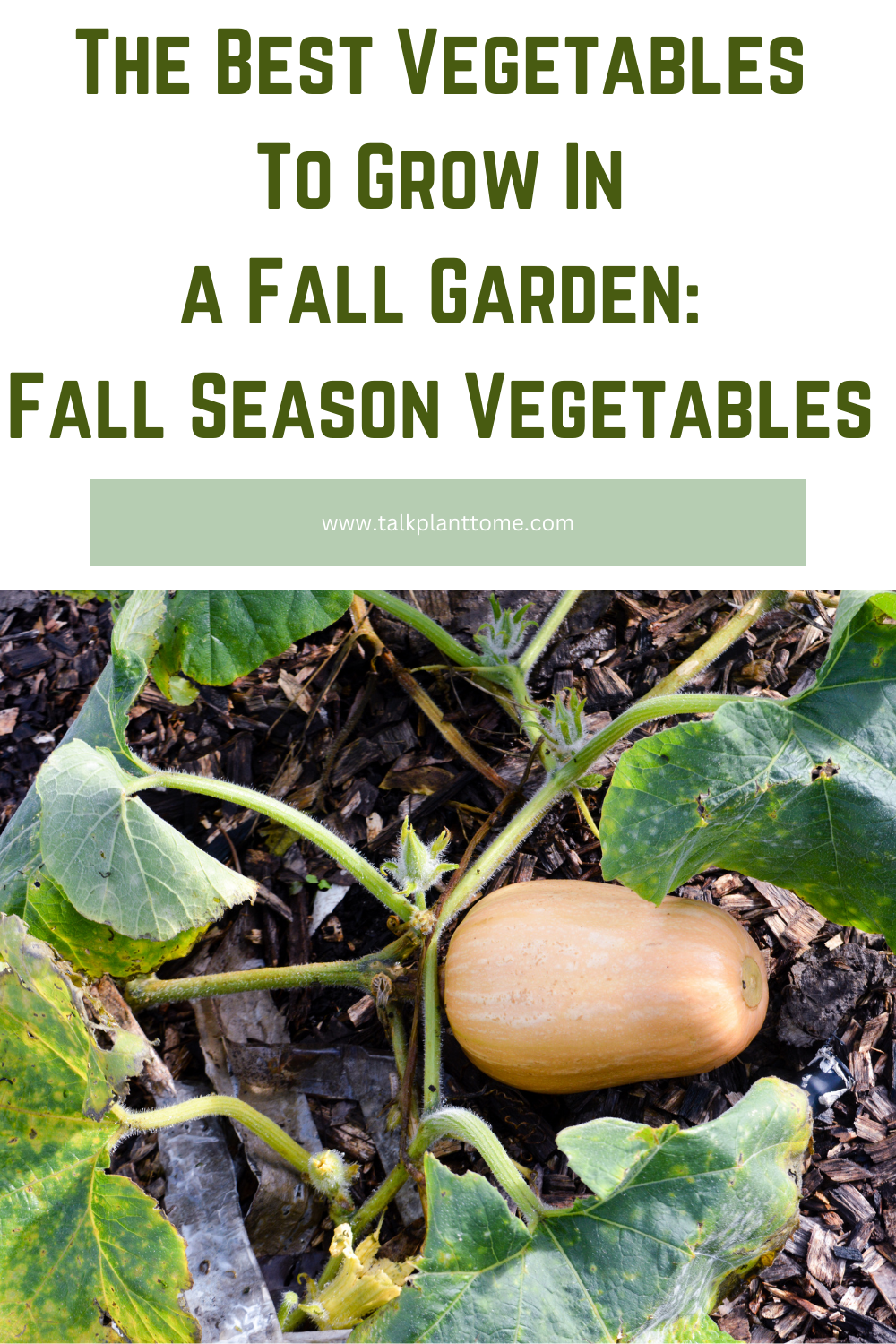
The best food to grow in the fall includes lettuce, spinach, kale, radishes, carrots, beets, turnips, broccoli, cabbage, and peas. These crops grow well in cooler weather, but your planting dates depend on your local climate and first fall frost.
Across the United States, fall is a useful time to grow fresh food at home. Gardeners in northern states may need to plant in midsummer for an autumn harvest, while those in warmer parts of Texas, Florida, Georgia, and the Gulf Coast can often sow crops later. The right planting date depends on local weather, daylight, and how long each crop needs to grow.
You do not need a large garden to enjoy fall vegetables. A raised bed, a few containers, or an open patch left behind by summer crops can provide room for fresh greens and root vegetables. Start with quick crops such as radishes and leaf lettuce, then add slower crops such as carrots, cabbage, or broccoli if your growing season allows enough time.
Source: thatsagelife.com
What Food Is Best to Grow in the Fall?
The best fall crops are usually vegetables that grow well as summer heat fades. Many leafy greens, root vegetables, and cabbage-family crops can handle cool nights better than heat-loving plants. Some also tolerate light frost, which can help extend the harvest.
Your best choices depend on how much time remains before cold weather arrives. If frost is close, choose quick-growing radishes, leaf lettuce, or baby greens. If you have several weeks of mild weather left, you may have time for carrots, beets, turnips, broccoli transplants, or cabbage.
Source: www.pinterest.com
Leafy greens
Spinach, lettuce, kale, arugula, and collards provide leaves for salads, soups, and cooked meals.
Root vegetables
Radishes, carrots, beets, and turnips grow below the soil and offer a range of flavors and textures.
Cabbage-family crops
Broccoli, cabbage, bok choy, and some cauliflower varieties can produce well during cool weather when planted early enough.
Peas and other seasonal crops
Peas may grow well in mild fall weather, though they need enough time before freezing conditions arrive. In warmer regions, some gardeners can also grow beans or other short-season crops.
1. Lettuce
Lettuce is a useful crop for a fall garden because leaf types can mature quickly and do not need much space. You can grow them in a garden bed, a window box, or a wide container with drainage holes. Loose-leaf varieties are especially handy when you want to pick a few leaves at a time.
Sow lettuce seeds in moist soil and give the plants some afternoon shade while the weather is still hot. Keep the soil damp until the seeds sprout. If the plants wilt in the afternoon, check soil moisture before adding more water.
Best use
Salads, wraps, sandwiches, and fresh toppings.
Harvest tip
Pick outer leaves from loose-leaf plants while leaving the growing center intact.
2. Spinach
Spinach is well suited to cool weather and can provide tender leaves for salads, pasta, eggs, and soups. It grows best when the soil is not too hot and has steady moisture. Hot conditions can cause poor germination or make plants send up flower stalks too soon.
Sow spinach directly in the garden and thin crowded seedlings once they have started to grow. Follow the seed packet for spacing and expected maturity. In areas with early freezes, sow early enough for the plants to establish before the weather turns cold.
Best use
Fresh salads, cooked greens, smoothies, and simple side dishes.
Harvest tip
Pick individual outer leaves or harvest the whole plant when it reaches a useful size.
3. Kale and Collard Greens
Kale and collards are strong choices when you want a leafy crop that can keep producing through cool weather. Both are useful in soups, stews, sautés, and other cooked meals. Established plants of suitable varieties can tolerate frost, although hard freezes and long cold spells can still cause damage.
Give these plants room for good airflow and keep their roots evenly moist. Watch the undersides of leaves for caterpillars and other pests. Remove badly damaged leaves and use a suitable pest control method only when needed.
Best use
Cooked greens, soups, stews, and roasted vegetable dishes.
Harvest tip
Take mature lower leaves first and leave the growing point healthy for continued growth.
Root Vegetables to Plant for a Fall Harvest
Root vegetables are worth growing in autumn because they offer a different kind of harvest from leafy greens. Carrots, radishes, beets, and turnips can grow well in cool conditions when they have enough time to mature. Their roots develop underground, so loose soil and steady moisture matter.
Prepare the bed before sowing. Remove stones, break up hard clumps, and loosen the soil without packing it down. Heavy or rocky soil can lead to forked or misshapen roots, especially with carrots. A raised bed filled with suitable soil can help if the ground drains poorly.
Source: littleyellowwheelbarrow.com
4. Radishes
Radishes are among the quickest fall crops. Many varieties are ready in roughly three to six weeks, depending on the variety and growing conditions. Sow a short row, keep the soil moist, and harvest roots while they are crisp and mild. Roots left too long may become woody, pithy, or overly sharp.
5. Carrots
Carrots need more time than radishes, so sow them early enough for the chosen variety to mature before severe cold. Seeds are small and need shallow planting and consistent moisture. Do not let the top layer of soil dry out during germination. Thin seedlings to the spacing on the packet so the roots have room to grow.
6. Beets
Beets provide edible roots and leaves. Their roots can be roasted, boiled, or grated, while young leaves can be cooked like other greens. Sow them in loose soil and thin seedlings as needed. Harvest roots when they reach a useful size instead of waiting for every beet to become large.
7. Turnips
Turnips can produce both roots and leafy tops, making them a useful crop for a small garden. They often grow quickly enough for fall planting in areas with a suitable remaining season. Sow directly in the soil and keep the bed moist. Pick small roots for a tender texture, or allow them to grow longer if conditions permit.
How to Get Better Root Growth
Root crops need more than cool weather. They need soil that roots can move through, enough space, and a steady supply of water. Fresh manure and excess nitrogen can encourage leafy growth at the expense of root quality in some crops, so avoid adding fertilizer without a clear need.
Water gently after sowing so small seeds do not wash into piles. A light layer of clean mulch can help conserve moisture after seedlings are established. Keep mulch away from the stems and check beneath it for slugs or other pests.
Sow small seeds carefully
Use the depth and spacing on the packet, since different root crops have different needs.
Thin crowded plants
Give each root enough room to reach its expected size.
Check the soil
Keep it evenly moist but not waterlogged, especially during germination and early root growth.
More Fall Vegetables Worth Growing
A fall garden can offer more than salads and root crops. Broccoli, cabbage, bok choy, Swiss chard, and arugula each bring something different to the kitchen. Choose varieties suited to your area and pay attention to the time they need from sowing or transplanting to harvest.
For crops that take longer to mature, buying healthy seedlings from a local nursery can save time. Direct sowing is still useful for many quick crops, and it often costs less when you want several plants. Check that transplants are healthy, well watered, and free of visible pest damage before bringing them home.
Source: www.pinterest.com
8. Broccoli
Broccoli grows best when its main growth period falls in cool weather. Many gardeners use transplants for fall crops because the plants can be started earlier indoors or purchased ready to plant. Water consistently and harvest the central head before the flowers begin to open. Some varieties produce smaller side shoots after the main head is cut.
9. Cabbage
Cabbage needs a longer growing period than quick greens, so timing matters. Start with a variety that fits the length of your local fall season. Space plants according to the seed packet, water at the roots, and check leaves for caterpillars. Harvest when the heads feel firm and have reached a suitable size.
10. Bok Choy
Bok choy is a leafy crop used in stir-fries, soups, and noodle dishes. It generally grows well in cool weather and can mature faster than many large heading vegetables. Give plants steady moisture and avoid leaving them crowded. Hot spells and other stress can lead some varieties to bolt, or send up flower stalks.
11. Swiss Chard
Swiss chard is a practical option for gardeners who want a leafy crop that can be harvested over time. It comes in varieties with green leaves and colorful stems. Plants can tolerate some cool weather, but the amount of frost they withstand depends on the variety and conditions. Harvest outer leaves while keeping the center intact.
12. Arugula
Arugula adds a peppery taste to salads, sandwiches, and pizza. It grows quickly in cool conditions and fits well between slower crops. Sow small amounts every week or two while your weather remains suitable. Pick young leaves for a milder taste, since mature leaves can be stronger.
13. Peas
Peas can be a good fall crop where the remaining season is cool enough and long enough. They need time to flower and form pods before hard freezes. Choose a suitable variety and provide a small trellis for climbing types. In regions with very hot late summers, wait until local conditions are suitable rather than sowing into extreme heat.
Should You Grow From Seed or Transplants?
Direct sowing works well for radishes, carrots, beets, turnips, spinach, lettuce, and many other quick crops. Seeds are easy to space in rows, and root vegetables generally do not respond well to being moved once their main root develops. Keep the soil moist until the seedlings emerge.
Transplants can be useful for broccoli and cabbage when fall is approaching. They give these crops a head start, although young plants still need time to settle into the soil. Water them after planting and protect them from intense afternoon sun during hot spells if they show signs of stress.
Choose seeds
Use seeds for quick crops, root vegetables, and plants that are easy to sow directly in place.
Choose transplants
Consider healthy seedlings for slower crops when the planting window is getting shorter.
When Should You Plant Food for a Fall Harvest?
The best planting date depends on your location, crop, and expected first fall frost. Many US gardeners start planning fall crops in midsummer, even though the harvest comes in autumn. By the time leaves begin to change, some crops may already be too late to sow in colder regions.
Use your area’s average first fall frost date as a planning guide, not a promise about the weather. Read the seed packet for the days to maturity and count backward from your intended harvest or frost date. Add extra time for slower growth in cool weather, short days, and the stress that can follow late-summer heat.
Source: artofit.org
Northern states and colder inland areas
Start planning early, often in midsummer. Crops such as broccoli, cabbage, and carrots may need to be sown or transplanted well before fall begins. Quick greens and radishes can fit later planting windows if conditions allow.
Mid-Atlantic and many temperate areas
A range of leafy greens, root crops, and cabbage-family vegetables may fit into late-summer and fall planting schedules. Check county or state extension calendars for crop-specific dates.
Southern states and warmer regions
The fall season may last longer, but intense heat can make early sowing difficult. Some crops are best planted when late-summer temperatures begin to ease. Local planting guides are more useful than a calendar written for a colder state.
Warm coastal and subtropical locations
Gardeners may be able to grow cool-season crops through much of the cooler season. Local heat, humidity, rainfall, and disease pressure still affect which varieties perform well.
A Simple Way to Calculate Your Planting Date
Start with the expected date of the first frost in your area. Subtract the days to maturity listed on the seed packet, then allow additional time for germination and slower autumn growth. If the packet gives a range, use the longer end when you want a more cautious plan.
For example, suppose a radish variety needs about 30 days to mature and your target harvest date is October 20. Counting back 30 days gives September 20. You should still check local conditions, because the seed packet’s maturity estimate is not a guarantee and may count time differently depending on the crop.
This method is a starting point, not a universal planting calendar. Some crops tolerate frost, while others need to be harvested before a freeze. If the season is already short, select a faster variety or grow a crop that can reach harvest sooner.
Check maturity time
Use the instructions for the exact variety you plan to grow.
Check local frost information
Use your county extension service or a trusted local gardening calendar.
Leave a margin
Allow for slow germination, poor weather, and shorter daylight as fall progresses.
How to Prepare Your Garden for Fall Crops
You can often reuse the space where spring lettuce, summer beans, cucumbers, or other crops have finished producing. Clear out dead plants and weeds, then check the soil before sowing anything new. Remove diseased plant material from the bed and dispose of it appropriately rather than leaving it where pests or disease may persist.
Fall planting can begin while the weather is still warm. That creates a challenge for seeds and young plants because the top layer of soil can dry out quickly. Plan to water gently and often enough to keep the seed zone moist, while making sure excess water can drain away.
Source: womenoftoday.com
Clear the bed
Remove spent crops, large weeds, and debris that could block new seedlings or shelter pests.
Check soil texture
Loosen compacted areas and remove large stones before planting root vegetables.
Add compost when useful
Mix in mature compost if the soil needs organic matter. Avoid adding fertilizer without considering the crop and the soil’s current condition.
Water before sowing
Moisten the bed before planting so tiny seeds do not land in dry soil.
Label each row
Write down the crop name and planting date. This makes it easier to track germination and estimate the harvest window.
Can You Grow Fall Food in Containers?
Yes. Containers work well for leaf lettuce, spinach, arugula, radishes, and some compact varieties of other vegetables. Use pots with drainage holes and enough depth for the crop. Carrots need a container deep enough for the variety’s mature roots, while shallow-rooted greens can grow in wider, less deep pots.
Container soil dries out faster than garden soil, especially when warm winds and afternoon sun hit the pot. Check moisture with your finger and water when the upper layer begins to dry, adjusting for rain and weather. Avoid letting the pot sit in standing water.
Place containers where the plants receive the light they need. Leafy crops may benefit from afternoon shade in warm climates, while many vegetables still need several hours of useful sunlight. Move pots when needed, but remember that heavy containers can become difficult to lift once watered.
For a small balcony
Try leaf lettuce, spinach, arugula, or radishes in a wide container.
For a deeper pot
Try carrots or beets if the container meets the depth and spacing needs of the variety.
For a longer harvest
Sow a small new batch after the first seedlings establish, as long as the season allows.
How to Protect Fall Crops From Frost
Cool-season crops differ in their ability to withstand frost. Spinach, kale, and some other hardy vegetables can tolerate cold better than tender crops such as basil, peppers, and cucumbers. Even hardy plants have limits, and a hard freeze may damage leaves or roots depending on the crop and how long temperatures remain low.
Floating row covers can reduce exposure to cold and help protect plants from some insect pests. Choose a cover suited to the expected conditions and support it above plants that could be crushed. Secure the edges so wind cannot lift the fabric, and follow product instructions about temperature protection.
Water the soil as needed before cold weather, but do not leave it waterlogged. Check the forecast rather than relying on the season alone. Harvest tender crops before a killing frost, and pick hardy greens as needed while conditions remain suitable.
Check the forecast
Pay attention to expected overnight lows and the length of the cold spell.
Cover vulnerable plants
Use suitable garden fabric or another safe cover that will not damage the crop.
Harvest tender crops early
Bring in frost-sensitive produce before a damaging freeze when possible.
Common Fall Gardening Problems and How to Fix Them
Fall crops can struggle even when you choose suitable vegetables. Heat, dry soil, crowded seedlings, poor drainage, pests, and late planting can all reduce growth. Check the plants and their growing conditions before adding fertilizer or trying another treatment.
Small changes can often help. A bed that dries out every afternoon may need more frequent watering or some shade during hot spells. Seedlings that look weak may be crowded or planted too deep. Plants that stop growing as daylight declines may simply need more time, or the season may no longer be suitable for that crop.
Source: sustainablegardeningnews.com
Seeds do not sprout
Check whether the soil is too dry, too hot, too wet, or planted at the wrong depth. Look at the packet for the preferred sowing conditions, then try a small new sowing after correcting the problem.
Lettuce or spinach wilts
Check soil moisture and look for signs of heat stress. Water if the soil is dry, improve drainage if it is soggy, and consider temporary afternoon shade during hot weather.
Carrots grow crooked or forked
Compacted, rocky, or uneven soil can affect root shape. Prepare a deeper, looser bed for the next sowing and avoid disturbing young carrot roots.
Leaves have holes
Look for caterpillars, beetles, slugs, or other pests, including on the undersides of leaves. Identify the pest before choosing a control method, and protect beneficial insects where possible.
Check planting dates, daylight, soil moisture, spacing, and temperature. As autumn days shorten, growth naturally slows for many crops. If the season is nearly over, harvest usable leaves and plan a faster crop for next time.
Plants bolt too early
Bolting means a plant sends up a flower stalk and begins its reproductive stage. Heat, stress, and the variety can contribute. Choose a suitable variety, keep moisture steady, and sow when temperatures better match the crop.
How to Keep Harvests Coming
Succession sowing is a simple way to spread your harvest. Instead of planting every seed at once, sow a small row of quick crops and repeat after a short interval while weather and planting dates remain suitable. This can help prevent a whole bed of radishes or lettuce from becoming ready on the same day.
The method works best with crops that mature quickly and can be sown more than once in your climate. Radishes, leaf lettuce, and arugula are common choices. Slower crops such as cabbage need a different plan because each planting takes more time and space.
Keep a simple garden record with the crop, variety, sowing date, germination date, and harvest notes. These details help you adjust next season’s planting dates to your own garden rather than relying on a calendar made for another state.
Plant small batches
Sow only as much as you can use, then repeat if the weather allows.
Harvest often
Pick leaves and roots at a useful size to make room for continued growth where appropriate.
Record what worked
Note which crops handled local heat, rain, pests, and cold well.
A Simple Fall Garden Plan for Beginners
If you are new to growing food, start with a few crops rather than trying to grow every vegetable at once. A small garden is easier to water, weed, and protect from pests. It also helps you learn which crops suit your local weather and the time you can give them.
For a simple plan, set aside one area for quick leafy greens, another for root crops, and a smaller space for a longer-season vegetable if you have enough time before cold weather. Adjust the crop list to your region and check the seed packet before planting.
Start with leaf lettuce, radishes, and spinach. These crops offer variety without requiring a large amount of space.
Medium raised bed
Try lettuce, kale, carrots, and beets. Place root crops in loose soil and leave enough room between rows for care and harvest.
Larger garden
Combine greens, root vegetables, broccoli, cabbage, and peas where the climate and remaining growing season allow.
Your First Week of Fall Planting
Begin by checking the first frost estimate for your area and choosing crops that fit the time left in the season. Read the seed packets and make a short list of what you can plant now. If your region is already cool, focus on quick crops and suitable transplants rather than crops that need a long warm season.
Prepare the soil, water the bed, and plant according to the packet instructions. Label each row so you can tell new seedlings apart from weeds. Check the bed each day while seeds are germinating, especially during warm, dry weather.
Once seedlings are growing, thin crowded plants and watch for pests. Keep the soil moist but not saturated, and adjust watering after rain. As harvest approaches, pick produce regularly and remove plants that are no longer healthy or productive.
Day one
Check local frost dates, select suitable crops, and read the planting instructions.
Days two and three
Clear the bed, improve the soil if needed, and sow seeds or set out healthy transplants.
Rest of the week
Monitor soil moisture, label rows, and check for early signs of stress or pest damage.
Frequently Asked Questions
Q
What food is easiest to grow in the fall?
Radishes, leaf lettuce, arugula, and spinach are useful choices for many beginners. They can grow in small spaces and may mature faster than large crops such as cabbage or broccoli. The easiest crop for you will depend on local temperatures, sunlight, soil, and the time left before frost.
Q
Can I plant vegetables in October?
Yes, in some regions. October planting may work for suitable greens, radishes, or other quick crops in warmer parts of the United States. In colder regions, outdoor planting options may be limited, although some hardy crops can continue growing under suitable protection. Check your local planting calendar and the crop’s maturity time before sowing.
Q
What vegetables can survive a fall frost?
Kale, spinach, and some other cool-season vegetables can tolerate light frost, depending on the variety and growing conditions. Carrots, turnips, and certain other root crops may also handle cool weather well. Frost tolerance does not mean a plant can survive every freeze, so check expected temperatures and protect crops when needed.
Q
Can I grow fall vegetables in pots?
Yes. Lettuce, spinach, arugula, and radishes are practical choices for containers. Carrots and beets can also grow in suitable pots with enough depth and room for their roots. Use containers with drainage holes, choose an appropriate growing mix, and check moisture often because pots can dry out faster than garden beds.
Q
Do I need to fertilize my fall vegetable garden?
Not always. Start by checking the condition of your soil and considering what grew in the bed before. Mature compost can help improve soil structure, while fertilizer may be useful if the soil lacks nutrients. Follow the product label and avoid adding more than the crop needs, since excess nutrients can harm plants or wash into waterways.
Q
Is fall a good time to grow vegetables from seed?
Fall can be a good time to grow many vegetables from seed, especially radishes, carrots, beets, lettuce, spinach, and turnips. Direct sowing works well for crops that do not transplant easily. Seeds still need suitable temperatures, correct planting depth, and consistent moisture. For slower crops, healthy transplants may be more practical when the planting window is short.
Q
What can I grow in the fall if I live in a warm US state?
Gardeners in warm states may be able to grow lettuce, spinach, kale, carrots, radishes, beets, turnips, and other cool-season crops once temperatures begin to ease. In very hot areas, planting too early can lead to poor germination or stressed seedlings. Use a local extension planting calendar to match sowing dates to your area.
✦ Wrapping Up
Conclusion
The best food to grow in the fall includes leafy greens, root vegetables, and other crops that can handle cooler weather. Lettuce, spinach, radishes, carrots, beets, kale, turnips, and broccoli are useful choices when their growing needs match your local season. You can grow many of them in a garden bed, a raised bed, or a suitable container.
Your local frost date and each crop’s time to maturity matter more than a single nationwide planting calendar. Prepare the soil, keep seeds moist, give plants enough room, and protect them when cold weather threatens. Start with a few crops you enjoy eating, then expand your fall garden as you learn what grows well in your area.
💡 Key Takeaway
Check your local first fall frost date today, choose three crops suited to your remaining growing season, and read their seed packets before preparing your garden bed or containers.