
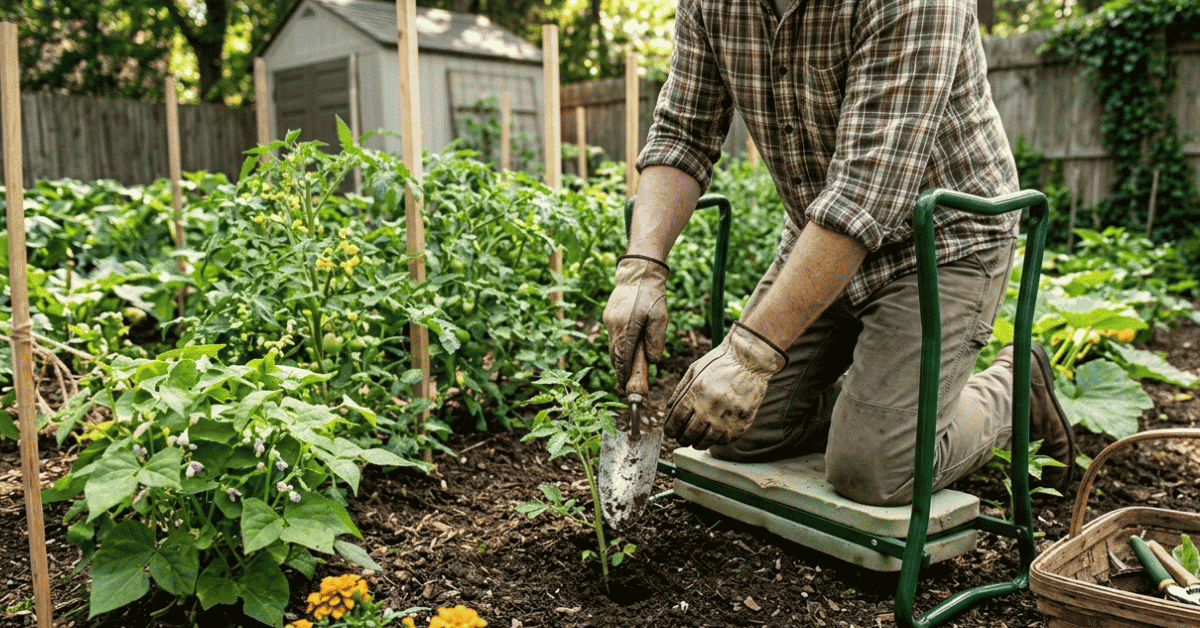
5 Surprising Kneeling Chair Gardening Wins
I never thought I’d be talking about kneeling chairs and gardening in the same breath, but honestly, it’s a game-changer! Discover how this simple tool makes your garden tasks easier. Ready for less strain and more green thumbs?
What’s the Big Deal with Kneeling Chair Gardening?
You might be picturing weird contraptions. I get it. My first thought was, “How can a ‘chair’ help me in the garden?” But here’s the thing: it’s not about sitting.
It’s about support. Specifically, it supports your knees and shins. Imagine weeding flower beds or planting seedlings.
For years, my knees took a beating. I’d end up sore, stiff, and ready to quit way too soon. That’s where my kneeling chair came in.
I’d seen them around for desk work. They help with posture, right? I figured, why not try it for my garden beds?
My First Time Trying It Out
It was a bright Saturday morning. The sun was just right, not too hot. My tomato plants needed their beds cleared from early weeds.
It’s usually a job I dread. I drag out my old foam knee pads. They help a bit, but they’re never quite enough.
So, I hauled my kneeling chair out to the garden. It felt a bit silly at first. It’s not exactly built for dirt and soil.
But I set it up near the most weedy patch. I lowered myself onto the padded kneeler. Wow.
Immediately, I felt a difference. The pressure wasn’t all on my knees. It was spread out.
My shins rested on the padded bar. My back felt more upright. I could reach the plants without feeling like I was collapsing.
It was like I had a stable platform. I could lean forward and work for longer. My knees weren’t screaming at me.
It was a revelation. I ended up weeding for nearly an hour straight. That felt like a miracle to me.
Benefits of Using a Kneeling Chair for Garden Work
It’s not just about comfort. This setup brings several advantages. I’ve found it makes my gardening time more productive.
And my body thanks me for it.
Reduced Strain on Your Knees and Back
This is the most obvious win. Traditional gardening often means lots of kneeling. You’re on your knees for weeding, planting, or harvesting.
This puts immense pressure on your knee joints. It can also lead to back pain. Your spine gets compressed and strained as you contort your body.
A kneeling chair changes this dynamic. It offers a sturdy support system. Your weight is distributed more evenly.
The padded knee rest takes the direct impact off your kneecaps. The upright position also helps your spine stay aligned. You’re not hunching over as much.
- Knee Comfort: Direct pressure is gone.
- Back Alignment: Helps maintain a better posture.
- Longer Sessions: You can work without immediate pain.
I remember one afternoon, planting a whole row of petunias. Usually, that means up and down, shifting positions constantly. My knees would ache for days.
With the kneeling chair, I just moved it along the row as needed. I stayed supported the whole time. It felt almost… leisurely.
My knees felt just fine after. That’s a huge win in my book.
Improved Stability and Balance
When you’re kneeling on the ground, especially on uneven soil, it’s easy to lose your balance. You might wobble when you reach for a tool or a plant. This can be frustrating.
It can also be a tripping hazard if you’re not careful. A kneeling chair provides a solid base. It’s like having a steady platform.
You have a defined space to work from. This stability makes it easier to maneuver. You can shift your weight with confidence.
It’s especially helpful if you’re working on slightly sloped ground. It keeps you grounded.
Easier Entry and Exit from Working Position
Getting up from a deep squat or a long kneeling pose can be tough. For many, it’s a struggle. You need to push yourself up with your hands.
Sometimes it’s an awkward, slow process. With a kneeling chair, it’s much simpler. You’re already in a more elevated position.
To stand, you just place your hands on the ground or the chair itself and push up. It requires less effort and strain. This is a big deal for anyone with joint issues or limited mobility.
It makes gardening feel more accessible.
I noticed this most when I was harvesting strawberries. I had to get up and down several times to fill my basket. Each time, without the chair, it was a small effort.
With it, it was smooth. I could move from gardening position to standing in one fluid motion. It saved me so much physical energy.
Increased Productivity and Garden Enjoyment
When you’re not battling pain or discomfort, you can focus on the task at hand. You can spend more time in the garden. You can tackle bigger projects.
Or you can simply enjoy the process more. For me, gardening is a stress reliever. I want to enjoy it.
I don’t want it to be a painful chore. Using a kneeling chair has made my gardening sessions longer and more pleasant. I get more done in less time.
And I feel better afterward. That’s a win-win.
Think about tasks that take a long time. Drip irrigation setup? Planting hundreds of bulbs?
These are jobs that can be grueling. With the support of a kneeling chair, they become much more manageable. You can keep your focus on the details of the job.
You’re not distracted by aches and pains.
Setting Up Your Kneeling Chair for Garden Use
It’s pretty straightforward, but there are a few things to keep in mind. You want to make sure it’s safe and effective for your garden.
Choosing the Right Kneeling Chair
Not all kneeling chairs are created equal. For garden use, I’d look for a few key features.
- Durability: You want something that can handle some outdoor conditions. Maybe a metal frame rather than all plastic.
- Padding: Good, thick padding is essential for your knees and shins.
- Adjustability: If you can adjust the height, that’s a bonus. It helps you fit your stance to different garden beds.
- Portability: You’ll need to move it around. So, consider its weight.
I opted for one with a fairly robust frame. It wasn’t the lightest, but I knew it would hold up. The padding was thick enough that I didn’t feel the hard ground through it.
Positioning for Different Tasks
Where you place your kneeling chair matters. For low beds, you’ll want it close. For raised garden beds, you might position it so you can lean over the edge.
- Low Beds: Place the chair directly in front of the area you’re working on.
- Raised Beds: Position it so you can comfortably lean over the edge. You might even rest your arms on the edge for added stability.
- Pathways: If you’re working on a long row along a pathway, you can simply slide the chair along as you go.
I found positioning was crucial for weeding. If I was too far away, I was still stretching. If I was too close, I couldn’t get a good angle.
It took some trial and error.
Protecting Your Chair from the Elements
Your kneeling chair isn’t made for constant rain or sun. You’ll want to protect it.
- Store it Indoors: After each gardening session, bring it back into the garage or shed.
- Cover it: If you must leave it outside, use a waterproof cover.
- Clean it: Wipe down any dirt or mud after use. This keeps the padding fresh.
I made the mistake of leaving mine out once during a light shower. The padding got a bit damp. It took a while to dry out.
Now, I’m very diligent about bringing it in.
Are There Downsides to Kneeling Chair Gardening?
Honestly, for me, the pros far outweigh the cons. But it’s fair to be aware of potential issues.
Not Ideal for All Garden Tasks
It’s mainly for tasks that require you to be low to the ground. It won’t help you prune high branches or dig large holes. You’ll still need to stand for those.
It’s best used for beds, borders, and other ground-level work.
May Need Getting Used To
Like any new tool, there’s a learning curve. You might feel a little awkward at first. It takes some adjusting to find your exact sweet spot.
But I found that feeling passed quickly.
Potential for Mud and Dirt
As I mentioned, it will get dirty. You need to be prepared for that. And you need to commit to cleaning and storing it properly.
It’s an extra step, but a necessary one to keep it in good shape.
Kneeling Chair vs. Other Gardening Aids
Let’s compare. How does a kneeling chair stack up against other popular garden aids for comfort?
| Feature | Kneeling Chair | Knee Pads | Garden Stool/Trug |
|---|---|---|---|
| Support Level | High (knees, shins, encourages posture) | Moderate (knees only) | Moderate (can sit or lean, provides height) |
| Stability | High (stable base) | Low (can shift, knees still on ground) | Moderate (depends on stool design) |
| Portability | Moderate (can be bulky) | High (lightweight, easy to carry) | Moderate (usually lightweight) |
| Ideal for | Extended low-level tasks, general comfort | Short bursts of kneeling, minimal tasks | Sitting, tool storage, moving around |
| Strain Reduction | Excellent (knees, back) | Good (knees) | Good (reduces kneeling/bending) |
| Cost | Moderate to High | Low | Low to Moderate |
I’ve used knee pads for years, and they are better than nothing. But they only protect the knees. My shins still get scraped and bruised.
And my back still aches from the bent position. A garden stool is nice for taking a break, but it doesn’t offer the support for active work like planting. The kneeling chair offers a more comprehensive solution for those repetitive, ground-level tasks.
It really hits a sweet spot between full standing and deep kneeling. This makes tasks like detailed planting or extensive weeding much more enjoyable.
Embrace Your Garden with Comfort
Gardening should be a joy, not a pain. If you’ve been struggling with aching knees or a sore back, give kneeling chair gardening a try. It’s a simple change that can make a world of difference.
It certainly did for me. It means I can spend more time doing what I love. And my body thanks me every single time.
Do you struggle with back pain while gardening? Learn more about the benefits of ergonomic gardening tools.
Could your garden setup be more efficient? Discover how smart gardening techniques can save you time and effort.
Interested in natural gardening solutions? Explore the benefits of using reclaimed materials in your garden.